The verdict
- Best for
- Travellers who want the famous beach without the famous queue, and will trade peak heat for space and light.
- Top pick
- For Europe, target late spring or early autumn. For an icon like Anse Source d'Argent, aim for the calmer transitional months.
- One thing to know
- Quiet does not mean empty. A famous beach in its low season is calmer, not deserted, and a sunrise visit beats any month for solitude.
Published 4 April 2026. Last reviewed 6 May 2026
Fame is a double edged thing for a beach. The same photos that put it on your list also fill its sand each summer, and an hour spent fighting for a sun lounger is nobody's idea of paradise. The good news is that crowds are seasonal, and most icons have a window when they are still glorious but far calmer.
Below we give the quietest sensible month for each famous beach, the kind of timing that keeps the good weather while shedding the peak crush. We have leaned toward shoulder seasons rather than the genuinely off months, because a windswept beach under cloud is a hollow victory. Pair these months with an early start and you can have an icon almost to yourself.
Famous beaches and when to have them
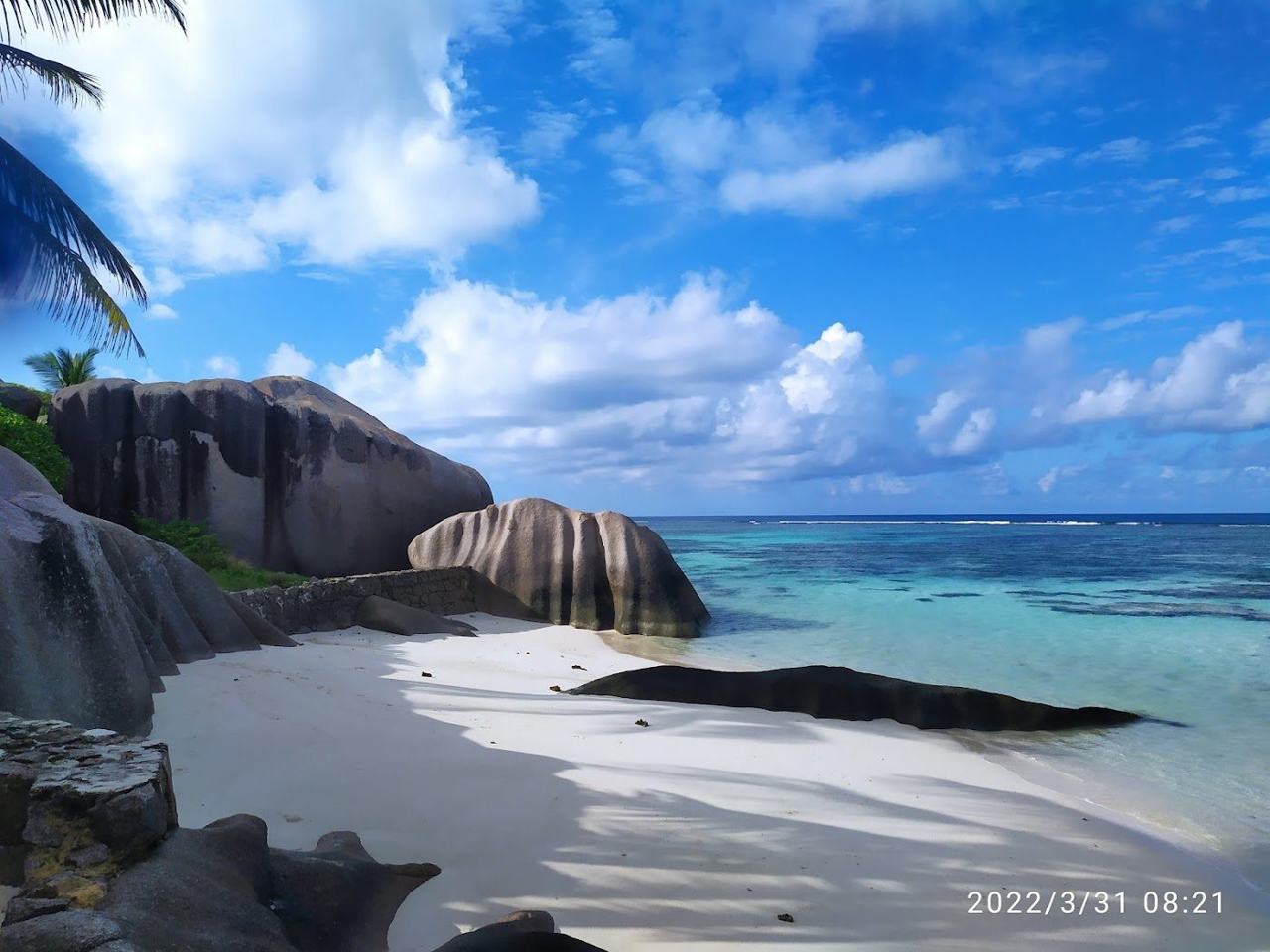 Photo: Marina Manukyan via Google
Anse Source d'Argent
The most photographed beach in the Indian Ocean is busiest when the European holidays land. The transitional weeks around May, between the two monsoons, bring calmer water and thinner crowds. Arrive early, before the day trippers reach La Digue by ferry, and the boulders are yours.
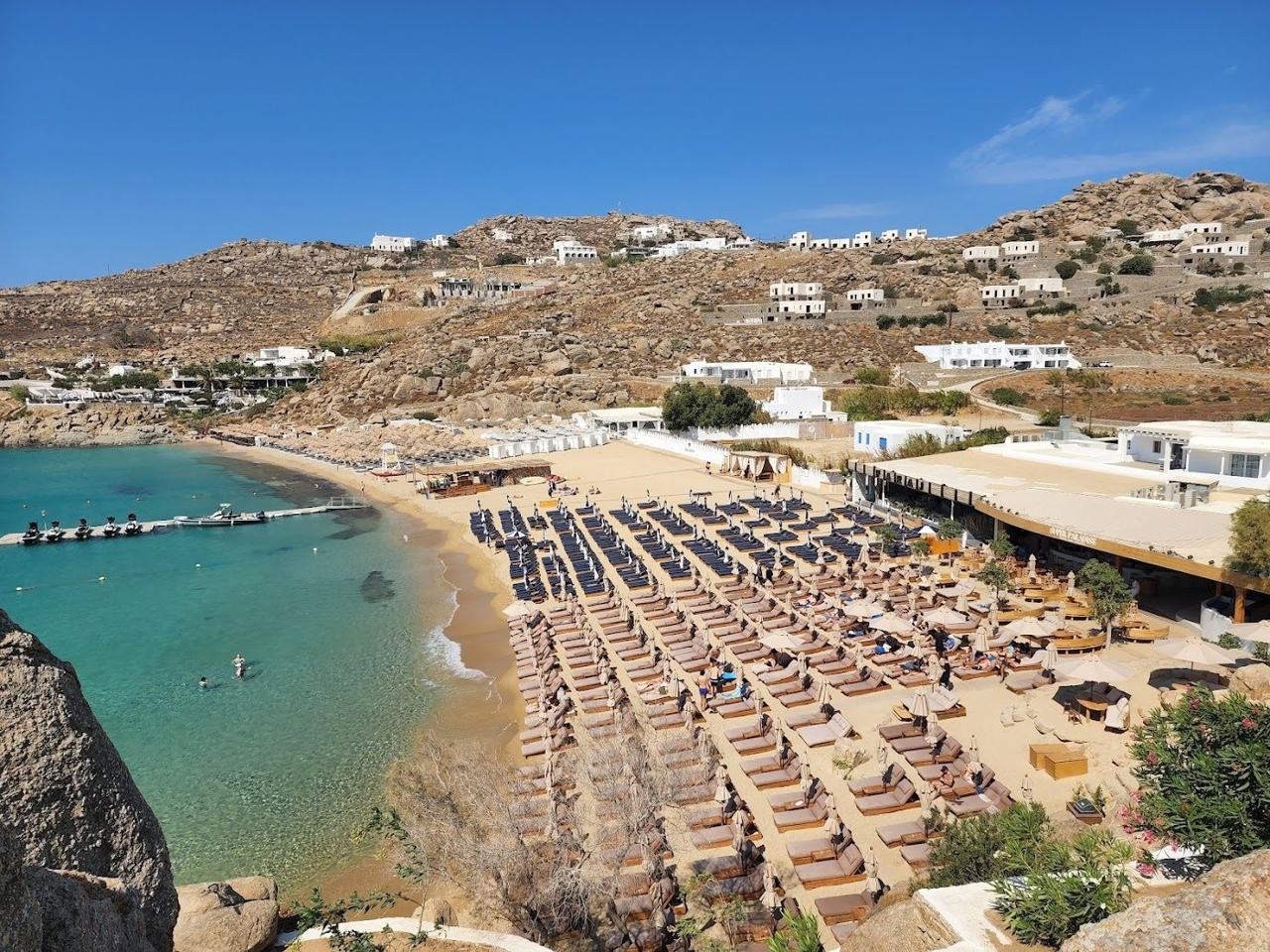 Photo: Ana Fernández via Google
Super Paradise
In July and August this is the loudest beach in the Cyclades. Come in late May or in September and the water is just as cobalt, the clubs are open but breathable, and you can actually find a daybed. The shoulder weeks keep the scene without the scrum.
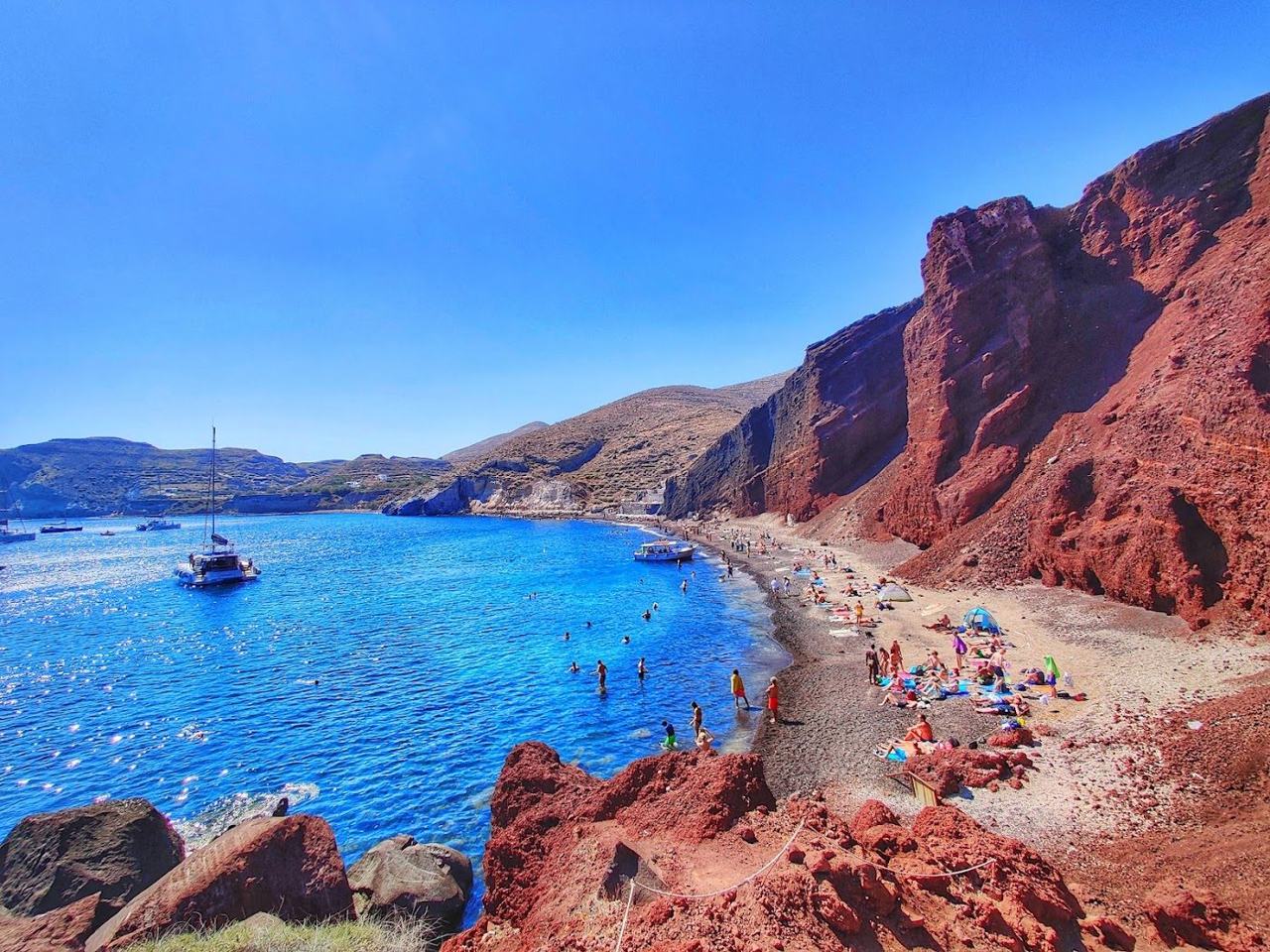 Photo: Jakub Budzyński via Google
Red Beach
Santorini's iron red cliffs draw a constant summer stream. October thins it dramatically while the sea stays warm enough to swim and the light turns golden. Check access conditions before you go, as the cliffs above the beach are prone to rockfall and the path can close.
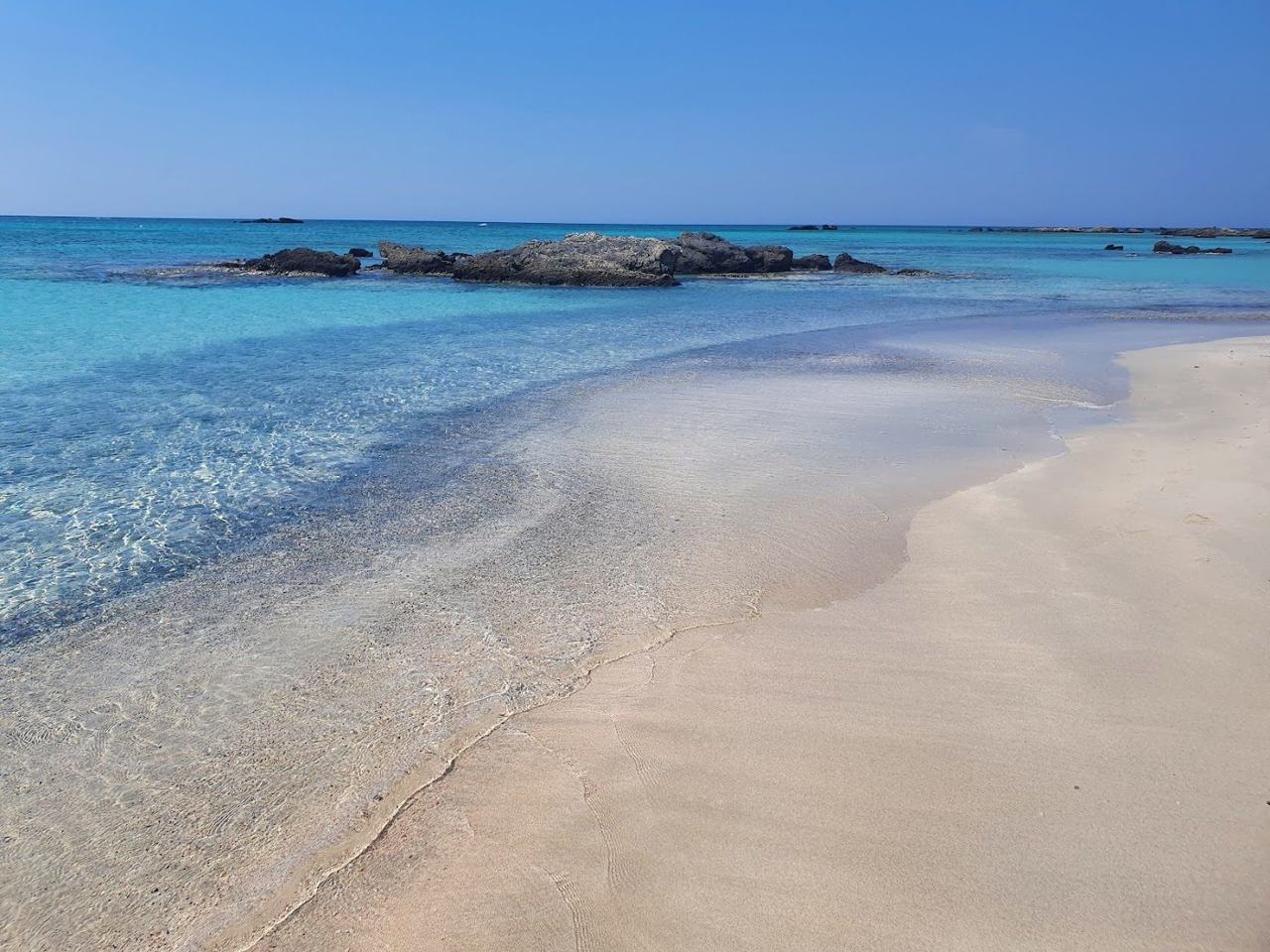 Photo: Bianca Schmitt via Google
Elafonissi
The pink tinged lagoon at Crete's southwest tip is mobbed in high summer. Early June gives you warm shallow water and the famous blush sand before the coaches arrive in force. A weekday and an early start make the difference between magic and gridlock.
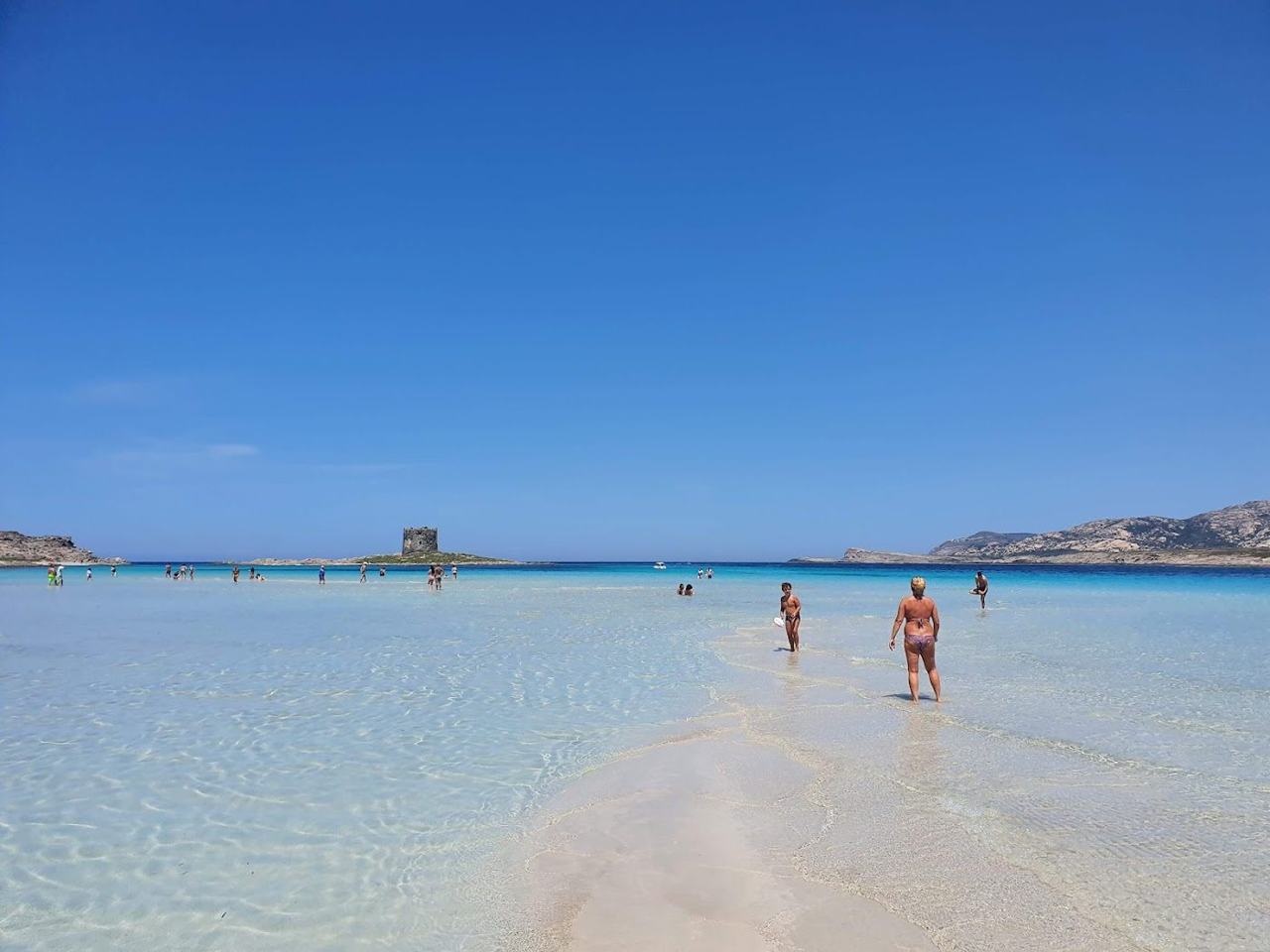 Photo: Konrad Gałczyński via Google
La Pelosa
Sardinia's most beautiful beach now caps daily visitor numbers in peak season and charges for entry. June, just before that system bites hardest, gives you the same impossibly clear shallows with more room. Book any required ticket ahead and go early in the day.
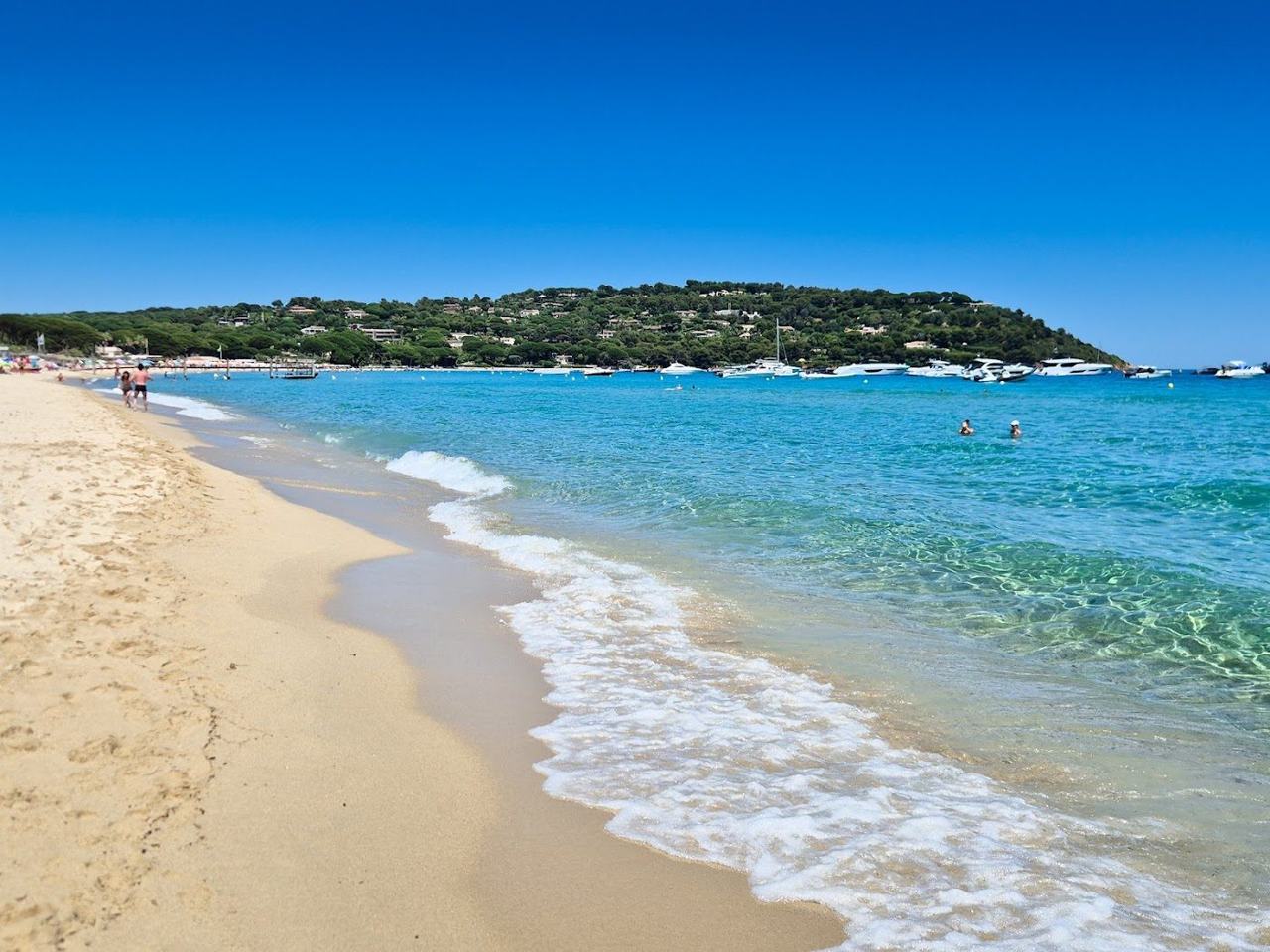 Photo: tasten steff via Google
Pampelonne
The famous Saint Tropez sands are at their most frantic in August. September keeps the warm sea and the open beach clubs while the yachts and the prices ease off. It is the locals' favourite month here for good reason, with long calm afternoons returning to the bay.
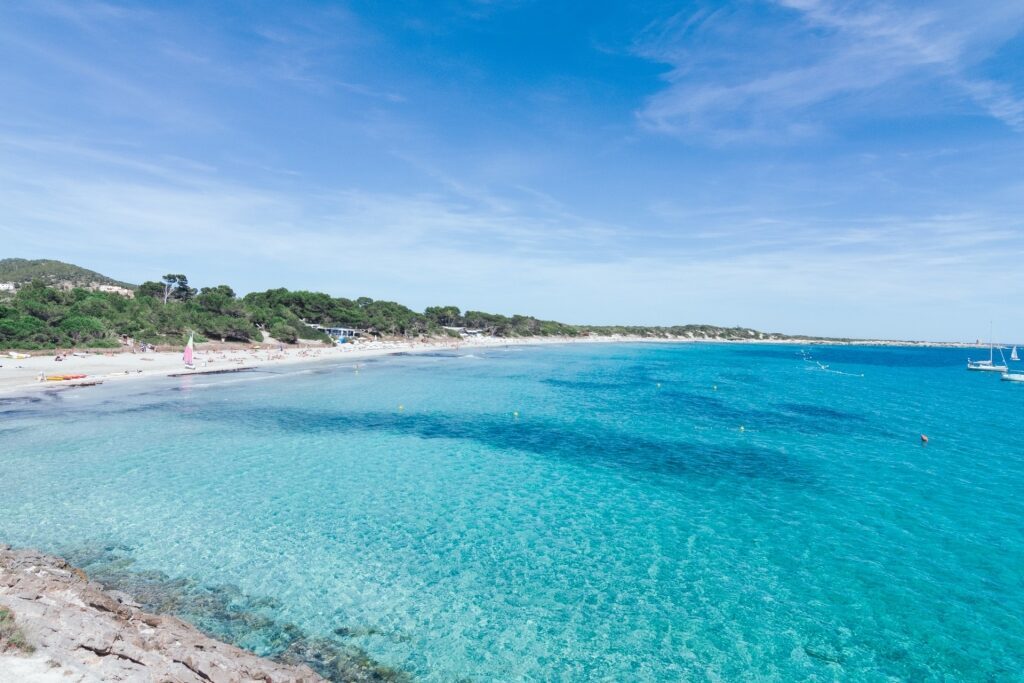 Photo: Carlos Alberto do Amaral via Google
Ses Salines
Ibiza's fashionable salt flat beach overflows from July to August. Early June, before the season peaks, still brings warm clear water and the relaxed beach bar scene without the wait for a sunbed. The protected setting behind the beach looks its greenest then too.
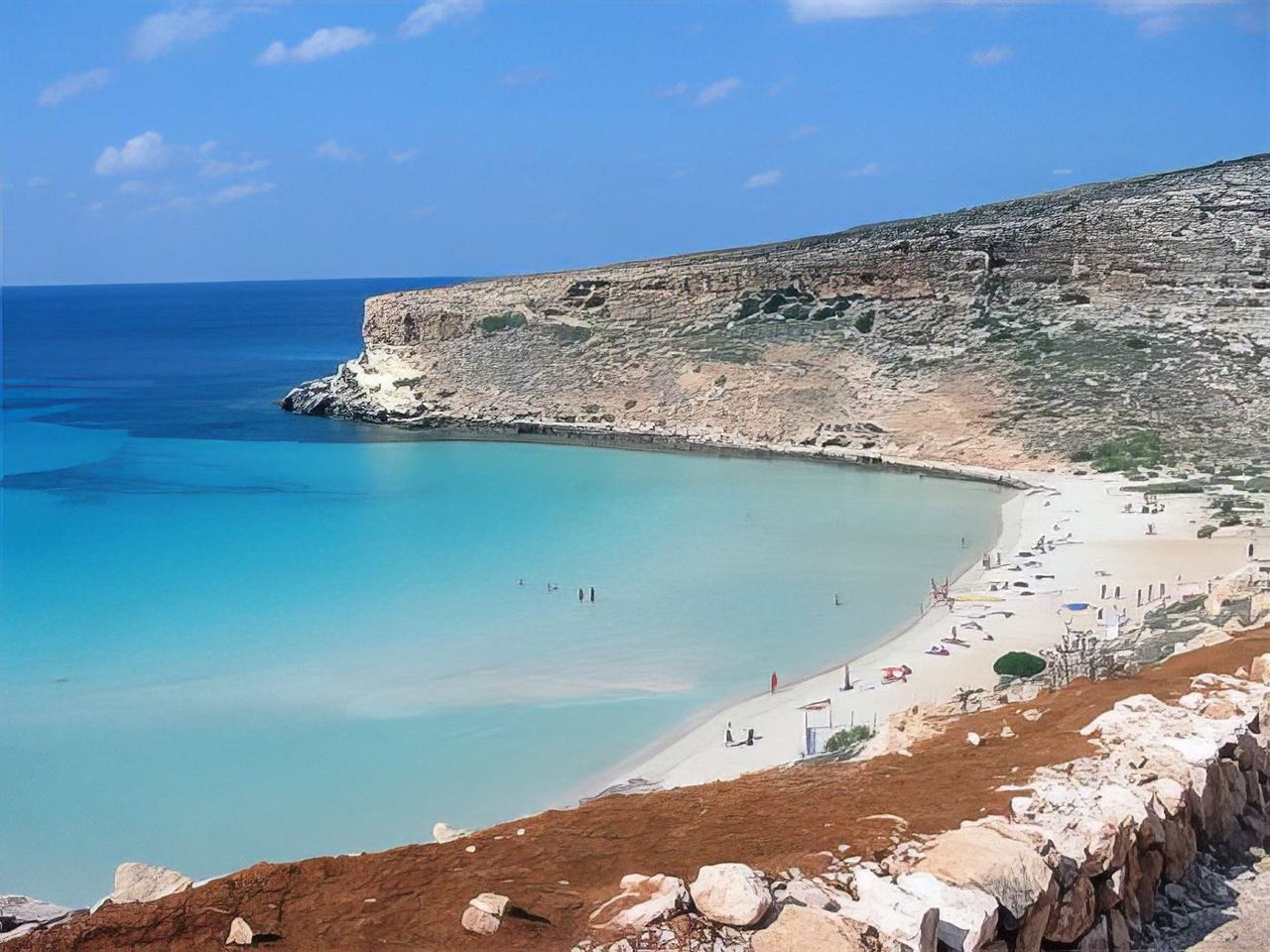 Photo: Carlos Alberto do Amaral via Google
Spiaggia dei Conigli
Often voted among the best beaches in the world, Rabbit Beach is a protected turtle nesting site with managed access. June offers the bright lagoon water before the August peak. Respect the marked nesting zones and the daily access rules, which keep the place as pristine as the photos.
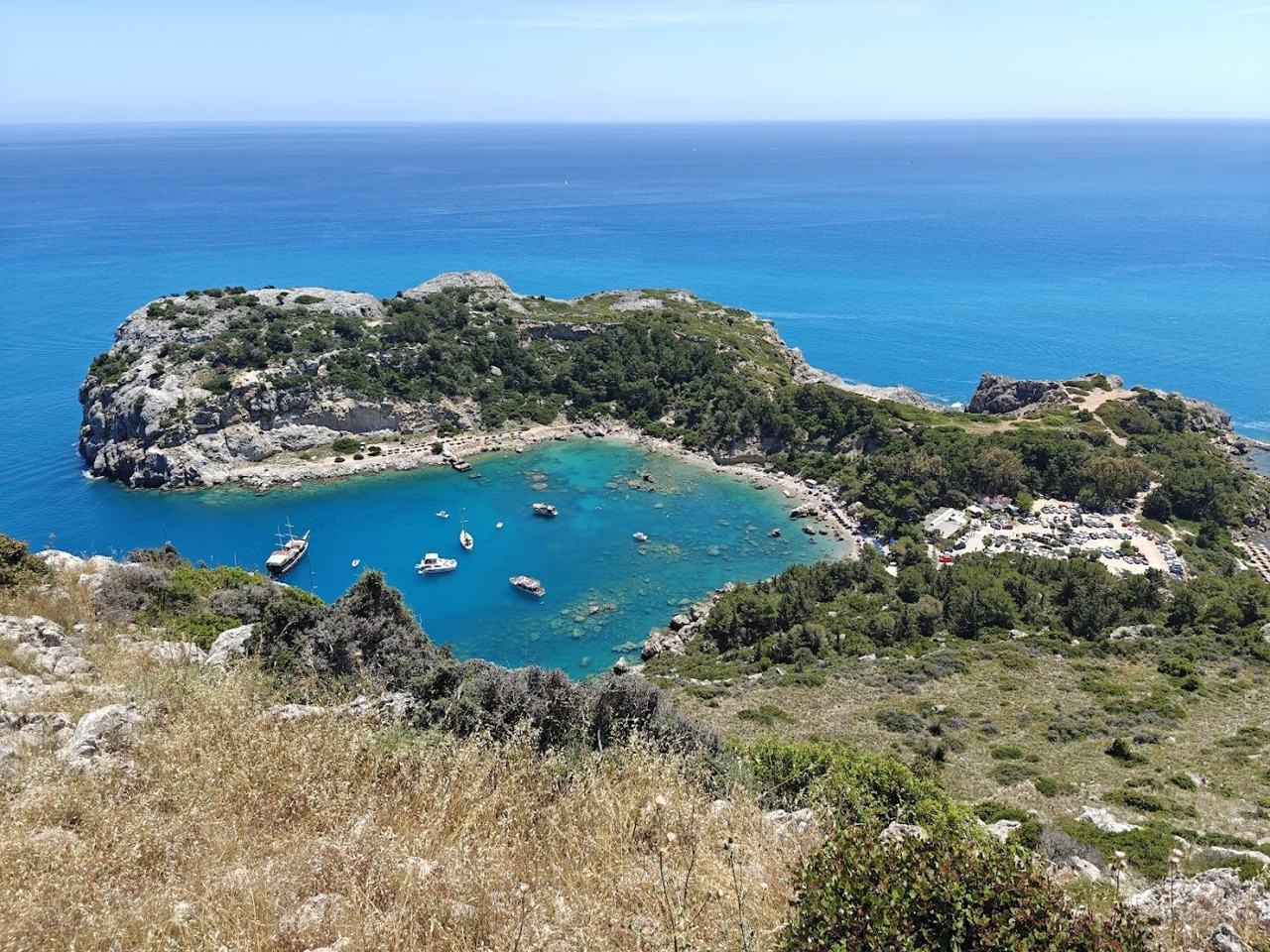 Photo: Dirk Adriaensens via Google
Anthony Quinn Bay
This small pine framed cove gets tight in midsummer, when its limited space fills by mid morning. Late September brings warm water, excellent snorkelling and far more room on the rocks. Arrive early regardless, because the bay is compact and fills fast on any sunny day.
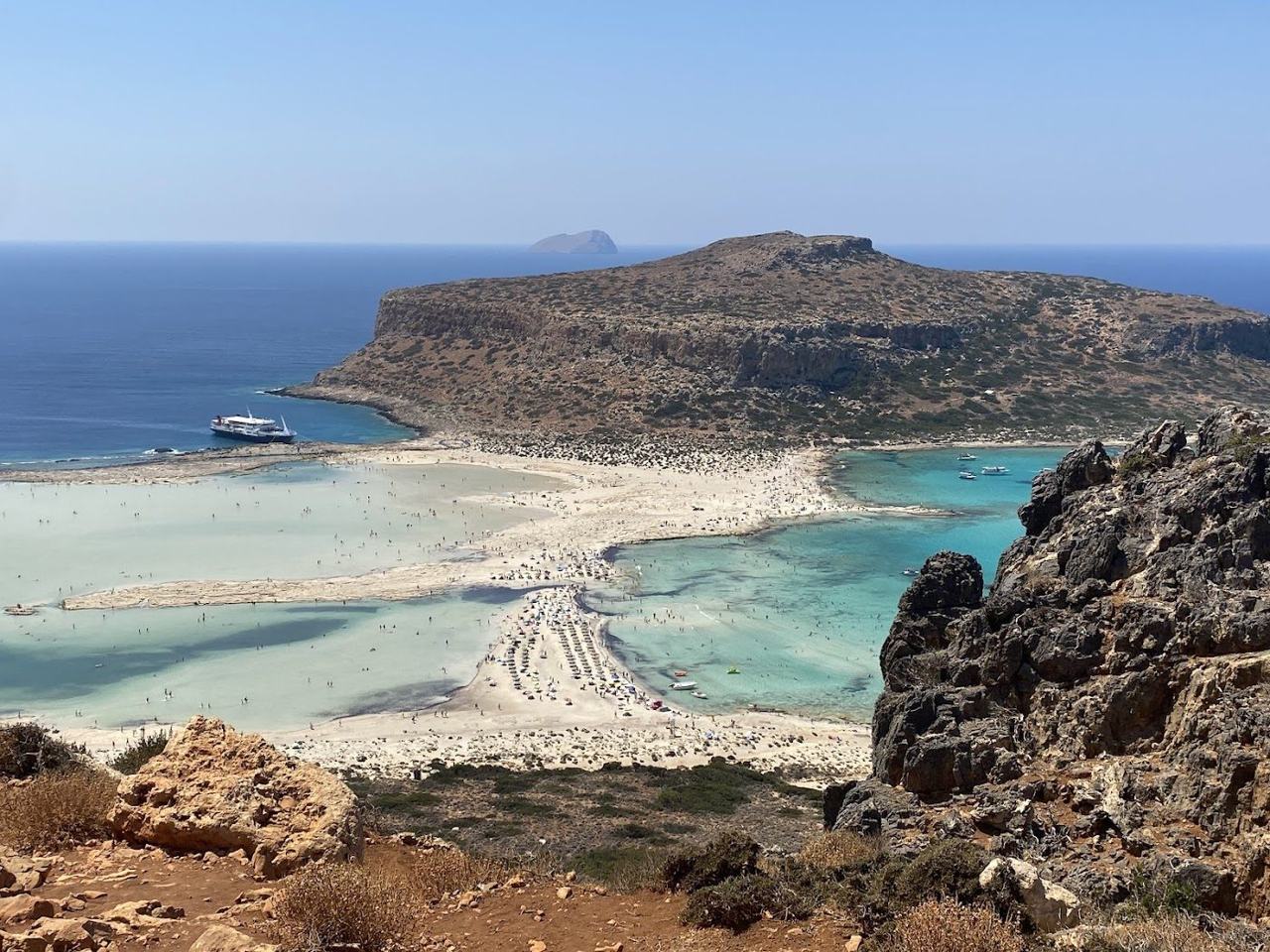 Photo: Raquel Gomez via Google
Balos
The Balos lagoon is a high summer pilgrimage by boat and rough road alike. Early October quiets it markedly while the shallow turquoise water stays inviting. Go independently and early rather than on a midday cruise, and you may share the sandbar with only a handful of others.
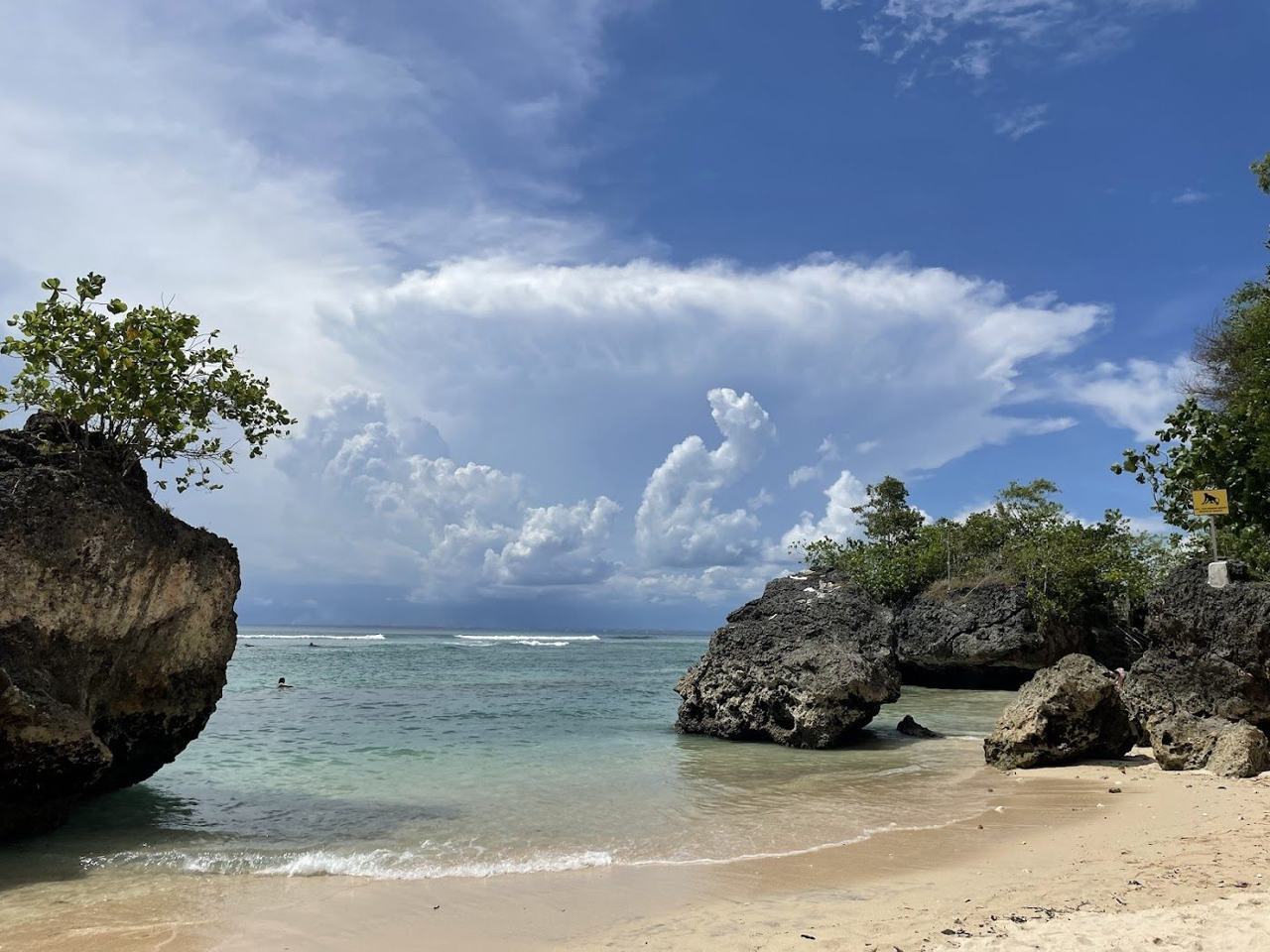 Photo: André Schneider via Google
Padang Padang
Reached through a cleft in the rock, this Bukit cove is small and gets popular fast in the dry season peak. April, at the start of the dry months, brings clean water and clean surf with fewer bodies on the sand. The early light through the rock entrance is the photo everyone wants.
Making a famous beach feel quiet
The month is only half the battle. The single most effective tactic at any famous beach is the hour. Arrive at or before opening and you will often have the place to yourself for an hour or more, even in a busy month, while the crowds build only from mid morning. Sunrise is the great equaliser.
Weekdays beat weekends almost everywhere, since local day trippers swell the numbers on Saturdays and Sundays. Where access is managed, as at La Pelosa and Rabbit Beach, the cap is itself a gift: it guarantees a calmer beach, provided you secure any ticket or boat slot in advance.
Be honest with yourself about the trade. A shoulder month means slightly cooler water and the small chance of a grey day. In exchange you get space, better light and lower prices. For most of these icons that is a bargain, but if guaranteed heat matters more than solitude, peak season exists for a reason.
Frequently asked
When is the best time to avoid crowds at famous European beaches?
Late spring, roughly late May and June, and early autumn, especially September and early October, are the sweet spots. The sea is still warm, the weather largely holds, and the peak summer crowds of July and August have either not arrived yet or have just left.
Does visiting in the quiet season mean bad weather?
Not usually, if you stick to the shoulder months rather than deep winter. Late spring and early autumn in the Mediterranean still deliver plenty of sun and swimmable seas. You accept a small risk of a cooler or cloudier day in exchange for far more space and better light.
What is the single best tactic for a quiet famous beach?
Go early. Arriving at or before opening, regardless of the month, often buys you an hour or more of near solitude before the crowds build. Sunrise at an icon like Anse Source d'Argent or Balos can feel like a completely private experience.
Are there famous beaches that limit visitor numbers?
Yes. La Pelosa in Sardinia and Rabbit Beach in Sicily both operate access controls in peak season to protect the environment, and several others charge entry or require a ticket. Book ahead where needed, and treat the cap as a bonus, since it keeps the beach calmer than it would otherwise be.
Which icon is hardest to enjoy in peak season?
The small ones. Compact coves like Anthony Quinn Bay in Rhodes and the cove at Padang Padang in Bali fill quickly because there is simply little room, so midsummer can feel cramped by mid morning. For these, both the quiet month and the early hour really matter.
Is winter ever a good time for these beaches?
For swimming and beach club life, generally no in the Mediterranean, where winter is cool and many businesses close. Tropical icons such as those in the Seychelles and Bali stay warm in their respective dry windows, but for the European names the shoulder seasons are the realistic quiet option.