The verdict
- Best for
- Photographers, couples and anyone who wants a beach that looks as extraordinary in person as it does on a screen.
- Top pick
- For pure picture postcard, Anse Source d'Argent in the Seychelles, or Cala Goloritze in Sardinia.
- One thing to know
- The light does the work. The same beach is transformed at golden hour, and arriving early gives you empty sand for the frame.
Published 15 April 2026. Last reviewed 24 May 2026
A photogenic beach is more than a pretty one. It has structure: a shape, a colour, a frame of rock or palm that gives the eye somewhere to go. The beaches below are the ones that stop a scroll, and the rare ones that look even better when you stand on them than they do in any photo.
We have ranked them on visual drama, then added the honest practical detail: the shot each is famous for, and the conditions that make or break it. Light is the variable nobody can fake. Most of these are at their best in the soft hours after sunrise or before sunset, when the colour deepens and the crowds thin, so the hour you choose matters as much as the beach.
Built for the photograph, in order
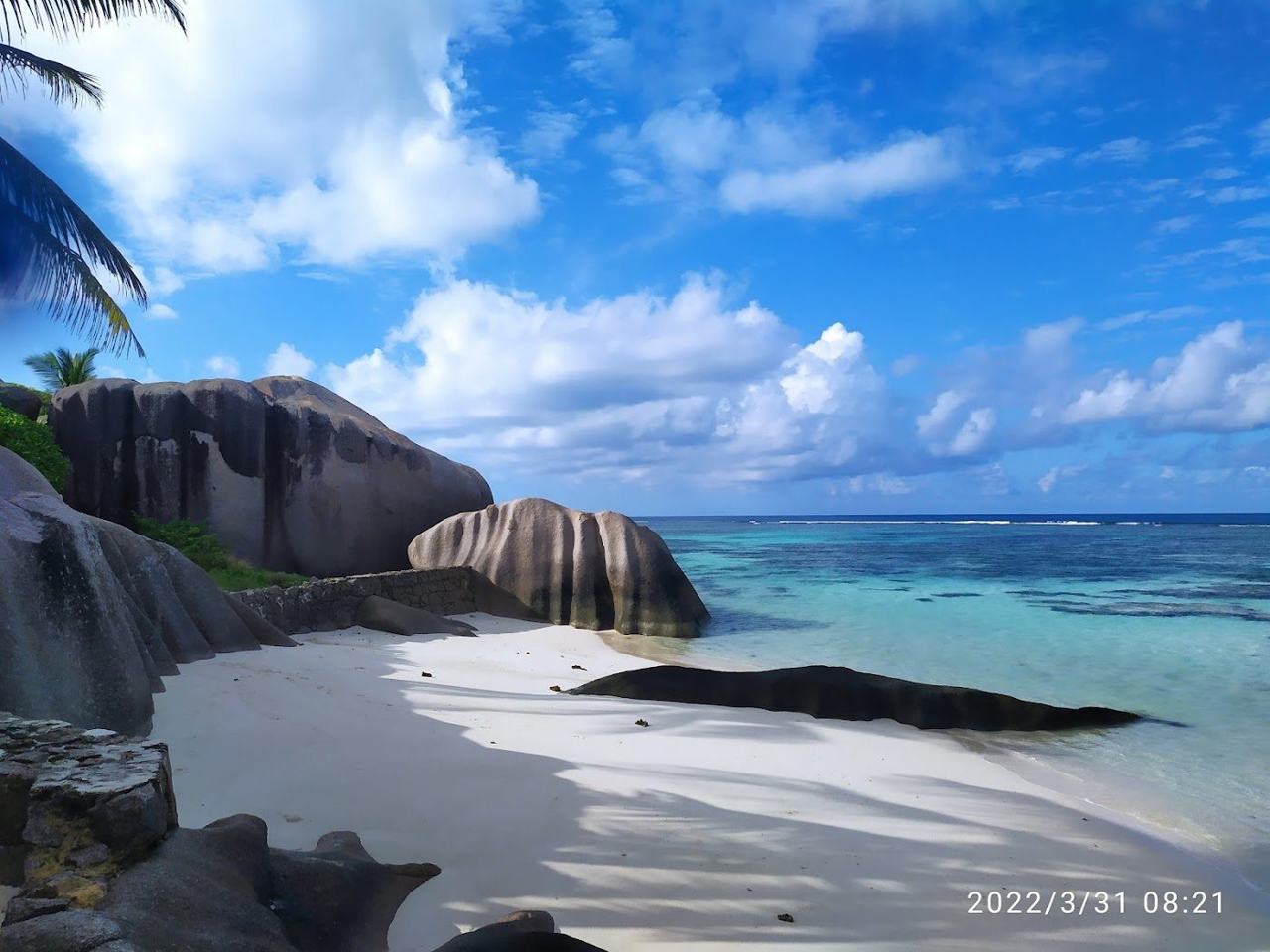 Photo: Marina Manukyan via Google
Anse Source d'Argent
The most photographed beach on Earth, and it earns the title: vast sculpted granite boulders, shallow water in a hundred shades of blue, and sand that glows at sunset. Come early before the ferry crowds reach La Digue, and shoot the boulders backlit in the late afternoon for the famous warm glow.
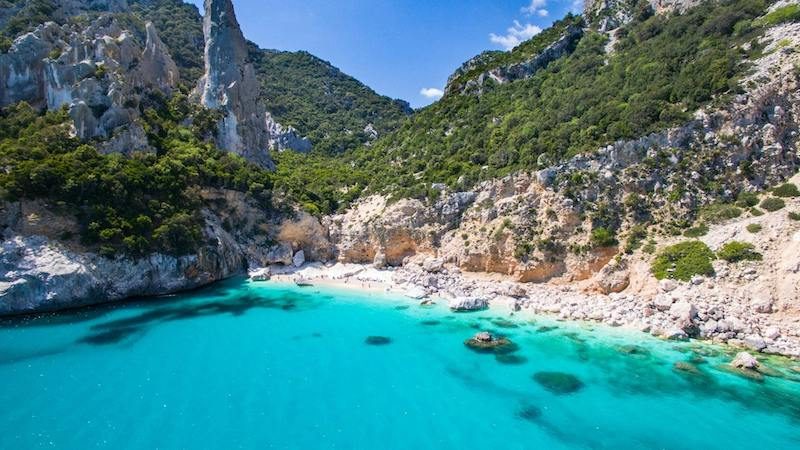 Photo: Carlos Alberto do Amaral via Google
Cala Goloritze
A protected jewel reached only on foot or by boat, where a soaring limestone pinnacle rises beside impossibly clear shallows. The hike down rewards you with one of the Mediterranean's most striking frames. Numbers are capped to protect it, so book any required permit and go early for the cleanest light and emptiest sand.
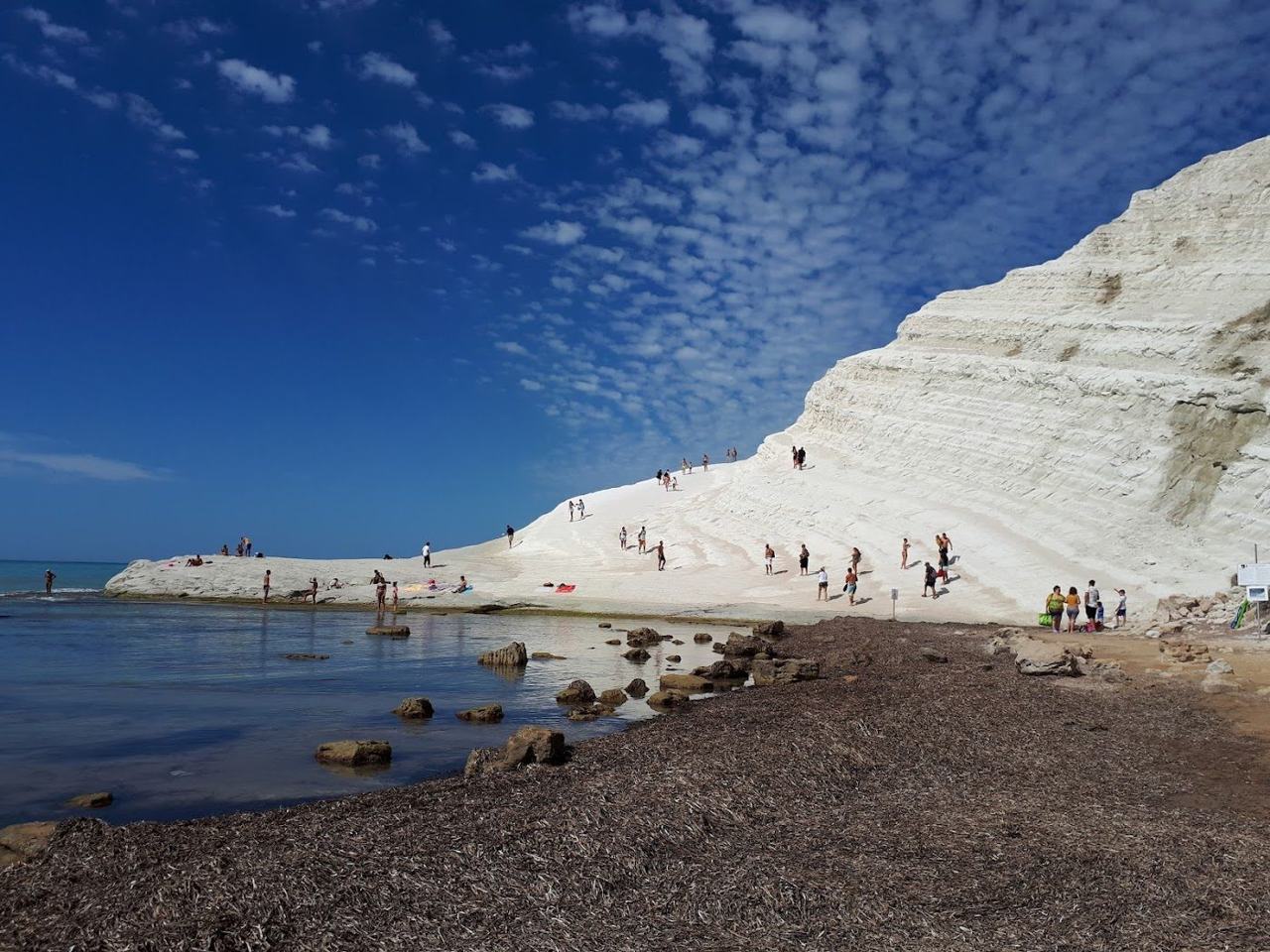 Photo: Andrea Mondonico via Google
Scala dei Turchi
A blinding white marl cliff steps down to the sea like a natural staircase, turning warm gold at sunset against the blue. It is one of Sicily's signature sights. Access can be restricted to protect the fragile rock, so check the current rules and shoot from the beach at either end for the classic view.
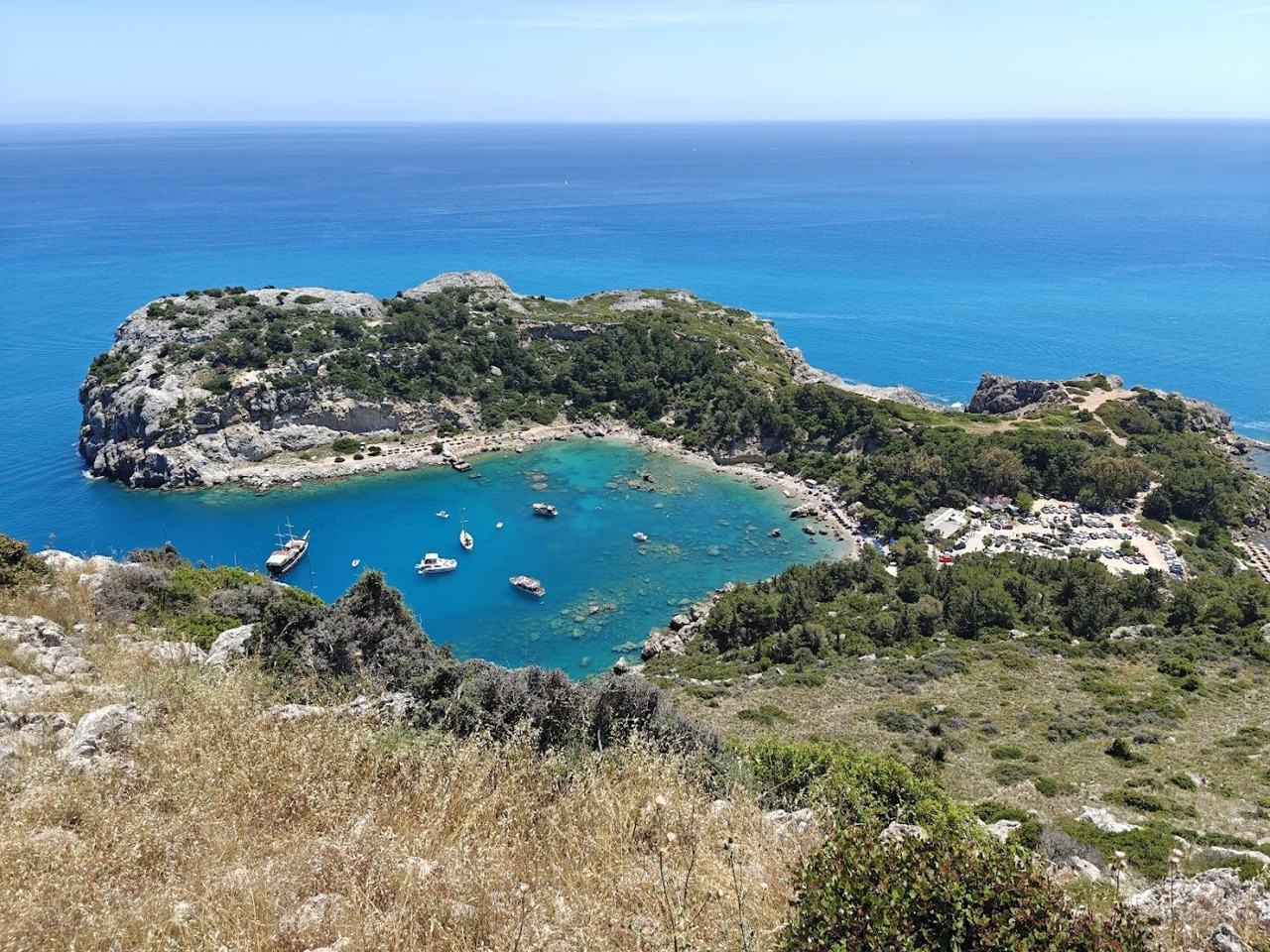 Photo: Dirk Adriaensens via Google
Anthony Quinn Bay
A small, deep green cove of pines and rock falling into water so clear the boats look like they float on air. It is a natural composition, framed on every side. The bay is compact and fills fast, so arrive early for room on the rocks and the cleanest reflections on the water.
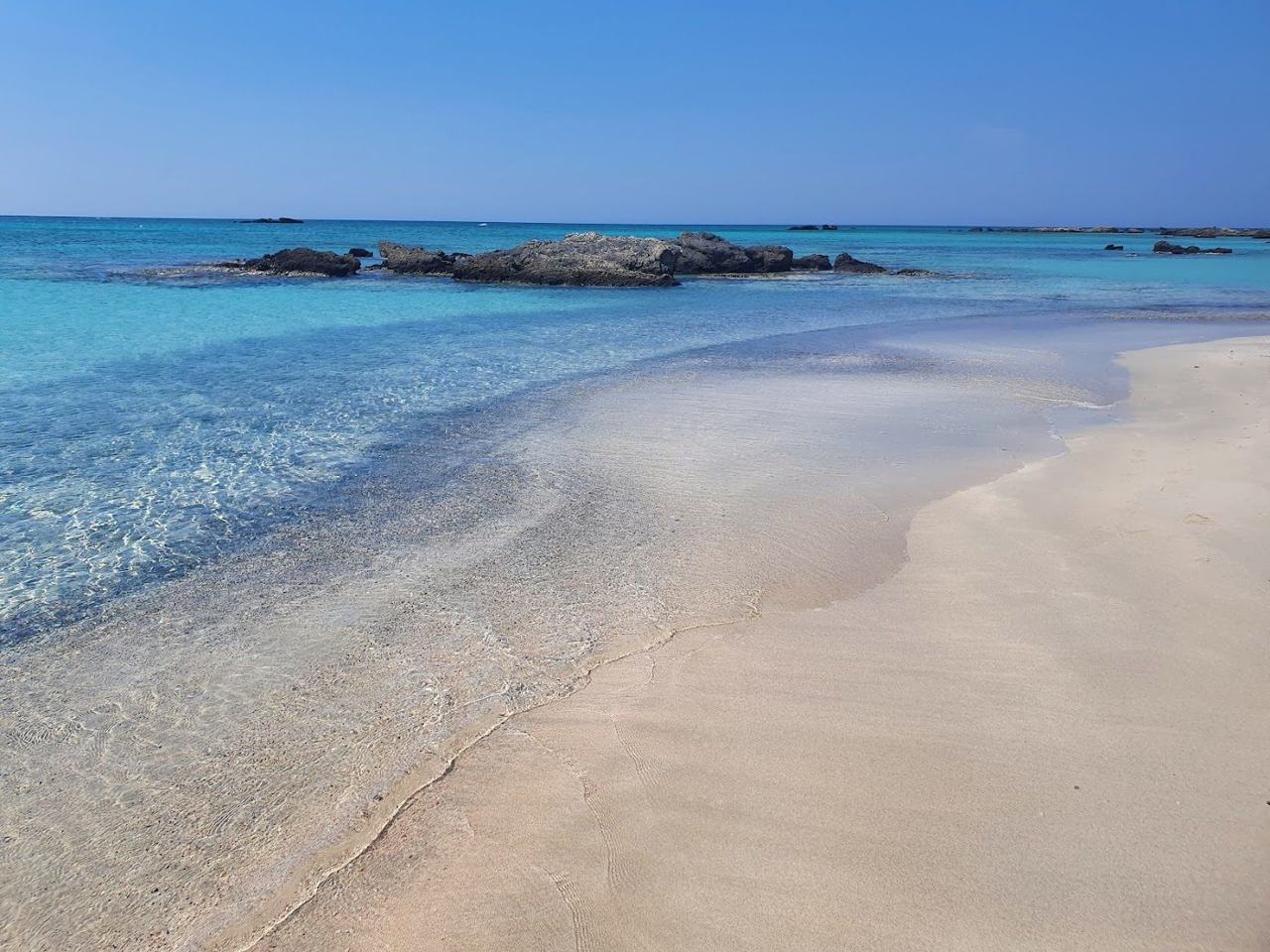 Photo: Bianca Schmitt via Google
Elafonissi
Crete's blush pink sand and turquoise lagoon are a colour combination that barely looks real. Wade out across the warm shallows for the wide shot, and visit early in the day or in the shoulder season, since the photogenic emptiness vanishes once the midsummer coaches arrive.
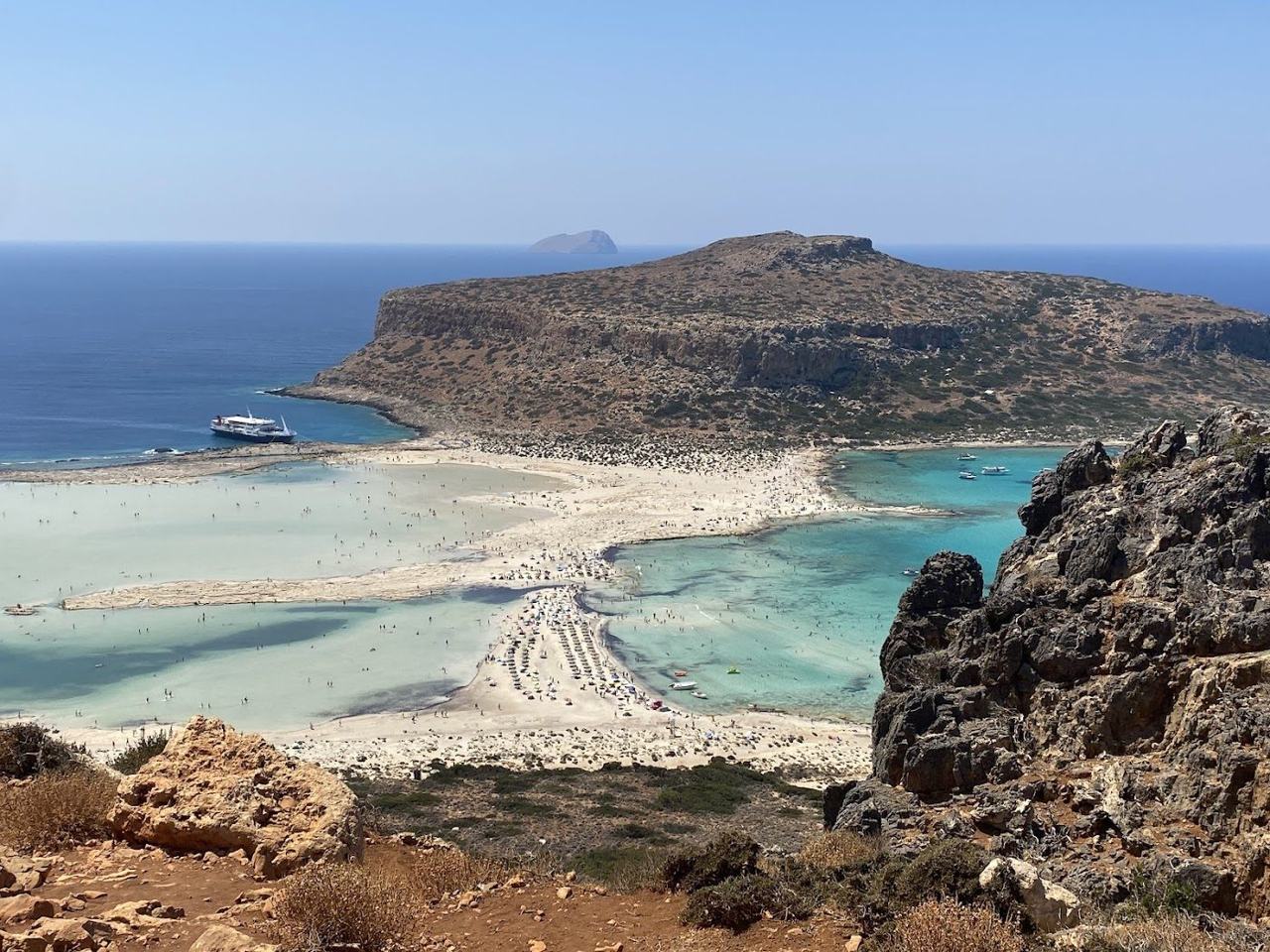 Photo: Raquel Gomez via Google
Balos
The Balos lagoon is the aerial shot everyone knows: a swirl of white sand and graded blues at the wild northwest tip of Crete. The view from the path above is the money frame. Go independently and early rather than on a midday cruise, both for the light and for room to compose.
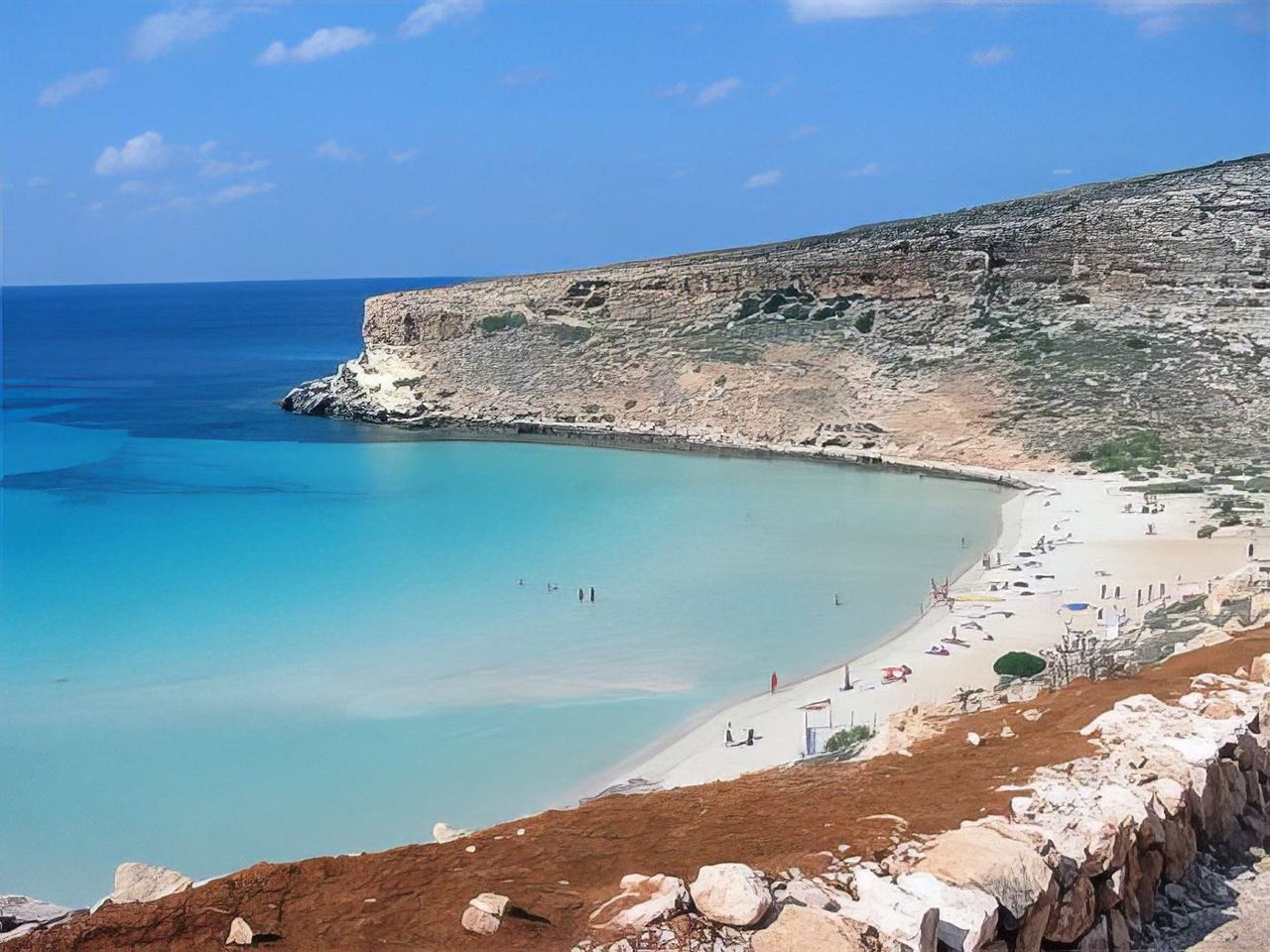 Photo: Carlos Alberto do Amaral via Google
Spiaggia dei Conigli
Rabbit Beach, repeatedly voted among the best in the world, is a curve of pale sand around a luminous shallow lagoon, with a small island offshore. It is a protected turtle nesting site with managed access. The view from the descent path is the classic frame, best shot in the clear morning light.
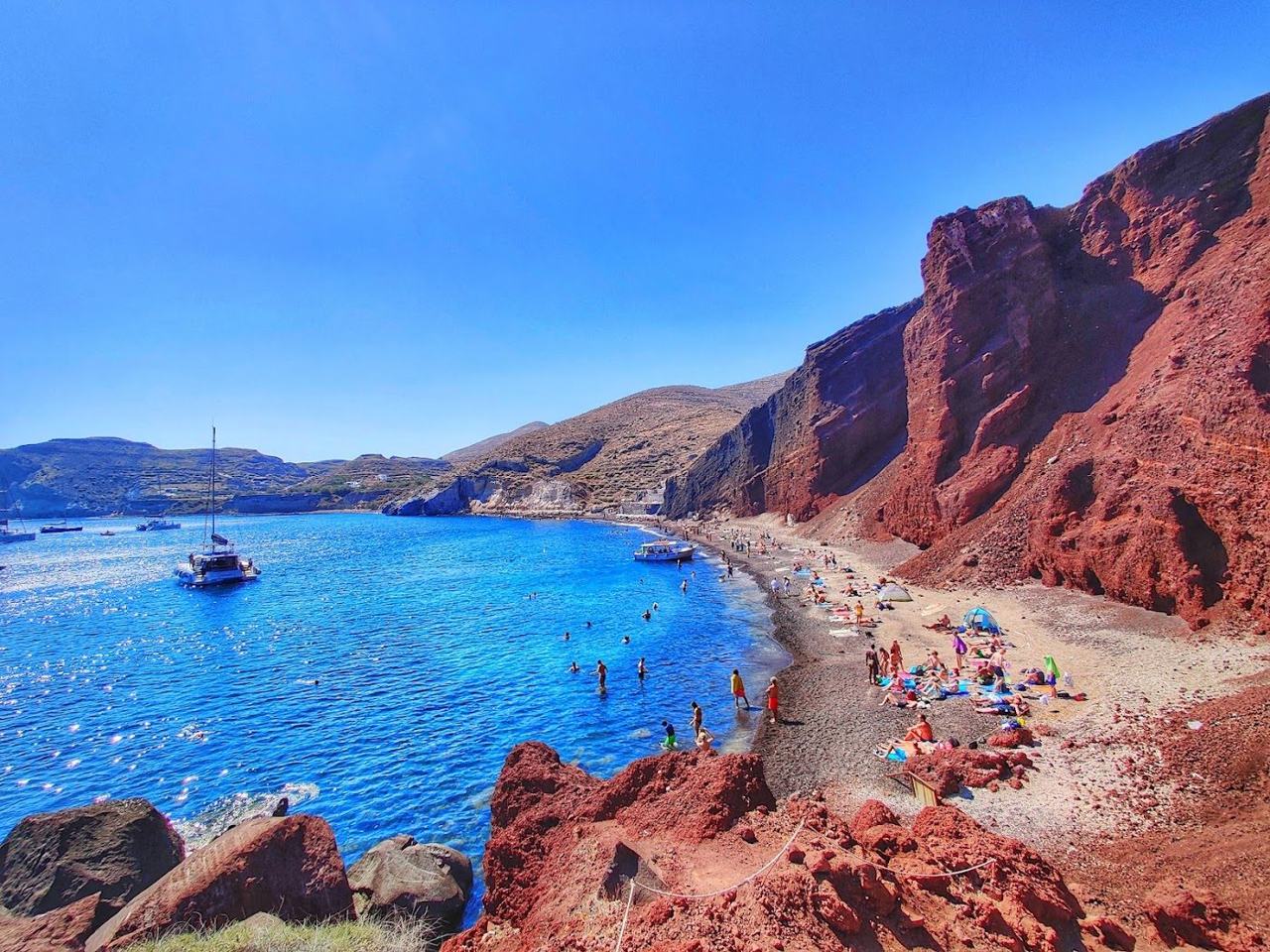 Photo: Jakub Budzyński via Google
Red Beach
Deep rust red cliffs plunge to dark sand and bright blue sea, a violent clash of colour found almost nowhere else. The contrast is the photo. Check access before visiting, as the cliffs are prone to rockfall and the path can close, and shoot from the headland for the full sweep of red against blue.
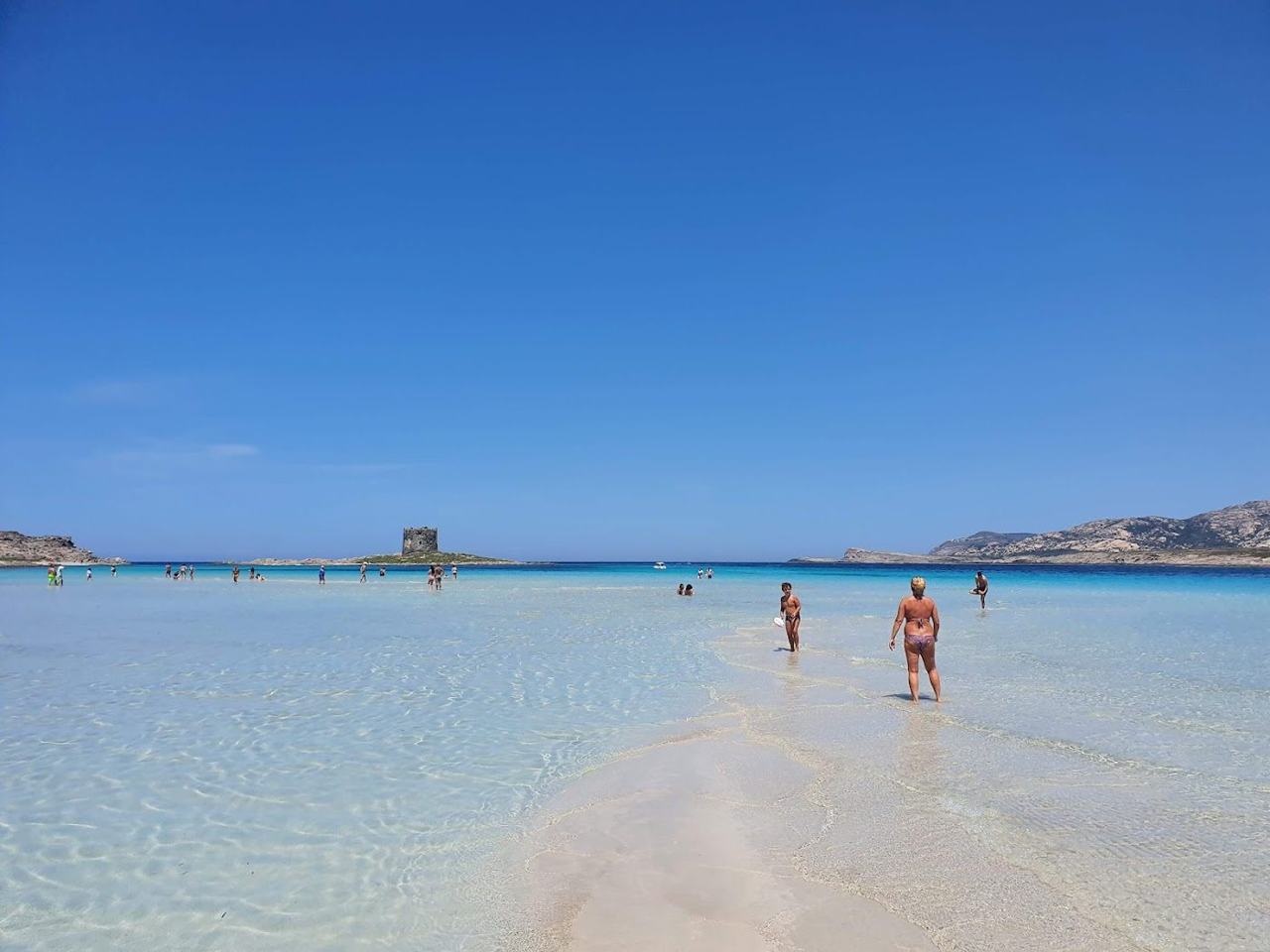 Photo: Konrad Gałczyński via Google
La Pelosa
Often mistaken for the Caribbean, La Pelosa lays out pale shallow water beneath an old Spanish watchtower on its islet. The tower gives the composition its anchor. Daily numbers are capped in peak season, so book any ticket ahead and arrive early for the still, glassy water that makes the shot.
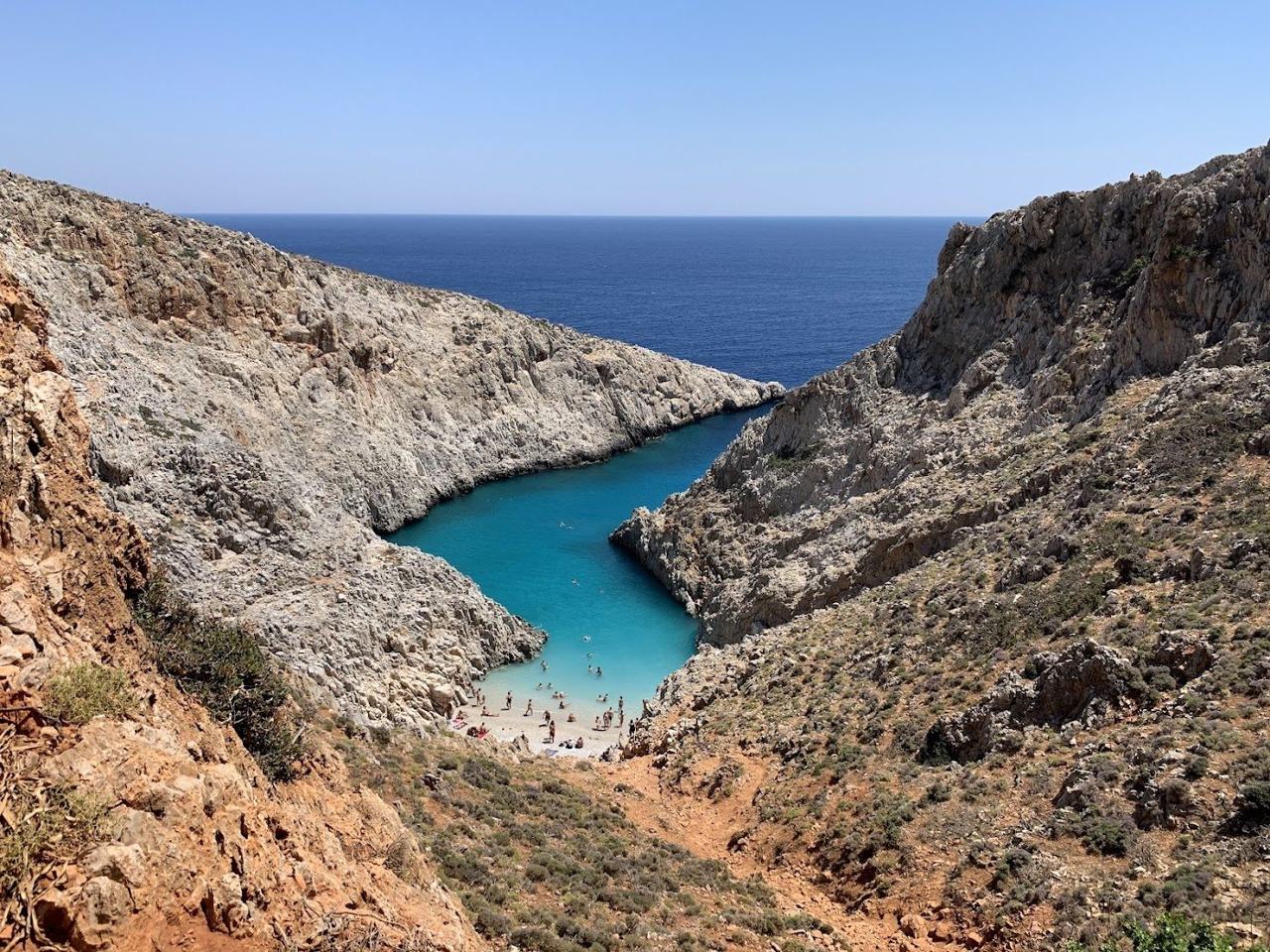 Photo: Vera Boneva via Google
Seitan Limania
A narrow ribbon of vivid blue water knifes between sheer rock walls at the end of a steep descent. The drama comes from the gorge that frames it. The path is rough and the cove is tiny, so wear proper shoes, go early for space, and shoot down the canyon to capture the depth of the blue.
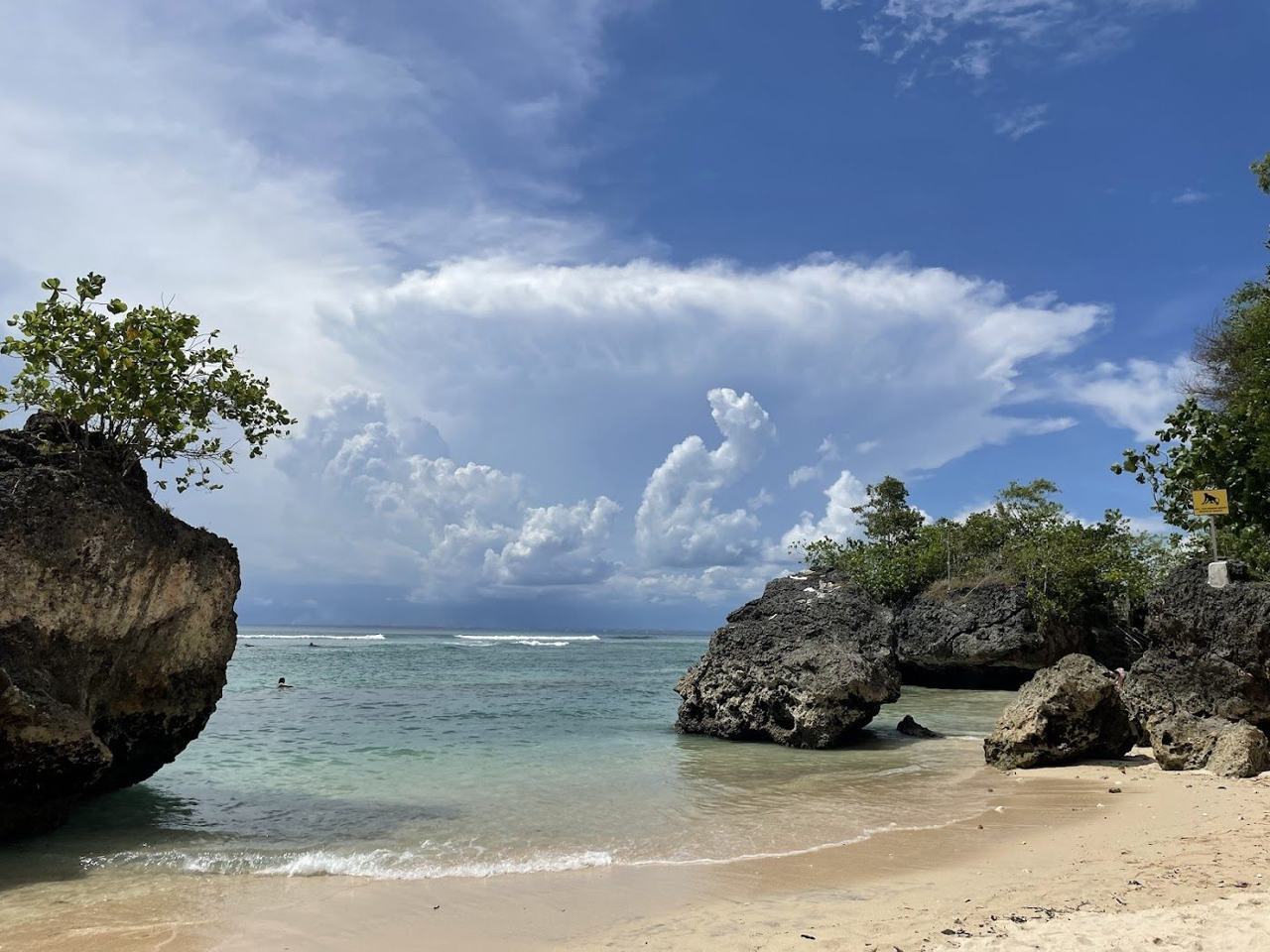 Photo: André Schneider via Google
Padang Padang
Reached through a narrow cleft in the rock, this Bukit cove rewards the squeeze with a tight, cinematic strip of sand and surfers on the break beyond. The rock gateway, lit by low morning sun, is the signature frame. Come at first light for clean water, soft light and the sand to yourself.
Getting the shot, and respecting the place
The two things that transform any of these beaches are the hour and the season. Golden hour, the soft window after sunrise and before sunset, deepens every colour and lengthens the shadows that give a photo depth. The same beach at harsh midday looks flat and washed out, and is also at its most crowded.
Empty sand is its own kind of beauty, and the only reliable way to get it is to arrive early. Even the busiest icon is calm for the first hour after access opens. That early start doubles as your best light, so the photographer's habit and the crowd avoider's habit are happily the same one.
Several of these places are fragile and protected, from the capped numbers at Cala Goloritze and La Pelosa to the turtle nesting zones at Rabbit Beach and the unstable cliffs at Red Beach and Scala dei Turchi. Check the current access rules, stay on the marked paths, and take nothing but the photograph. A beach this beautiful stays that way only if visitors tread lightly.
Frequently asked
What is the most photogenic beach in the world?
Anse Source d'Argent in the Seychelles is the most photographed, with its sculpted granite boulders, shallow blue water and glowing sand. Cala Goloritze in Sardinia and the pink sand of Elafonissi in Crete are close rivals, each with a distinctive natural feature that makes the frame.
When is the best light for beach photography?
Golden hour, the soft window shortly after sunrise and before sunset, gives the richest colour, the longest shadows and the most flattering light. Midday sun tends to look flat and harsh and coincides with the biggest crowds, so the early and late hours are best for both the photo and the peace.
How do I photograph these beaches without crowds?
Arrive early, ideally as access opens. Even the most famous beaches are quiet for the first hour, before day trippers and tour groups arrive. Visiting in the shoulder season rather than peak summer helps enormously too, and conveniently the early hour also gives you the best light of the day.
Are any of these beaches difficult to reach?
Several reward effort. Cala Goloritze and Seitan Limania involve real hikes or steep paths, Balos needs a rough drive or a boat, and Rabbit Beach has a descent. That difficulty is part of why they stay so beautiful, so wear proper footwear and carry water, and check access rules before you set out.
Do any of these beaches limit visitor numbers?
Yes. Cala Goloritze and La Pelosa cap daily numbers in peak season to protect them, Rabbit Beach manages access around turtle nesting, and access at Red Beach and Scala dei Turchi can be restricted for safety. Book any required permit or ticket ahead, and always follow the posted rules.
Which photogenic beach is best for a couple?
Anse Source d'Argent and Cala Goloritze are hard to beat for romance and drama, while the pine framed cove of Anthony Quinn Bay feels intimate and sheltered. For a sunset frame together, the rock gateway at Padang Padang in the soft morning or evening light is unforgettable.