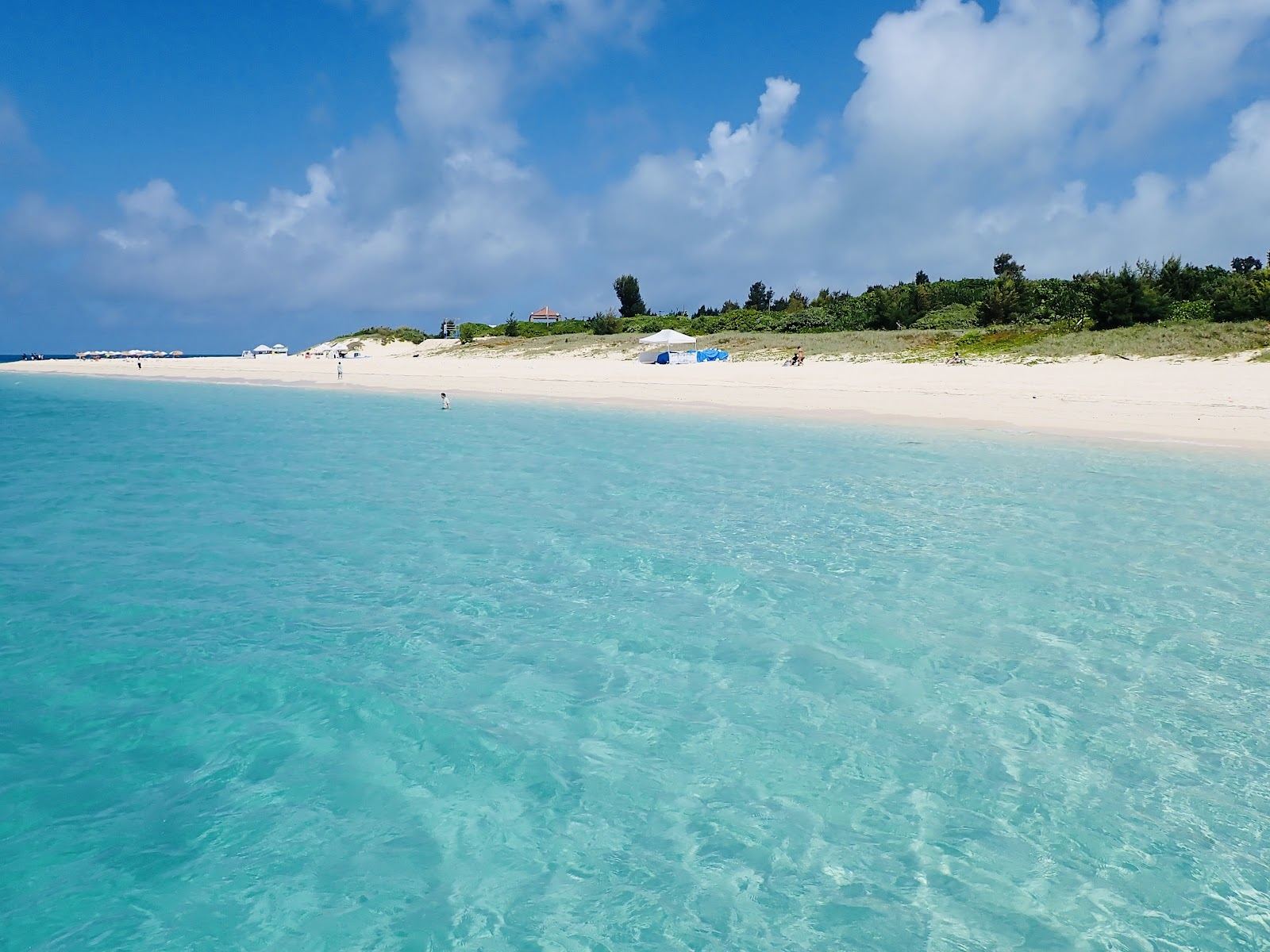
 Photo: LANI KAI via Google
The verdict
- Best forTravellers timing an Okinawa trip who want warm, open beaches and clear reefs without the rains of early summer or the typhoon risk of the late summer peak.
- Single best spotApril and early May, before the rainy season, and October, when the heat eases but the sea stays warm and the beaches are still open and uncrowded.
- One thing to knowThe rainy season runs roughly mid May to late June, and typhoons peak from August into September, when storms can close beaches and ferries at short notice.
Published 18 January 2026. Last reviewed 7 February 2026. Conditions are typical and never guaranteed.
Okinawa is subtropical, far warmer than mainland Japan, and its beach calendar is long but shaped by two things, the rains of early summer and the storms of late summer. The shape of the year runs like this. A cool, mild winter from December to March is too chilly for most to swim but lovely for walking, whale watching and the earliest cherry blossom in Japan. A glorious spring opens the swimming season in April. A rainy season, tsuyu, settles in from around mid May into late June. Then high summer from July to September brings the warmest sea, the biggest crowds and the typhoon risk, before a gentle, often beautiful October closes the swimming season. For a naturalist, the shoulders of spring and autumn are the prize.
What follows is the year broken down month by month for the things that actually shape a beach day on these islands, the heat, the sea, the rainfall and the crowd, with an honest verdict for each. We are plain about the rainy season and the typhoon weeks, when the weather can turn and the ferries to the outer islands can stop, because a trip built around the wrong fortnight can be a washout. We are just as plain about why April, May and October reward you, with warm open beaches, clear reefs and far thinner crowds than the August peak. One extra note runs through the calendar, the swimming season itself, since many managed beaches only open their nets, lifeguards and facilities from about April to the end of October.
Month by month at a glance
| Month | Air | Sea | Rain | Crowd | Verdict |
|---|---|---|---|---|---|
| January | Mild, around 17C | Cool, around 21C | Some | Lower | Too cool to swim, but whale season and the first cherry blossom begin |
| February | Mild, around 18C | Cool, around 21C | Some | Lower | Cool sea and cherry blossom, good for walking and whale watching |
| March | Mild, around 20C | Cool, around 22C | Moderate | Moderate | Warming up, spring weather, the sea still a touch cool for swimming |
| April | Warm, around 24C | Mild, around 23C | Drier | Moderate | The swimming season opens, fine weather and thinner crowds, a sweet month |
| May | Warm, around 26C | Warm, around 25C | Wetter | Moderate | Lovely early on, but the rainy season usually arrives mid month |
| June | Hot, around 29C | Warm, around 27C | Wettest | Lower | Peak of the rains, humid and showery, often clearing beautifully late in the month |
| July | Hot, around 31C | Warm, around 29C | Drier | Higher | Hot, sunny and busy, the rains gone but the typhoon risk beginning |
| August | Hot, around 31C | Warmest, around 30C | Storm risk | Highest | Hottest and busiest with the Obon holidays, the peak typhoon month |
| September | Hot, around 30C | Warm, around 29C | Storm risk | Moderate | Still warm and swimmable, typhoons still likely, crowds easing after Obon |
| October | Warm, around 27C | Warm, around 27C | Drier | Lower | Often the loveliest month, warm sea, settled weather, the season closing |
| November | Warm, around 23C | Mild, around 25C | Drier | Lower | Mild and pleasant, most beaches closing for swimming, good for walking |
| December | Mild, around 19C | Cool, around 22C | Some | Moderate | Cool winter, swimming over, whale season and festive crowds approaching |
When each month earns its place
April and early May. The naturalist's favourite stretch, when the swimming season opens on warm, settled days before the rains arrive. The sea is freshening rather than hot, the beaches and reefs are open and the crowds are still light, so this is the time to have Sesoko or the Kerama reefs at their gentle best. Book the outer islands now and you trade a degree or two of sea warmth for clear skies and space on the sand.
Mid May to late June. The rainy season, tsuyu, the wettest weeks of the year. It is humid and showery rather than a constant downpour, and the sea can be calm and warm between the rains, so a flexible traveller can still find good beach windows. The trade is grey skies, the odd washed out day and cloudier water. The great reward comes at the end, as the rains lift in late June into some of the most beautiful early summer weather of the year.
July to September. High summer, the warmest sea and the busiest, stormiest stretch. July and August are hot and sunny with the water near thirty degrees, perfect for swimming, but they carry the peak typhoon risk and the biggest crowds, especially around the Obon holidays in August, when flights and ferries fill and a passing storm can close beaches and sailings for a day or two. September stays warm and swimmable with the crowds easing, but the typhoon risk lingers, so build slack into the plan and watch the forecast.
October. Often the loveliest month of all, and a slow traveller's secret. The fierce heat eases, the typhoon risk fades through the month, the sea is still warm from the long summer and the beaches remain open into late October, all with far fewer people than the peak. It is the ideal time to pair a warm reef swim with comfortable days on the outer islands. Toward the end of the month the managed beaches begin to close their swimming areas, so it marks the gentle end of the long Okinawan beach season.
Get the Okinawa beach calendar
Independent and honest · 1,340 beaches ranked across 103 destinations · We answer to no resort
Before you go
When is the best time to visit Okinawa for the beach?
The sweetest weeks are April and early May, before the rains, and again in October, when the heat eases but the sea stays warm and the beaches are still open. These shoulder months pair good weather with thinner crowds. High summer from July to September is hottest and the sea is warmest, but it carries the typhoon risk, jellyfish and the biggest crowds. For calm, warm and uncrowded, aim for the shoulders. Conditions are typical and never guaranteed.
When is the rainy season in Okinawa?
Okinawa's rainy season, called tsuyu, usually runs from around early or mid May into late June, earlier than mainland Japan. It brings humid, showery spells rather than constant rain, and the sea can be calm between downpours, but it is the wettest stretch of the year. Late June, as the rains lift, often opens into beautiful early summer weather. Dates shift each year, so check the forecast. Conditions are typical and never guaranteed.
When is typhoon season in Okinawa?
The typhoon risk runs broadly from around July through September and into early October, peaking in August and September. A typhoon can close beaches, cancel ferries to the outer islands and ground flights for a day or two at a time, so build slack into a late summer trip and watch the forecast. Many summers pass with only glancing storms, but the risk is real and worth planning around. Conditions are never guaranteed.
How warm is the sea in Okinawa?
Warm in season, cool in winter. The sea climbs from around twenty two degrees Celsius in spring to a peak near thirty in August and September, staying comfortable for swimming from roughly April to October. Through winter it drops to about twenty one or twenty two degrees, swimmable for the hardy in a wetsuit but cool for most, which is why the managed beaches close their swimming areas. Conditions are typical and never guaranteed.
Can you swim in Okinawa in winter?
Not comfortably at most beaches. From December to March the air is mild but the sea cools to the low twenties and the managed beaches close their swimming areas and nets, so winter is for walking the sand rather than swimming. Winter has its own rewards though, with humpback whale watching off the Kerama islands and the earliest cherry blossom in Japan in late January and February. Pack for spring rather than the tropics.
When do Okinawa beaches open for swimming?
Most managed beaches open their official swimming season around April and close it at the end of October, putting out jellyfish nets, lifeguards and facilities for that window. Emerald Beach at Ocean Expo Park, for example, runs its swimming season from about the start of April to the end of October. Outside that window you can still walk and paddle, but nets and lifeguards may be gone, so take extra care. Dates vary by beach and year.