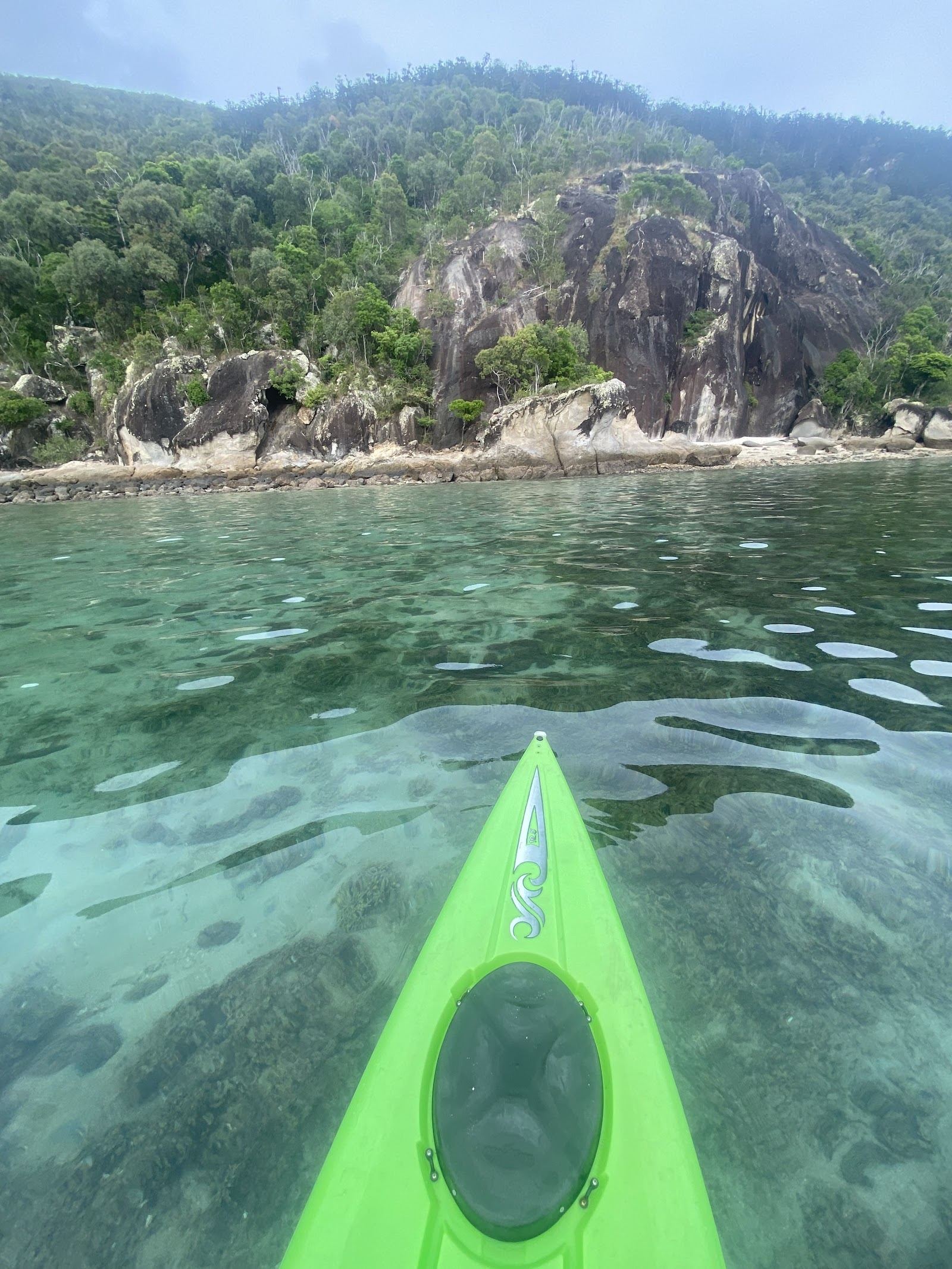
The Best Beaches for Snorkelling in the Whitsundays
Fringing coral you can swim to, on quiet island bays reached by boat.
The verdict
- Best forSnorkellers who want fringing coral within a short swim of the sand, on quiet island bays where the reef comes to the beach rather than the other way round.
- Top pickButterfly Bay on Hook Island for sheltered reef off the sand, Chalkies Beach for bright silica and coral without the Whitehaven crowd, Langford Island for the sand spit.
- One thing to knowAlmost none of these are reachable by road. You get there by day tour, sailing trip or bareboat charter, and the famous Whitehaven Beach is for sand, not snorkelling.
Published 20 January 2026. Last reviewed 2 April 2026
Snorkelling in the Whitsundays rewards you for knowing where the coral actually is. The postcard image is Whitehaven Beach, a blinding stretch of pure silica sand, and it is glorious, but it holds almost no coral, so it is a place to swim and walk rather than snorkel. The reef instead lives in a scatter of sheltered island bays, where fringing coral grows close to shore and you can drop off the sand into a garden of fish. Get to the right bay on the right tide and the Whitsundays snorkel is genuinely lovely.
The honest complication is access. These are uninhabited island beaches inside a national park, so nearly all of them are reached by boat rather than road, whether that is a day tour from Airlie Beach, a sailing trip, a resort transfer or a bareboat charter you skipper yourself. That is part of the pleasure, a morning of island hopping with a mask in your bag, but it means a snorkel here takes a little planning and a booking rather than a car park and a short walk.
Timing shapes the day too. The dry season from about May to October brings the calmest, clearest water and the most comfortable temperatures, which is when the fringing reefs look their best. The warmer, wetter months from November to April cut visibility in windy spells and bring the marine stinger season, when a full stinger suit is strongly advised for any swim. The coral itself is a living, changing thing, knocked about by past cyclones and bleaching and recovering in patches, so expect a real reef rather than a flawless one.
We ranked these five for snorkelling specifically, weighing how close and healthy the reef is, how sheltered the bay stays, and how the water tends to clear. Each links to its full guide with the honest read on access, tides and conditions, so you can match the bay to your boat and your day before you go.
Five bays for reef off the sand
Close fringing coral, shelter from the wind and clearer water lead the list.
Butterfly Bay
The snorkeller's pick, a sheltered double cove on the northern side of Hook Island where fringing coral grows close to the beach and the northern aspect keeps the prevailing southeast wind off the water. It is a favourite anchorage for a reason, with reef fish and coral within an easy fin of the sand on a calm day. You arrive by boat, so it stays quiet compared with the marquee sand beaches, and it takes the top spot for shore reef.
Chalkies Beach
Whitehaven's quieter twin, a stretch of the same bright silica sand on Haslewood Island directly across the water, but with fringing coral just off the beach that Whitehaven lacks. That combination, blinding sand and reachable reef, is rare, and because most tours make Whitehaven the headline, Chalkies often feels calmer. Snorkel the edges on a high, calm tide, and treat it as the place to get both the photograph and the fish.
Langford Island
The sand spit with a reef around it, a long curving tongue of sand near Hayman that all but disappears at high tide and draws every passing boat for the photograph. Beyond the spit the fringing reef holds coral and fish for an easy snorkel when the current is kind. Time it for the tide, because the spit and the shelter change through the day, and mind the flow at the tip, but the setting and the reef together make it a firm favourite.
Cateran Bay
The quiet one, a sheltered bay on Border Island near the outer edge of the group, prized by sailors as an overnight anchorage with fringing coral along its sides. It sees fewer day tours than the headline beaches, so a snorkel here often feels private, with reef fish working the coral close to shore. It suits those on a sailing trip or charter more than a quick day tour, and rewards the effort with calm and space.
Coral Beach
The name says it, a coral rubble beach rather than soft sand, backed by bushland and fronted by fringing reef you can snorkel on the tide. It is one of the more accessible fringing reefs in the group and a favourite short walk and swim, though the shore is coarse underfoot so reef shoes help. Come for the honest, close in reef and the quiet rather than for lazing on the sand, and read the tide before you go in.
Where the coral is and where it is only sand
Match the bay to your boat and the tide. For the surest shore reef, Butterfly Bay on Hook Island is the call, sheltered from the southeast wind with coral close to the sand. Chalkies Beach gives you the silica sand of Whitehaven plus the reef Whitehaven lacks, which is the best of both if your tour or charter can reach it. Langford Island is the photogenic sand spit with a reef around it, and Cateran Bay and Coral Beach reward those on a sailing trip who want a quiet snorkel away from the day tour crowd.
Be clear about the famous name. Whitehaven Beach is one of the great beaches on earth, but it is a swimming and walking beach of pure silica sand with next to no coral, so do not plan a snorkel around it and do not be disappointed when the sea floor is bare and beautiful. Hill Inlet nearby is a lookout and a swirling sandbar, stunning from above and lovely for a wade, but again it is scenery and sand rather than reef. Save the mask for the fringing bays and the outer reef.
And keep the outer reef in mind for the showpiece. The fringing reefs off these beaches are the accessible, close in option, but the richest coral and the clearest water sit further out at sites such as Bait Reef and around Hardy Reef, reached on a longer day trip to a pontoon or a dedicated outer reef tour. The inshore reefs are living and recovering rather than pristine, and visibility swings with wind and tide, so pick a calm dry season day, snorkel the high slack tide where you can, and treat the reef as the changing wild thing it is. Conditions are typical rather than guaranteed, and the stinger season calls for a suit.
The boat that gets you there
Snorkelling in the Whitsundays runs on day tours, sailing trips, bareboat charters and island resorts rather than a beach club scene, because the reef beaches sit on uninhabited islands you reach by water. Where an operator runs a snorkel day tour, a sailing trip or an outer reef pontoon, and where an island resort offers guests reef transfers and gear, we keep the live names and any current charges on the directory, since seasons and schedules shift. Tell us your dates, your base and whether you want a day tour or a charter, and we pass the enquiry on so you can get to the coral.
Book a snorkel trip in the Whitsundays
Independent and honest · 1,340 beaches ranked across 103 destinations · We answer to no resort
Before you go
Where is the best beach for snorkelling in the Whitsundays?
For fringing coral you can swim to from the sand, Butterfly Bay on the northern side of Hook Island is the pick, a sheltered anchorage with reef right off the beach. Chalkies Beach on Haslewood Island runs it close, with bright silica sand and coral just offshore, and Langford Island adds a photogenic sand spit with reef around it. All three are reached by boat rather than road.
Can you snorkel straight off the beach in the Whitsundays?
At the right beaches, yes. Butterfly Bay, Chalkies Beach, Cateran Bay and Coral Beach all have fringing reef close enough to snorkel from the sand on a calm, high tide day. The catch is that almost none of these are reachable by road, so you get there on a day tour, a bareboat charter or a resort transfer rather than by parking up and walking down.
Is Whitehaven Beach good for snorkelling?
Not really, and it is worth knowing before you go. Whitehaven is a long stretch of pure silica sand with very little coral, so it is a stunning place to swim and walk but a poor place to snorkel. For coral you want the fringing reefs at Butterfly Bay, Chalkies or Langford Island, or a boat trip out to the outer Great Barrier Reef.
Do you need a boat to snorkel the Whitsundays?
For the best of it, yes. The fringing reef beaches sit on uninhabited islands with no road access, so a day tour, sailing trip or bareboat charter is how you reach them. The showpiece coral of the outer Great Barrier Reef, at sites such as Bait Reef and around Hardy Reef, is a longer boat ride again and is where the water runs clearest and the coral is richest.
When is the best time to snorkel in the Whitsundays?
The dry season from roughly May to October brings the calmest, clearest water and the most comfortable temperatures, which is prime snorkelling weather. From November to April the water is warmer but the wetter, windier spells cut visibility, and the marine stinger season means a full stinger suit is strongly advised for any swim. Conditions are typical rather than guaranteed.
Is the coral healthy in the Whitsundays?
It is mixed and recovering. Cyclones and bleaching events have knocked the inshore fringing reefs about over the years, so some patches are rubble while others are bright and alive again, and the picture varies bay to bay and year to year. The outer reef sites tend to hold the richest coral and the clearest water, so set expectations for a living, changing reef rather than a flawless one.