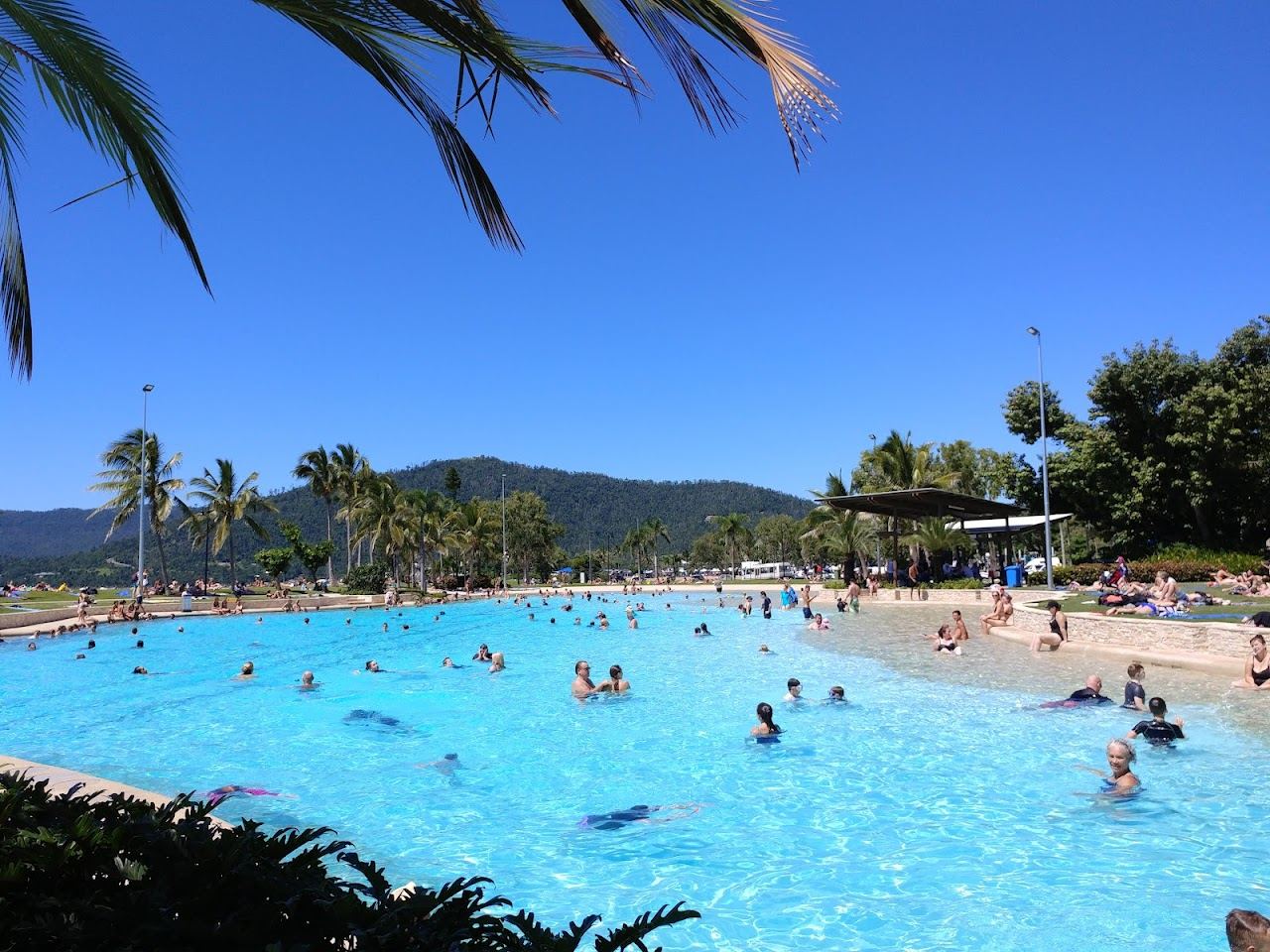
 Photo: Andy Leung via Google
When to go to the Whitsundays for the beach
Sea temperature, stinger season, crowds and weather, month by month, with the honest pick.
The verdict
- Best forBeachgoers weighing the warm but stormy summer against the dry, calm winter, and wanting to know when the reef trips run smoothest
- Top pickAugust to October, the late dry season, when the days are sunny, the winds drop, the seas are calm and the water is warming again
- One thing to knowMarine stingers are typically present in the warmer months from November to May, so the dry season is both the calmer weather window and the lower risk one for swimming off the open beaches
Published 29 January 2026. Last reviewed 27 May 2026
The Whitsundays run on a tropical two season year rather than a four season one, and once you grasp that, the timing of a trip falls into place. There is a dry season, roughly May to October, which is the prime window, and a wet season, roughly November to April, which is warmer, far more humid and prone to storms. This is the tropics, so the choice is less about temperature, which is pleasant most of the year, and more about rain, wind, the state of the sea for the boat trips, and the marine stinger season that shadows the warmer months.
The single most useful thing to understand is that the best weather and the safest swimming line up in the same season. The dry winter and early spring give you sunny skies, low humidity, lighter winds and calm, clear water for the run out to Whitehaven and the reef, and they fall outside the main stinger window. The warm summer sea is tempting on paper, but it comes with the heaviest rain, the highest humidity, the small risk of a cyclone and the stingers, so the warmest water is rarely the wisest time for a beach holiday here.
Below is the month by month picture, with the honest verdict on each. We have flagged the crowds, since the dry season school and holiday weeks fill the boats fastest, and the stinger season, since it genuinely shapes how and where you swim. The aim is simple, to help you pick the week that gives you the calm seas, the clear colours and the worry free water you came for.
Month by month at a glance
| Month | Air | Sea | Rain | Crowd | Verdict |
|---|---|---|---|---|---|
| January | Hot, around 31C | Warmest, near 29C | Wet, stormy | Australian summer break | Warm sea, but humid, stormy and stinger season |
| February | Hot, around 31C | Warmest, near 29C | Wettest | Quieter after holidays | The peak of the wet, best avoided for the beach |
| March | Warm, around 30C | Warm, near 28C | Wet, easing late | Quiet | Still humid and showery, stingers about |
| April | Warm, around 28C | Warm, near 27C | Drying out | Quiet, Easter spike | Improving, the shoulder into the dry |
| May | Mild, around 26C | Mild, near 25C | Mostly dry | Building | The dry season opens, lovely and quieter |
| June | Mild, around 24C | Cooling, near 24C | Dry | Busy, school break | Sunny, low humidity, calm seas |
| July | Mild, around 23C | Coolest, near 23C | Driest | Peak, school holidays | Clear and calm, the busiest weeks |
| August | Mild, around 24C | Cool, near 23C | Dry | Busy, easing late | One of the best months overall |
| September | Warm, around 26C | Warming, near 24C | Dry | Easing | The sweet spot, warming water, fine weather |
| October | Warm, around 28C | Warm, near 26C | Mostly dry | Quiet then building | Warm, calm, the last clear dry month |
| November | Hot, around 30C | Warm, near 27C | Storms return | Quiet | Heating up, stinger season begins |
| December | Hot, around 31C | Warm, near 28C | Wet, humid | Holidays from late month | Warm but stormy, stingers about |
When each month earns its place
May. May is the relief month, when the wet season lets go and the dry settles in. The humidity drops away, the storms thin out, and the sea begins to calm and clear for the reef trips, while the water is still mild from the summer. The crowds have not yet arrived in force, so the late May weeks are some of the loveliest and quietest of the year, a fine time to land on Whitehaven with room to breathe, even as the stinger season is only just easing.
June. June brings the proper dry season, with reliably sunny days, low humidity and calm water, and it is a thoroughly comfortable time for the beaches and the boats. The catch is the Australian school holiday period that falls across the month, which fills the boats and the resorts and pushes prices up. Book the trips ahead, and June rewards you with clear skies and easy seas, just with more company than the shoulder weeks on either side.
July. July is the heart of the dry season and the busiest month, when the weather is at its most settled, the seas at their calmest and the air pleasantly mild, cool enough at night to want a layer. The water is at its coolest for the year, near twenty three degrees, which is still fine for a swim in the winter sun. It is the peak for crowds and prices with the school holidays, so plan and book early, and you will have the region at its most reliable.
August. August is one of the best all round months in the Whitsundays. The dry weather holds, the famously light winds of late winter make for glassy crossings and clear underwater visibility, and the school holiday rush has eased after July. The sea is still on the cooler side but warming, and the days are sunny and comfortable. For calm seas, clear water and a slightly quieter coast, August is hard to fault and a favourite of the boat crews.
September. September is the connoisseur's choice. It keeps the calm seas and fine, dry weather of late winter while the water warms back up and the days lengthen, and the crowds continue to thin after the winter peak. The visibility on the reef is often excellent, the colours at Hill Inlet sing in the clear light, and the swimming is comfortable. For the best balance of weather, water and space, September is our pick of the year for a Whitsundays beach holiday.
October. October is the last clear month before the season turns, warm and largely dry with calm seas and the water comfortably warm again. It is a gentle, underrated window, often quieter than the winter peak before the holiday season builds late in the month, and the stinger season has not yet ramped up in earnest. Come now for warm water and fine weather, but watch the forecast as the first storms of the coming wet can appear toward the end.
Get the Whitsundays beach calendar
Independent and honest · 1,340 beaches ranked across 103 destinations · We answer to no resort
Before you go
What is the best month to visit the Whitsundays?
August to October is the sweet spot. These late dry season months bring warm sunny days, low humidity, the lightest winds of the year and calm, clear seas for the reef and island trips, with the water warming again after the cooler middle of winter. September in particular pairs fine weather with slightly easing crowds after the July school break, which makes it our pick for a beach and reef holiday.
When is the sea warmest in the Whitsundays?
The water is warmest in the wet season summer, from December to February, when it sits around twenty eight to twenty nine degrees. The trade off is that this is also the most humid, stormy stretch and the heart of the marine stinger season. The sea cools to its lowest in July and August, near twenty three degrees, which is still comfortable for most swimmers in the dry season sun.
What is the stinger season in the Whitsundays?
Marine stingers, including box jellyfish and the tiny Irukandji, are typically present in the warmer months from around November to May, when a full stinger suit is advised for swimming off the open beaches and the wild island sand. The dry season from June to October is the lower risk window. Always follow current local advice and signage, since timing varies year to year, and use the netted Airlie Beach lagoon for a worry free swim.
When is the cheapest time to visit the Whitsundays?
The wet season from late November to March is the quietest and generally cheapest, but it is humid and stormy with stingers about, so it is a gamble for a beach trip. For better value with reliable weather, look at the shoulder weeks of late May, June and early November, on the edges of the dry season, when the days are fine and the boats and resorts are a little less booked than the July to September peak.
Does it rain a lot in the Whitsundays?
It is highly seasonal. The wet season from November to April brings the bulk of the year's rain, often in heavy afternoon storms, along with high humidity and the small chance of a tropical cyclone. The dry season from May to October is reliably sunny with low rainfall, which is exactly why it is the prime window for the beaches and the reef. Plan a beach trip for the dry months for the best odds of clear skies.