Coral Beach
Best for. Travellers without a boat who want a free taste of the Whitsundays coast, a calm rainforest walk and low tide reef exploring rather than a swim.
Best spot. The short climb on to the Beak lookout for the panorama over the Whitsunday Passage, and the reef flat at the northern end on a falling tide.
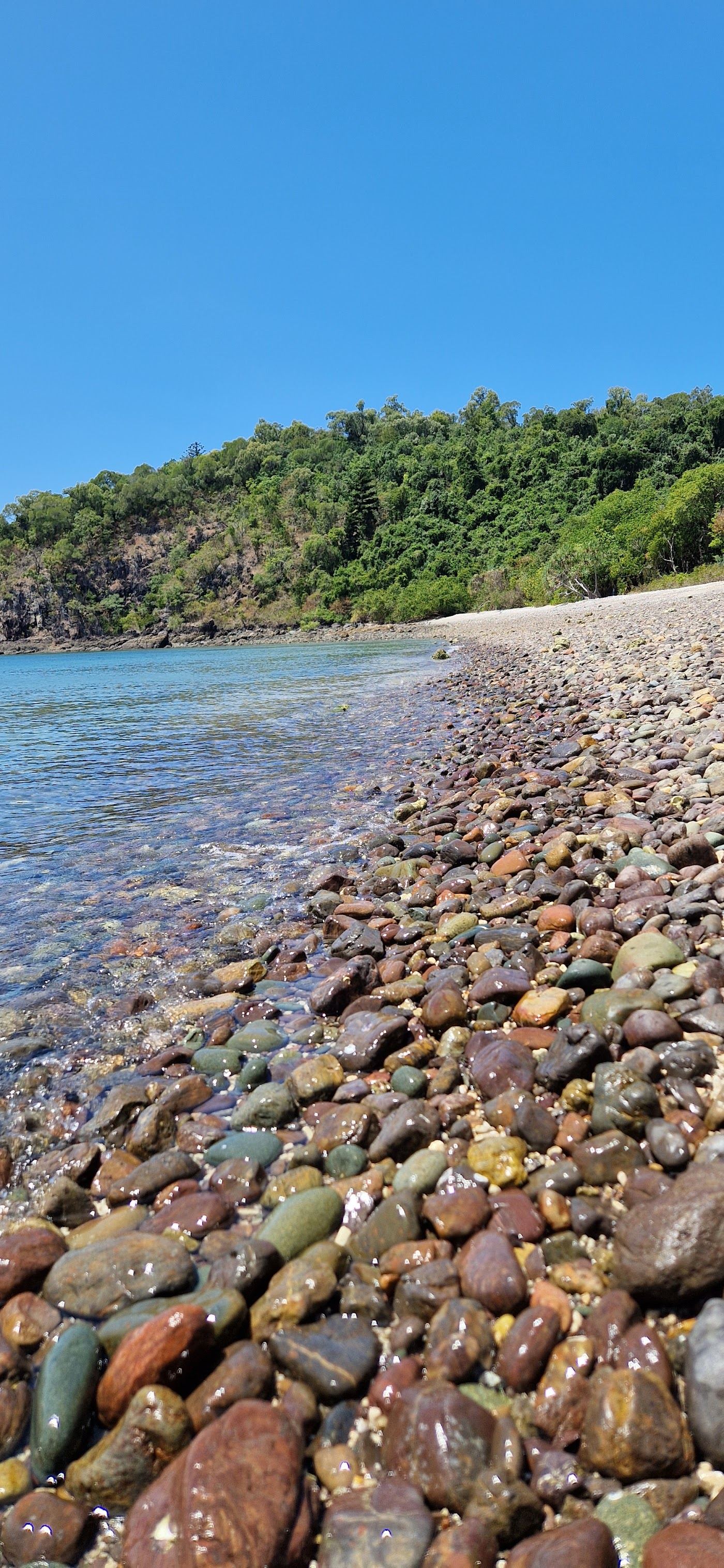
Know this. This is a coral rubble shore, not soft sand, and the water pulls back at low tide, so come for the walk and the view and wear shoes for the coral.
Coral Beach is the one beach in the Whitsundays you can simply drive to, and that is its quiet appeal. Almost every famous shore here, Whitehaven, Chalkies, the bays of Hook and Border, sits offshore and asks for a boat, a seaplane or a tour. Coral Beach sits on the mainland inside Conway National Park, a fifteen minute drive from Airlie Beach to a small car park at the end of Shute Harbour Road, then an easy walk of about 1.1 kilometres through proper rainforest to the shore. For a traveller without a charter, or with a free morning between island trips, it is the most painless way to stand on a Whitsundays beach and look out over the Passage to the islands.
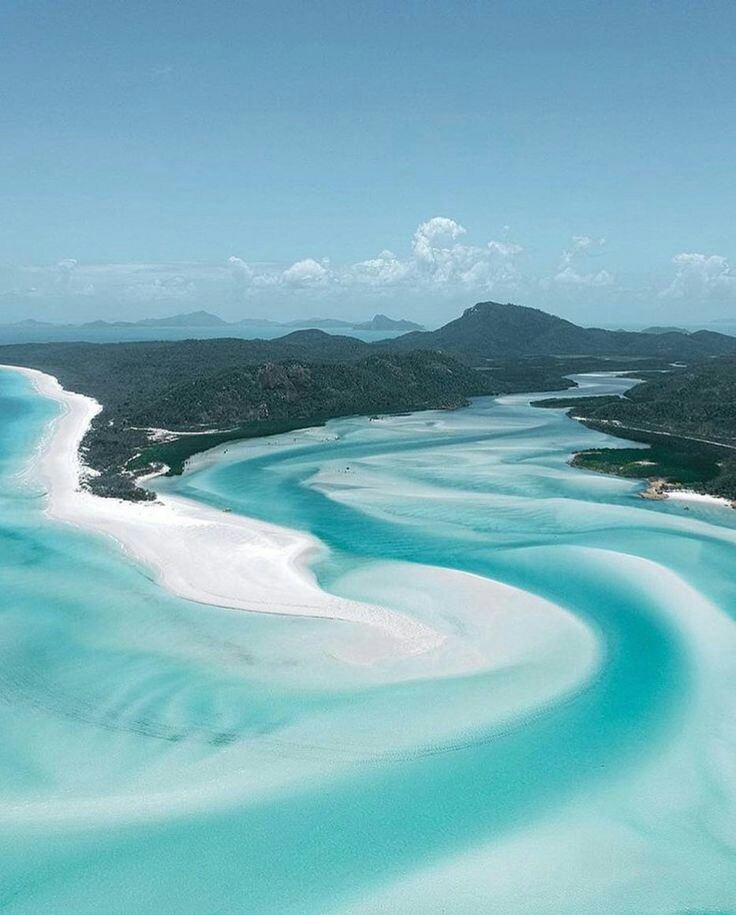
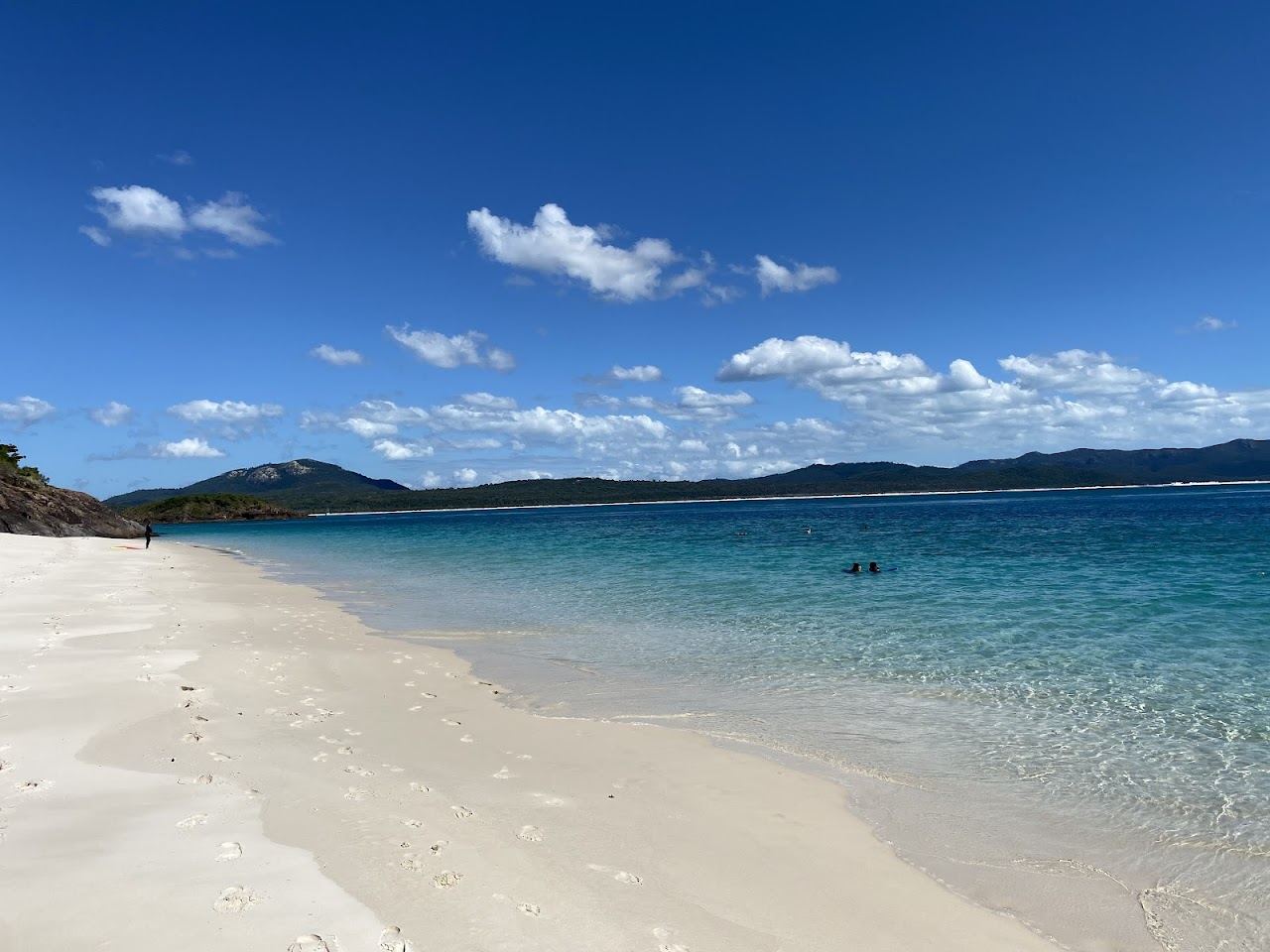
The honest part is what waits at the end of the walk. This is a coral beach in the literal sense, a foreshore of broken coral and shingle rather than the squeaking silica sand the region is sold on, and the water pulls back over a shallow reef flat at low tide. Arrive expecting a Whitehaven style swim and lounge and you will be underwhelmed. Arrive for what it actually is, a quiet shore for a rainforest walk, low tide reef pottering and a long view, and it delivers. The real reward is the short climb on to the Beak, the headland track at the northern end, which opens a panorama over the Whitsunday Passage and the islands beyond that is worth the whole outing on its own.
So treat Coral Beach as a half day on foot rather than a beach day. Time it for a falling or low tide so the reef flat is exposed and the foreshore is easiest to explore, wear shoes that can take the coral, and carry water and sun cover since there is nothing on the sand and no lifeguard. Go in the dry season for the settled weather and start early to beat the heat on the track and catch the softer light over the water. Get the tide and the timing right and this modest, free, road reachable shore gives you something the boat beaches cannot, the Whitsundays on your own two feet.
No club, just the walk
Coral Beach is national park with nothing built on the sand, and we never invent a venue. The serviced beach club scene of the Whitsundays sits elsewhere, so we base you where the comfort is.
There is no beach club at Coral Beach and there should not be, since it lies inside Conway National Park with nothing built on the shore. We do not invent venues, prices or opening hours, so we are honest that this is a walk to a wild beach and the comfort comes from how you plan the day rather than from a daybed and a bar. What this beach gives you for free is a rainforest track, a quiet foreshore and one of the better mainland views over the islands. For the serviced side of a Whitsundays trip, the easy resort sand and the booked base, you look to Hamilton Island and the bays nearer the marinas, which our Whitsundays beach clubs guide covers in full. Tell us your dates and party size and we will arrange the base or the charter that suits, then leave Coral Beach as the morning you do on your own two feet.
Conway, by road and on foot
Coral Beach is reached by road, not by boat, which sets it apart in the Whitsundays. Drive about fifteen minutes southeast from Airlie Beach along Shute Harbour Road to the trailhead car park near Shute Harbour, then follow the marked track about 1.1 kilometres through Conway rainforest to the shore. From the beach a short headland track climbs to the Beak lookout for the view over the Passage.
Time your visit for a falling or low tide so the reef flat is exposed and the foreshore is easiest to explore, and start early to beat the midday heat on the walk. Wear shoes that can handle the coral, carry water and sun cover since nothing is sold on the sand, and there is no lifeguard, so judge the sea and the tide yourself. Conditions are typical rather than guaranteed.
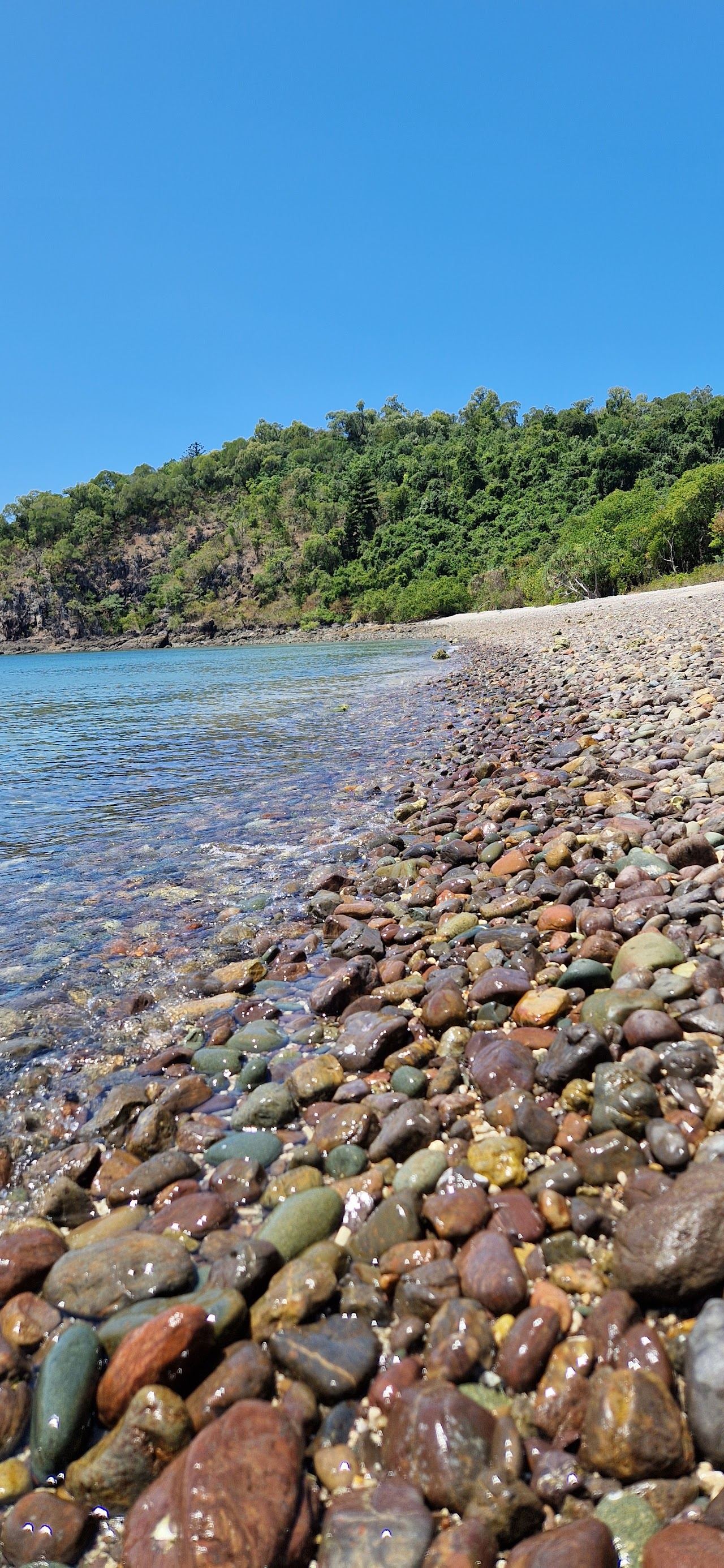 Photo: Sara Veronesi via Google
Not ready to book?
Keep the good shorelines coming. Shore Notes is our occasional letter on the best beaches and the clubs worth your day, sent straight to your inbox. One field, unsubscribe any time.
Book a beach club
Tell us your dates and party size and we will arrange the Whitsundays base or charter that suits, with the serviced beaches near Hamilton Island and Airlie Beach. We reply by email.
Independent and honest · 1,340 beaches ranked across 103 destinations · We answer to no resort
We are an independent editorial resource. Booking requests are passed to clubs and operators, and some may earn us a commission at no cost to you. Prices, availability and opening status are set by the venue and are to be confirmed at the time of booking.
Common questions about Coral Beach
Where is Coral Beach in the Whitsundays?
Coral Beach sits in Conway National Park on the mainland, near Shute Harbour and about a fifteen minute drive southeast of Airlie Beach. Unlike most Whitsundays beaches it is reached by road and then a short rainforest walk rather than by boat, which makes it the easiest shore in the region to visit without a charter. A small car park marks the trailhead at the end of Shute Harbour Road.
Can you swim at Coral Beach?
Not in the way you swim at Whitehaven. Coral Beach is a coral rubble shore rather than soft sand, and the water draws back over a shallow reef flat at low tide, so it suits wading and exploring more than a proper swim. Come for the walk, the reef flat and the island views, wear shoes for the coral, and treat any swim as a wade. There is no lifeguard, so judge the sea yourself.
How long is the Coral Beach walk?
The track from the car park to the beach runs about 1.1 kilometres each way through Conway rainforest, an easy walk of roughly twenty to thirty minutes. From the beach a short extra track climbs to the Beak lookout for a panorama over the Whitsunday Passage, which adds up to a return walk of close to four kilometres if you take it all in. Carry water and sun cover.
Is Coral Beach worth visiting?
Yes, for the right reasons. It is the rare Whitsundays beach you can reach for free without a boat, and the rainforest walk, the low tide reef flat and the view from the Beak make a genuinely good half day. It is not the place for a sunbathing afternoon on silica sand, so set your expectations on a walk and a view rather than a swim and you will not be disappointed.
When is the best time to visit Coral Beach?
The dry season from June to October brings the clearest, most settled weather, and a low tide is what reveals the reef flat and makes the foreshore easiest to explore. An early start beats the midday heat on the walk and gives the softest light over the islands. Check the tide times before you go, since a high tide covers the reef flat and a very low one exposes more of the coral.