 Photo: Federica G. via Google
The Best Beaches
on the Tuscany Coast
Chic Versilia bagni and the wild coves of the Maremma, ranked honestly with the lunch in mind.
The verdict
- Best forTravellers who want to pair a Tuscan beach day with great food, choosing between the polished bagni of Versilia and the pine backed coves of the Maremma
- Single best spotCala Violina in the Maremma for the natural beauty, with Forte dei Marmi in Versilia for the chic resort version of the coast
- One thing to knowVersilia is mostly paid private beach with ordinary water, so for the loveliest sand and clearest sea drive south into the Maremma
Published 31 March 2026. Last reviewed 3 June 2026
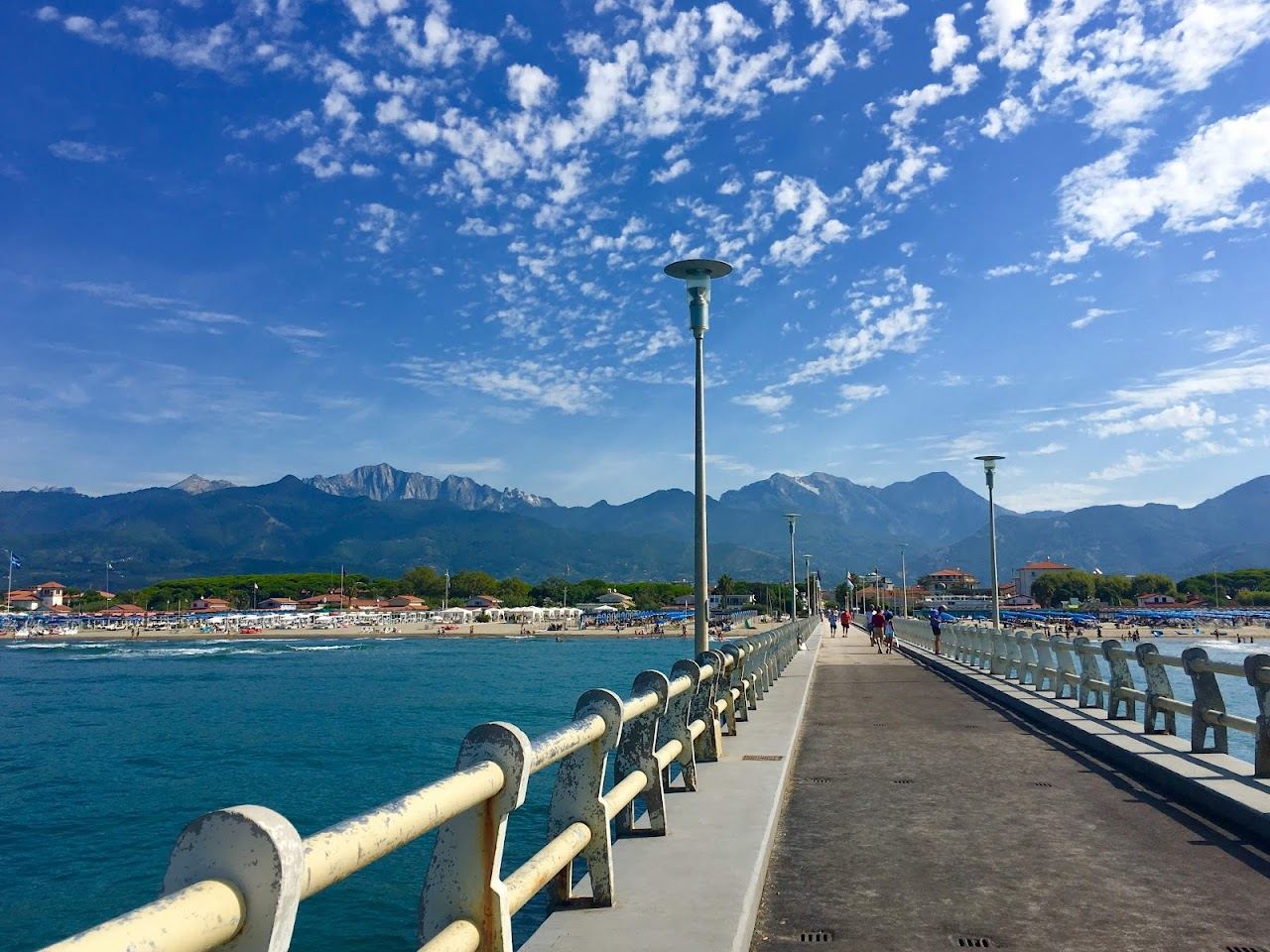
The Tuscany coast is really two coasts wearing one name, and knowing the difference is the whole game. In the north sits Versilia, a long flat ribbon of golden sand from Marina di Carrara down through Forte dei Marmi and Viareggio, backed by the marble white Apuan Alps and lined almost without a gap by the bagni, the private beach clubs with their neat rows of umbrellas. This is the coast of la bella vita, of elegant promenades, famous markets and seafront caffe culture, where the beach is a social ritual as much as a swim. Further south the land loosens into the Maremma, a wilder country of pinewoods, coves and nature reserves around Grosseto and Monte Argentario, where the sand is free, the water clearer and the cooking heartier.
The honest read is that you come to Versilia for the scene and the towns, and to the Maremma for the beaches themselves. The Versilia water is unremarkable and almost every metre of its sand is paid private, which catches out travellers expecting clear Italian sea and open shore. The reward up here is the lunch, the shopping and the style, not the swim. Drive an hour or two south and the coast comes alive again at coves like Cala Violina and Cala del Gesso, on the long pine fringed beaches of Baratti and Feniglia, and in the wild Maremma park at Marina di Alberese. A culture wanderer reads this coast village by village and plate by plate, and below we rank the beaches that justify the trip, honest about which are scene and which are substance.
Ranked, not listed
Scored on the sand, the water, the setting and the food within reach. Honest verdicts, the scene flagged.
Cala Violina
The crown jewel of the Maremma, a small curve of fine pale sand and clear water tucked inside a protected pinewood reserve between Follonica and Punta Ala, named for the violin note the sand sings underfoot. Reached on foot through the pines, it runs a paid timed entry in high summer to cap the crowds, to be confirmed before you go. The most beautiful swim on the coast.
Forte dei Marmi
The most elegant resort on the coast, a wide soft beach lined with century old bagni below the Apuan Alps, where seaside society has summered since the 1960s. The water is ordinary and the sand almost all paid private, but the famous Wednesday market, the pinewood and the smart dinners make it a day about style and the table as much as the sea.
Cala del Gesso
A small pebble and sand cove on the wild flank of Monte Argentario, looking out to the islet of Argentarola across opal shallows thick with marine life. Reached by a steep path down through the scrub, it is quieter and more dramatic than the big sandy beaches, a place for a swim and a snorkel followed by fresh fish in the Argentario ports of Porto Ercole or Porto Santo Stefano.
Baratti
A graceful crescent on the Etruscan gulf near Populonia, fringed by pines and backed by an archaeological park of Etruscan tombs, the iron dark sand a clue to the metal once worked here. Calm and shallow and good for families, it pairs an easy swim with ancient history and the inland Val di Cornia wines for a fuller day than a beach alone.
Punta Ala
The smart end of the Maremma, a long beach of fine golden sand and clear turquoise water backed by pine and an exclusive marina, with a polished, slightly Versilia air to it. A mix of bagni and free sand, more refined than wild, it suits a comfortable day in the sun with good seafood and a yacht harbour stroll close at hand.
Feniglia
A great seven kilometre sweep of dune and pine sand on the tombolo that ties Monte Argentario to the mainland, a protected nature reserve where you can walk or cycle the pinewood and find your own quiet patch of shore. Wild, broad and free, with the lagoon of Orbetello and its famous bottarga and eel just behind for a memorable lunch.
Castiglione della Pescaia
One of the prettiest seaside towns in the Maremma, a fishing harbour and medieval hilltop above a long sandy beach of bagni and free stretches, easy and family friendly. The town behind the sand is the draw, with a working port, good fish restaurants and a relaxed Tuscan resort feel that is busy but never brash. A reliable all round beach day.
Marina di Alberese
The wild heart of the coast, a long beach of pale sand and bleached driftwood inside the Maremma Regional Park, reached through pinewood where deer and wild boar roam and access is capped to protect the reserve. No bagni, little shade and few facilities, just nature on a grand scale. Bring everything, and eat afterwards in Alberese or Grosseto on Maremman boar and acquacotta.
Who it suits, who should skip
Be honest with yourself about which holiday you want, because Versilia and the Maremma reward opposite tastes. If you love a polished resort ritual, a lounger in a smart bagno, an aperitivo on an elegant promenade and a famous market to browse, Versilia is made for you and the plain water will not matter. But if you came for clear Italian sea, open natural sand and a cove you reach through the pines, Versilia will disappoint and you should point the car south. The single most common mistake here is booking Forte dei Marmi or Viareggio expecting beach beauty, then finding row after row of paid umbrellas and a flat brown sea.
Logistics shape the good version of the Maremma. The finest coves, Cala Violina, Cala del Gesso and the park beach at Marina di Alberese, take a walk through pinewood and have few or no facilities, and the flagship reserves now cap daily numbers with paid timed entry in summer, which must be checked and often booked ahead. That cap is a blessing, keeping these beaches calm and clean, but it punishes the traveller who turns up on spec in August. Plan the reserve beaches in advance, carry water and shade, and keep an easy town beach like Castiglione della Pescaia in reserve for the days you want facilities. Conditions are typical and never guaranteed, and this coast rewards a flexible plan.
A beach day is also a long lunch
This is Tuscany, so the table is never an afterthought, and the coast splits its cooking the same way it splits its beaches. In Versilia the kitchens turn to the sea, with just landed fish, spaghetti alle vongole, fritto misto and the warm chickpea focaccia of the region, eaten on a bagno terrace or in the trattorias behind the promenade. Viareggio adds its grand caffe culture, a town built for the slow seafront passeggiata, a gelato and a long coffee under the Liberty domes. The Forte dei Marmi market draws shoppers from across Tuscany, and the dinners here lean smart and seafood led.
The Maremma cooks from the land as much as the sea. This is cowboy country, the home of the butteri herdsmen, so the inland plates are hearty, wild boar ragu, the humble bread and vegetable soup acquacotta, pici pasta and pecorino, washed down with the local Morellino di Scansano red. On the coast and around the Orbetello lagoon you also get superb seafood, the prized grey mullet bottarga and smoked eel among them. The way to travel this coast is to let the region set the menu, sea facing and refined in Versilia, earthy and wine soaked in the Maremma, with the beach and the lunch always parts of the same unhurried day.
The best months on the Tuscany coast
The Tuscany coast follows the Italian rhythm. August is the national holiday peak, when the bagni fill, the Maremma reserves cap out and prices climb, lively but crowded. June and September are the sweet spot, with warm water, long evenings and far easier crowds, and the Maremma coves at their best. May and early October suit the towns, the markets and the food more than the swim, the sea still cool in spring and cooling in autumn. For the quiet, clear Maremma at its loveliest, travel either side of the August crush.
Where to book a daybed
The Tuscany coast is the home of the bagno, the Italian beach club, and nowhere does it more seriously than Versilia. In Forte dei Marmi and along the Versilia sand the bagni are institutions, some over a century old, with rows of loungers, cabins, a restaurant and often a pool, and the smartest spots are booked months ahead and passed down through families. Further south the Maremma keeps more free sand but still has good bagni in Punta Ala, Castiglione della Pescaia and Marina di Grosseto. Our directory keeps an honest note of where you can reserve a lounger and a table and where the beach is simply free, so you can match the day to the mood.
Book a beach club on the Tuscany coast
Independent and honest · 1,340 beaches ranked across 103 destinations · We answer to no resort
Before you go
Which is the best beach on the Tuscany coast?
For natural beauty it is Cala Violina in the Maremma, a small bay of fine pale sand and clear water set in a protected pinewood reserve, famous for sand that squeaks like a violin underfoot. For the chic resort experience it is Forte dei Marmi in Versilia, all elegant bagni and a famous market. The two are different holidays, the wild cove and the polished resort, so choose by what you want from the day.
What is the difference between Versilia and the Maremma?
Versilia in the north is the long flat sandy coast of Forte dei Marmi, Viareggio and Pietrasanta, backed by the Apuan Alps and lined almost end to end with private bagni and elegant towns. The Maremma further south is wilder, a coast of pine backed beaches, coves and nature reserves around Grosseto and Monte Argentario. Versilia is scene and service, the Maremma is nature and space.
Are the Tuscany coast beaches free or do you pay?
Both, depending where you go. The Versilia beaches are dominated by private bagni where you pay for a row of loungers and an umbrella, with only narrow free stretches between them. The Maremma has far more free public sand, though flagship coves like Cala Violina now run a paid timed entry in high summer to protect the reserve. Always check the current arrangement before you travel, as it changes by beach and season.
Is the Tuscany coast good for families?
Yes, particularly the Versilia beaches, where the sand is soft, the water shelves gently and the bagni come with showers, loungers, snack bars and play areas. Marina di Grosseto and Castiglione della Pescaia in the Maremma also suit families well. The wilder Maremma coves involve a walk through the pines and have fewer facilities, so weigh easy logistics against natural beauty.
When is the best time to visit the Tuscany coast?
June and September are the sweet spot, with warm water, long evenings and lighter crowds than the Italian holiday peak of August, when the coast and the bagni fill and prices climb. May and early October suit the towns and the food more than swimming, the sea still cool or cooling. The Maremma reserves are quietest and loveliest outside the August crush.
Is the Tuscany coast good for food?
It is one of the great pleasures of the region. Versilia does fresh fish, focaccia and the seafront caffe culture of Viareggio, while the Maremma cooks heartier inland food, wild boar, the bread and vegetable soup acquacotta, and pours the Morellino di Scansano red. A Tuscany coast beach day pairs a morning swim with a long lunch as a matter of course.