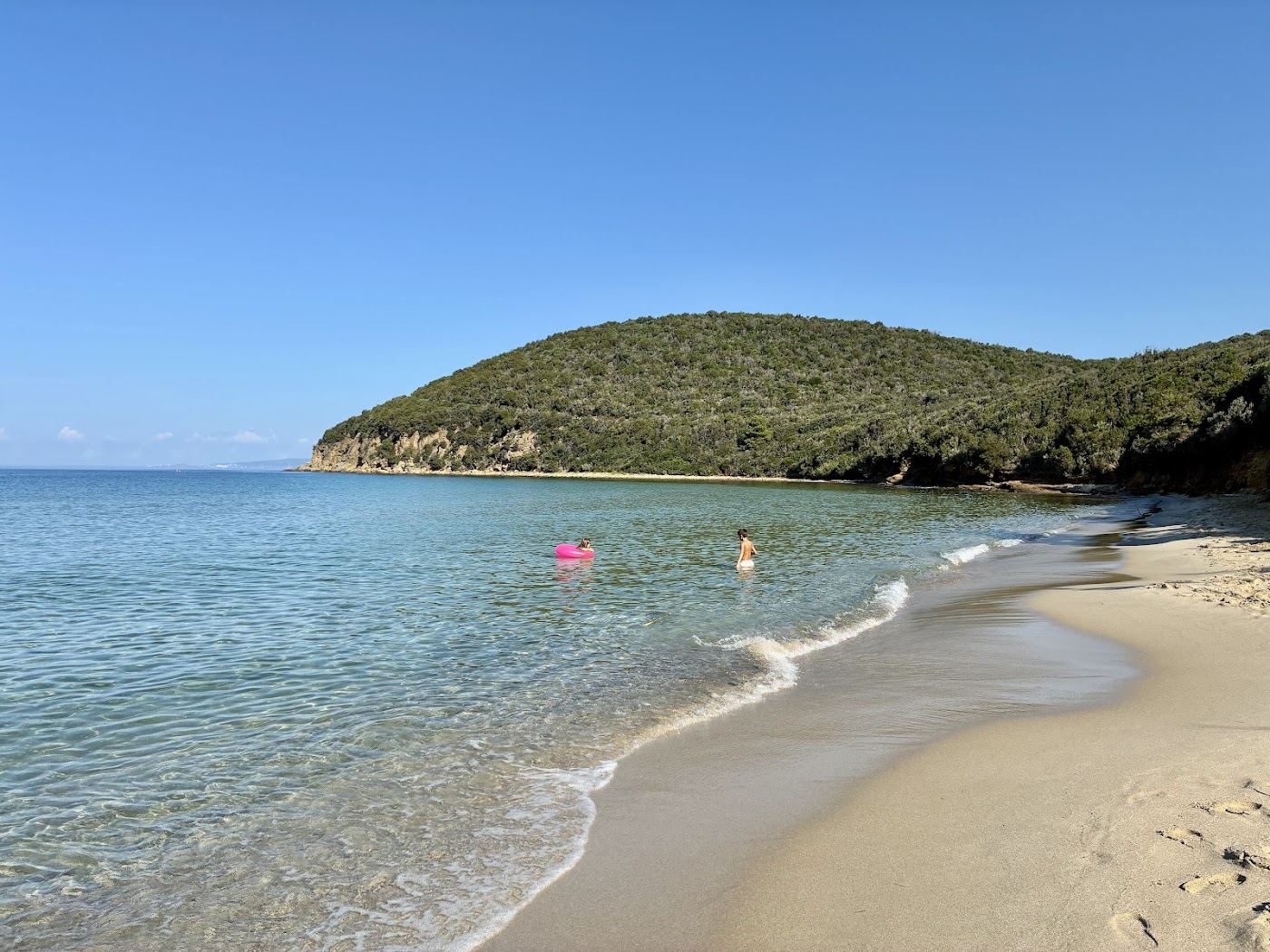
 Photo: Alessandro Lattuada via Google
The Best Beaches for Snorkelling on the Tuscany Coast
Where the rocky coves hold the fish, and the long sand does not.
The verdict
- Best forSnorkellers who will trade a sun lounger on the Versilia for a walk down to a rocky Maremma cove with clear water, seagrass and fish among the stones.
- Top pickCala del Gesso on Monte Argentario for the clearest, most rewarding shore snorkel, with Cala Violina near Punta Ala the loveliest pine backed runner up.
- SkipSnorkelling the long Versilia sand at Forte dei Marmi or Viareggio expecting fish. It is made for a gentle swim and a lounger. Drive south to the rock of the Maremma and Argentario instead.
Published 23 February 2026. Last reviewed 9 May 2026
Let us be honest about the Tuscan shore before you pick a beach, because the coast that fills the postcards is the wrong one for a mask. The Versilia, the long fashionable ribbon of sand from Forte dei Marmi through Marina di Pietrasanta to Viareggio, is a gentle, shallow, sandy floored sea that is glorious for a family swim and almost empty beneath the surface. A sandy bottom gives fish nothing to gather around, so snorkel there and you will drift over clean, pale, lifeless sand and wonder where the Mediterranean went.
It went south, to the rock. Where the coast breaks into headland and cove, in the Maremma and above all around Monte Argentario, the water clears and the fish appear, because rock and seagrass give them somewhere to live. Cala del Gesso, a small pebbly cove reached on foot below the Argentario cliffs, is the finest shore snorkel on this coast, clear water over stone and posidonia where sea bream and wrasse work the edges. It rewards the walk in a way no stretch of Versilia sand ever will.
The pine backed coves near Punta Ala are the other half of the story. Cala Violina, named for the way the fine sand sings underfoot, is a protected inlet of clear water with rocky ends, and its quieter neighbour Cala Martina offers the same clean sea with fewer people. These Maremma coves are gentler and easier than the Argentario cliffs, which makes them the sweet spot for most snorkellers, beautiful, sheltered and alive where rock meets the seagrass.
Wherever you go, tread lightly, because the life here shelters in slow growing posidonia meadows that never recover if you stand on or tear at them. Take nothing from the rocks, wear something on your feet for the pebbly entries, pick a calm summer morning for the clarity, and remember the island of Elba offshore is a snorkelling world of its own if you want more. We have ranked the six best below, the rocky, clear water coves first and the gentler sandy options honestly at the end.
The best snorkelling beaches on the Tuscany Coast
Rocky coves first, the sandy options last.
Cala del Gesso
The finest shore snorkel on the coast, a small pebbly cove below the Argentario cliffs reached by a walk down through the scrub. The water runs clear over rock and posidonia seagrass, and the structure gathers sea bream, wrasse and the occasional octopus for a patient snorkeller. It is small and can be busy in high summer, so come early with reef shoes and leave the rocks as you found them.
Cala Violina
A protected pine backed cove named for the fine sand that sings underfoot, with clear, sheltered water and rocky ends that hold fish. It is a nature reserve reached on foot or by bike, which keeps it calm and clean, and the mix of soft sand and rocky margin makes it the loveliest all round snorkel on this coast. Numbers are limited in peak season, so check access and go early.
Cala Martina
The quieter neighbour of Cala Violina, a rocky little cove tucked into the same protected stretch of the Maremma coast, with clean water and far fewer people. The entry is over rock and pebble rather than soft sand, which is exactly why the fish are here, and the seclusion makes for a peaceful float. One for snorkellers happy to walk a little further for calm and clarity.
Punta Ala
A smart resort promontory of pine woods and clear water, where the sandy main beach gives way to rockier margins around the headland and marina that reward a snorkel. It is more polished and serviced than the wild Maremma coves, with the clean sea and the rocky edges holding modest life near the structure. Snorkel toward the rock and the headland rather than the open sand for the best of it.
Baratti
A gentle, curving gulf backed by pines and Etruscan history, with shallow, calm water that is more about the swim and the setting than the marine life. The floor is largely sand and seagrass, so the snorkelling is quiet, but the meadows shelter some life and the rocky Populonia headland at the northern end holds a little more. A beautiful, easy beach where a mask is a mild bonus rather than the point.
Marina di Alberese
A wild, protected beach inside the Maremma park, famous for its driftwood, dunes and sense of untamed nature rather than for snorkelling. The water is clean but the floor is mostly open sand, so it is included honestly for the scenery and the swim more than the fish. Come for the wildness and the walk, and save the mask for the rocky coves to the north and around the Argentario.
Where the fish actually are in Tuscany
The honest read is that the Tuscan coast keeps its best swimming and its best snorkelling in different places, and the famous names belong to the swimmers. The Versilia sand is a wonderful, gentle sea for a family and a lounger, and it is empty to a mask because it is all soft floor and no structure. The fish live south of the fashionable beaches, in the rock and seagrass of the Maremma and Monte Argentario, and that is where a snorkeller should point the car.
For most travellers the sweet spot is the Punta Ala coves. Cala Violina and Cala Martina give clear, sheltered water with rocky ends and an easy, beautiful setting inside a nature reserve, which makes them the friendliest rewarding snorkel on the coast. When you want the best of all, make the effort for Cala del Gesso on the Argentario, where the walk down leads to the clearest water and the most life, and keep Baratti and the Maremma beaches for the days you want the swim and the scenery more than the sea floor.
Timing and care make the difference. A calm summer morning before the wind and the boats gives the clearest water, reef shoes protect your feet on the pebbly and rocky entries, and the richest life clings to the posidonia seagrass that you must never stand on or tear at. Treat the sea as typical rather than guaranteed, read the day before you go in, and if you truly want a snorkelling world, the island of Elba offshore is the coast's great secret and worth a trip of its own.
Beach clubs and a base for the day
The best snorkelling coves are wild, simple places, so many travellers pair a morning over the rocks with a comfortable base on the sand for the afternoon. The beach clubs and bagni of the Versilia and the Maremma rent loungers, shade and a kitchen behind calm water, which makes an easy spot to dry off and eat between swims. Operators, opening hours and any minimum spend vary with the season here, so we keep the live list on the directory. Tell us your dates and the kind of day you want and we pass the enquiry on to confirm what is open.
Book a beach club on the Tuscany Coast
Independent and honest · 1,340 beaches ranked across 103 destinations · We answer to no resort
Before you go
Is the Tuscany Coast good for snorkelling?
In the right places, yes, and in the famous ones, no. The long sandy beaches of the Versilia, from Forte dei Marmi to Viareggio, are shallow and sandy floored with little to see, but the rocky coves of Monte Argentario and the pine backed inlets near Punta Ala have clear water and structure that hold fish. Snorkel where the coast turns to rock and headland, not where it runs to flat open sand, and Tuscany rewards a mask.
Where is the best snorkelling on the Tuscany Coast?
Cala del Gesso on Monte Argentario is the finest, a small rocky cove reached on foot with clear water over stone and seagrass where sea bream and wrasse gather. Cala Violina and Cala Martina near Punta Ala are the next best, pine backed coves with clean water and rocky ends. These rocky, sheltered spots beat the long Versilia sand for marine life every time.
What will I see snorkelling in Tuscany?
Around the rocks and seagrass of the Argentario and Maremma coves you can expect Mediterranean sea bream, wrasse, damselfish, sand smelt and the occasional octopus or moray in a crevice, with sea urchins on the stones. The richest life gathers where rock meets the posidonia seagrass meadows. It is a clear water, gentle snorkel rather than a coral reef, best on a calm summer morning.
Can you snorkel at Forte dei Marmi or Viareggio?
You can swim beautifully there, but there is very little to snorkel. The Versilia beaches are long stretches of soft sand shelving gently into shallow water, which is wonderful for families and sunbathing and almost empty beneath the surface because there is no structure for fish. For snorkelling, drive south to the rocky coves of the Maremma and Monte Argentario where the clear water and rock do the work.
Do I need a boat to snorkel on the Tuscany Coast?
No, the best coves are reached on foot, though some involve a walk down through pine and rock, so wear something on your feet. A boat opens up the wilder Argentario cliffs and the clearer water off the headlands if you want more, and the island of Elba offshore is a snorkelling world of its own. Stay close to shore, keep clear of boat lanes, and treat conditions as typical rather than guaranteed.