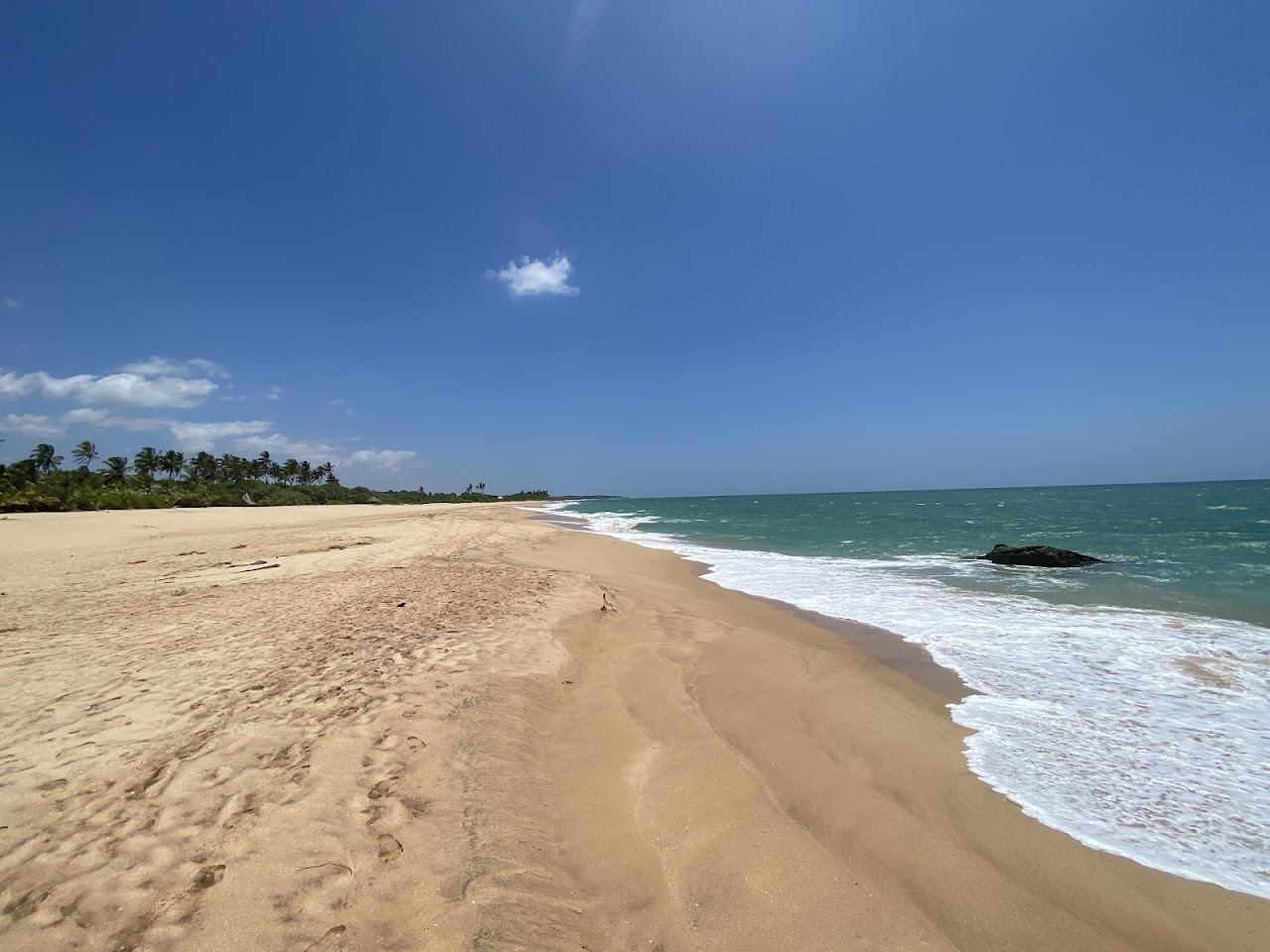
 Photo: Stefan Stender via Google
The whitest sand beaches on the Sri Lanka south coast
Wild dune backed pale sand and turtle coves east of the crowds, ranked nature first.
The verdict
- Best forTravellers who want wild, pale, empty sand and turtle coves over the busy famous bays
- Top pickMarakolliya for kilometres of pale dune backed sand with barely a footprint near Tangalle
- One thing to knowThe palest, emptiest sand is east around Tangalle and Rekawa, not at busy eroded Unawatuna where the famous name now outshines the beach
Published 31 March 2026. Last reviewed 17 April 2026
The south coast of Sri Lanka has genuinely pale, soft, golden white sand, fringed by coconut palms and warmed by an Indian Ocean that actually invites you in, which already puts it ahead of the colder and greyer entries in this guide. But the famous names are not the whitest, and the honest traveller should know that the most photographed bays are also the most eroded and the most crowded.
The palest, cleanest, wildest sand lies east, around Tangalle and beyond, where long dune backed strands run for kilometres with barely a footprint and turtles still haul ashore to nest at night. We have ranked the beaches below for pale soft sand and wild, natural surroundings rather than for cafe culture or surf fame, and we have leaned firmly east toward the quiet stretches the day trippers never reach.
If you want the short version, go east of the surf towns. Marakolliya gives you kilometres of pale dune backed sand to yourself, Talalla a perfect quiet crescent, and Rekawa a wild turtle nesting beach where you can watch the night hatch under guidance. Lovely as it looks in photos, the famous bay at Unawatuna is now narrow, busy and eroded, so let it go and head for the wild east.
The palest sand in Sri Lanka South Coast
Genuine soft pale sand first.
Marakolliya
Kilometres of pale, soft, dune backed sand east of Tangalle, lined with palms and lagoon rather than cafes, and empty enough that you can walk for an hour and meet almost no one. The sand is light and fine, the surroundings are wild, and the lack of any strip keeps it pristine. This is the soft sand of the slow traveller, the wildest and palest on the whole south coast.
Talalla
A near perfect crescent of pale sand curving between two headlands, palm fringed, calm and gloriously undeveloped, with just a few small places set back from the beach. The sand is soft and light, the bay is gentle, and the quiet is the whole point. For a pale sand cove with nothing to do but swim, walk and watch the fishermen, Talalla is the south coast at its most serene.
Rekawa
A wild, broad sweep of pale sand best known as a protected turtle nesting beach, where five species of sea turtle come ashore at night to lay under the eyes of a conservation project. The sand is pale and natural, the surroundings are undeveloped, and the night turtle watch is one of the great gentle wildlife encounters on the island. Come for the nature, tread lightly, and the pale sand is a bonus.
Tangalle
A series of pale sand coves around a working fishing harbour, calmer and quieter than the surf towns to the west, with soft light sand and a relaxed, untouristed feel. Some stretches are open to swell and some are sheltered, so it pays to pick your cove, but the pale sand and the lack of crowds make this an easy, natural base for exploring the wild east.
Hiriketiya
A small, almost circular horseshoe bay of pale soft sand, sheltered by headlands and beloved of surfers and slow travellers alike. It is busier and more developed than the wild east, with cafes around the rim, but the sand is genuinely pale and soft and the protected shape keeps the water gentle. The pick if you want pale sand with a little life around it rather than total solitude.
The honest read on white sand
The honest read on the south coast is about which way to turn out of the surf towns. West, around Unawatuna, the famous bay that launched a thousand photos is now narrow, busy and visibly eroded, with the sand squeezed and the water crowded with boats, so the name now outshines the beach. Pretty in a wide shot, disappointing underfoot, and not where the pale sand lives.
East is the answer. Beyond Tangalle the coast opens into long dune backed strands and quiet crescents where the sand stays pale, soft and clean because so few people walk it. This is also the wild heart of the coast, with Rekawa a protected turtle nesting beach, lagoons and mangroves behind the dunes, monkeys in the palms and birdlife along the shore, so the slow traveller is rewarded with nature as well as solitude.
A few honest cautions. The south coast has real surf and currents, and the open dune backed beaches can have strong rips that make swimming unwise on a big day, while sheltered crescents like Talalla and Hiriketiya are gentler. Lifeguards are not present on most quiet stretches and conditions are typical rather than guaranteed. The season matters too, with the south coast at its best roughly November to April. Watch the surf, keep clear of marked turtle nesting zones at night except on a guided watch, and the wild east will give you the palest sand on the island.
A base near the wild sand
The south coast does its beach life from small cafes, guesthouses and surf shacks rather than grand beach clubs, and the wild east keeps it especially simple with little more than a palm and a cool drink set back from the sand. The few smarter setups sit nearer the surf towns. We never invent a venue, a minimum spend or an opening status, so anything unconfirmed is marked to be confirmed. Browse the directory and send one enquiry to check what is open and bookable.
Book a beach club in Sri Lanka South Coast
Independent and honest · 1,340 beaches ranked across 103 destinations · We answer to no resort
Before you go
Where is the whitest sand on the Sri Lanka south coast?
The palest, softest, emptiest sand is east around Tangalle, with Marakolliya the standout for kilometres of dune backed pale sand and Talalla for a perfect quiet crescent. Rekawa adds a wild turtle nesting beach nearby. The famous bays further west are busier and more eroded, so head east for the lightest, cleanest sand.
Is Unawatuna a good white sand beach?
Unawatuna is famous and photogenic in a wide shot, but the bay is now narrow, busy and visibly eroded, with the sand squeezed and the water crowded with boats. It is a let down underfoot compared with its reputation. For pale, soft, uncrowded sand, head east past Tangalle to Marakolliya, Talalla or Rekawa instead.
Which south coast beach is best for turtles and nature?
Rekawa near Tangalle is a protected turtle nesting beach where several species come ashore at night to lay, watched under the guidance of a conservation project, and it is one of the island finest gentle wildlife encounters. The surrounding dune backed beaches like Marakolliya add lagoons, mangroves and birdlife, so the wild east is the clear pick for nature.
When is the south coast at its best?
The south coast is at its best in the drier season from roughly November to April, when the sea is calmer and clearer and the skies are settled. The southwest monsoon from around May to September brings rougher water and rain. Conditions are typical and never guaranteed, so plan for the November to April window for the calmest water and palest sand.
Is the water safe for swimming on these beaches?
It depends on the beach. The open dune backed strands like Marakolliya can have strong surf and rip currents and are best for walking and paddling on a big day, while sheltered crescents like Talalla and Hiriketiya are gentler for swimming. Lifeguards are scarce on quiet stretches and conditions are typical rather than guaranteed, so watch the surf and swim within your depth.