Rekawa Beach, Sri Lanka
The verdict
- Best for: Travelers who want the turtle nesting experience and a wild undeveloped beach, rather than a swim friendly bay, sunbeds or a bar and cafe scene.
- Best spot: The guided night turtle watch from the conservation visitor centre, with the wide quiet sand kept for daytime walks rather than swimming.
- Know this: Rekawa is a wildlife sanctuary and an open ocean beach, so go with the community turtle watch, use only red light, keep your distance and do not rely on it for swimming.
Published 17 April 2026. Last reviewed 23 May 2026
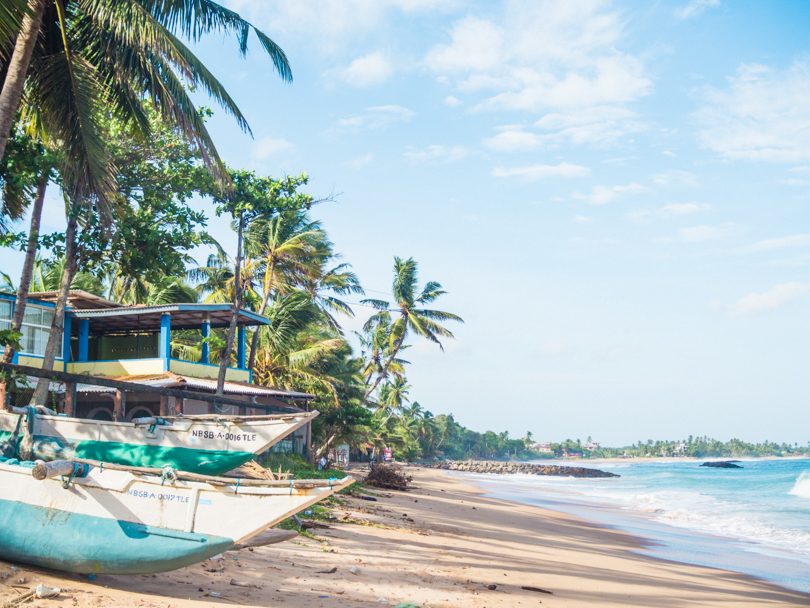
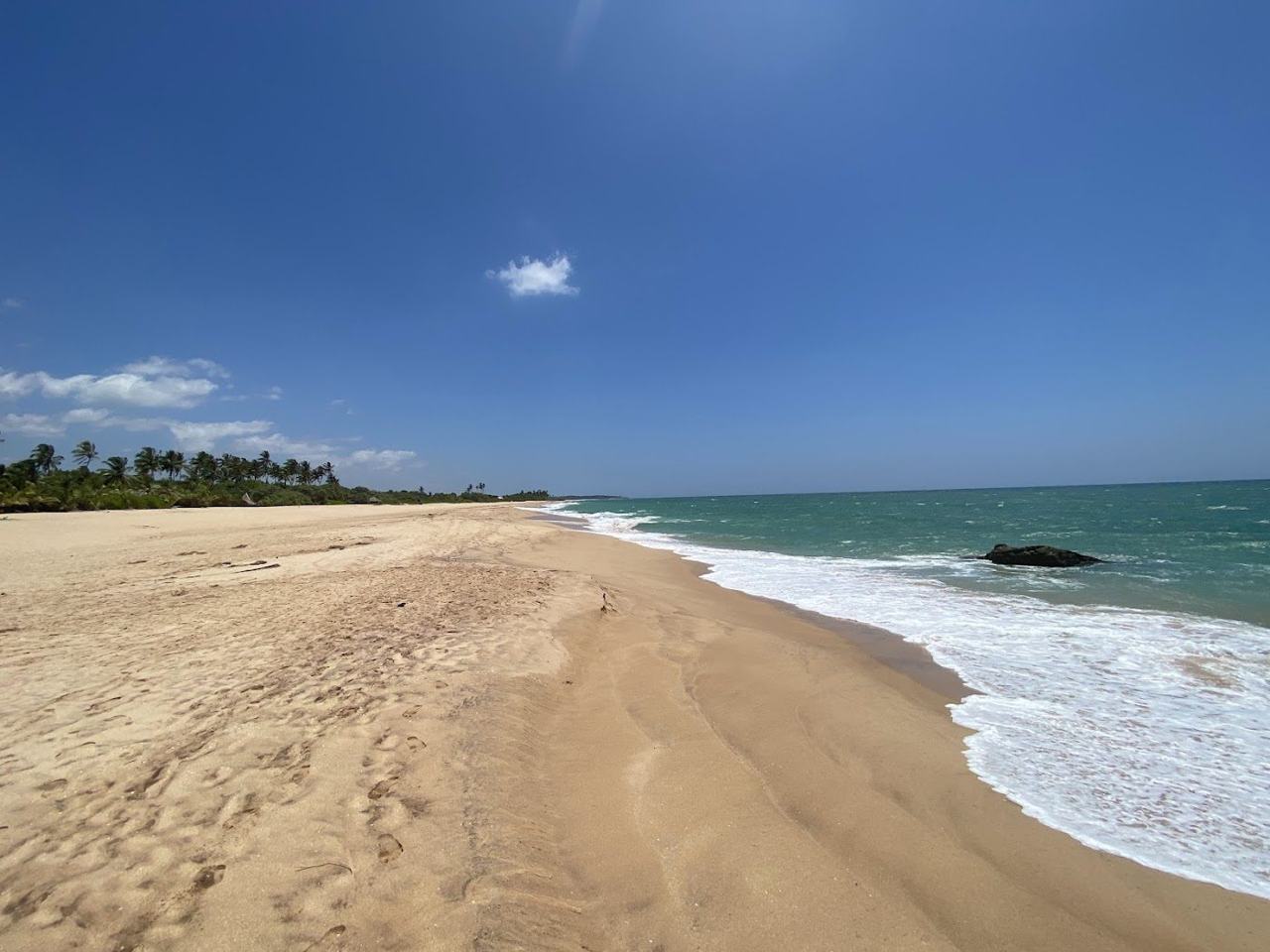
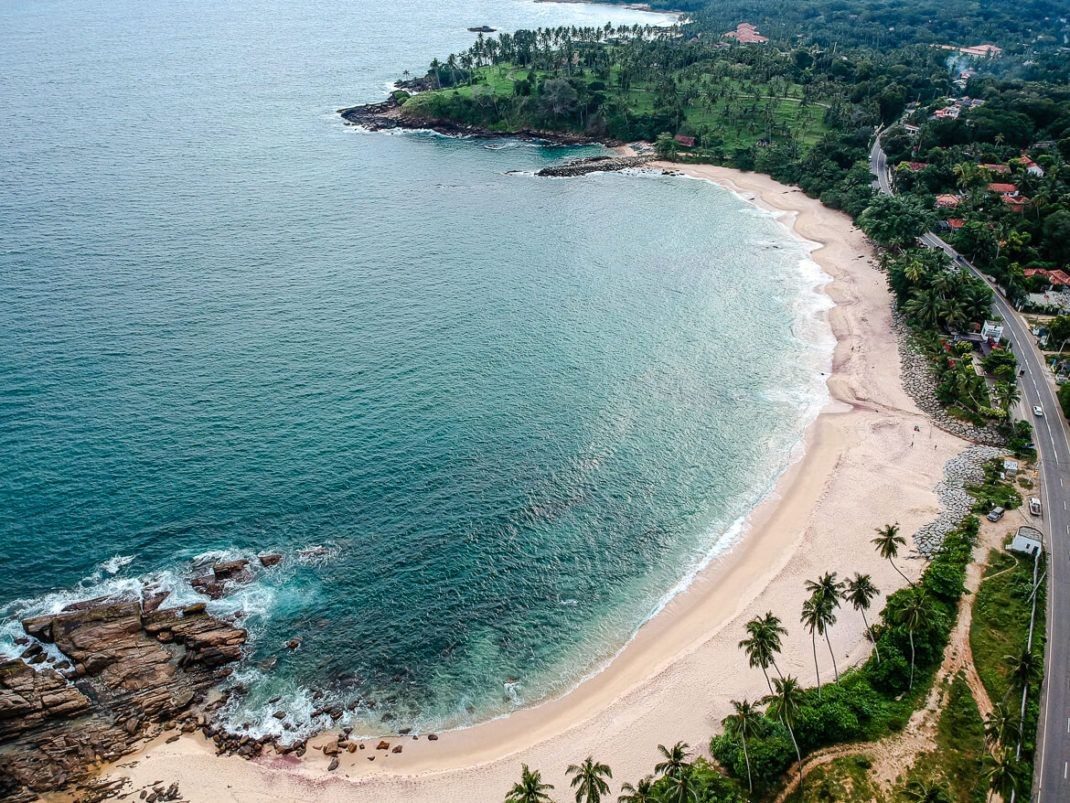
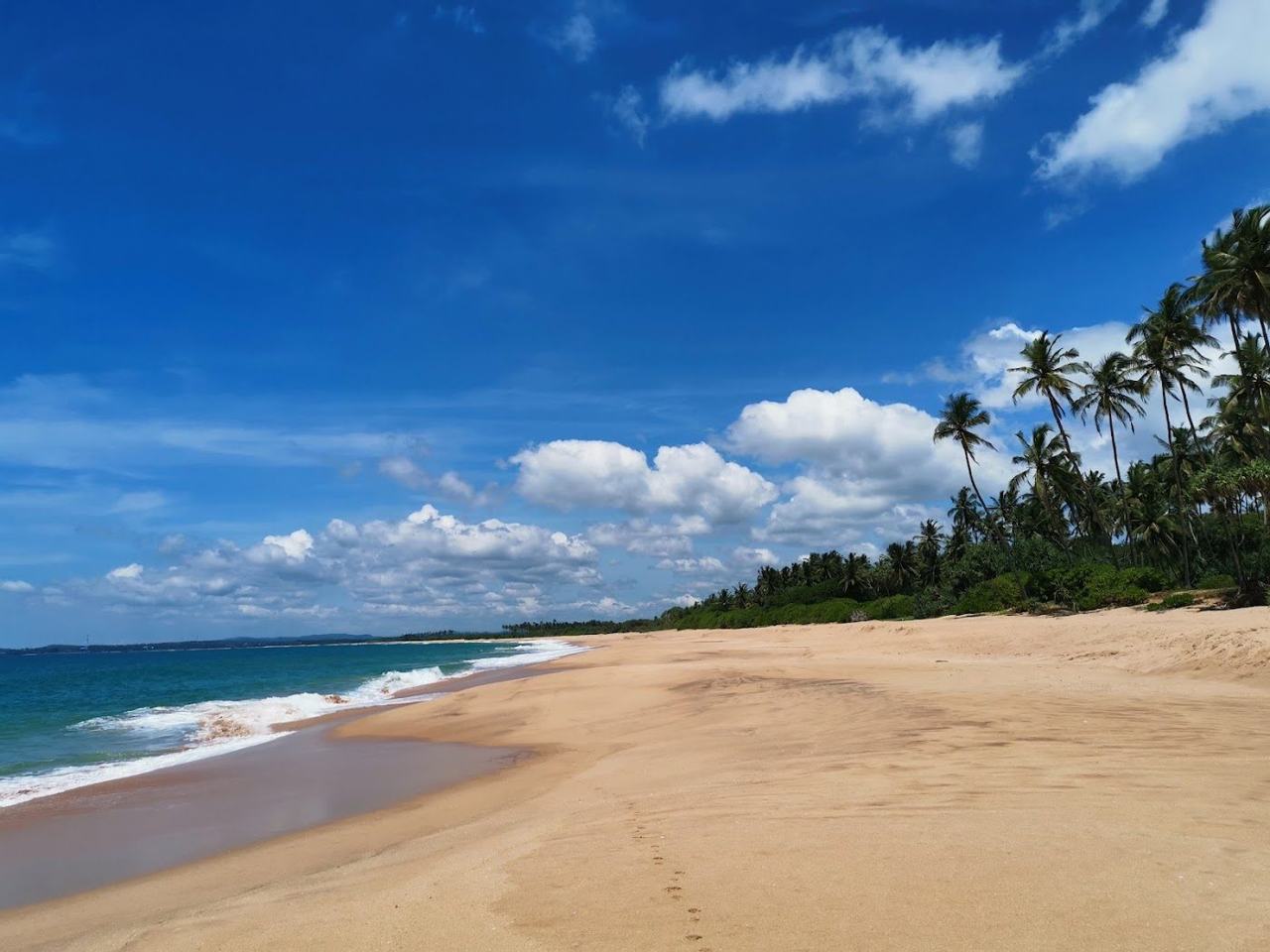
Rekawa is a beach with a different purpose. About eight kilometres east of Tangalle, this long wild stretch of sand is one of the most important sea turtle nesting beaches in Sri Lanka, protected as a wildlife sanctuary where hotel development is banned. Five species of sea turtle, including green and the giant leatherback, come ashore here to lay their eggs, and the beach is best known not for swimming or sunbathing but for the guided night turtle watch that has become a quiet highlight of the south coast.
The turtle watch is run by the local community conservation project, which trained village residents as nest protectors and built a model of conservation that gives people a livelihood from keeping the turtles safe. Watches begin in the evening at the visitor centre, and guides lead small groups onto the dark sand to see nesting turtles or, with luck, hatchlings making for the sea. Only red light is used and visitors stay quiet and back, so the experience is patient and respectful rather than a show, which is exactly what makes it memorable.
The honest note is to come for what Rekawa is. It is a wild, undeveloped, open ocean beach, not a calm bay, so it is not the place for an easy swim or a sunbed day, and the water should be treated as scenery. By day it is a long quiet walking beach; by night, with the community guides, it is a rare chance to see ancient animals nesting in the wild. Go with the project, follow the rules to the letter, keep your distance and your lights off, and you take part in something that helps the turtles rather than disturbs them.
Clubs near this beach
Rekawa is a protected turtle nesting beach rather than a bottle service beach club. Named club style venues of the south coast feature in our directory.
Community turtle conservation watch
Rekawa is centred on the local community turtle conservation project and its night watch rather than a beach club, in keeping with its protected wildlife character. Times, fees and access are to be confirmed and support the conservation work.
No beach club on the sand
Rekawa is a wildlife sanctuary rather than a bottle service beach club, with hotel development prohibited. For named club style venues along the coast, see our directory.
Rekawa lies about eight kilometres east of Tangalle towards the eastern end of the south coast, roughly two and a half to three hours from Bandaranaike International Airport by the Southern Expressway, traffic depending. Most visitors come from Tangalle or nearby stays for the evening turtle watch.
Most people arrive by car or tuk tuk to the conservation visitor centre, where the night watch begins. The dry season from November to April brings the calmest sea, while nesting can be seen through the year, and conditions are typical and never guaranteed.
Not ready to book?
Keep the good shorelines coming. Shore Notes is our occasional letter on the best beaches and the clubs worth your day, sent straight to your inbox. One field, unsubscribe any time.
Reserve a day at Rekawa Beach
Rekawa is a protected turtle beach rather than a club beach, but tell us your date and party and we will point you to the named club style venues along the south coast. No charge to enquire.
Independent and honest · 1,340 beaches ranked across 103 destinations · We answer to no resort
Common questions
Can you see turtles nesting at Rekawa?
Yes. Rekawa is one of Sri Lanka's most important turtle nesting beaches, where five sea turtle species come ashore to lay eggs. The way to see it is the guided night turtle watch run by the local community conservation project, which carries a fee that supports the work; times are to be confirmed.
Is the Rekawa turtle watch ethical?
It is run by a community conservation project that employs local residents as nest protectors and uses strict rules, only red light, quiet, and keeping your distance, to protect the turtles. Following your guide and the rules closely makes it a responsible way to see nesting turtles in the wild.
Is Rekawa Beach good for swimming?
Not really. Rekawa is a wild open ocean beach with shore break and current and no reliable lifeguard, so it is valued for turtles and quiet rather than bathing. Treat the water as scenery, swim only with great care on calm days and follow local advice; conditions are typical and never guaranteed.
When is the best time to visit Rekawa for turtles?
Turtles nest at Rekawa through the year, with more frequent nesting often seen around April to July. The night watch runs regularly, and your chances depend on the turtles, so patience helps; exact times and any seasonal changes are to be confirmed with the project.
How far is Rekawa from Tangalle?
Rekawa is about eight kilometres east of Tangalle, a short drive or tuk tuk ride away, and roughly two and a half to three hours from the airport by the Southern Expressway. Most visitors come from Tangalle or nearby stays for the evening watch.