 Photo: Olga Fateeva via Google
The best snorkelling beaches on the Sri Lanka south coast
Coral sanctuaries and turtle reefs, in the calm dry season window.
The verdict
- Best forTravellers who want genuinely good warm water reef snorkelling, turtles and fish a short swim from the sand
- Top pickHikkaduwa, whose shallow coral sanctuary and resident turtles make the richest, easiest reef snorkel on the coast
- One thing to knowThe south coast snorkels well only in the dry season, roughly December to April, when the sea calms and clears
Published 13 January 2026. Last reviewed 23 March 2026
The south coast of Sri Lanka is the rare place on this list where the snorkelling lives up to the daydream. Warm water, shallow fringing reef and a healthy population of green turtles mean you can wade off the sand, kick out a short way, and float over coral and fish or beside a turtle grazing the seagrass. After a string of cities where the honest verdict is modest, here the verdict is simple. This is a genuinely good snorkelling coast.
The season is the one rule that governs everything. From roughly December to April the southwest monsoon has passed, the sea lies calm and the water clears, and the reefs are at their best. From May to September the monsoon turns the same water rough and murky and often closes it for snorkelling. Within the good months the naturalist reads the morning for wind and swell, swims early, and gives the recovering coral and the turtles the room they deserve.
South coast snorkelling beaches, ranked
Weighted for living reef, the reliability of turtles and how calm and sheltered each beach swims.
Hikkaduwa
The shallow coral sanctuary just off the beach is the richest reef snorkel on the coast, alive with fish and home to green turtles that graze close to shore. Easy to reach and easy to swim, though the coral is recovering and deserves a gentle, hands off visit.
Polhena
A reef enclosed lagoon near Matara where the water is calm and shallow and green turtles are a near daily sight. The protecting reef keeps the swell out, making it one of the safest and gentlest snorkels on the coast.
Unawatuna
A sheltered horseshoe bay with reef at its edges and the small rocky cove of Jungle Beach nearby. The fish gather at the rocky ends and the swimming is calm, a relaxed reef float close to the cafes and guesthouses.
Jungle Beach
A small cove tucked below the forest near Unawatuna, with rocky reef close to shore and fish in the shallows. Quieter and wilder than the main bay, a lovely naturalist pocket reached by a short walk through the trees.
Dalawella
A reef fringed beach near Unawatuna where green turtles graze the seagrass close to shore and fish work the coral. Calm inside the reef and reliably good for turtles, it rewards a patient, quiet morning float.
The honest read on snorkelling here
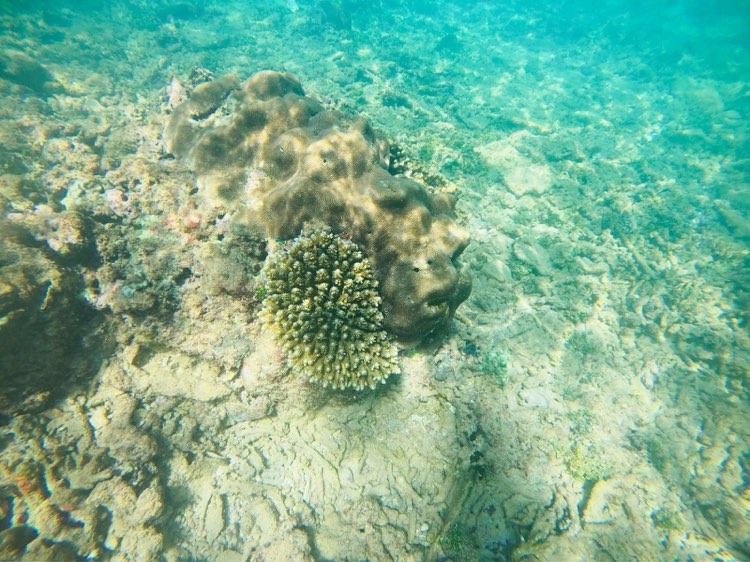
Manage your expectations of the coral itself, and the message is one of care rather than disappointment. The reefs along this coast have suffered bleaching and old damage, so you will see fish and turtles in abundance but stretches of pale or broken coral too. They are recovering, and a snorkeller's job is to help, not harm. Never stand on, touch or kick the coral, wear reef safe sunscreen, and the reef will be there for the next visitor.
Pick your turtle spot honestly. The wild turtles at Hikkaduwa, Polhena and Dalawella, grazing free over the reef and seagrass, are the real and rewarding encounter. Be wary of places that feed turtles to gather them for tourists, which harms the animals. And note that Mirissa, the most famous name on this coast, is a whale watching and surf town rather than a snorkelling one, so come there for the boats and the headland, not the reef.
Above all, time your trip to the dry season. The south coast snorkels beautifully from roughly December to April and poorly or not at all from May to September, when the monsoon stirs the sea. Within the good months, swim in the calm early hours, check the daily wind and swell, and treat clarity and the turtles as typical sights rather than guaranteed ones. Get the season right and this is the best snorkelling on the whole list.
Where to settle after the swim
The south coast runs on the beach cafe and the surf and yoga guesthouse rather than the formal beach club, an easy barefoot scene of loungers, shade and curry by the sand. A few smarter beach club and day bed setups have appeared around Weligama, Mirissa and the bigger bays. We keep an honest directory of where you can book a day bed and where a cafe will hand you a lounger for the price of lunch, so the reef swim and the slow afternoon belong to one day.
Book a beach club in Sri Lanka South Coast
Independent and honest · 1,340 beaches ranked across 103 destinations · We answer to no resort
Before you go
Is the Sri Lanka south coast good for snorkelling?
Yes, genuinely. It has warm water, shallow fringing reef and a healthy population of green turtles, so you can snorkel over coral and fish or beside a turtle a short swim from the sand. It snorkels well only in the dry season, roughly December to April.
What is the best snorkelling beach on the south coast?
Hikkaduwa, whose shallow coral sanctuary just off the beach is the richest and easiest reef snorkel, full of fish and resident green turtles. Polhena's reef lagoon and the bays around Unawatuna and Dalawella are also excellent, especially for reliable turtles.
When can you snorkel on the Sri Lanka south coast?
In the dry season, roughly December to April, when the southwest monsoon has passed, the sea calms and the water clears. From May to September the monsoon makes the water rough and murky and often unsafe, so the dry winter months are the window.
Where can you snorkel with turtles in Sri Lanka?
Green turtles graze the reefs and seagrass at Hikkaduwa, Polhena and Dalawella on the south coast, where wild sightings are common in the dry season. Choose places with wild, free swimming turtles and avoid any that feed them to gather them, which harms the animals.
Is the coral healthy on the south coast?
It is recovering. The reefs have suffered bleaching and old damage, so you will see plenty of fish and turtles alongside stretches of pale or broken coral. Help it heal by never touching or standing on the coral and wearing reef safe sunscreen. Conditions are typical and never guaranteed.