 Photo: Amanda Lam via Google
The verdict
- Best forActive travellers and confident swimmers who want kayaking, snorkelling and a surf break, and who will respect deep water, life vests and the season.
- Top pickThe Big Lagoon at El Nido for the classic kayak, with the Small and Twin Lagoons for snorkelling and the surf break at Duli when the wind is up.
- One thing to knowPalawan's best watersports are kayaking and snorkelling deep, clear water, so they suit confident swimmers and older children far more than a shallow paddle, and they need calm, dry season days.
Published 11 February 2026. Last reviewed 23 May 2026. Conditions are typical and never guaranteed.
Palawan is a watersports destination far more than a lounging one, and that is its real strength. The famous lagoons of El Nido and the clear lakes of Coron are made for kayaking and snorkelling rather than lying on sand, the reefs reward a mask and fins, and there is even a surf break in the north for the windier months. For active travellers and confident swimmers, this is the part of the Philippines that delivers.
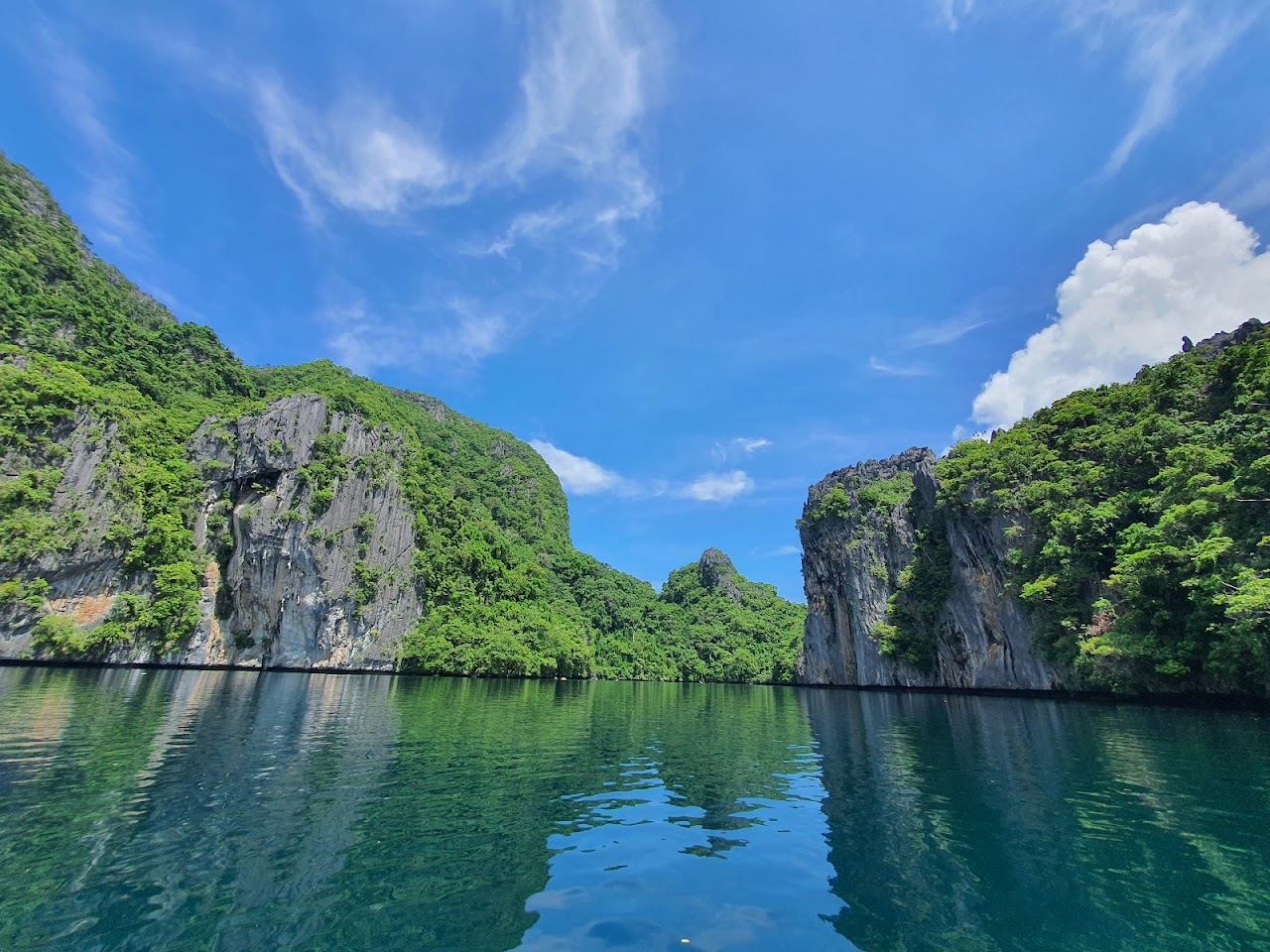
For kayaking, the Big Lagoon at El Nido is the icon, a paddle into a cathedral of limestone, with the Small Lagoon next door for a more adventurous squeeze through a narrow entrance. Coron's Twin Lagoon adds a kayak between two pools linked by a gap in the rock. For snorkelling, the far end of Seven Commandos and the reefs around the Coron islands are the picks, and for surfing, Duli's break works in the windier months from around November to March.
We have ranked the spots below for the active day, and we have been honest about the deep water. Most of Palawan's best watersports are over water you cannot stand in, so they call for confident swimmers, life vests and a guide on the lagoon tours, not a toddler's paddle. Read the sea, bring your own mask and a dry bag, and treat a calm forecast as typical rather than promised.
Six of the best for kayaking, snorkelling and surf
Deep, clear water and a guided tour matter more for the active day than a stretch of soft sand.
Big Lagoon
The signature kayak of El Nido, a paddle into a vast hall of emerald water framed by towering limestone on the Tour A route. It is a kayak experience rather than a beach, with no sand to lie on and an entry fee to pay. Go on the first or last tour slot to dodge the midday kayak queue, carry cash for the fee and hire, and bring life vests, water shoes and a dry bag.
Small Lagoon
A more adventurous neighbour to the Big Lagoon, reached through a narrow gap in the rock that you swim or duck a kayak under depending on the tide. It is a swim and kayak adventure with good rock and water scenery rather than a sandy beach for toddlers. Bring your own mask and a dry bag, use a life vest, and check the timing since the entrance narrows near high tide.
Twin Lagoon
Coron's answer to the El Nido lagoons, two pools of clear water linked by a gap in the rock that you pass under a low ledge or over a ladder depending on the tide. Rent a kayak for the calm outer lagoon and snorkel the warmer and cooler layers where fresh and salt water meet. Keep everyone in life jackets, since the water is deep with no standing area, and go early before the day boats.
Duli Beach
The closest the El Nido area has to a surf beach, a long undeveloped stretch in the north with a gentle break that works in the windier months from around November to March. It suits beginners and longboarders on the right day, with a simple surf shack for boards and advice. Hire a van on the rough road, ask the shack about conditions, and keep weaker swimmers out of the break.
Seven Commandos Beach
A white sand Bacuit Bay beach where the far end offers the area's easiest snorkelling, with clear water and fish over the rocks at the edge of the cove. It is a regular island hopping stop, so go early before the fleet, send confident snorkellers to the far end and keep small children in the soft shallows by the palms. Bring your own mask, since gear and shade are limited.
Kayangan Lake
The famous Coron lake, a brackish pool of astonishingly clear water ringed by karst, reached by a short steep climb over a ridge from the boat. It is a swimming and freediving spot rather than a snorkelling reef, with deep, calm water and an otherworldly clarity. Wear sturdy footwear for the steps, keep children in life jackets since there is no shallow entry, and go at the very start or end of the day.
Who it suits and who should skip it
The spots above suit active travellers and confident swimmers who want to spend the day on and in the water rather than on a towel. The El Nido lagoons are the classic kayak, the Coron lakes and lagoons add clear deep water swimming, and Duli gives the area its one real surf break. With a mask, a dry bag and a calm forecast, this is a superb coast for the active.
Skip Palawan's calm sandy beaches if watersports are the whole point of your day. Lovely lounging beaches like Las Cabanas are made for a swim and a sunset rather than action, so send the kayakers and snorkellers to the lagoons and reefs instead. Equally, the deep water sites are the wrong choice for very young children or weak swimmers, however calm they look in the photographs.
The honest cautions are depth, crowds and season. Most of the best watersports here are over water you cannot stand in, so life vests, a guide on the lagoon tours and a watch on the boat traffic are not optional. The famous lagoons are busy from mid morning, so the early and late slots are the ones to book. And the dry season from around late November to May gives the calm, clear water that makes kayaking and snorkelling reliable, while the surf at Duli prefers the windier months. Conditions are typical and never guaranteed, so read the sea before you go in.
Why the day is a boat, not a club
Palawan's watersports run on boats and guides rather than the European beach club model, so the active day is built around an island hopping tour or a private charter, not a daybed strip. The El Nido lagoons and the Coron lakes are reached on the lettered tours, the reefs need a mask and a boat, and Duli's surf is a rough road drive north. The simple beach bars and resort frontages at Las Cabanas and Nacpan are where you rest between the water days. We keep what is genuinely around in the Palawan directory, with minimum spends and amenities marked to be confirmed wherever they are not published, and we never invent a venue or a price. If you want a comfortable beachfront base to return to after the kayaking and snorkelling, tell us the area, the date and your party and we pass the enquiry to a beachfront or resort so they can confirm space and any minimum spend.
Book a beach club in Palawan
Independent and honest · 1,340 beaches ranked across 103 destinations · We answer to no resort
Before you go
Where is the best kayaking in Palawan?
The Big Lagoon and Small Lagoon at El Nido are the classic kayaks, a paddle into vast halls of clear water framed by limestone. Coron's Twin Lagoon is the other standout, with a kayak between two pools linked by a gap in the rock. All are best on the first or last tour slot to avoid the midday queue.
Can you surf in Palawan?
Yes, at Duli Beach in the north of the El Nido area, where a gentle break works in the windier months from around November to March. It suits beginners and longboarders on the right day, with a simple surf shack for boards and advice. Outside surf season the water there is much calmer.
Where is the best snorkelling in Palawan?
The far end of Seven Commandos near El Nido is the easiest snorkel from a beach, and the reefs around the Coron islands reward a mask and fins on a boat trip. Bring your own gear, since hire is limited, and pick a calm, clear day in the dry season for the best visibility.
Do you need to be a strong swimmer for Palawan watersports?
For the lagoons and lakes, yes. The Big Lagoon, Small Lagoon, Twin Lagoon and Kayangan Lake are deep water with no shallow entry, so they suit confident swimmers and older children with life vests rather than weak swimmers or toddlers. The sheltered island shallows are the gentler alternative.
Is the water calm enough for watersports in Palawan?
The sheltered lagoons and lakes are usually calm, which is what makes the kayaking so good, while the open coast and the surf break at Duli are livelier. The dry season from late November to May brings the steadiest, clearest water, so it is the reliable time for kayaking and snorkelling.
What watersports gear should you bring to Palawan?
Bring your own mask and snorkel, a dry bag for valuables, water shoes for rocky entries, and reef safe sun cream. Carry small cash for kayak hire and lagoon entry fees, since amounts are often to be confirmed, and use the life vests provided on the tours, especially in the deep lagoons.