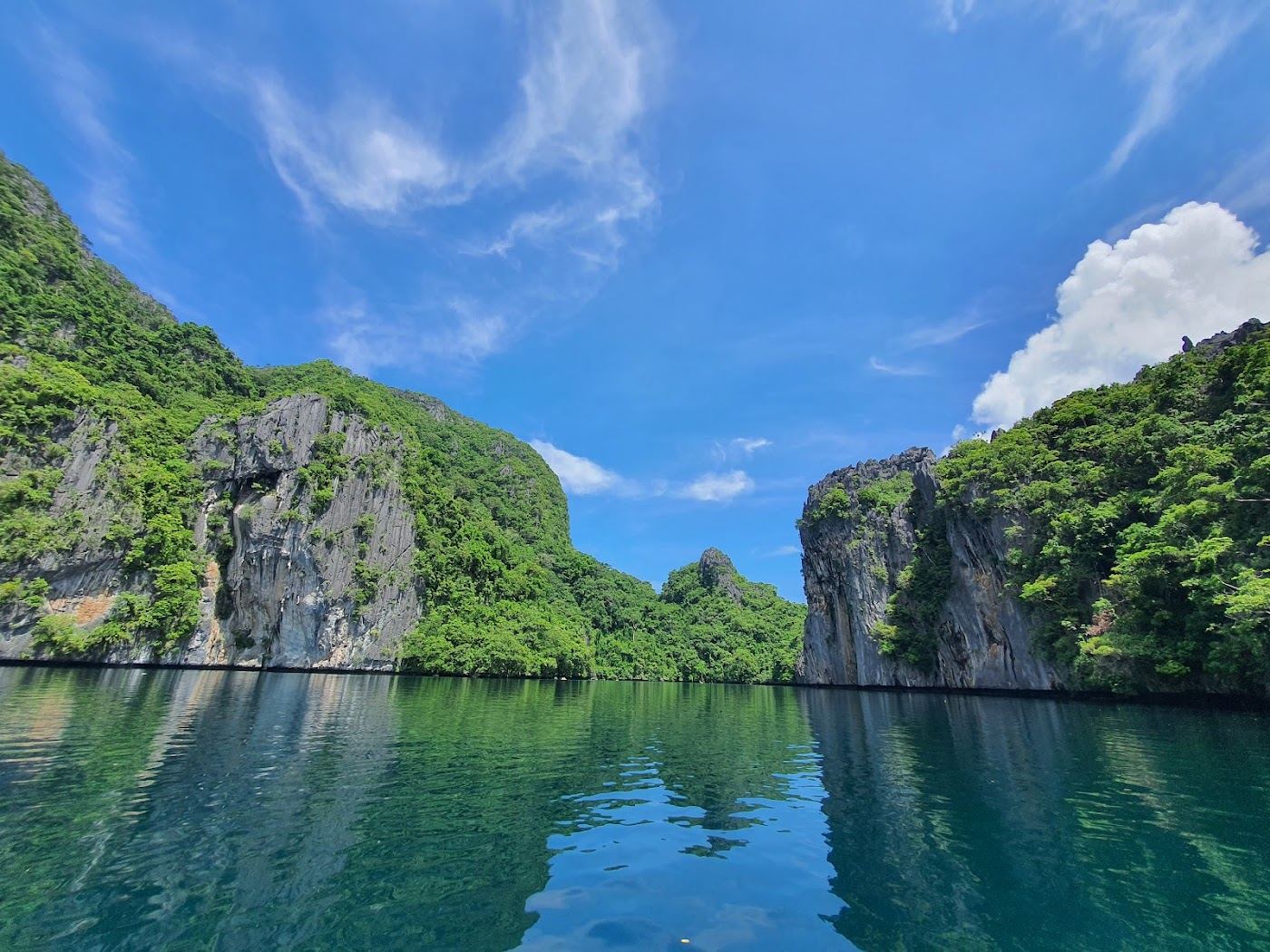
 Photo: Amanda Lam via Google
The verdict
- Best forTravellers and families who want calm seas and reliable island hopping in El Nido and Coron, and who would rather dodge both the wet season cancellations and the holiday crush
- Top pickLate November to early December and February for calm, clear water with smaller crowds, inside the wider dry season from around late November to May
- One thing to knowThe wet season from June to October can roughen the sea and cancel boat trips, and the Philippine typhoon season overlaps those months, so plan the boat days around the dry season
Published 5 February 2026. Last reviewed 10 March 2026. Conditions are typical and never guaranteed.
Palawan runs on two seasons, and because so much of the place is reached by boat, the season decides your trip more than almost anywhere else in the country. The dry months, from around late November to May, bring the calm seas and clear water that make the El Nido lagoons and the Coron lakes their famous selves and keep the island hopping running on schedule. The wet season, from around June to October, brings the rain and the rougher water that can cancel boat trips at short notice, and it overlaps the wider Philippine typhoon season, which makes the islands far less reliable.
The honest sweet spots for most visitors are the quieter edges of the dry season. Late November and early December give you settling seas and clear lagoons before the Christmas and New Year crowds arrive, and February sits in the calm gap after the holidays and before the Holy Week rush around March or April. This guide breaks the year down month by month for air, sea, rain, crowds and an honest verdict, then picks out the months that really matter. Conditions are typical for the season and never guaranteed, so always check the forecast and the operator's call close to your dates.
Month by month
Air, sea, rain, crowds and the honest verdict for the beaches and the boat trips.
| Month | Air | Sea | Rain | Crowd | Verdict |
|---|---|---|---|---|---|
| January | Warm, around 28C | Calm and clear | Low | High | Prime dry season, reliable island hopping, busy |
| February | Warm, around 29C | Calm and clear | Low | Moderate | Sweet spot, calm seas after the holiday crowds |
| March | Hot, around 30C | Calm and clear | Low | Rising | Sunny and calm, busy if Holy Week falls late |
| April | Hot, around 31C | Warm and calm | Low | Peak | Hot, dry and lovely, very busy over Easter |
| May | Hot, around 31C | Mostly calm | Rising late | High then easing | Hot and humid, first showers late, end of the dry run |
| June | Hot, around 30C | Livelier, less reliable | Increasing | Falling | Wet season begins, trips less sure, prices drop |
| July | Warm, around 29C | Choppier at times | High | Low | Wet and windy, boat trips can cancel |
| August | Warm, around 29C | Choppier at times | High | Low | Wettest stretch, quiet, least reliable for boats |
| September | Warm, around 29C | Livelier at times | High | Low | Wet, typhoon risk, calm mornings between showers |
| October | Warm, around 29C | Settling late | Easing late | Low | Transition, improving toward month end, storm risk |
| November | Warm, around 28C | Calming and clearing | Easing | Rising | Dry season returns, seas settle, a fine quieter month |
| December | Warm, around 28C | Calm and clear | Low | Peak late | Calm and clear, very busy over Christmas and New Year |
The months that matter
November and early December are the quiet reward. The seas have settled after the wet months, the El Nido lagoons and the Coron lakes are back to their clear best, and the big holiday crowds have not yet arrived, which makes this one of the loveliest windows for reliable island hopping without the crush. Boat trips run on schedule far more often than in the wet season, and the islands still carry a fresh, green look from the rain just gone.
January to April is the prime, and the busiest, dry season. The water is calm and clear and the sun is reliable, which is exactly what the famous lagoons and the white sand islands need, but the crowds peak in waves, around Christmas and New Year, then again over Holy Week in March or April. February threads the needle, sitting in the calm gap after the holidays and before Easter, with settled seas and more comfortable numbers. Book ahead for any of the peak dates, since El Nido and Coron fill and prices climb.
June marks the turn as the wet season sets in. Rain becomes more frequent, the sea turns livelier, and operators begin to cancel trips when the wind and swell are up, especially around Coron's more exposed sites. Prices fall with the crowds, and the mornings are often calmer than the afternoons, so a wet season visit rewards an early start and a flexible plan rather than a fixed island hopping itinerary. Treat a clear day as a bonus rather than a guarantee.
October is the transition back, often improving toward month end as the rain eases and the seas settle, though the typhoon risk lingers through the wider June to November storm season. Palawan sits to the southwest and is hit less often than much of the Philippines, but a distant storm can still raise the swell and cancel boats, so check forecasts close to your dates. If you travel in the wet months, build in slack days, keep plans loose, and let the calm windows decide the boat trips.
Where to book a base
If you are timing a beachfront base, the same calendar applies. The simple beach bars and resort frontages around Las Cabanas and Nacpan in El Nido are at their most reliable through the dry season from around late November to May, and some quieten in the wet months, so confirm a venue is open and check the conditions outside the dry season. Coron's days are built around boat trips rather than a beach strip, so the season matters most for whether those trips can run.
For a bookable day in the right window, tell us the area, the date and the party size and we will match you to a beachfront or resort and pass your request to the team.
Book a beach club in Palawan
Independent and honest · 1,340 beaches ranked across 103 destinations · We answer to no resort
Before you go
What is the best month to visit Palawan?
Late November to early December and February are the sweet spots. You get the calm seas and clear water of the dry season, which make island hopping in El Nido and Coron reliable, with smaller crowds than the Christmas and Easter peaks. The wider dry season runs from around late November to May.
When is the rainy season in Palawan?
The wet season runs from around June to October, driven by the southwest monsoon. Rain is more frequent, the sea can turn rougher, and boat trips and island hopping are sometimes cancelled at short notice. Prices fall and the islands are greener and quieter, but plans need to stay flexible.
Can you still go island hopping in the wet season in Palawan?
Sometimes, but not reliably. In the wet months from June to October the sea is more often choppy and operators may cancel trips for safety when the wind and swell are up, especially around Coron's more exposed sites. Mornings can be calmer, so an early start and a flexible schedule give you the best chance.
Is there a typhoon season in Palawan?
The Philippine typhoon season runs from around June to November. Palawan sits to the southwest and is hit less often than much of the country, but storms and their swell can still affect the seas and cancel boat trips, so check forecasts close to your dates in those months. The dry season carries a much lower risk.
When is the best time for El Nido and Coron?
Both El Nido and Coron are best in the dry season from around late November to May, when the seas are calmest and the lagoons and lakes at their clearest. February and the shoulder weeks of the dry season balance good conditions with fewer crowds, while December to April is the busiest and most reliable stretch.