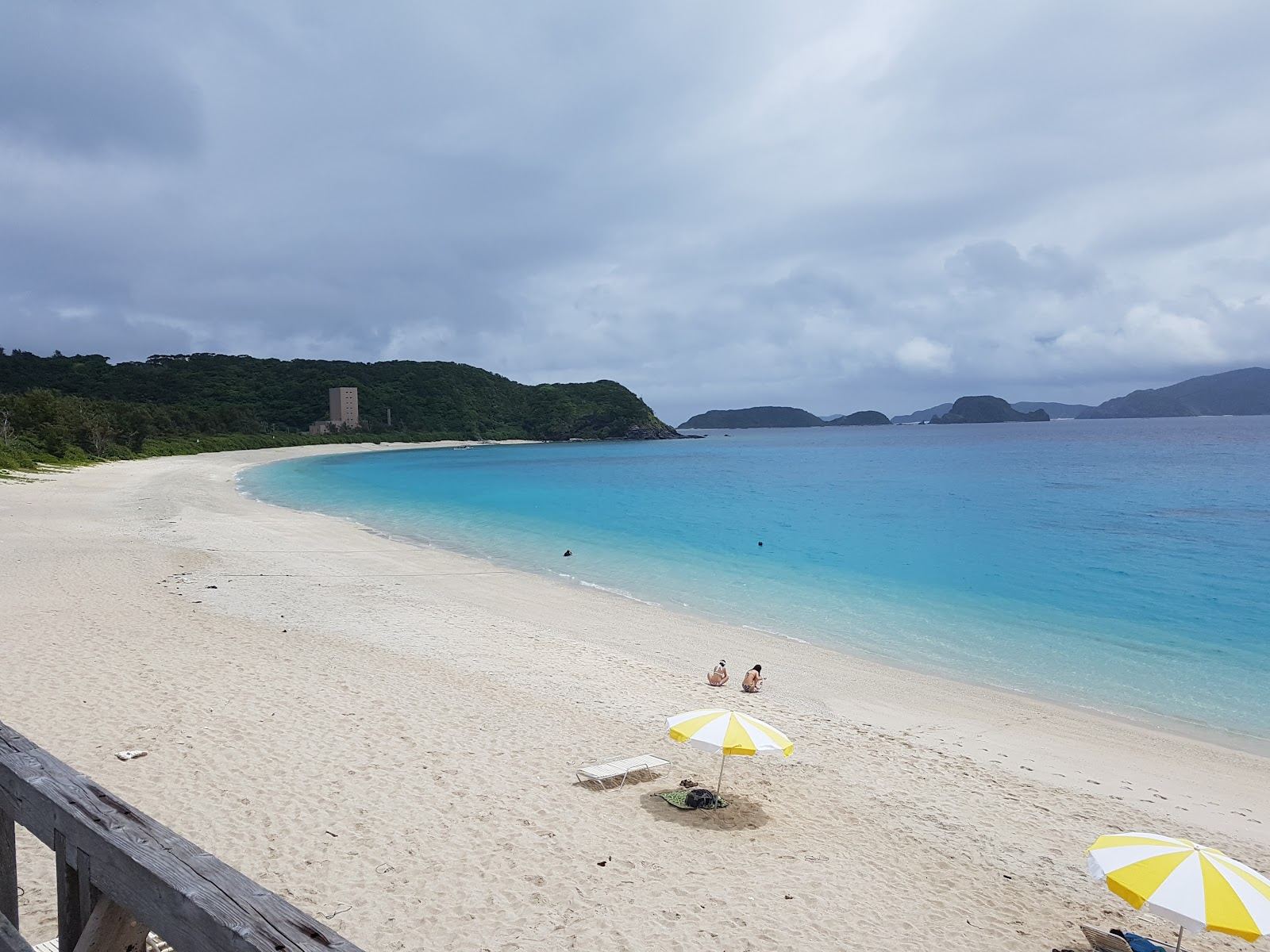
 Photo: 베스트얼라인김무문 via Google
The verdict
- Best forSnorkellers who want a living reef rather than empty blue water, from the wild Kerama islands to the easy reef bays of the main island, with turtles and tropical fish for those who tread lightly.
- Top pickFuruzamami on Zamami in the Kerama for the clearest reef of all, with Sesoko off Motobu and the sheltered bay at Manza the best easy reefs without a ferry.
- One thing to knowThe finest snorkelling sits on living, fragile reef, so swim over the sand channels, keep your fins off the coral, and watch turtles from a distance.
Published 6 April 2026. Last reviewed 18 April 2026. Conditions are typical and never guaranteed.
Okinawa is the rare place in Japan where you can wade off a white sand beach and find a living reef within a few fin kicks, but the coral is not spread evenly along the coast, so it pays to choose the beach for the snorkel and not just the view. The wild island reefs of the Kerama and the white coral shores off Motobu are where the water turns gin clear over coral gardens, with shoals of tropical fish and turtles drifting through the shallows. The sheltered resort bays on the central coast hold an easy reef close in, gentle enough for a first snorkel. And a handful of famous, photogenic beaches near the cities are lovely to look at but hold almost no coral at all, which is the honest catch worth knowing before you pack the mask.
We have ranked these beaches on the health and clarity of the reef, how easily you reach the coral from the sand, and the wildlife you are likely to meet. As a slow traveller I care most about the living reef itself, because the coral and the creatures it shelters are the real wonder of Okinawa and the thing most worth protecting, so I have leaned toward the beaches where the underwater world is vivid and the visitors tread carefully. Swim over the sand channels, keep your fins and feet off the coral, use reef safe sun protection, watch wildlife from a distance, and take everything home. The pretty beaches that are all surface and no reef are named below so you do not waste a clear morning on them.
Best snorkelling beaches in Okinawa
Scored on reef health, water clarity and how easily you reach the coral. The all surface beaches are below.
Furuzamami
Some of the clearest reef water in Japan, on Zamami in the Kerama, reached by ferry from Naha. Living coral fringes the western side of the bay, with green chromis, anemonefish and the real chance of a turtle, all within a short swim of a white sand beach where a hut rents gear and a lifeguard is usually on duty in peak season. The pick for the finest reef snorkelling, and a gateway to renowned Kerama diving, so long as you keep clear of the coral.
Sesoko
A natural white coral island shore off Motobu, reached by car over the bridge, with a fringing reef you can snorkel straight off the sand and the clearest easy reef on the main island. Tropical fish hang over the coral close in, changing rooms and gear are to hand, and it sits a short drive from the famous Churaumi aquarium, so it is the obvious reef stop on a north island day. The pick when you want a living reef without taking a ferry.
Nishihama
A remote, dazzling white sand beach on Hateruma, the southernmost inhabited island in Japan, with famously clear water and coral patches and a resident population of green turtles offshore. The journey by ferry from Ishigaki is long and weather dependent, but the reward is a wild, quiet reef far from the crowds, the kind of place a naturalist remembers for years. The pick for those willing to travel for clarity, wildlife and solitude.
Manza
A sheltered, clear resort bay below the headland of Cape Manzamo with an easy reef close in and a full activity desk on the sand running snorkel trips and gear. It is the gentlest introduction to Okinawan reef snorkelling, calm and well organised, ideal for a first mask and fins session or a family that wants the coral without the swim out to a wild island. The pick for easy, sheltered reef snorkelling on the central coast.
Mibaru
A natural southern beach with a tide pool reef flat and boat operators running the short hop to the clear reef at Komaka Island just offshore. The home beach is good for rock pooling and a gentle paddle at low tide, while the boat trip opens a brighter reef with tropical fish in clearer water. The pick for an unhurried, reef focused day in the south, away from the big resort fronts.
Kondoi
A serene, shallow turquoise beach on the old island of Taketomi, more a place for wading and watching than deep reef snorkelling, with small fish over the sand flats and a gentle, glassy lagoon. The coral is patchy and the water very shallow, so it suits a quiet, soft snorkel and children finding their fins rather than a vivid reef. The pick for a calm, scenic dip on a slow island day.
Who it suits, who should skip
For real snorkelling, the wild island reefs win, and Furuzamami in the Kerama is the standout, a short swim off the sand into living coral with turtles a genuine possibility. Sesoko gives you the same living reef on the main island without a ferry, Nishihama rewards the long journey to Hateruma with clarity and solitude, and Manza is the gentle, sheltered start for a first reef snorkel. These are the beaches for travellers who came for the underwater world, not just a towel on the sand, and they are best in a calm, clear morning before the wind and the day boats arrive.
Be honest about the photogenic beaches that hold no reef. Emerald Beach beside the Churaumi aquarium is groomed and gorgeous but netted for safe swimming and almost bare of coral, and the city swims at Tropical, Araha and Naminoue near Naha are built for a calm bathe rather than a snorkel, with little to see beneath the surface. They are the wrong choice if the reef is your aim, and you should drive on to Sesoko or take the ferry to the Kerama instead. Wherever you snorkel, go on a settled day, swim over the sand channels, keep your fins and feet off the coral, use reef safe sun protection, watch turtles and fish from a distance without feeding them, take your litter home, and remember we describe typical conditions only with no safety guarantees.
Where to book a daybed
Okinawa runs on resort beaches and municipal park beaches rather than gated beach clubs, and the snorkelling itself is run by activity desks and dive operators on the sand or by boat rather than by a club. The serviced loungers, parasols and gear rentals cluster at the resort beaches, so a snorkelling day with a hired daybed and a base for your kit is easiest at Manza, Okuma and the Miyako and Motobu hotel fronts, where the shade, the rentals and the reef sit together.
If you would like a serviced lounger arranged near one of these reef beaches, tell us your dates, party size and which beach you fancy and we will pass your enquiry to a spot that suits a day on the water, then they can confirm availability and any charge. Book any boat snorkel or dive directly with a licensed operator. See our Okinawa beach clubs guide for the full picture of who runs which front.
Book a beach club in Okinawa
Independent and honest · 1,340 beaches ranked across 103 destinations · We answer to no resort
Before you go
Which is the best beach for snorkelling in Okinawa?
Furuzamami on Zamami in the Kerama islands is the standout, with some of the clearest reef water in Japan, living coral fringing the western side, green chromis and anemonefish, and the chance of a turtle, all straight off a white sand beach reached by ferry from Naha. On the main island, Sesoko off Motobu and the sheltered bay at Manza give you a living reef close to the sand without the ferry. Each lets you snorkel a real reef rather than empty water.
Can you snorkel straight off the beach in Okinawa?
Yes, at the reef beaches. Furuzamami, Sesoko, Manza and Nishihama all have a fringing reef you can reach by swimming out a short way from the sand, so you do not always need a boat to find coral and fish. Wade out over the sand channels rather than the coral, keep your fins clear of it, and check the local flags and any roped swimming zone. We describe typical conditions only and make no safety guarantees.
Is Emerald Beach good for snorkelling?
Not really, and that surprises people. Emerald Beach beside the Churaumi aquarium is a beautiful groomed swimming beach with calm netted bathing zones, but it is built for safe family swimming rather than reef snorkelling, so there is little live coral to see in the enclosed water. For a real reef close by, drive on to Sesoko off Motobu, where you can snorkel living coral straight off the sand.
When is the best season for snorkelling in Okinawa?
Roughly April to October gives the warmest and clearest water, with late spring and early autumn offering fine visibility and smaller crowds than the midsummer peak. Midsummer is warmest but carries a typhoon risk that can churn the water and cancel ferries for a day or two, so keep your plans flexible. Winter water is cooler and rougher on exposed reefs. Read our month by month guide before fixing the snorkelling days of your trip.
Will I see turtles and coral when snorkelling in Okinawa?
Often, if you go to the right reefs and tread lightly. The Kerama and Motobu reefs hold living coral, shoals of tropical fish and resident green turtles, and a calm clear morning at Furuzamami or Sesoko gives you a real chance of all three. Sightings are never guaranteed, so watch quietly and let the wildlife come to you. Never chase, touch or feed a turtle, and keep a respectful distance so the animal stays calm.
How do I snorkel without harming the reef?
Tread lightly, because Okinawa's reefs are alive and slow to recover. Never touch, kick or stand on coral, swim over the sand channels instead, keep your fins clear, and use reef safe sun protection or a rash top rather than heavy sunscreen. Watch turtles and fish from a distance without feeding them, take every scrap of litter home, and choose operators who brief on reef care. Small habits keep these reefs vivid for the next snorkeller and the creatures that live there.