Furuzamami Beach
Best for. Snorkellers and slow island travellers who want some of the clearest reef water in Japan, with coral, tropical fish and the chance of a turtle, all off a protected national park beach.
Best spot. The reef along the western side of the beach in calm morning water, swimming gently above the coral rather than standing on it, before the day boats arrive from Naha.
Know this. Furuzamami is the busy, easy choice, so for the best turtle odds walk over to Ama Beach, and for the quietest reef stay overnight on Zamami and swim before the ferries land.
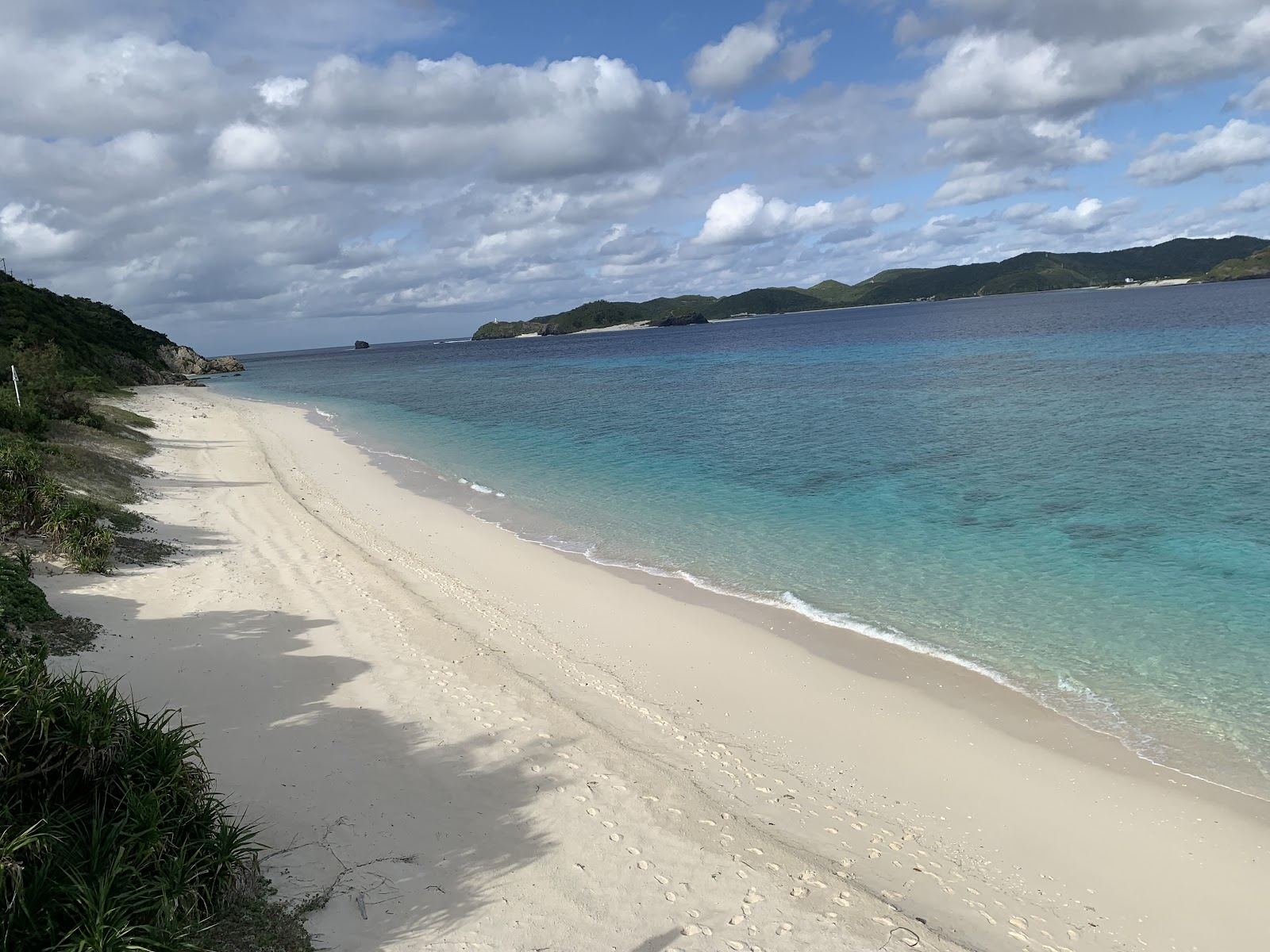
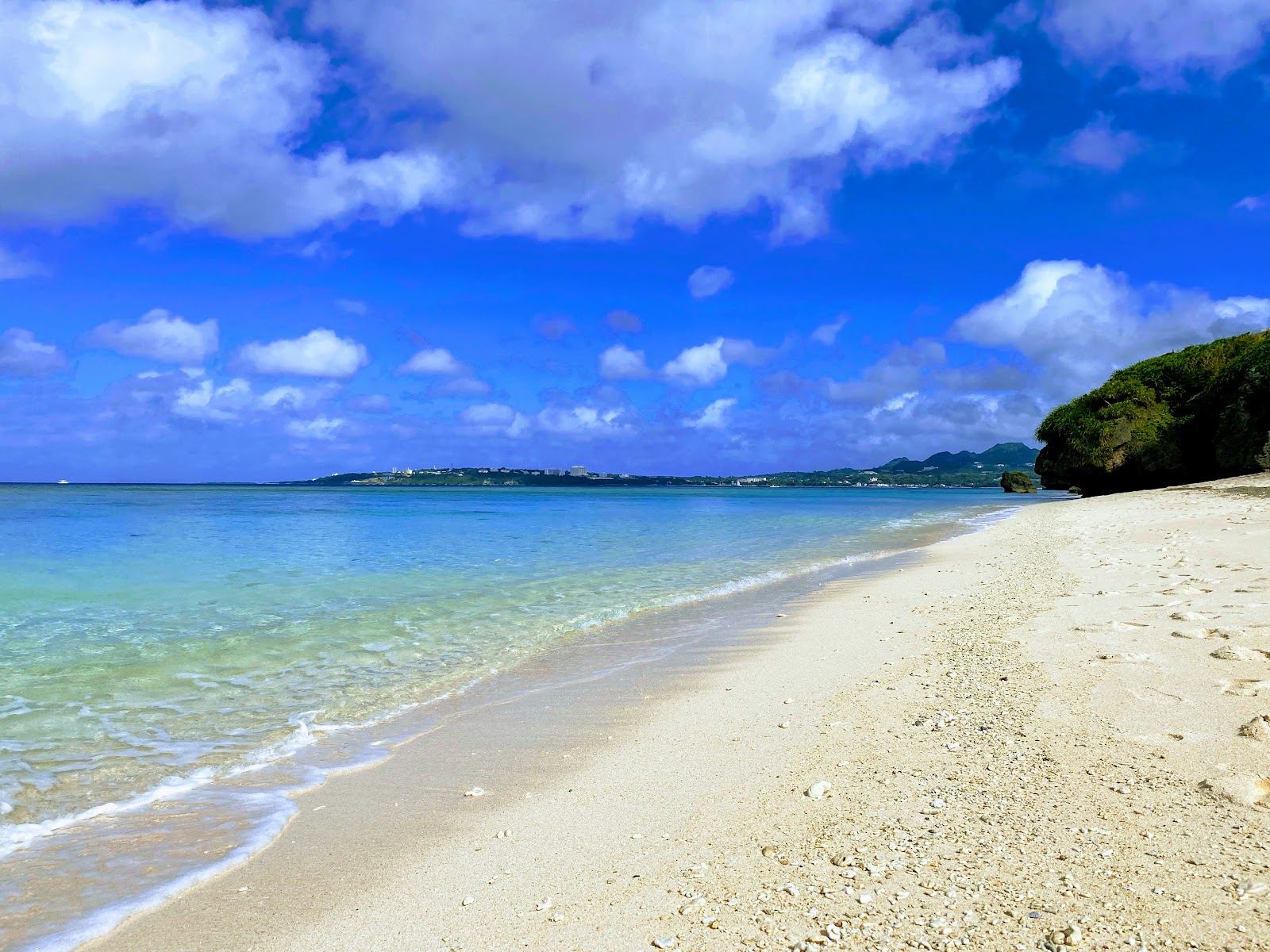
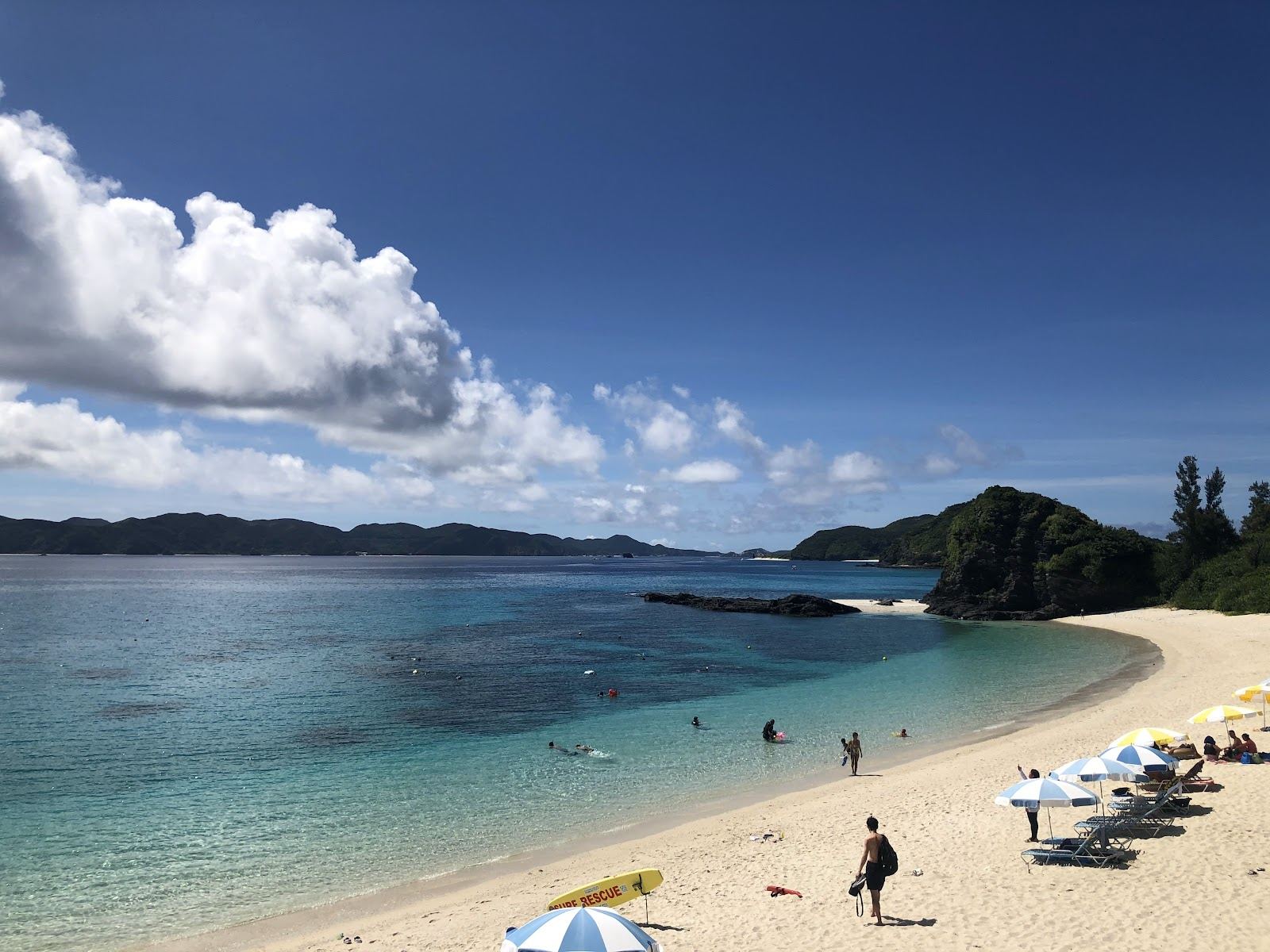
Furuzamami is the reason snorkellers cross to the Kerama islands, and the water lives up to the talk. A ferry ride west of Naha brings you to Zamami, and a short hop over the hill from the port drops you onto a bright seven hundred metre crescent of white coral sand, sloping into a clarity the islands are famous for, the so called Kerama blue. Swim out a little over the reef on the western side and the coral comes alive, green chromis clouding the branches, anemonefish guarding their patch, the occasional turtle gliding through. This is protected national park sea, and it shows.
The honest catch is that everyone knows it. As the island's easy, signposted beach, Furuzamami draws the day trippers off the fast ferry, and on a peak summer afternoon the near shore shallows can feel busy and the parking and hut get stretched. The reef is also fragile and very close in, so the real harm is not crowding but trampling, fins and feet on living coral. If turtles are your goal, the gentler Ama Beach on the same island is the more reliable spot, with seagrass the turtles come to graze.
So treat Furuzamami as the headline it deserves to be, and tread lightly to keep it that way, swimming above the coral rather than standing on it, reef safe sunscreen only, nothing touched or fed. Come in the calm of the morning before the boats, or better still stay a night on Zamami and have the reef nearly to yourself at dawn. For an even quieter swim, the white sand of Nishihama on neighbouring Aka is a short island hop away.
Reef hut, not a club
Furuzamami has no daybed club. It is a protected national park beach with a hut for food and rental gear and operators running snorkel trips and, in winter, whale watching. The serviced resort beaches are back on the main island. We name what is here honestly and mark anything we cannot verify as to be confirmed. To plan a resort style day, start with the Okinawa clubs guide.
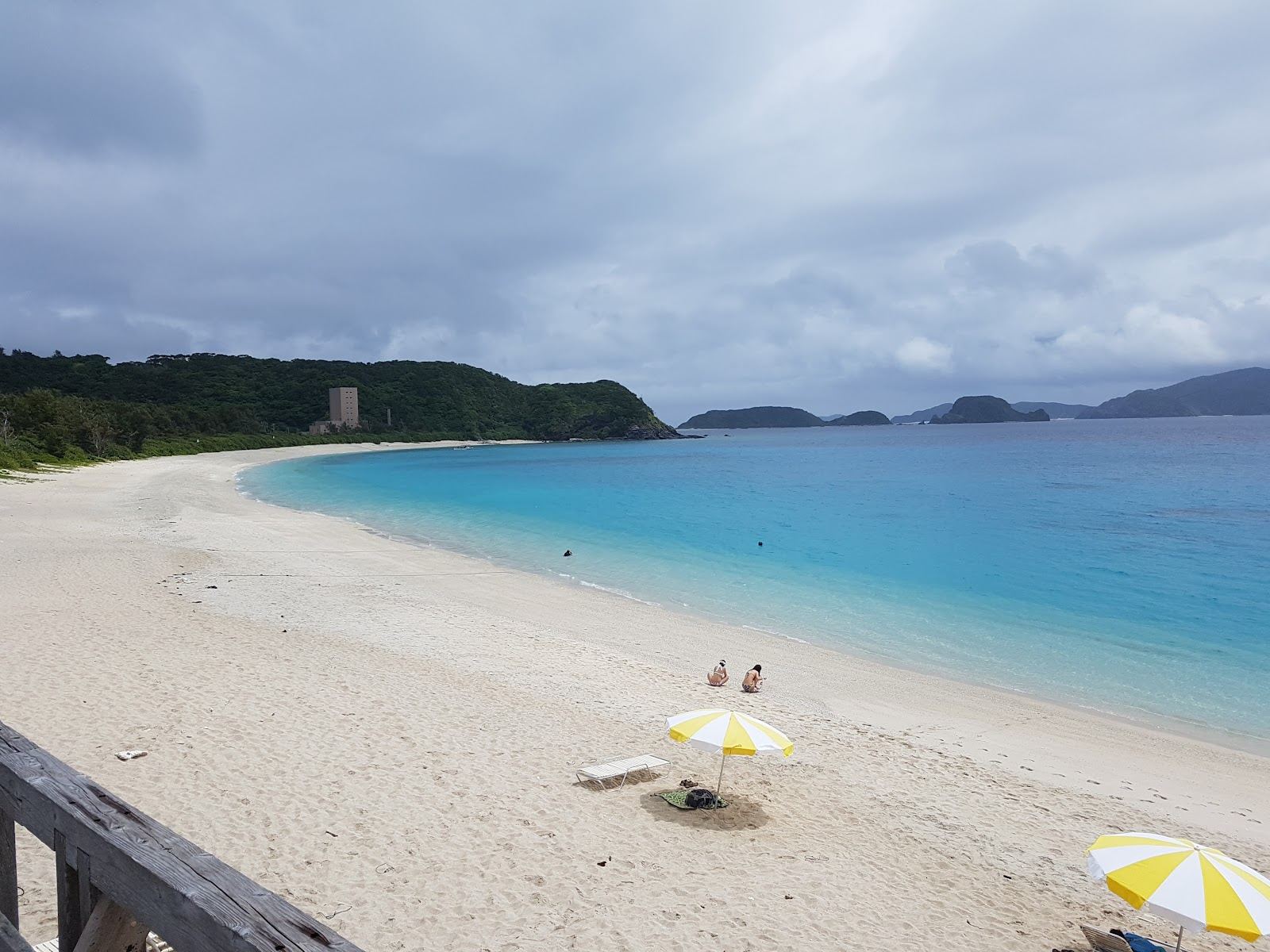 Photo: 베스트얼라인김무문 via Google
Furuzamami Beach hut and rental
The serviced side of Furuzamami runs from the beach hut, with food and drinks, rental snorkel sets, fins and life vests, lockers and showers, and a lifeguard in peak season. Local operators add guided snorkel trips and winter whale watching by boat. It is island beach service rather than a private club, and prices and hours are set by the operators, so treat any figure as to be confirmed.
Ama Beach and Nishihama nearby
For turtles, the gentler Ama Beach on the same island is the more reliable spot, with seagrass the green turtles graze. For an even quieter white sand swim, neighbouring Aka island holds Nishihama, a short island hop away. These are public national park beaches reached on foot or by local boat rather than clubs, so there are no daybeds, only wild reef close at hand.
Onna coast resort beaches
For a serviced resort day with daybeds and a marine menu, the Onna coast back on the main island is where to look, with resort beaches such as Manza running loungers, activities and seasonal day passes. It is a ferry and a drive from Zamami but the place for a polished club style day. Operators, seasons and prices are set by the venues and are to be confirmed.
Zamami Island, in the Kerama
Furuzamami Beach sits on Zamami Island in the Kerama group, about forty kilometres west of Naha and reached by ferry from Tomari port. The fast ferry takes around fifty minutes and the regular ferry around two hours, and from Zamami port the beach is a short walk over the hill, a village shuttle ride or a quick taxi away.
Bring reef safe sunscreen, water and your own snorkel if you have it, swim early before the day boats and stay inside the marked area while the lifeguard is on duty. Booking the ferry ahead is wise in summer, and an overnight on Zamami gives you the reef at dawn. Conditions are typical and never guaranteed.
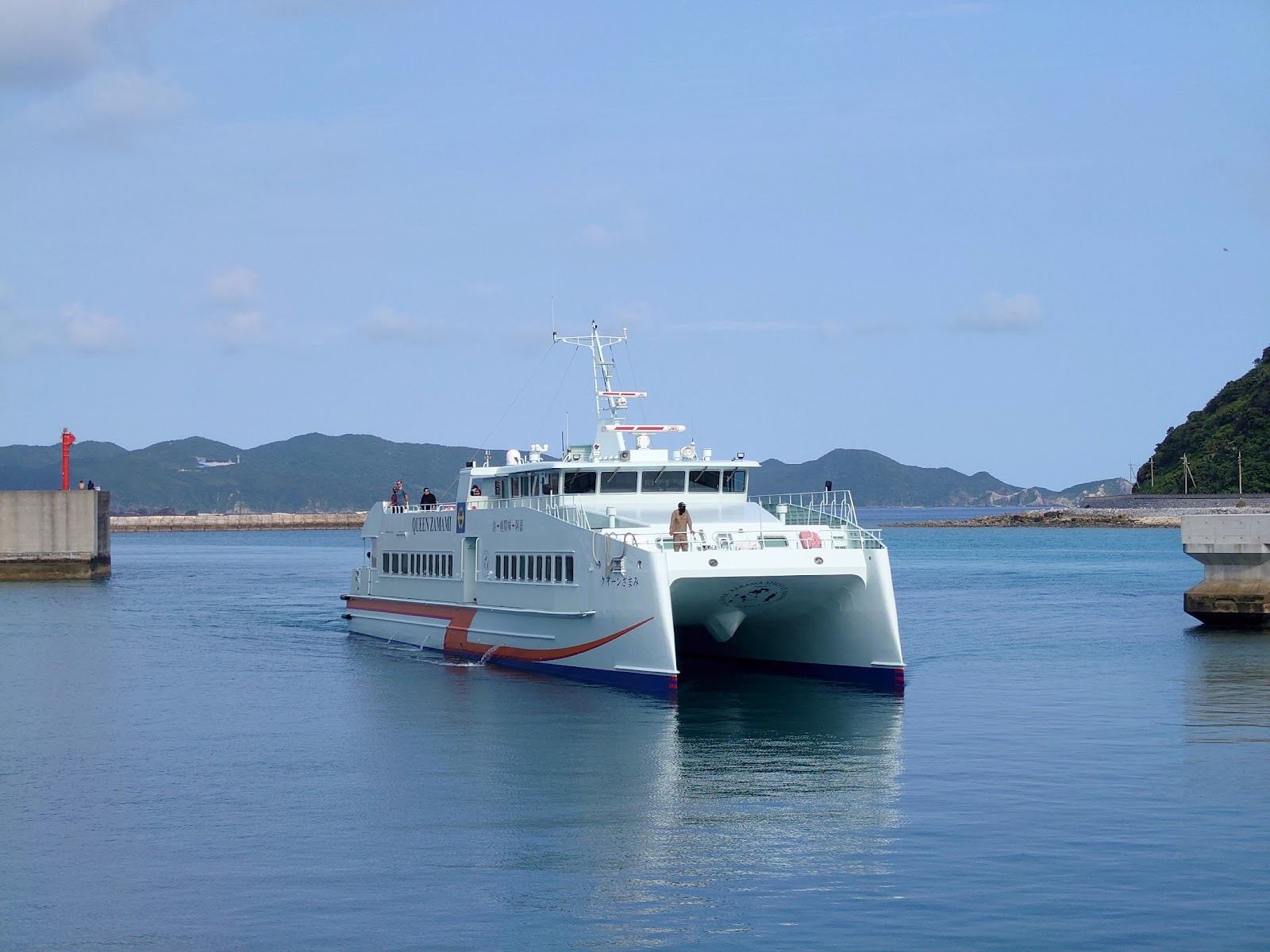 Photo: cokeccoco via Google
Not ready to book?
Keep the good shorelines coming. Shore Notes is our occasional letter on the best beaches and the clubs worth your day, sent straight to your inbox. One field, unsubscribe any time.
Book a beach club
Tell us your dates and party size and we will help arrange a daybed or resort day at a serviced beach back on the main island of Okinawa. We reply by email.
Independent and honest · 1,340 beaches ranked across 103 destinations · We answer to no resort
We are an independent editorial resource. Booking requests are passed to clubs and operators, and some may earn us a commission at no cost to you. Prices, availability and opening status are set by the venue and are to be confirmed at the time of booking.
Common questions about Furuzamami Beach
Is Furuzamami Beach worth visiting?
Yes, it is one of the best snorkel beaches in Japan. Furuzamami on Zamami in the Kerama islands has exceptionally clear water, coral fringing the western side, tropical fish and the chance of a turtle, all in a protected national park. It draws day trippers off the fast ferry, so swim early or stay overnight, and for the best turtle odds walk over to nearby Ama Beach.
Can you see turtles at Furuzamami Beach?
Sometimes, though Ama Beach on the same island is the more reliable spot, with seagrass the green turtles come to graze. At Furuzamami the reef holds coral, green chromis and anemonefish, and turtles do pass through. If you meet one, watch quietly, keep your distance and never touch or chase it, as these are protected animals in a national park.
How do you get to Furuzamami Beach?
Furuzamami is on Zamami Island, reached by ferry from Tomari port in Naha. The fast ferry takes around fifty minutes and the regular ferry around two hours, and from Zamami port the beach is a short walk over the hill, a shuttle ride or a quick taxi. Booking the ferry ahead is wise in summer.
When is the best time to snorkel at Furuzamami?
About May to October gives the warmest, calmest and clearest water for snorkelling, and early morning before the day boats is best of all. From January to March humpback whales pass offshore and are watched on local boat tours. Always check the day, as conditions are typical and never guaranteed.
Does Furuzamami Beach cost money?
The beach is free to enter, but a small facility fee, rental snorkel gear, lockers and showers are charged separately by the operators, and guided trips and whale watching are priced on the day. Figures are set locally and change, so treat any price as to be confirmed.
Is Furuzamami or Nishihama the better beach?
Both are superb and close together. Furuzamami on Zamami has the richer fringing reef right off the sand and fuller facilities, while Nishihama on neighbouring Aka is quieter, with brilliant white sand and reliable turtles. If you can, see both on an island hop, snorkelling Furuzamami in the morning and crossing to Nishihama for a calmer afternoon.