Bamboo Island, Krabi
The verdict
- Best for: Snorkellers and beach lovers who want dazzling sand and an easy coral reef, and who will rise early to have it in peace before the tour boats arrive.
- Best spot: The shallow reef straight off the north beach in the first hour after the gate opens, when the water is glass and the sand is empty.
- Know this: It is a day stop with a national park fee, little shade and no accommodation, and it can close in the green season. Go first, snorkel early, leave before the heat.
Published 14 April 2026. Last reviewed 26 April 2026
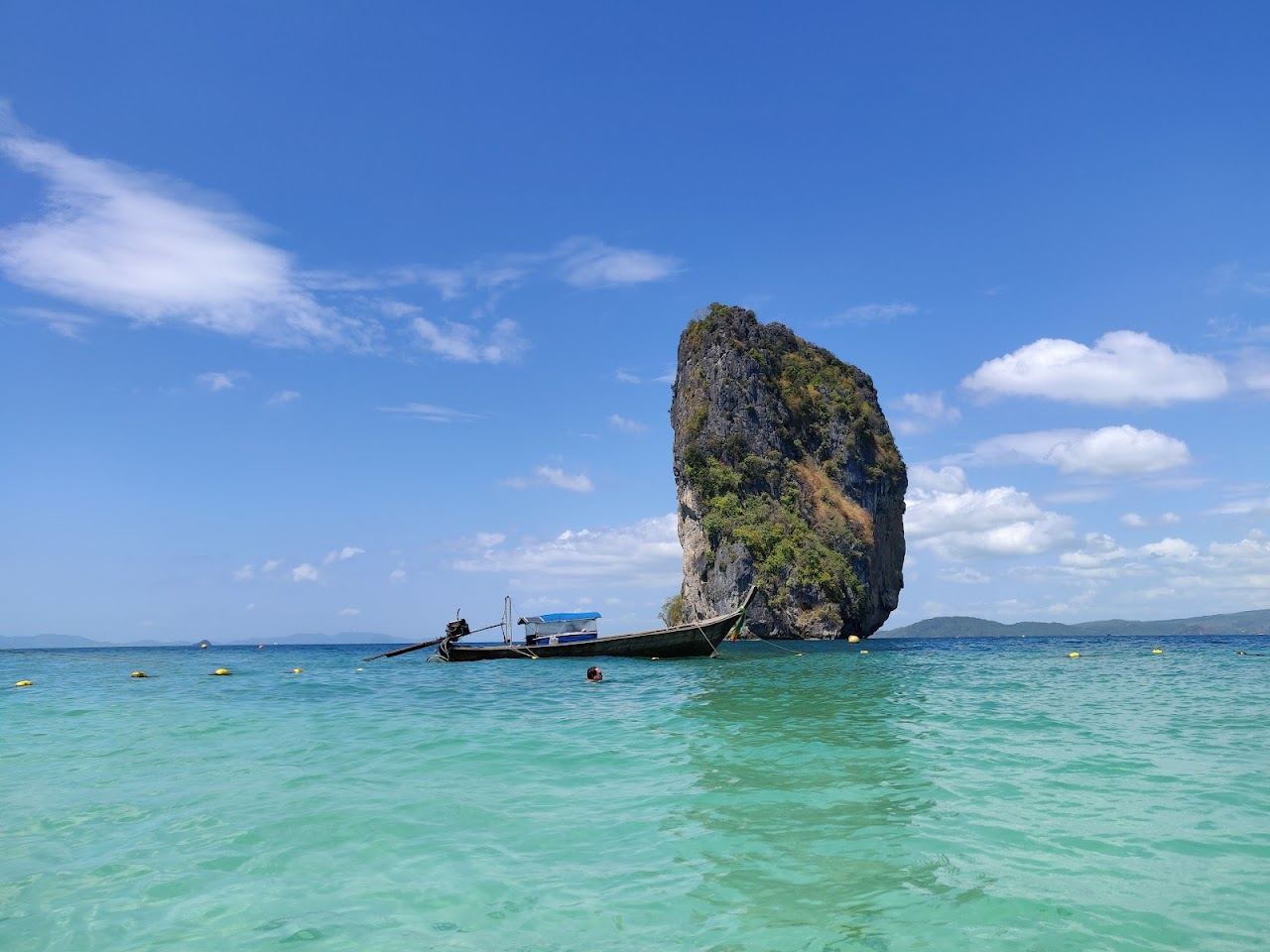
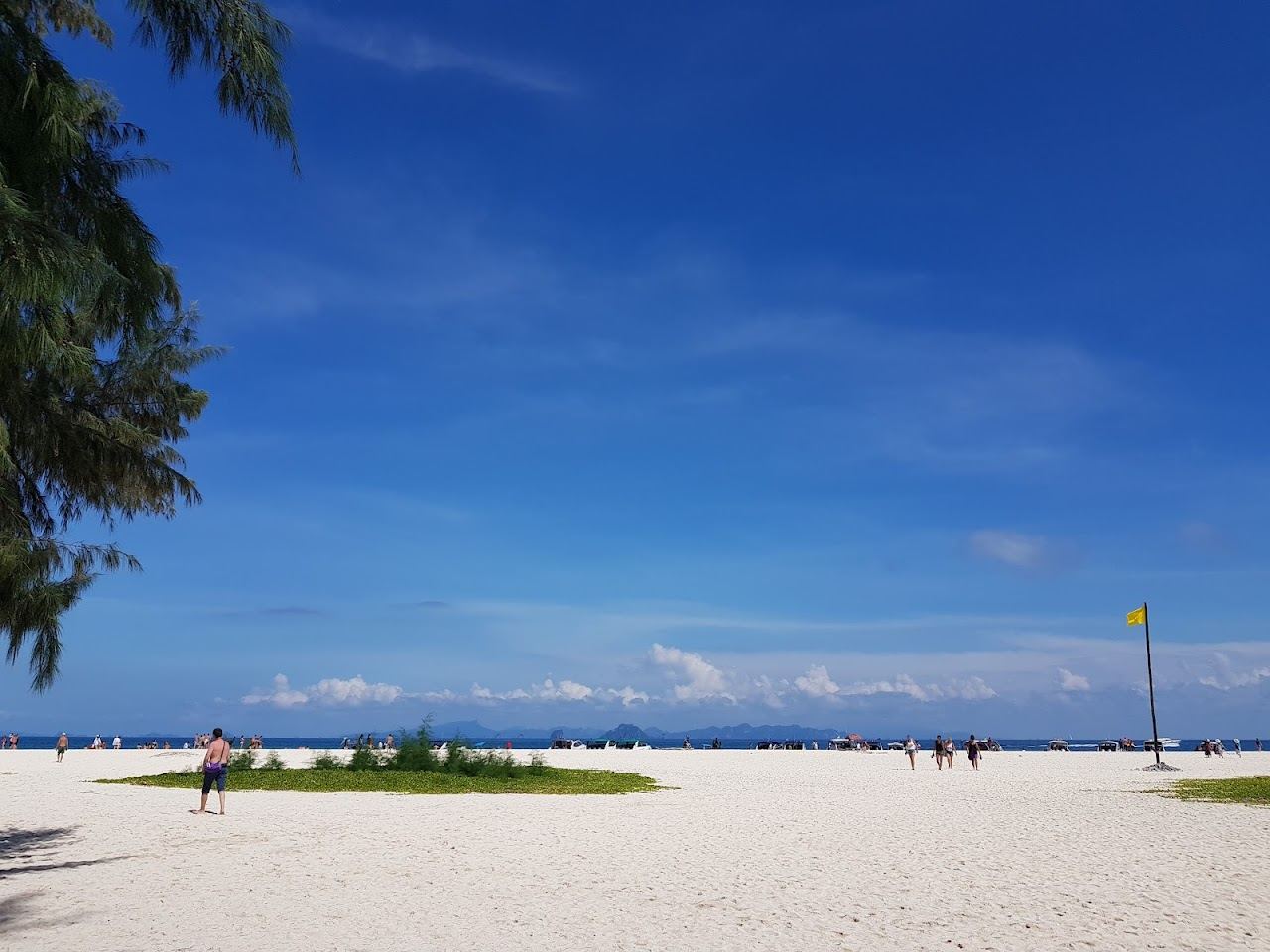
Bamboo Island, Koh Mai Phai to give it its Thai name, is the little sister to the north of Phi Phi Don, and it punches far above its size on two counts. The sand is extraordinary, among the whitest and finest in the whole Phi Phi group, the kind of pale powder that turns the shallows an unreal milky turquoise. And the snorkelling is the easy, joyful sort, a shallow coral reef wrapped around much of the island so you can wade in off the beach and be among the fish within a few fin kicks. On a calm, clear morning it is as close to the brochure as this coast gets.
The honest read is that Bamboo is a stop, not a stay, and it works only if you respect what it is. There is no accommodation and there are no clubs, just a ranger post, toilets and a thin line of forest that offers almost no shade once the sun climbs. It sits inside the national park, so you pay a fee in cash on arrival that the cheaper tours quietly leave out of their headline price. And it gets busy. By late morning the Phi Phi day boats converge, the small beach fills, and the snorkelling water churns with fins and feet. The island that felt like a private paradise at nine o'clock can feel like a crowded sandbar by noon.
So we treat Bamboo the way it deserves, as a dawn raid rather than a lazy day. Take the earliest boat you can, snorkel the reef while the water is still glass and the sand is still empty, and you will understand why people rave. Bring your own shade, plenty of water and reef safe sun cover, keep off the coral, and plan to be moving on as the crowds and the heat arrive together. And always check the park status first, because as a protected island Bamboo can close in the green season, and a wasted crossing is a poor way to spend a morning.
Where to settle in
There is no club on this protected island, so the comfort comes before and after on the mainland. See our Krabi beach clubs directory for the venues that do the lounging.
No club on the sand
Bamboo Island is a national park island with a ranger post, toilets and nothing more, so there is no daybed, no bar and no service here, which is part of its charm and the reason it stays unspoiled. Plan it as a self contained snorkel stop, bring your own shade, water and food, and save the lounger for the mainland at the end of the day.
Phi Phi Don, for the night
If you want to slow down rather than dash back, base yourself on Phi Phi Don and fold Bamboo into a short morning trip. The island's Long Beach resorts give you a calm sundowner and a bed close to the reef, turning a rushed day boat into an unhurried couple of days. The quiet way to enjoy this corner of the park.
Ao Nang clubs, on the mainland
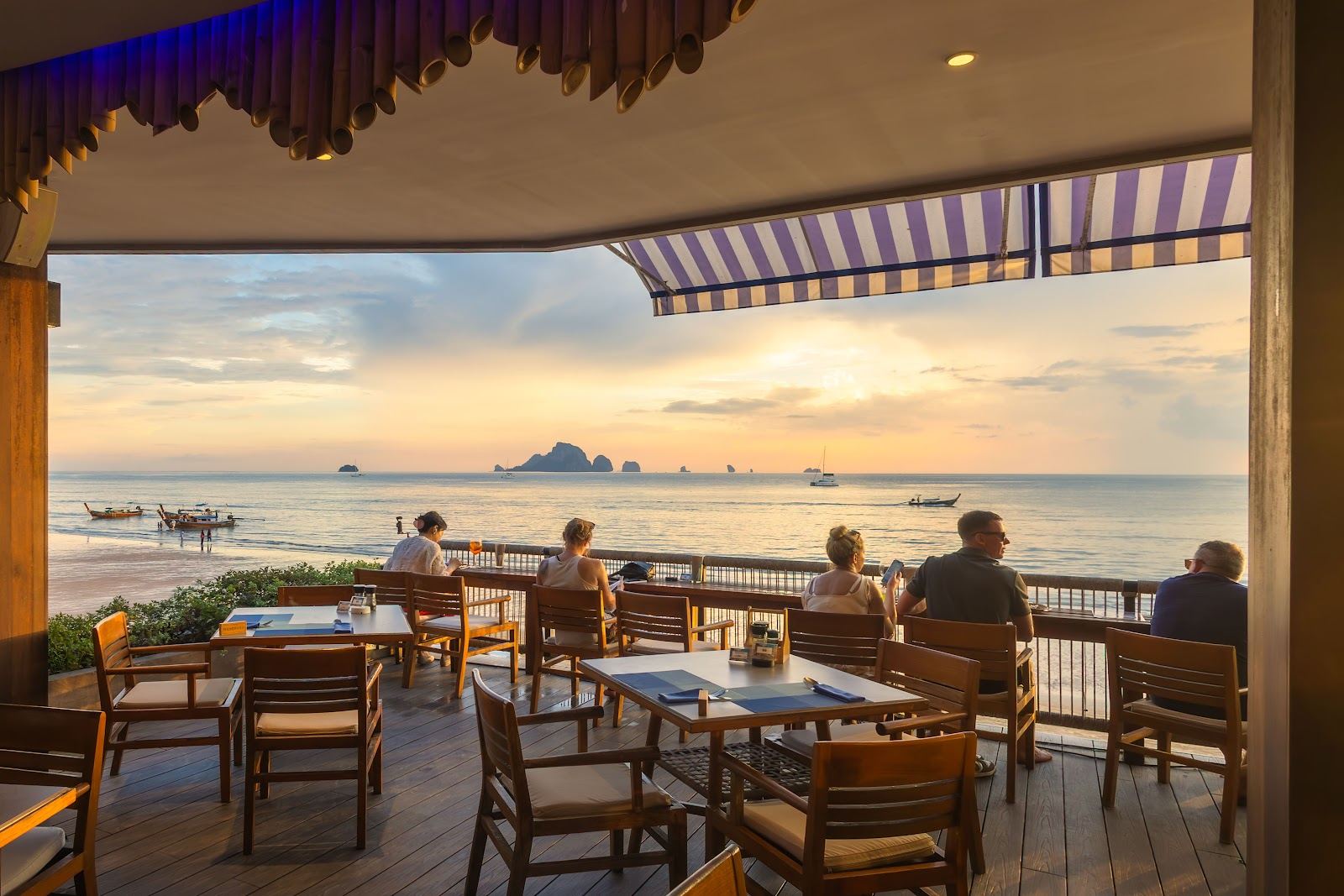
Back on the Krabi mainland, the Ao Nang beach clubs are where the day ends in comfort, with Reeve and Katara leading the sunset scene over a proper lounger and a cold drink. Snorkel the island in the morning, settle into a mainland club by evening, and you get the wild and the easy in one good day.
Bamboo Island sits just north of Phi Phi Don and is reached only by boat, most easily on a snorkelling tour or a charter from Phi Phi Don, which is closest, or on a longer day trip by speedboat from Ao Nang or Krabi. The crossing from Phi Phi takes around half an hour and from the mainland one to two hours depending on the boat and the sea. There is a national park fee paid in cash to the rangers when you land, usually left out of the tour price, so carry enough baht for your group.
Go in the dry season from November to April for the calmest sea and the clearest snorkelling, and take the earliest departure to beat the crowds and the midday sun. There is next to no shade, so pack a sun shirt, a hat, reef safe sun cover and plenty of water, and bring your own snorkel if you can for a better fit. Keep off the coral, swim within your depth, and check the park status before you travel in the green season, since the island can close and conditions here are typical and never guaranteed.
Not ready to book?
Keep the good shorelines coming. Shore Notes is our occasional letter on the best beaches and the clubs worth your day, sent straight to your inbox. One field, unsubscribe any time.
Plan your day on the coast
Snorkel Bamboo in the morning, then settle into a sunset club back on Ao Nang. Tell us your date and party and we will point you to the right spot for two. No obligation, and we reply within 24 hours.
Independent and honest · 1,340 beaches ranked across 103 destinations · We answer to no resort
Common questions
Is Bamboo Island worth visiting?
Yes, for the sand and the snorkelling rather than for a long day. Bamboo Island has the whitest, finest sand and some of the clearest shallow water near Phi Phi, with coral ringing the island that makes for easy snorkelling straight off the beach. The catch is that it is a tour stop with no shade to speak of and it gets busy by late morning, so the reward goes to those who arrive on the first boats and swim before the crowds land.
Is there a fee for Bamboo Island?
Yes. Bamboo Island sits inside the Hat Noppharat Thara and Mu Ko Phi Phi National Park, so a national park fee applies, paid in cash to the rangers on arrival. The published rate for foreign visitors has been around 400 baht for adults and 200 baht for children, which is typical and to be confirmed before you travel. Most organised tours do not include this fee in the headline price, so carry cash.
Can you snorkel at Bamboo Island?
Snorkelling is the main reason to come. A shallow coral reef rings much of the island in clear, calm water, so you can drift straight off the sand and find clownfish, butterflyfish and sergeant majors over table and branching coral. Visibility on a settled dry season day can run ten to fifteen metres. Tread and float carefully over the coral, never stand on it, and treat the conditions as typical and never guaranteed.
Is Bamboo Island ever closed?
It can be. As a national park island, Bamboo Island has at times been closed to visitors during the green season to let the reef and beach recover, and dates vary year to year. Always check the current park status before booking a trip in the May to October window, treat any closure as possible and to be confirmed, and have a backup island in mind so a closed gate does not undo your day.
When is the best time to visit Bamboo Island?
Come in the dry season from November to April for the calmest sea, the clearest snorkelling and the most reliable boats, and aim for the earliest departure so you reach the sand before the Phi Phi day tours arrive in force. By the middle of the day the small beach is busy and the sun is fierce with little shade, so go first, snorkel early, and bring your own sun cover and water.