 Photo: silvija jug via Google
The best beaches for snorkelling on Fuerteventura
A wind and surf island, so chase the few sheltered bays and the boat to Lobos.
The verdict
- Best forSnorkellers who understand this is a wind and surf island first, so the move is the few sheltered bays on calm days and the boat trip to the clear water off Isla de Lobos
- Top pickCaleta de Fuste, the calmest sheltered horseshoe bay on the island and the gentlest place to put a mask in
- One thing to knowThe clearest marine life is not on the main island at all, it is the boat to Isla de Lobos from Corralejo, so build a day around it
Published 20 February 2026. Last reviewed 24 April 2026
Let us be honest from the first line, because it saves disappointment. Fuerteventura is a wind and surf island, not a snorkelling island. The trade winds that draw kitesurfers and windsurfers from all over the world also stir the Atlantic, push a swell onto most of the coast and churn the water, so the flat, glassy, fish filled conditions a snorkeller dreams of are the exception here rather than the rule. Come knowing that and you will have a fine time in the right spots. Come expecting the Red Sea and you will spend a week chasing clear water that is not there.
What the island does have is a handful of sheltered bays that work on calm days, and they are worth knowing. Caleta de Fuste is the safest bet, a man made horseshoe that stays calm when everywhere else is moving, gentle and shallow and ideal for a first mask. The white lagoon of La Concha at El Cotillo and the shallow turquoise pools along that northern coast give clear, easy water with a few fish around the rocks, and the long sands of Jandia and Morro Jable sometimes go clear in high summer with rays gliding over the sand.
We have ranked the spots below for the snorkelling and, in our usual way, for where to eat and what to see, because a Fuerteventura day is also Majorero goat cheese, papas arrugadas with mojo and the sea caves of Ajuy. The big honest point, made plainly below, is that the island's best underwater life is the boat trip to the little islet of Isla de Lobos off Corralejo. Conditions are typical rather than guaranteed, the wind is the deciding factor, and anything we cannot verify is marked to be confirmed.
Six of the best beaches for snorkelling on Fuerteventura
The sheltered bays that work on calm days, and the lunch and the geology around them.
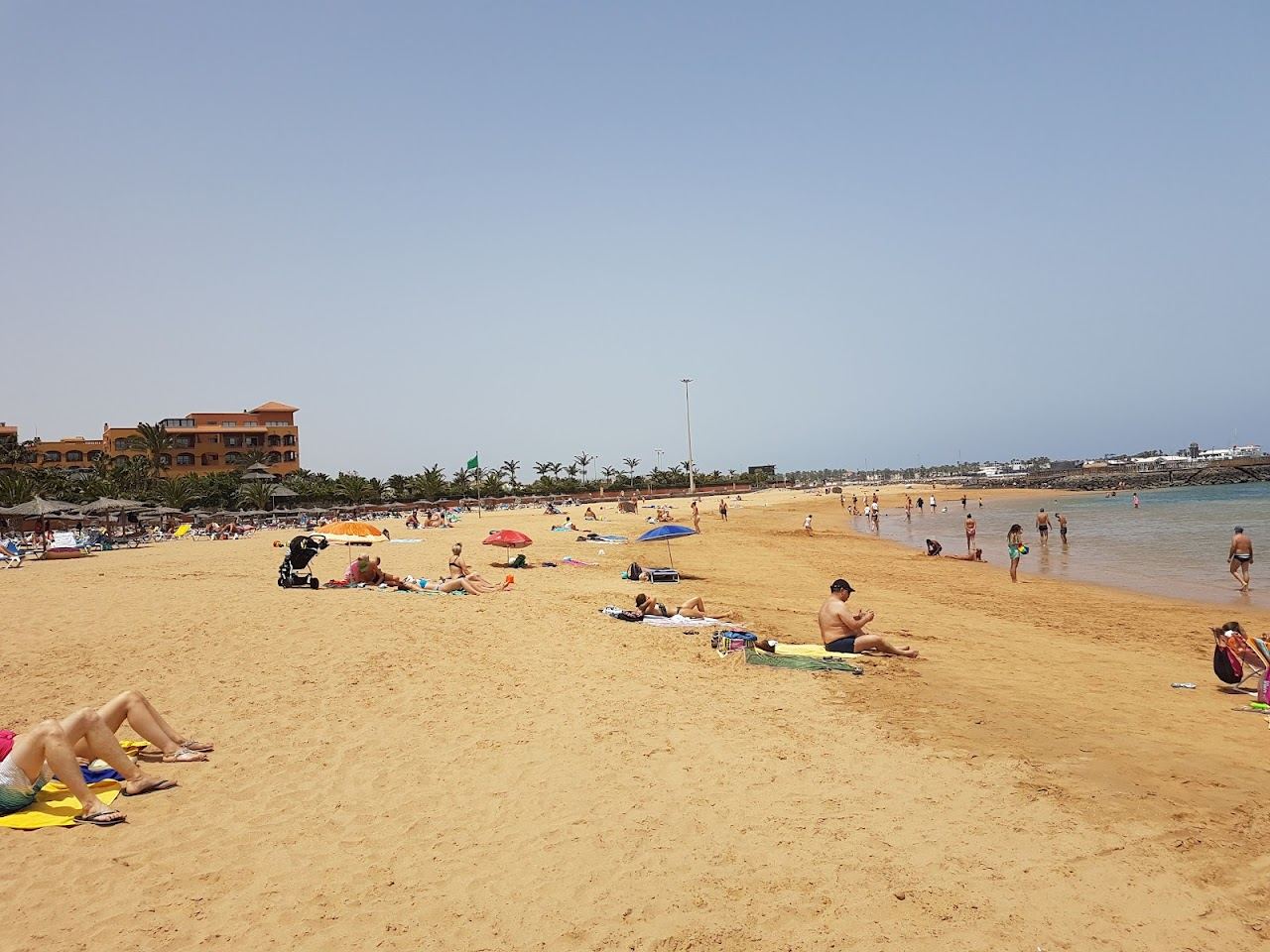
Caleta de Fuste
The calmest, most reliable snorkel on the island, a sheltered man made horseshoe bay that stays gentle when the rest of the coast is moving, shallow and clear with fish around the rocks and the breakwater. Ideal for a first mask or for children. On the list at the top for the easy calm water and the convenience, with a marina full of restaurants right behind for fresh fish once you are done.
La Concha
A beautiful sheltered white sand bay just south of the laid back town of El Cotillo, partly protected from the swell so the turquoise water often stays calm and clear with fish along the rocky arms of the bay. On the list for the prettiest gentle snorkel in the north, swell permitting, with the famous fish restaurants of El Cotillo a short walk away for grilled vieja and a cold beer after.
El Cotillo lagoons
The string of shallow turquoise lagoons north of El Cotillo town, sheltered behind low rocks so the water warms and calms, more a paddle and a float than a deep reef but lovely and safe with small fish near the stones. On the list for the gentlest family snorkel on the island, a place for children and beginners, with El Cotillo itself behind for one of the best seafood lunches on Fuerteventura.
Corralejo
The lively northern town and the launch point for the island's real snorkelling, the short boat to the protected islet of Isla de Lobos with its clear water and marine life. The town coves themselves are decent on a calm day. On the list mainly as the base for the Lobos trip, with the old town harbour and its fish kitchens the natural place to eat before or after the crossing.
Morro Jable
The long golden sweep at the southern tip, a sandy bottomed beach that can go surprisingly clear in calm high summer, with rays and small fish over the shallows and more life around the harbour rocks. On the list for the summer clear water and the relaxed resort base, the gateway to wild Cofete inland, with the fish restaurants of the old town and the harbour for a long lunch.
Ajuy
A dramatic black sand cove on the wild west coast below ancient sea caves and cliffs, included honestly because it is stunning to see but poor and often unsafe for snorkelling, the open Atlantic swell rolling straight in. On the list as the where not to swim with a mask, come for the geology, the cave walk and a lunch of fresh fish and Majorero cheese in the village instead.
Be honest, this is a surf island, so the real reef is the boat to Lobos
The honest read is the whole point of this page. Fuerteventura is one of the windiest islands in the Atlantic, which is exactly why the kitesurfers and windsurfers love it, and that same wind is the enemy of good snorkelling. Most of the coast catches swell, the water churns, and the visibility that makes a reef worth swimming over comes only on the calmer days in the more sheltered spots. There is no coral reef here in the tropical sense either, the marine life is Atlantic, rays and small fish over rock and sand rather than a wall of colour, so set the expectation right and you will enjoy what is actually here.
The sheltered bays are the answer on the island itself. Caleta de Fuste for the calmest water, La Concha and the lagoons at El Cotillo for gentle clear pools in the north, and Morro Jable in the south when high summer flattens the sea. Steer clear of the obvious traps, the windsurf coast of Sotavento and Costa Calma is too windy and churned to be worth it, and wild Cofete and the west coast caves at Ajuy have strong currents and Atlantic swell that make them unsafe for a mask however beautiful they look. Match the spot to the day.
And the genuinely good underwater life is a short boat ride away. The little islet of Isla de Lobos, just off Corralejo in the north, is a protected natural park with the clearest, calmest, most fish rich water in the area, reached by a quick ferry and well worth building a day around. If clear water snorkelling is your priority, plan that trip and treat the island beaches as the calm day bonus. Numbers on Lobos are capped and a permit may be needed, so treat that as to be confirmed, and check the wind, because conditions are typical rather than guaranteed.
Beach clubs and a fish lunch after the swim
Fuerteventura keeps things relaxed and unpolished, more surf cafe, marina restaurant and village fish kitchen than glossy beach club, and a snorkel morning here ends over papas arrugadas, Majorero goat cheese and a plate of fresh vieja rather than a daybed and a bottle. The easiest tables cluster at the Caleta de Fuste marina, the seafront of El Cotillo and the harbour at Morro Jable. Operators, opening status and any minimum spend shift through the season, so we keep the live list on the directory. Tell us your dates and the kind of day you want and we pass the enquiry on to confirm what is open.
Book a beach club in Fuerteventura
Independent and honest · 1,340 beaches ranked across 103 destinations · We answer to no resort
Before you go
Is Fuerteventura good for snorkelling?
Honestly it is a wind and surf island first, so the clear calm days are limited and there is no tropical coral reef, just Atlantic life over rock and sand. The best snorkelling is the boat to the protected islet of Isla de Lobos, with a few sheltered bays like Caleta de Fuste working well on calm days. Set the expectation right and you will enjoy it.
Where is the best snorkelling on Fuerteventura?
The sheltered horseshoe bay at Caleta de Fuste is the calmest and most reliable, the white bay of La Concha and the lagoons at El Cotillo are gentle and clear in the north, and Morro Jable can go clear in high summer. The real prize for marine life is the boat trip to Isla de Lobos from Corralejo.
Which Fuerteventura beaches are not good for snorkelling?
The windsurf coast of Sotavento and Costa Calma is too windy and churned to be worth it, and wild Cofete and the west coast caves at Ajuy have strong currents and Atlantic swell that make them unsafe for a mask. They are spectacular to see, but go for the sheltered bays to snorkel.
What will you see snorkelling on Fuerteventura?
Atlantic marine life rather than tropical coral, so expect rays and the occasional angel shark over the sandy shallows and small fish around the rocks and breakwaters, with more in the sheltered rockier spots and off Isla de Lobos. Conditions are typical rather than guaranteed.
Where do you eat after snorkelling on Fuerteventura?
El Cotillo and Morro Jable for fresh fish like vieja and sama, the marina at Caleta de Fuste, and the village of Ajuy after the sea caves. Pair it with Majorero goat cheese, papas arrugadas with red and green mojo and a cold local beer.