Grandes Playas de Corralejo, Fuerteventura
The verdict
- Best for: Travellers who want white dunes and turquoise water by day and a lively town of fish terraces and tapas by night, all in one easy base.
- Best spot: Walk south from the car parks into the dunes, away from the two big hotels, for the emptiest and most beautiful stretch of white sand.
- Know this: This is an open Atlantic beach, so it is breezy and the swell varies, lovely on a calm morning and bracing on a windy afternoon.
Published 22 April 2026. Last reviewed 6 June 2026
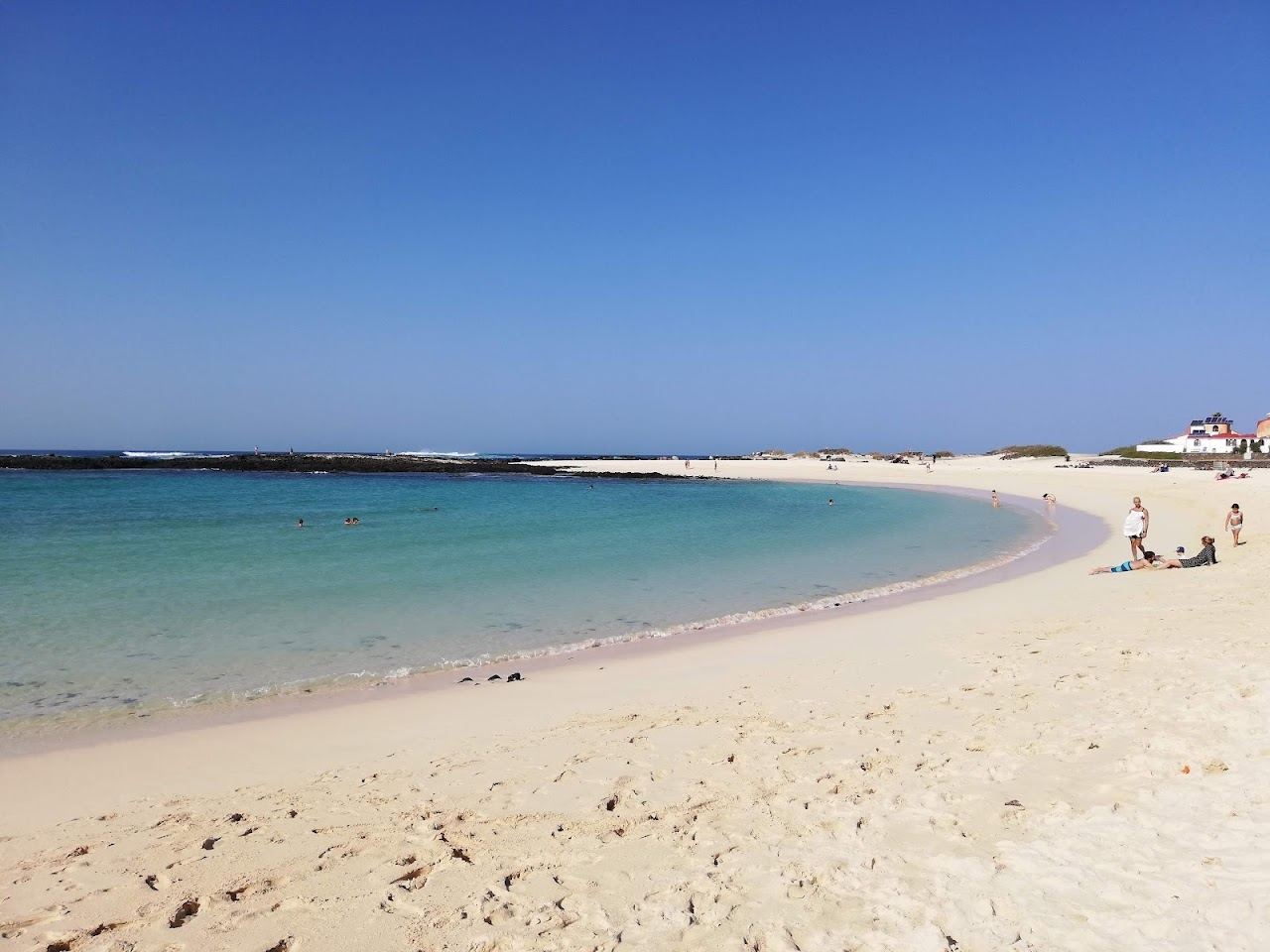
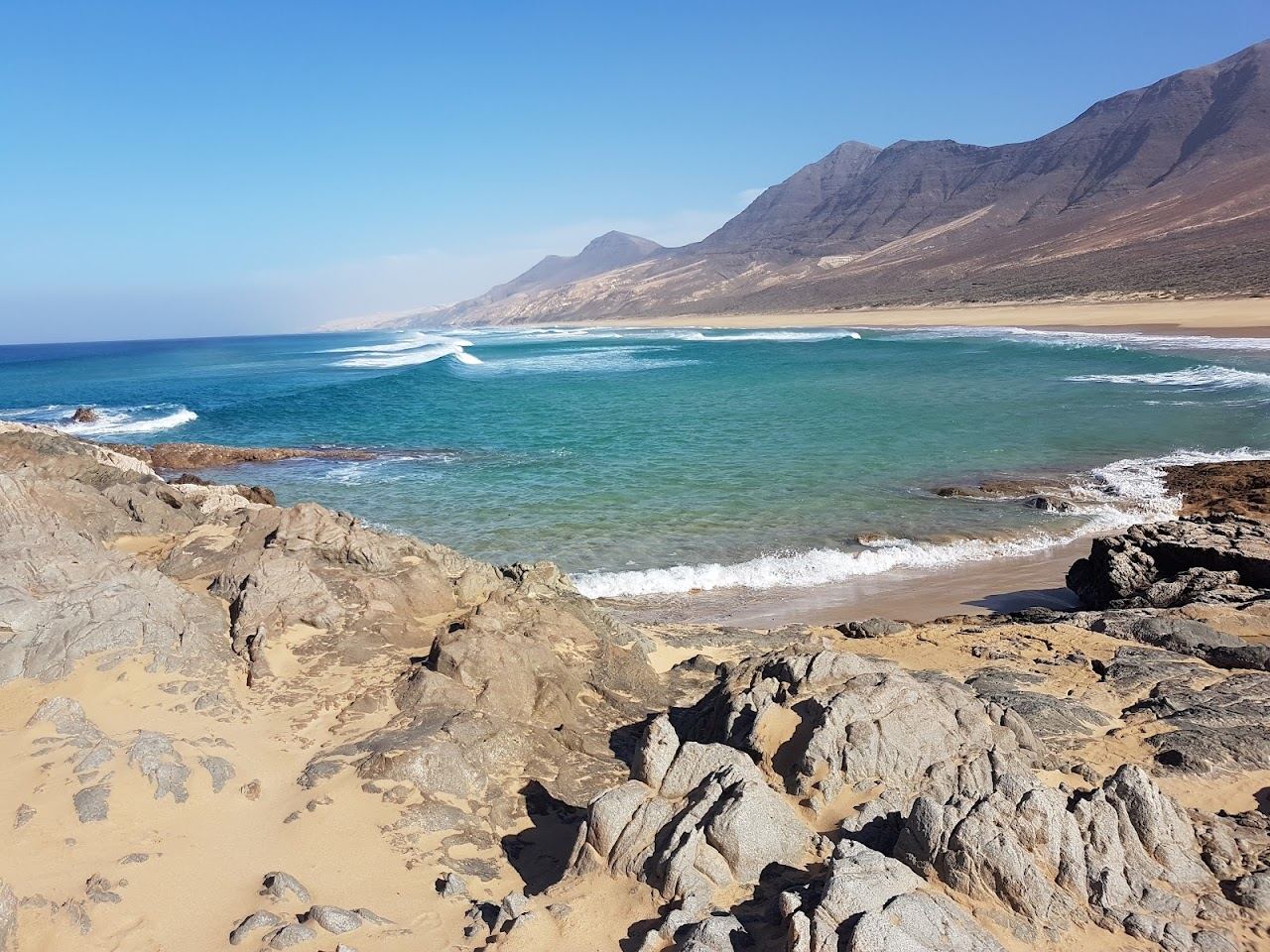
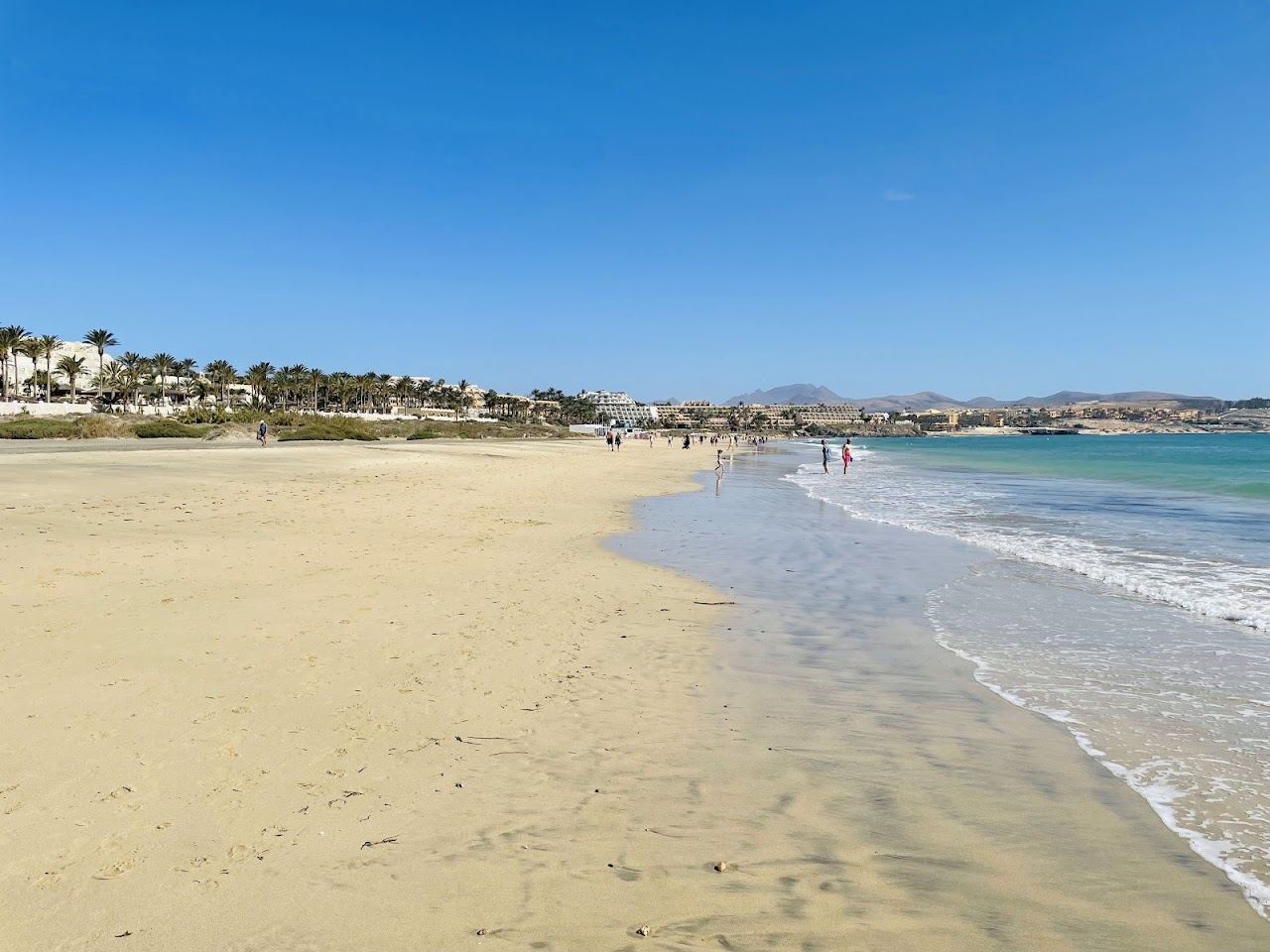
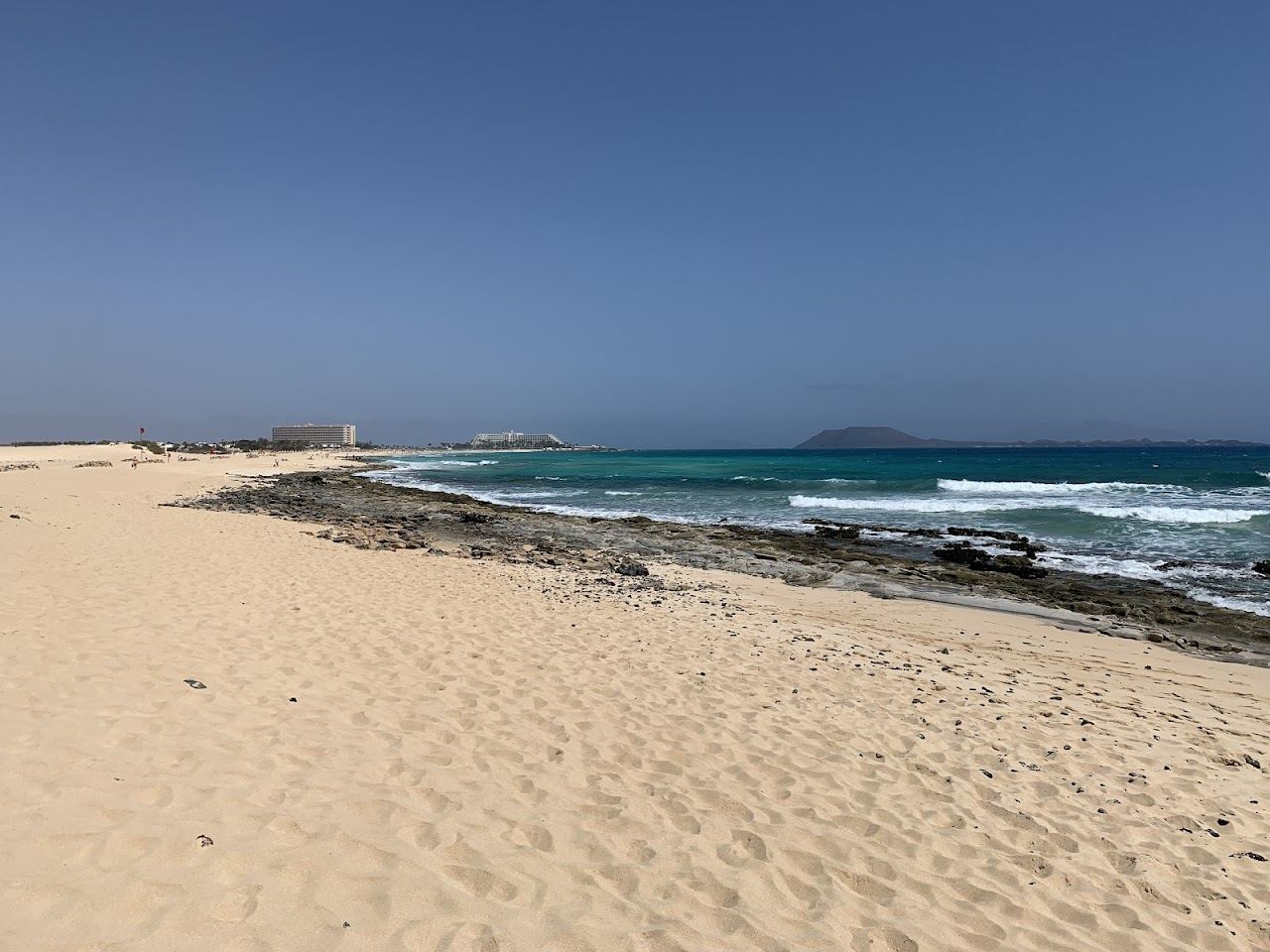
The Grandes Playas de Corralejo are the great white beaches of the north, and the dunes are the reason to make the trip. South of the town the land rises into the Corralejo natural park, a protected wilderness of pale shifting dunes that runs down to a shore of clear turquoise water. Walk out into it and the crowds thin, the buildings fall away behind the sand hills, and you have one of the most cinematic stretches of coast in the Canaries almost to yourself. This is the version of Corralejo worth driving for.
The honest read is to know where to stand. Two large hotels sit right at the edge of the protected dunes, a long running sore point on the island, and the sand directly in front of them is the busiest and least lovely part of the beach. The town beaches up by the harbour are small and packed in season. The smart move is simple. Park along the dune road, walk a few minutes south past the hotels, and the beach opens out wide and quiet. Remember too that this is an open Atlantic coast, so the wind and swell change by the day. It is glorious on a calm morning and bracing when the north wind is running, which is exactly why the kite and windsurf crowd love the breezy beaches nearby.
For a wanderer who treats a beach as half the day, Corralejo earns its keep after the swim. The old harbour quarter is the most sociable place to eat on Fuerteventura, with fish landed that morning, tapas terraces and the island's nutty Majorero goat cheese turning up on every menu. Skip the chain heavy main strip and aim for the streets around the old port. Better still, take the little ferry across to Isla de Lobos for a half day on a protected islet, then come back hungry for a long lunch by the water. Dunes in the morning, fish and cold wine in the afternoon, that is the town at its honest best.
Beach bars and clubs here
Corralejo is more chiringuito and harbour terrace than formal daybed scene. Compare the island's venues in our Fuerteventura beach clubs directory.
Dune edge beach bars
A handful of relaxed beach bars and chiringuitos sit where the dune road meets the sand, the natural place to break from the beach for a cold drink, a plate of fish and some shade between dips. Specific operators, hours and any minimum spend are to be confirmed, since they change with the season, so ask when you enquire.
Corralejo old harbour terraces
Back in town the old port quarter lines the water with seafood terraces and tapas bars, the social heart of the north and the best place to land after a morning in the dunes. These are restaurants and bars rather than beach clubs, and tables, prices and hours are to be confirmed, so book ahead on busy evenings.
Corralejo sits at the northern tip of Fuerteventura, around a forty minute drive from the airport at Puerto del Rosario on a fast main road. The Grandes Playas begin a couple of kilometres south of town along the dune road, with free car parks and pull ins all the way down. The harbour in town is the departure point for the ferry to Isla de Lobos and the longer crossing to Lanzarote, so it makes an easy base for exploring the north.
Bring water, sun cover and a windproof layer, because the open coast can turn breezy in the afternoon even on a hot day. There is little shade on the dunes themselves, so an umbrella helps. Pick a calmer morning for swimming, walk south of the hotels for the quietest sand, and save the heat of the day for a long fish lunch in the old harbour. Watch the flags, mind the shore break and keep children close on the open beach.
Not ready to book?
Keep the good shorelines coming. Shore Notes is our occasional letter on the best beaches and the clubs worth your day, sent straight to your inbox. One field, unsubscribe any time.
Reserve a day near Corralejo
Tell us the date and party and we will match you to a venue near Corralejo and the dunes and pass on your request. No obligation, and we reply within 24 hours.
Independent and honest · 1,340 beaches ranked across 103 destinations · We answer to no resort
Common questions
Is Corralejo beach worth visiting?
Yes, for the dunes. The Grandes Playas run south of town inside the Corralejo natural park, a protected sea of white sand dunes meeting turquoise water, and that scale is the reason to come. The town beaches near the harbour are smaller and busier, so walk south into the dunes for the emptier, more beautiful sand and base yourself in the lively town for the eating.
Can you swim at the Grandes Playas de Corralejo?
Yes, the shallow turquoise water is inviting, but this is an exposed Atlantic coast so wind, swell and current vary by day and there can be a shore break. Lifeguard cover changes by season and zone. Pick a calmer morning, watch the flags, keep children close and treat conditions as typical rather than guaranteed.
Where should you eat in Corralejo?
The old harbour quarter is the heart of it, with fresh fish, tapas terraces and the local Majorero goat cheese on most menus. The main strip has the chains, but the streets around the old port hold the better tables. Pair a morning in the dunes with a slow fish lunch by the water for the town at its best.
How do you get from Corralejo to Isla de Lobos?
A short ferry runs from Corralejo harbour to the little island of Lobos, a protected reserve with a calm lagoon and walking trails just offshore. Numbers are capped so a permit and a booking are needed in the busy season, details to be confirmed with the operator. It makes a fine half day away from the main beaches.
Is Corralejo good for windsurfing and kitesurfing?
The north of the island is a wind sports magnet and the breezy beaches near Corralejo, including the well known Flag Beach area, draw windsurfers and kitesurfers with schools and rentals nearby. The same wind that thrills boarders can chill a beach day, so bring a layer and plan around the breeze.