El Cotillo, Fuerteventura
The verdict
- Best for: Travellers who want a calm lagoon swim in the morning, a wild surf beach and a sunset, then fresh fish on a harbour terrace to finish the day.
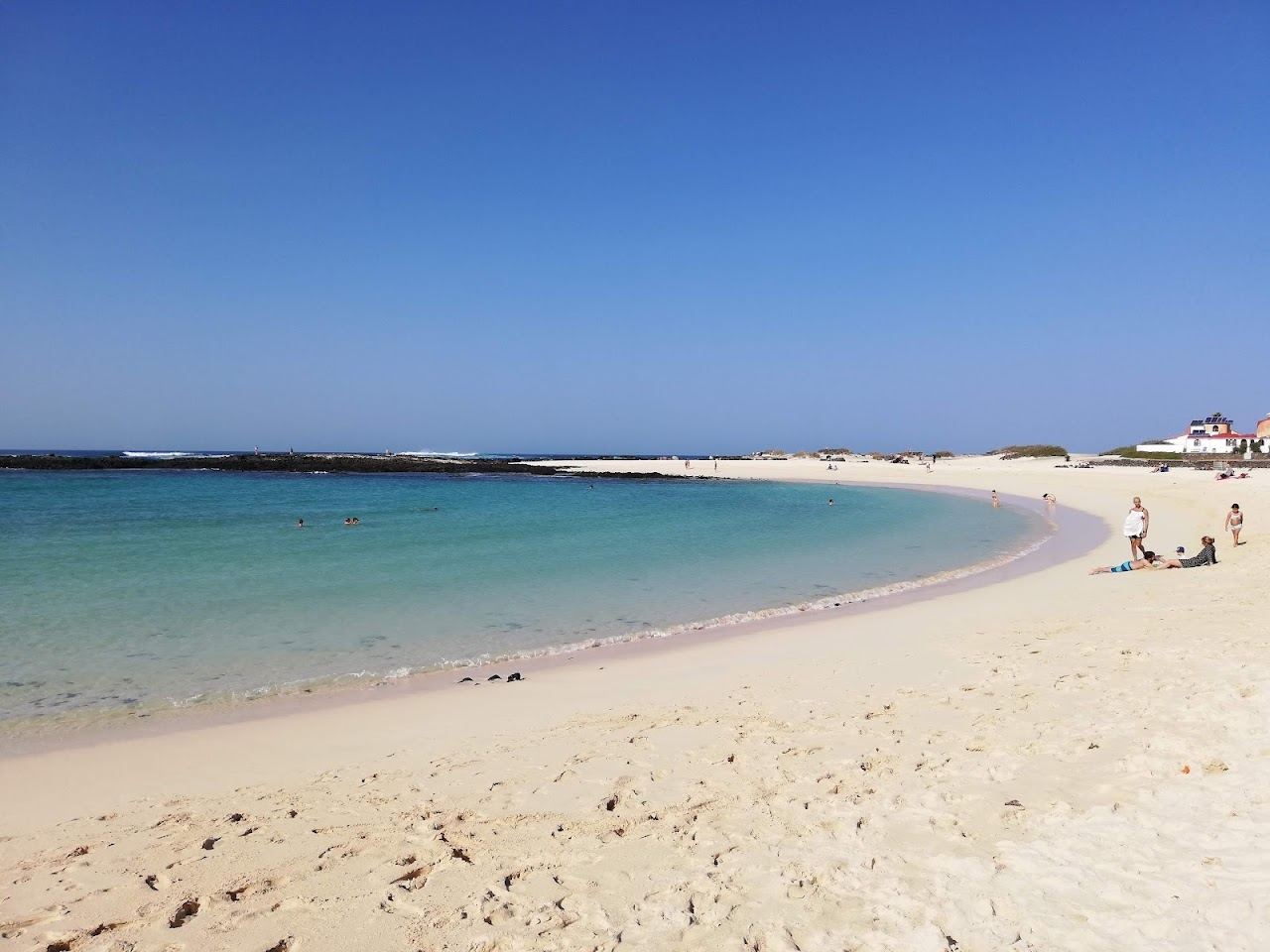
- Best spot: The reef lagoons north of the village for shallow turquoise water, with La Concha the prettiest pool of the chain and a guide of its own.
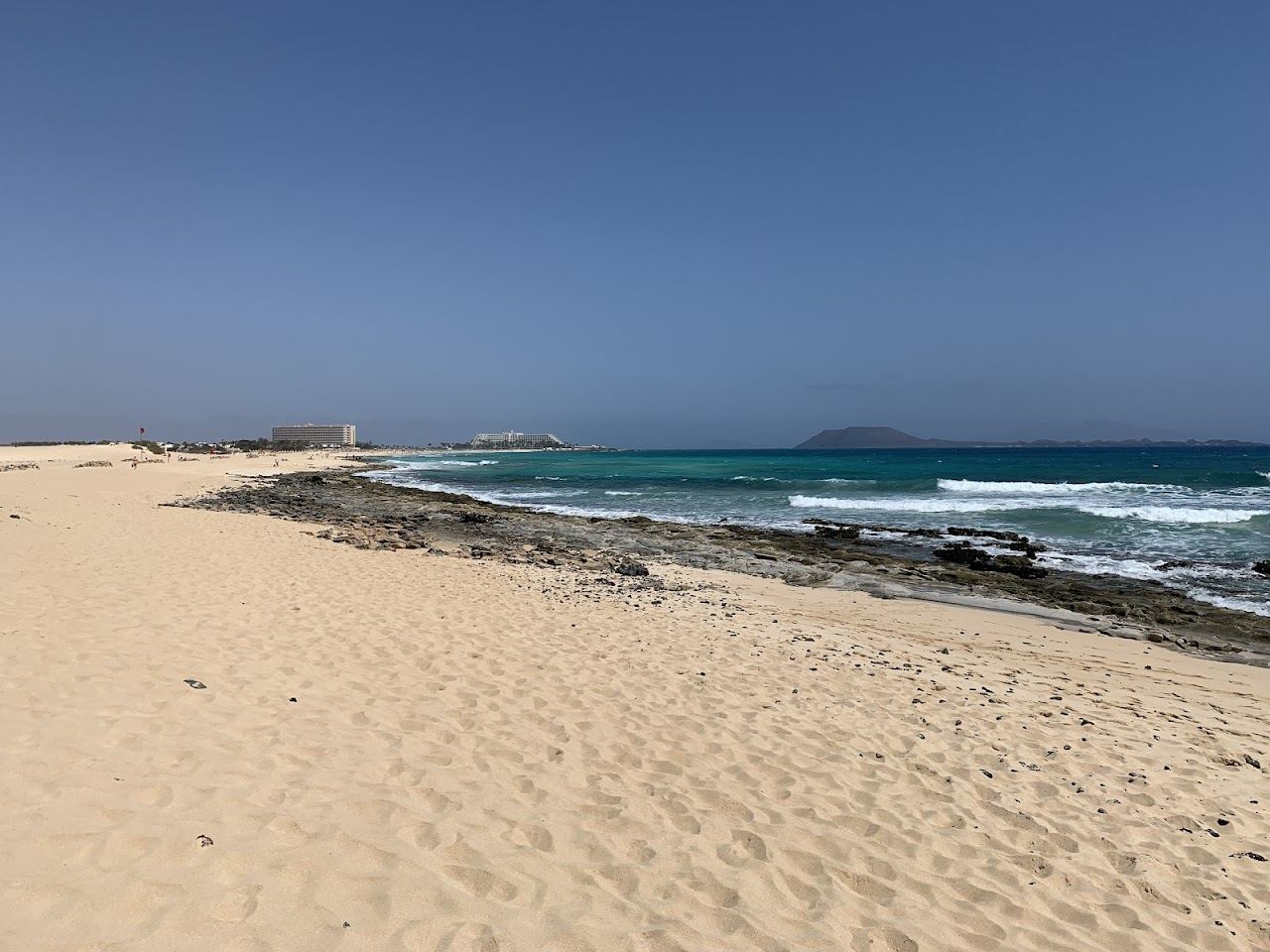
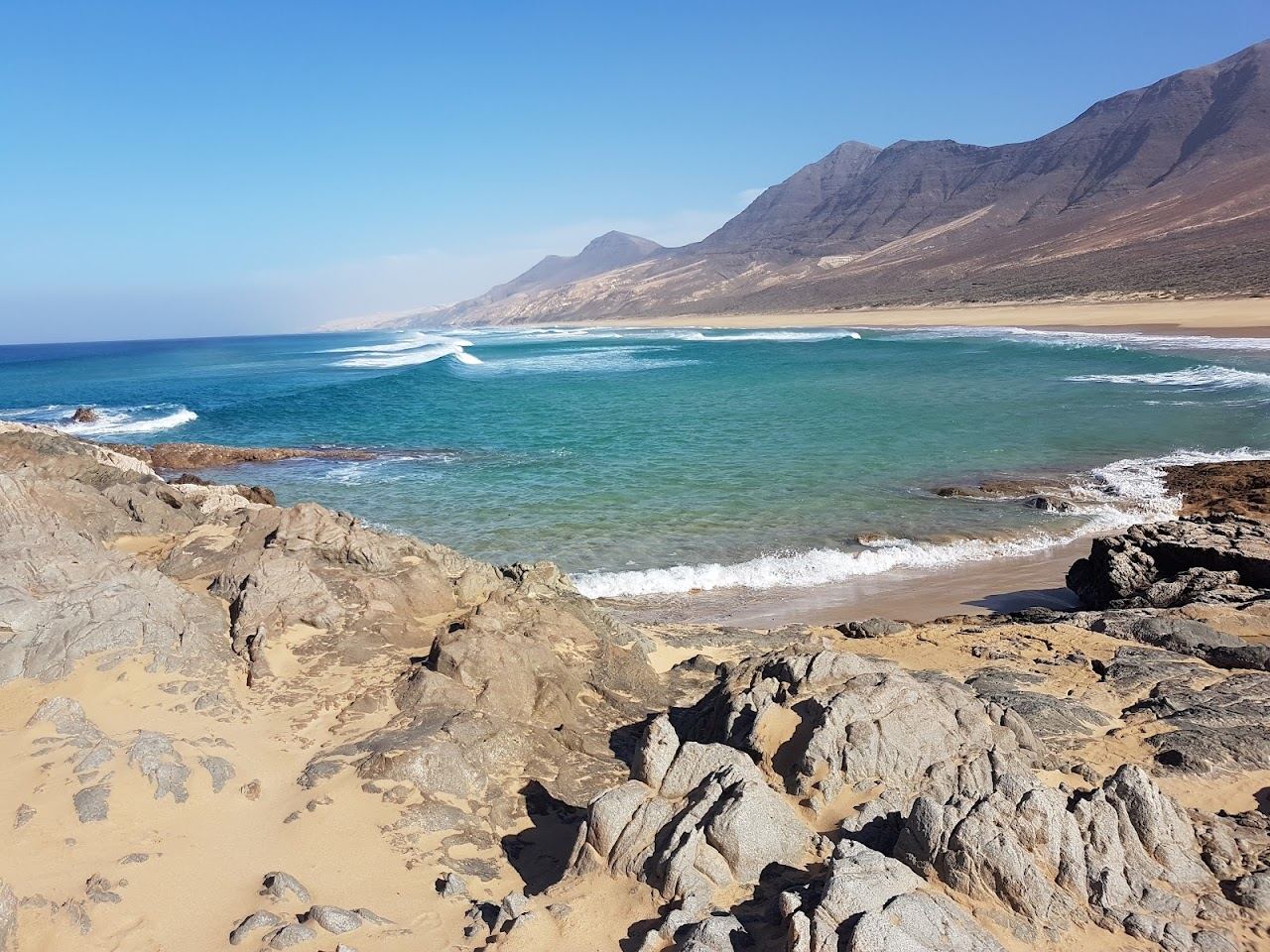
- Know this: The long beaches south of town are open Atlantic surf with rip currents, glorious to watch and to ride but not a place for a casual dip.
Published 4 March 2026. Last reviewed 20 May 2026
El Cotillo is two coasts pretending to be one small town, and that split is the whole pleasure of the place. Walk north from the village and the land breaks into a chain of reef sheltered lagoons, shallow pools of clear turquoise shaped like shells, where an outer reef takes the sting out of the Atlantic and leaves water calm enough for children to wade. This is the gentle, postcard side of El Cotillo, with La Concha the loveliest pool of the lot, lovely enough to have earned its own guide. Come early, because the small car parks fill fast once the island families arrive.
The honest read is to know which way to turn. South of the old watchtower the coast changes character completely, opening into long beaches of golden sand that face the full ocean. These are the surf beaches, often signed as Playa del Castillo or Los Lagos, and they are wonderful to walk and to ride but carry rip currents and a heavy shore break that catch people out every season. Treat the northern lagoons as your swimming and the southern beaches as your surfing and sunset walking, and El Cotillo gives you the best of both without any of the disappointment.
For a wanderer who measures a beach by the lunch that follows it, the harbour is the reason to stay past your swim. The old fishing port is tiny and unhurried, its terraces stacked above the water serving fish landed that morning, octopus, limpets and the island's nutty Majorero goat cheese. La Vaca Azul and El Roque Los Pescadores are the tables travellers come back for, both perched for the sunset, while Azzurro up by the lagoons does a fine Italian lunch when you come off the sand. Lagoon in the morning, surf and a walk in the afternoon, fish and cold wine as the sky turns. That is El Cotillo at its honest best.
Beach bars and tables here
El Cotillo is harbour terrace and surf cafe rather than formal daybed scene. Compare the island's venues in our Fuerteventura beach clubs directory.
Harbour seafood terraces
The old fishing port is lined with seafood terraces stacked above the water, the social heart of El Cotillo and the place to land after a swim for fresh fish, octopus and a long sunset. These are restaurants rather than beach clubs, and tables, prices and hours are to be confirmed and change with the season, so book ahead on busy evenings.
Lagoon and surf cafes
A scatter of relaxed cafes and beach bars sits near the northern lagoons and along the surf beaches, the natural place to break for a cold drink, a plate of fish and some shade between dips and sessions. Specific operators, hours and any minimum spend are to be confirmed, so ask when you enquire.
El Cotillo sits on the northwest tip of Fuerteventura, around a fifty minute drive from the airport at Puerto del Rosario and a short hop from Corralejo over the top of the island. A car is the easiest way to come and to move between the northern lagoons, the lighthouse and the southern surf beaches, which are spread along several kilometres of coast. There is parking near the lagoons, the lighthouse and the harbour, though every car park fills early on summer weekends when island families arrive for the day.
Bring water, sun cover and a windproof layer, because the northwest catches the breeze even on a hot day and shade is thin on the open sand. Swim in the calm northern lagoons, keep the exposed southern beaches for surfing and walking, and watch the flags and the shore break wherever you go in. Time your day to finish on a harbour terrace as the sun drops, book a table ahead in season, and keep children close on the open beaches.
Not ready to book?
Keep the good shorelines coming. Shore Notes is our occasional letter on the best beaches and the clubs worth your day, sent straight to your inbox. One field, unsubscribe any time.
Reserve a day near El Cotillo
Tell us the date and party and we will match you to a venue near El Cotillo and the lagoons and pass on your request. No obligation, and we reply within 24 hours.
Independent and honest · 1,340 beaches ranked across 103 destinations · We answer to no resort
Common questions
Is El Cotillo worth visiting in Fuerteventura?
Yes, and it is one of the most rewarding stops in the north. El Cotillo gives you two very different coasts in one small town. North of the village a string of reef sheltered lagoons hold calm turquoise water that suits families, while the long beaches south of town are wild Atlantic sand for surfers and walkers. Add a fishing harbour that eats very well and you have a full day rather than a quick swim.
Where is the calm water for swimming in El Cotillo?
Head north of the village to the lagoons, where an outer reef breaks the swell and leaves a chain of shallow pools of clear water. La Concha is the famous shell shaped one and has its own guide. The southern beaches near the old tower are far more exposed, with stronger surf and currents, so save those for surfing and sunset walks rather than a gentle dip.
Where should you eat in El Cotillo?
The little fishing harbour is the heart of the eating. The terraces above the old port serve fresh fish, octopus and the island goat cheese, and they catch the sunset beautifully. La Vaca Azul and El Roque Los Pescadores are the names travellers return for, with Azzurro near the lagoons for an Italian lunch. Tables and hours change with the season, so book ahead on busy evenings.
Is El Cotillo good for surfing?
Yes, the exposed beaches south of the village, often called Playa del Castillo or Los Lagos, pick up consistent Atlantic swell and draw surfers and bodyboarders through the cooler months. The same energy that makes the surf means rip currents and a shore break, so it is not the place for casual swimming. Check conditions, respect the flags and treat the sea as typical rather than guaranteed.
How do you get to El Cotillo from the airport?
El Cotillo sits on the northwest tip of Fuerteventura, around a fifty minute drive from the airport at Puerto del Rosario on good roads. A car is by far the easiest way to reach it and to move between the northern lagoons and the southern surf beaches. There is parking near the lagoons and around the harbour, though it fills early on summer weekends when island families arrive.