Queens Beach, Nin
The verdict
- Best for: Families and paddlers who want warm shallow water, walkers who like a long open beach, and anyone curious about the healing peloid mud on the plateau behind.
- Best spot: The stretch facing the Velebit mountains for the long view, with the mud plateau a short walk inland if you want to try the peloid that Nin is famous for.
- Know this: The water is famously warm and shallow but the wind can pick up across the open bay, so check the forecast, bring shade and water shoes for the fine shingle in places.
Published 10 March 2026. Last reviewed 3 April 2026
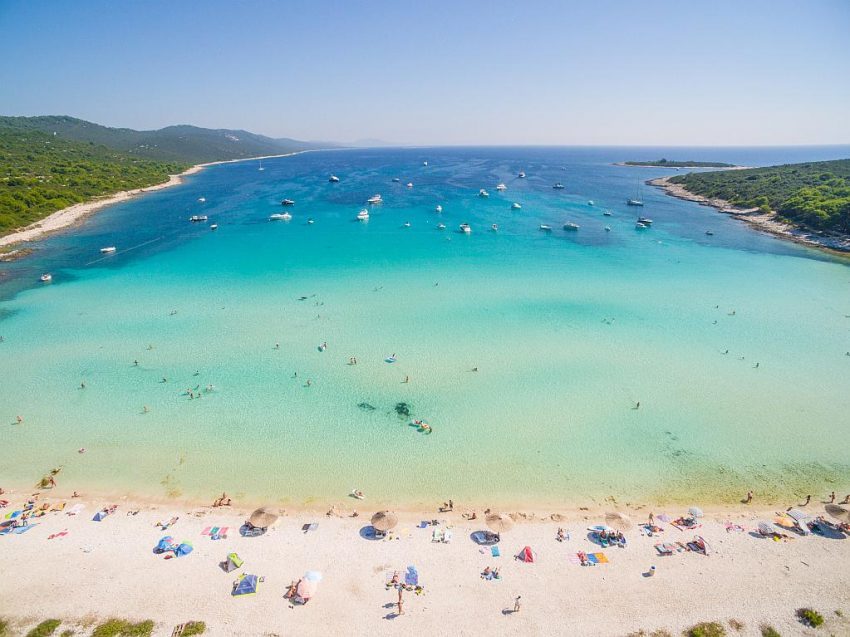
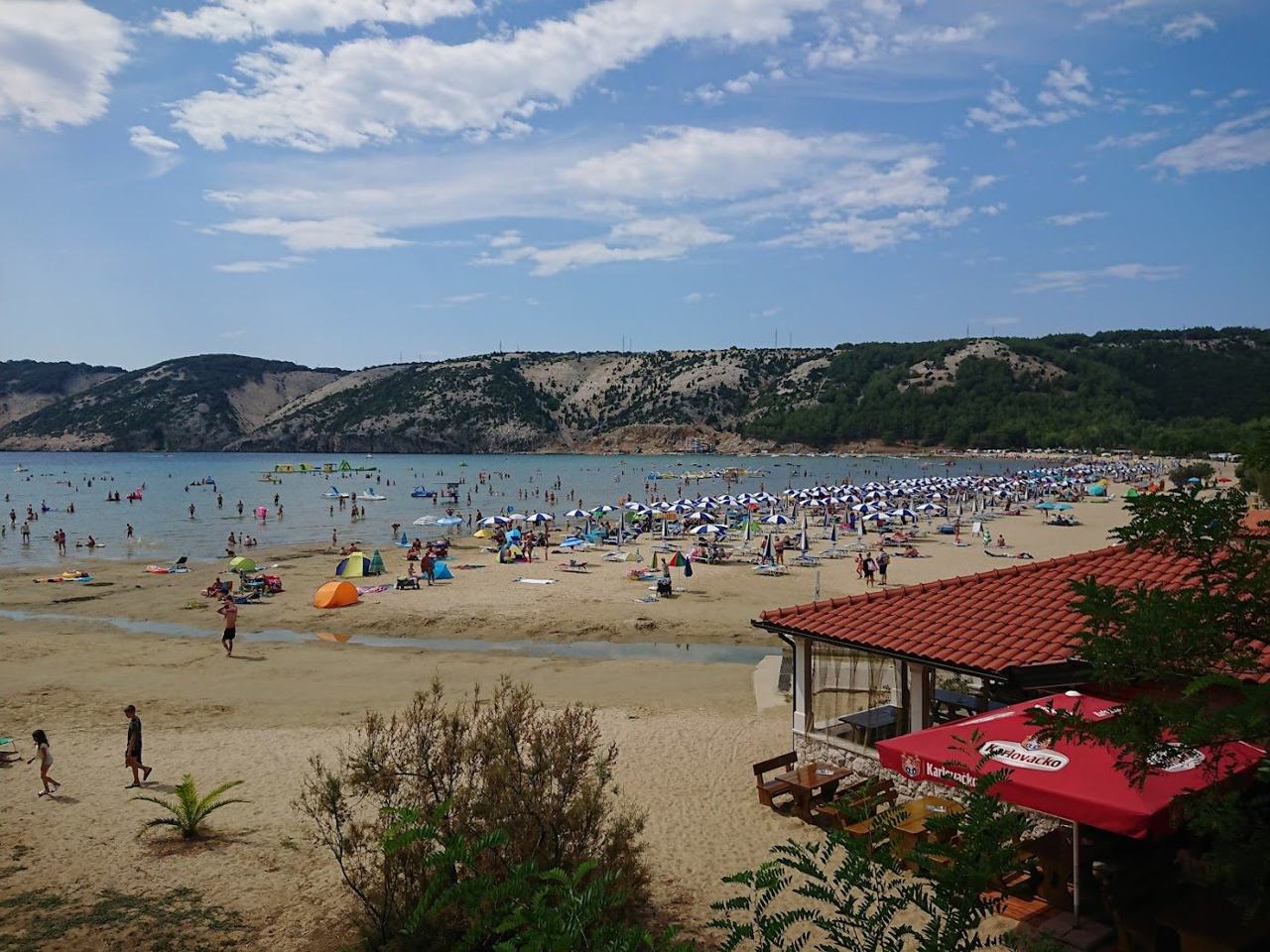
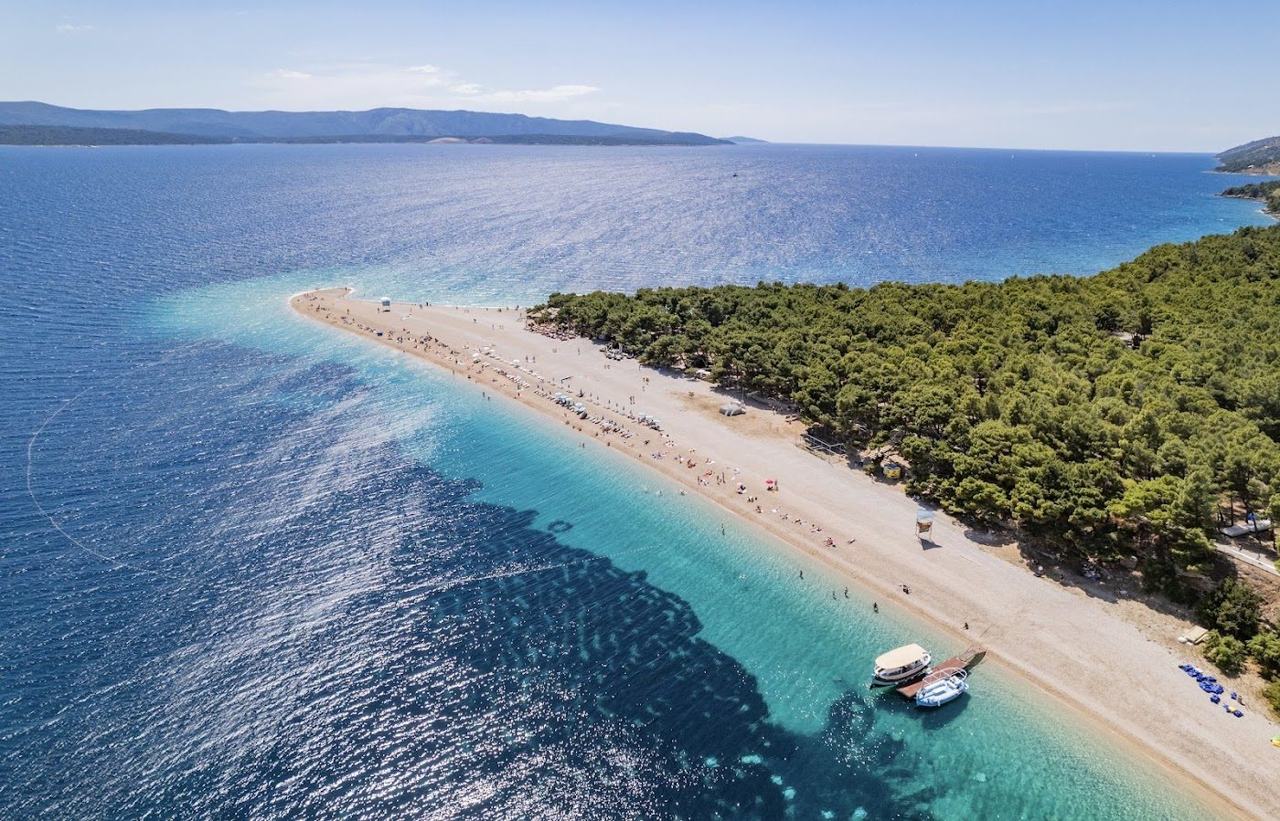
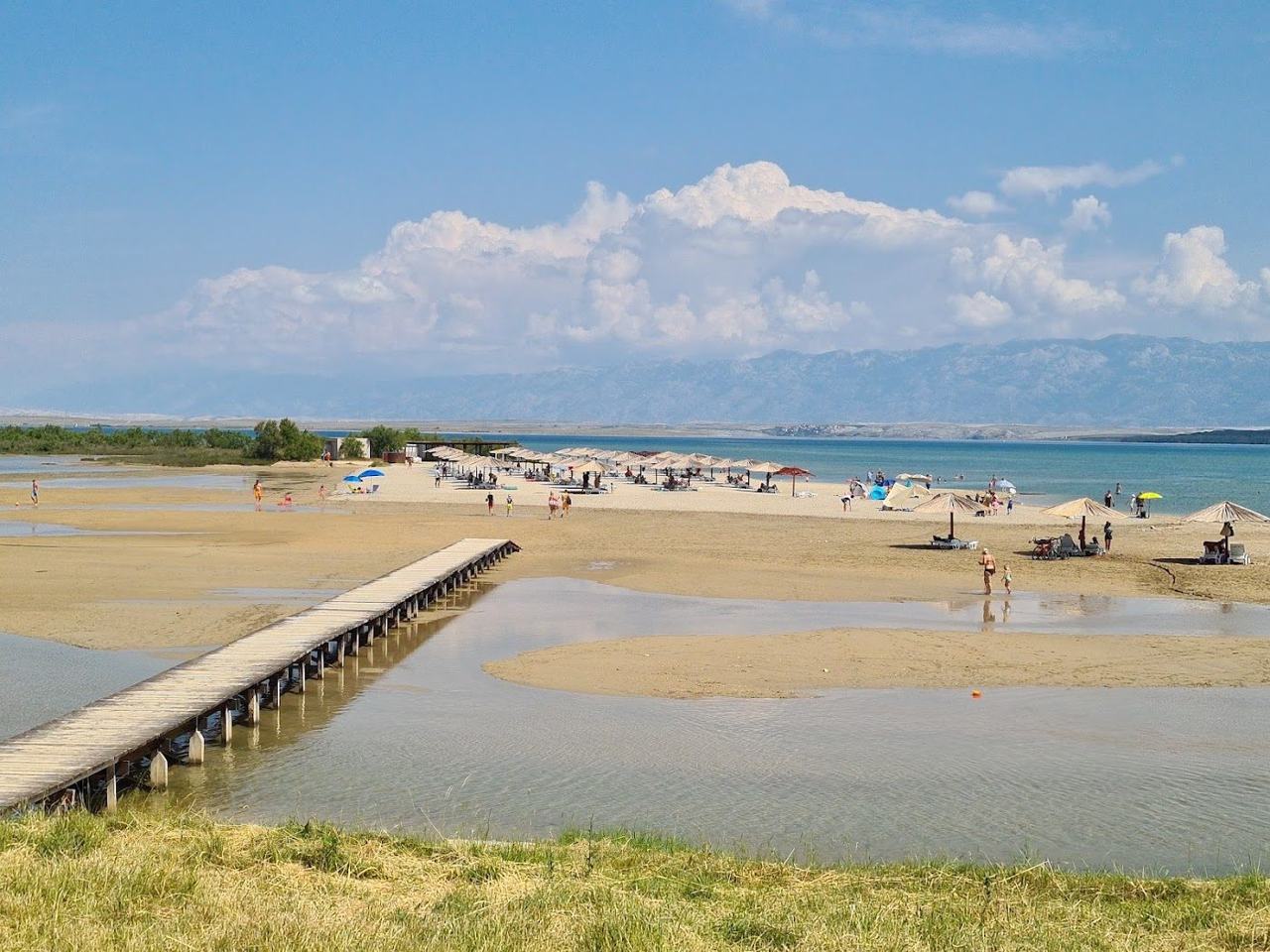
Queens Beach at Nin, Kraljicina plaza, is the beach that breaks every rule of the Croatian coast. Instead of a pebble cove pressed against rock, you get a long open sweep of sand and fine shingle that runs for kilometres along a shallow bay, widely called the longest sandy beach in the country. Across the water the grey wall of the Velebit mountains fills the horizon, and behind the beach lies the low plateau of mineral mud that has drawn people to Nin for its supposed healing powers for generations.
The water is the reason families love it. Because the bay is so shallow, the sea here is among the warmest on the whole coast, staying ankle to waist deep far from the sand, so children can wade out in confidence and the water feels almost bathlike by August. The openness means there is room for everyone even in summer, and the famous peloid mud is a genuine novelty: visitors walk to the plateau, coat themselves in the dark mineral mud, let it dry in the sun and rinse off in the sea.
The honest note is the exposure. This is a wide, open, low lying beach with little natural shade, so the sun is strong and you must bring your own umbrella. The same shallow bay that warms the water also catches the wind, and on a breezy day the surface ruffles and the fine sand can lift, so it pays to check the forecast. Come on a calm warm day with shade and water shoes for the shingle stretches, and Queens Beach delivers warm shallow water and a view that no pebble cove can match.
Clubs near this beach
Queens Beach is a long public sand beach of relaxed beach bars, sunbed hire and a famous mud spa rather than a single bottle service club. We describe what is there factually and route enquiries through our directory; we never invent venues.
Beach bars and sunbed hire
A handful of seasonal beach bars and sunbed and umbrella concessions line the sand, the easiest way to find shade and a drink on this open beach. Their names, rates and hours are set by the operators and to be confirmed.
Peloid mud plateau
Behind the beach the peloid mud plateau lets visitors coat themselves in mineral rich mud and rinse off in the sea, a long standing draw at Nin. Any guided treatments, charges and opening arrangements are to be confirmed.
Queens Beach lies just outside the small historic town of Nin, a short drive north of Zadar in northern Dalmatia. Most visitors come by car from Zadar or the coastal towns nearby, and there is parking near the beach access points, from which boardwalks and paths lead across the low ground to the sand. Conditions are typical and never guaranteed.
The beach is open and exposed, so bring an umbrella, water and sun protection, and water shoes for the fine shingle in places. If you want to try the famous peloid mud, follow the signed path to the plateau behind the beach, and time a visit for a calm day to enjoy the warmest, stillest water.
Not ready to book?
Keep the good shorelines coming. Shore Notes is our occasional letter on the best beaches and the clubs worth your day, sent straight to your inbox. One field, unsubscribe any time.
Reserve a day at Queens Beach Beach
Queens Beach is a public sand beach rather than a club beach, but tell us your date and party and we will point you to the right beach club style venues around Nin, Zadar and the wider Dalmatian Coast. No charge to enquire.
Independent and honest · 1,340 beaches ranked across 103 destinations · We answer to no resort
Common questions
Why is Queens Beach in Nin famous?
Queens Beach is famous as the longest sandy beach in Croatia, with warm shallow water and a plateau of healing peloid mud behind it. Its name comes from a legend that the wife of an early Croatian king relaxed here, and the long view to the Velebit mountains adds to the draw.
Is the water at Queens Beach shallow?
Yes, remarkably so. The sea stays ankle to waist deep for hundreds of metres from the shore, which makes it among the warmest water in Croatia and very safe for paddling, so it is a favourite with families and small children.
What is the healing mud at Nin?
Behind Queens Beach is a plateau of mineral rich peloid mud that visitors traditionally coat themselves in, let dry in the sun and rinse off in the sea, for its reputed healing properties. Any organised treatments or charges are to be confirmed.
How do you get to Queens Beach from Zadar?
Nin is a short drive north of Zadar, and most visitors reach Queens Beach by car, with parking near the beach access points and boardwalks leading across to the sand. Local buses also serve Nin from Zadar in season.
When is the best time to visit Queens Beach?
Summer brings the warmest, shallowest water, with August the hottest. June and September are quieter with the same warm sea, and a calm day with little wind gives you the stillest water and the least lifted sand on this open beach.