 Photo: Vera Boneva via Google
The verdict
- Best forSwimmers who want clear water and rocky shore fish over a postcard lagoon, and a good kitchen waiting when they come out
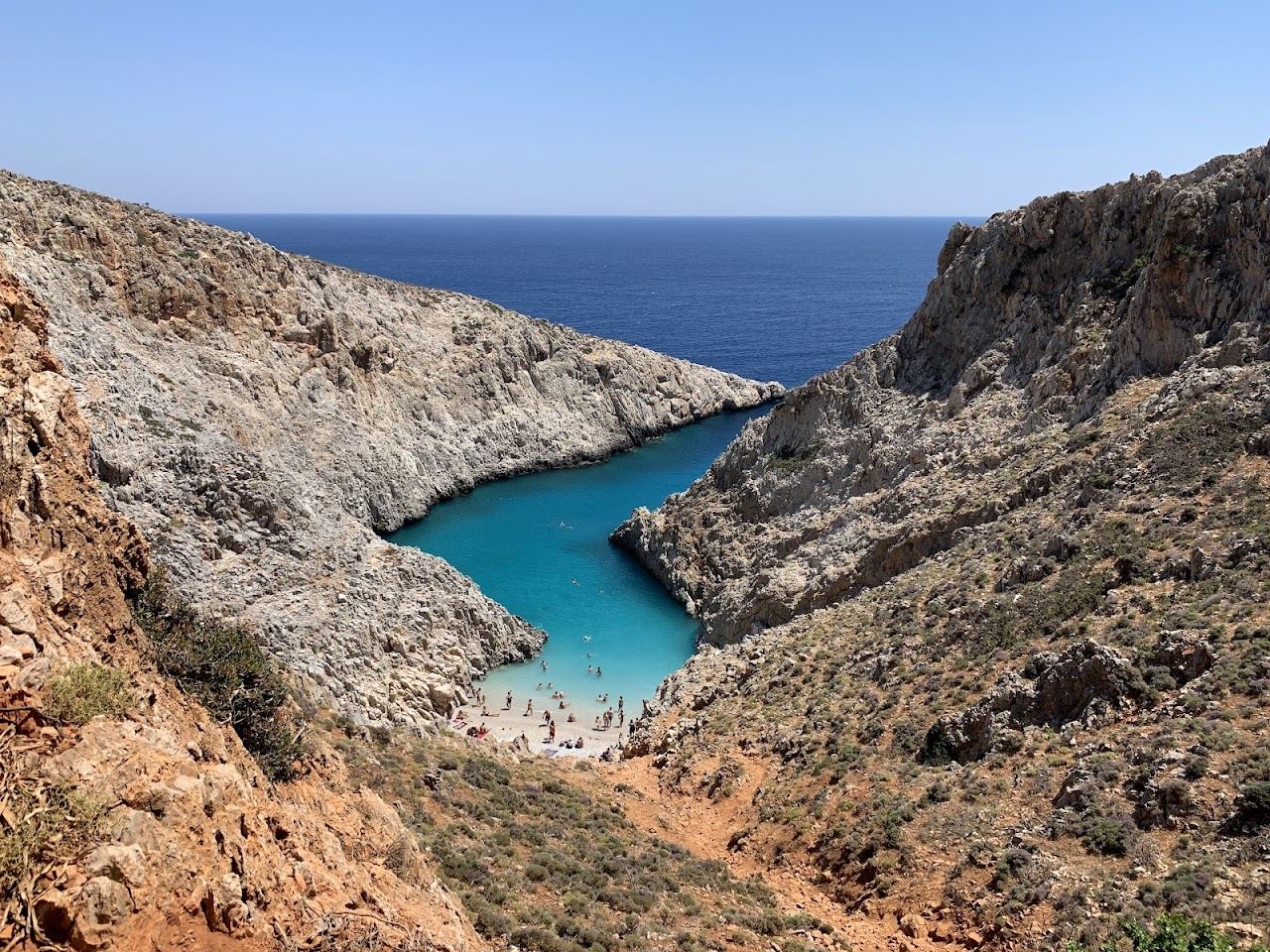
- Top pickSeitan Limania near Chania for the clearest, most dramatic water, with calm Almyrida for an easy float and lunch on the sand
- One thing to knowSkip Balos and Elafonissi for snorkelling, the famous lagoons are shallow sand with little to see, and read the wind every morning
Published 13 April 2026. Last reviewed 26 April 2026
Snorkelling in Crete is a Mediterranean pleasure, not a tropical one, and once you accept that the island gives you some of the clearest water in Greece. There is no coral here and nothing exotic, just stone, seagrass and a hard blue clarity on a still morning, with sea bream drifting along the rock and the odd octopus folded into a crevice. The trick is to read the island the way a local does, follow the rock rather than the sand, swim early before the wind gets up, and treat the whole thing as the first half of a long, slow day.
Because the second half is the part Crete really does well. The best snorkelling coves sit a short walk from a village kitchen, so you come out of the water salty and hungry and sit down to grilled fish, a plate of dakos and a carafe of something cold while your hair dries. The honest list below ranks the coves for how clear and sheltered they run, and it tells you plainly where to eat after, because on this island the lunch is not an afterthought, it is half the reason to go.
Crete snorkelling beaches, ranked
Picked for how clear the water runs, how the rocks gather fish, how sheltered the cove stays and what is cooking nearby.
Seitan Limania
A narrow fjord of vivid blue water hemmed by steep cliffs near Chania, the clearest and most dramatic snorkel on the island. Fish gather along the rock walls and the deep water stays glassy on a calm morning. Tiny and reached down a steep path, so go very early for both parking and water before the crowds, and bring your lunch since there is nothing at the bottom.
Almyrida
The easy choice, a calm, shallow bay with gentle entry and patches of seagrass and rock that hold small fish near the edges. Not the clearest, but reliably sheltered and friendly for beginners and children. The real draw for a culture wanderer is the line of waterfront tavernas right behind the sand, perfect for grilled fish the moment you dry off.
Agiofarago
A remote pebble cove at the mouth of a dramatic gorge on the south coast, reached on foot through the canyon, with clear deep water and rocky sides where fish shelter. Wild, quiet and beautiful, with no facilities at all. Carry water, food and a mask, and pair the swim with the walk down through the gorge and the tiny chapel in the rock.
Stavros
The sheltered lagoon below the great rock made famous by the film Zorba the Greek, calm and shallow with rocky sides that gather a few fish at the edges. The snorkelling is gentle rather than spectacular, but the setting is cinematic and the bay holds its calm when the wind blows elsewhere. A taverna by the sand sorts out lunch.
Damnoni
A warm south coast beach near Plakias with rocky ends and small neighbouring coves that hold fish in clear water. The main bay is sandy and easy, the snorkelling is at the edges, and the south coast water stays warm into autumn. Plakias just along the road is a proper harbour town with good kitchens for the post swim plate.
The honest read on snorkelling here
Be honest about what Crete is under the water. This is rocky shore snorkelling in the Mediterranean, so the joy is clear blue water, the play of light on stone and a scatter of sea bream, wrasse and octopus, not a reef full of colour. Anyone arriving expecting the tropics will be disappointed, and the famous beaches make it worse. Balos and Elafonissi are glorious to look at and genuinely worth seeing, but as snorkels they are weak, shallow sandy lagoons with little structure and water that clouds the moment the crowds wade in. Go to them for the colour and the photographs, and go elsewhere for the mask.
The other honest note is the wind. Crete is a huge island with coasts facing every direction, and the same day can be glassy on the south coast and blown to chop in the northwest. Snorkel in the calm of the morning, check the forecast before you commit to an exposed bay, and keep a sheltered south coast cove in reserve for windy days. Conditions are typical and never guaranteed, and a mask is only as good as the water it goes into.
The food and culture move is to treat the snorkel as the opening act. Time it so you finish around one, when the village kitchens are firing, and walk straight off the sand to a taverna table for the fish that came in that morning. Almyrida and Plakias do this best, and even wild Agiofarago rewards you with a slow drive home through hill villages where the tomatoes and the oil taste of the place. The water is the reason you came, but the lunch is why you will remember the day.
Where to settle after the swim
Crete keeps its beach club scene relaxed and spread across the island rather than glossy and concentrated, which suits a snorkel day that ends in a long lunch. After a clear morning at Almyrida or Stavros you can drift to one of the lounge beaches and tavernas near Chania for the afternoon, while the south coast around Plakias leans towards simple waterfront kitchens over day beds. We keep an honest directory of where you can book a sunbed and where the beach is simply free, so you can match the early swim to the afternoon you actually want.
Book a beach club in Crete
Independent and honest · 1,340 beaches ranked across 103 destinations · We answer to no resort
Before you go
What is the best beach for snorkelling in Crete?
Seitan Limania near Chania has the clearest, deepest water, a narrow fjord of vivid blue hemmed by rock where fish gather along the walls. For an easier float, Almyrida is calm, shallow and gentle, with tavernas right behind the sand. Snorkel along the rocks on a calm morning rather than over open sand.
Is there coral reef around Crete?
No. The Mediterranean here has no tropical coral, so snorkelling in Crete is rocky shore swimming over stone and seagrass. Expect clear blue water, sea bream, wrasse and the occasional octopus in the crevices rather than a coral garden. The reward is the clarity, the light and the lunch that follows.
Are Balos and Elafonissi good for snorkelling?
Not really. Both are shallow sandy lagoons, stunning to look at but poor for a mask, with little structure to hold fish and water that clouds when the crowds churn it. For marine life and clear water, head to the rocky coves at Seitan Limania, Agiofarago or Damnoni instead.
When is the best time to snorkel in Crete?
The season runs from May to October, with the warmest, calmest water in June and September. The deciding factor is the wind, which can stir the north and west coasts into chop, so snorkel in the calmer morning hours and pick a sheltered south coast cove when it blows. Conditions are typical and never guaranteed.
Where can you eat near the best snorkelling beaches in Crete?
Almyrida and nearby Kalyves have a string of waterfront tavernas for grilled fish and meze a few steps from the sand, and Plakias behind Damnoni is a proper little harbour town with good kitchens. Stavros has a taverna by the bay, while remote Agiofarago has nothing, so carry your own water and lunch there.