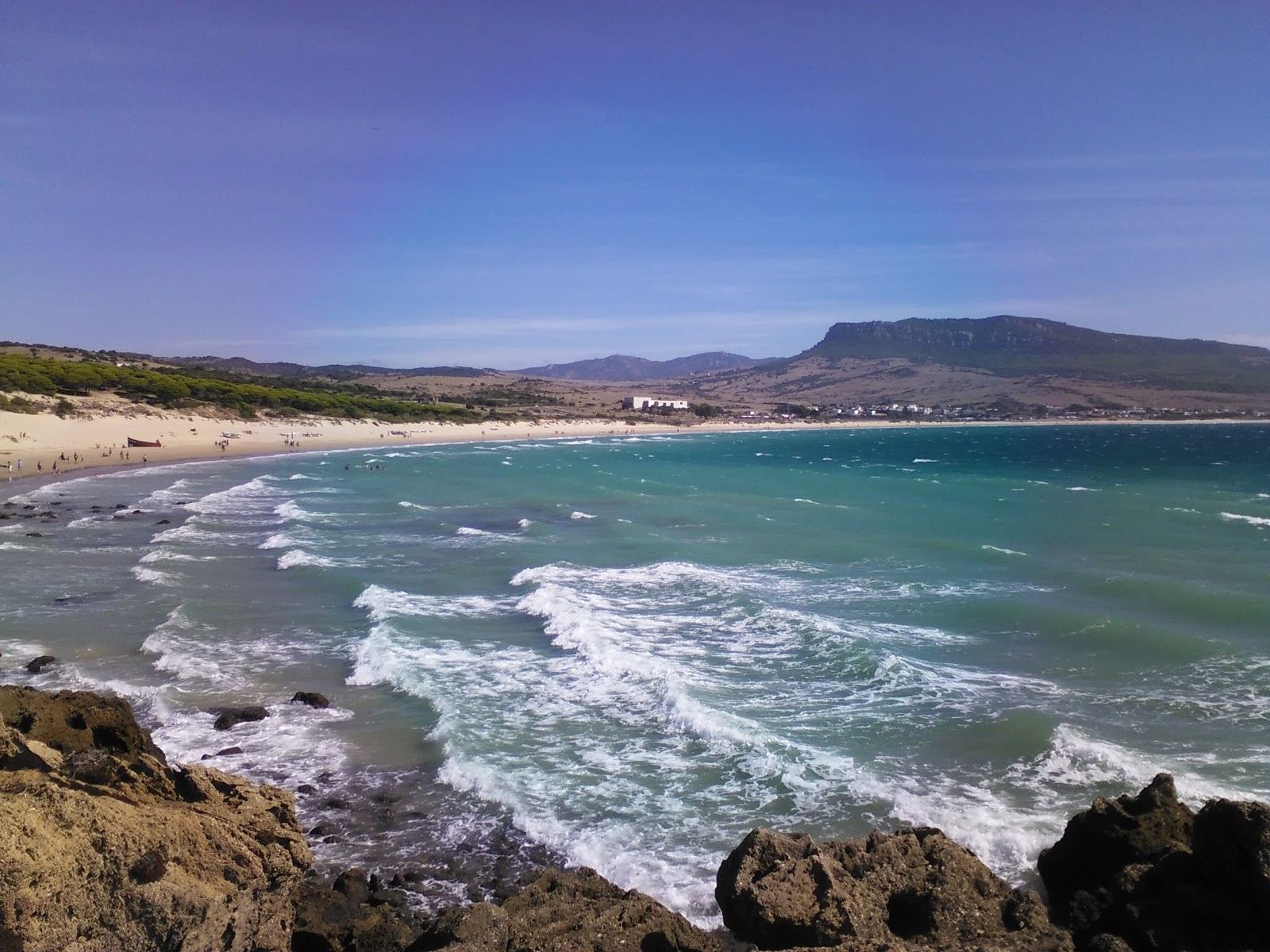
 Photo: Francisco Quesada via Google
The Most Secluded Beaches on the Costa de la Luz
Wild dunes, cliff coves and empty Atlantic sand, where quiet still lives.
The verdict
- Best forCouples and walkers who want wild, empty Atlantic sand and true quiet, and who will happily trade a beach club for a dune, a cliff cove and a private sunset over the ocean.
- Top pickBolonia for its wild dune and Roman ruins, and the cliff backed Caños de Meca for a romantic, sheltered cove when the wind gets up.
- SkipThe big resort beaches at Chiclana and central Conil if solitude is the goal, and the most exposed sand on a fierce wind day. Follow the coast south for the real quiet.
Published 9 March 2026. Last reviewed 27 April 2026
The Costa de la Luz is the coast of light, the long Atlantic edge of Cadiz that begins where the Mediterranean ends, and its great gift is space. This is where Spaniards go when they want the wild version of a Spanish beach, all pale sand, big skies and open ocean, largely spared the wall of hotels that lines the Med. Even in high summer these beaches feel emptier than anywhere on the busier coasts, and if you follow them south, real seclusion is still yours for the taking.
Bolonia is the one to see first, a wide bay of white sand pinned by an enormous natural dune, more than thirty metres high, and the tumbled Roman ruins of Baelo Claudia at its edge. Famous it may be, but it remains gloriously undeveloped and vast, so the crowds spread thin and the far ends stay wild. When the Levante wind gets up and the exposed sand starts to fly, the romantic move is to slip south to Caños de Meca, where pine forest and dramatic cliffs shelter a string of quiet coves beneath the Trafalgar lighthouse.
The quiet only deepens as you go. Playa de Castilnovo runs for more than two unspoilt kilometres of empty sand between Conil and Zahara, a favourite of those who want solitude and a natural, unmanicured shore. Tucked into the low cliffs just north of Conil, the little Calas de Roche hide down paths and steps, small pockets of sand and clear water that reward the walk down with genuine privacy. Add the wilder, surf washed Playa del Palmar and the long open sweep at Zahara de los Atunes and you have a coast made for slow, quiet days.
So the honest advice is to come for the wildness and plan around the wind. This Atlantic shore is breezy, which is why Tarifa is a kitesurfing capital, so check the forecast and choose an exposed dune beach on a calm day and a sheltered cliff cove when it blows. Bring water, shade and sturdy sandals, park considerately, and remember the sea here is cooler and fresher than the Med. Conditions are typical rather than guaranteed, so read the flags and the ocean before you swim. We have ranked the six most secluded beaches below, the wild dune first.
The most secluded beaches on the Costa de la Luz
Wild dunes, cliff coves, empty Atlantic sand.
Playa de Bolonia
The wild jewel of the coast, a wide bay of white sand backed by an enormous natural dune more than thirty metres high and the Roman ruins of Baelo Claudia. Famous but gloriously undeveloped, it is so vast that the crowds thin quickly and the far ends stay empty and quiet. Best on a calmer day, when the Levante wind is not flinging the sand, it is the most beautiful secluded beach on the Costa de la Luz for a wild, romantic wander.
Playa de los Canos de Meca
A string of cliff sheltered coves beneath the Trafalgar lighthouse, backed by the pine forest of the La Brena natural park, with a bohemian, low key feel and pockets of real quiet. When the wind whips the open beaches, this is the romantic bolt hole, its cliffs and freshwater springs giving shelter and shade. The far coves toward the cape are the most private of all, a lovely place for two to disappear for an afternoon.
Playa de Castilnovo
More than two unspoilt kilometres of open, empty sand running between Conil and Zahara, with a ruined tower at one end and a wild, natural feel that draws those chasing solitude. There are no resorts and few facilities here, just dunes, ocean and space, so come self sufficient with water and shade. One of the emptiest long beaches on the coast and a favourite for a solitary walk with the Atlantic to yourself.
Calas de Roche
A run of small cliff coves just north of Conil, reached down paths and steps, each a pocket of pale sand and clear water hidden beneath low ochre cliffs. They ask a little effort to reach, which is exactly why they stay quiet even when the bigger beaches fill, and the shelter of the cliffs makes them a fine choice on a breezy day. The pick for a couple who want a private little cove and the reward of the walk down.
Playa del Palmar
A long, wild sweep of open Atlantic sand with a laid back, surfer feel and none of the resort polish, quiet outside the summer weekends and lovely for a windswept walk. The waves that draw the surfers mean it is a beach to respect rather than a gentle paddling spot, so treat the sea with care. For wide open space, a sundowner at a low key beach bar and a genuine end of the world feel, El Palmar delivers.
Playa de Zahara de los Atunes
A long, open Atlantic beach beside a small fishing town, wide enough that even in season you can walk to real quiet, especially toward the Cabo de Plata end beneath the cliffs. The sand is pale and endless, the town charming and unspoilt, and the far southern stretch turns genuinely wild. A gentle base for exploring the wilder coves nearby, with space and solitude never far from the door.
Finding the quiet, and beating the wind
The honest read is that the Costa de la Luz keeps its seclusion because it is wild and windy, and the two things go together. The same Atlantic exposure that keeps the hotels away and the sand empty also brings the Levante and Poniente winds that have made Tarifa a kitesurfing capital. So the wind is not a flaw to be endured but the very reason these beaches stay quiet, and the trick is to plan your day around it rather than against it.
Match the beach to the forecast. On a calm, still day the great exposed beaches, Bolonia with its dune, Castilnovo, El Palmar, are at their glorious best, wide and empty under a huge sky. When the wind gets up and the sand begins to sting, retreat to the sheltered cliff coves at Caños de Meca or the tucked away Calas de Roche near Conil, where the land breaks the breeze and the quiet holds. Check the wind before you choose, and the coast rarely disappoints.
A few honest cautions keep the day easy. The wilder beaches have few or no facilities, so bring water, shade and sturdy sandals and take your rubbish home. Some far ends of these beaches are long standing naturist areas, informal and relaxed, so follow local custom and settle on the central textile sections if you prefer. The Atlantic here is cooler and fresher than the Med and can carry currents, so read the flags, swim within your depth, and treat conditions as typical and never guaranteed. Come in late spring or early autumn for the warmest calm and the emptiest sand.
Where to settle in near the wild sand
The most secluded beaches are, by their nature, wild and unserviced, so the beach clubs and chiringuitos live back toward the towns, at Zahara, Conil and El Palmar, where a low key beach bar and a plate of fresh tuna wait after a windswept walk. The natural pairing is a wild, empty beach by day and a relaxed chiringuito for the sunset, and our directory keeps the live list of who is open and where. Operators and hours shift with the season on this coast, so tell us your dates and the kind of day you want and we pass the enquiry on to confirm.
Book a beach club on the Costa de la Luz
Independent and honest · 1,340 beaches ranked across 103 destinations · We answer to no resort
Before you go
Which is the most secluded beach on the Costa de la Luz?
Bolonia is the standout, a wild bay of white sand backed by a towering natural dune and the Roman ruins of Baelo Claudia, still gloriously undeveloped despite its fame. For genuine emptiness the cliff backed Caños de Meca and the long, unspoilt Playa de Castilnovo run it close, and the little coves north of Conil hide real solitude. All keep a natural, unmanicured feel that has largely vanished from the busier Mediterranean coasts.
Are the secluded beaches on the Costa de la Luz easy to reach?
Most take a short drive and a walk rather than a boat. Bolonia and Caños de Meca have road access and car parks but keep their wild feel, while the quieter coves near Conil, such as the Calas de Roche, need a walk down a path or steps to reach the sand. Bring water, shade and sturdy sandals, park considerately, and remember that the more effort a beach asks, the more solitude it tends to reward you with.
Is the Costa de la Luz windy?
Yes, this Atlantic coast is known for the Levante and Poniente winds, which is why Tarifa is a world capital of kitesurfing. On a windy day the exposed beaches such as Bolonia and Valdevaqueros can whip up sand, so on those days seek the more sheltered cliff coves at Caños de Meca or the calas near Conil. Check the forecast, pick your beach to suit the wind, and treat conditions as typical and never guaranteed.
Are there naturist beaches on the Costa de la Luz?
Yes, several of the wilder stretches have long standing naturist areas, including parts of Bolonia, Caños de Meca and the coves toward Conil, usually at the quieter far ends of the sand. These areas are informal and relaxed rather than officially signed in every case, so follow local custom and respect others. If you prefer a textile beach, the busier central sections of the same beaches are the place to settle.
When is the best time to visit the secluded beaches on the Costa de la Luz?
Late spring and early autumn are ideal, with warm days, a quieter shore and a good chance of calmer wind than the height of summer. July and August are lively and Spanish holidaymakers fill even the wilder beaches, though they still feel far emptier than the Mediterranean. The Atlantic here is cooler and fresher than the Med year round, so pack a little warmth for the evenings and treat conditions as typical and never guaranteed.