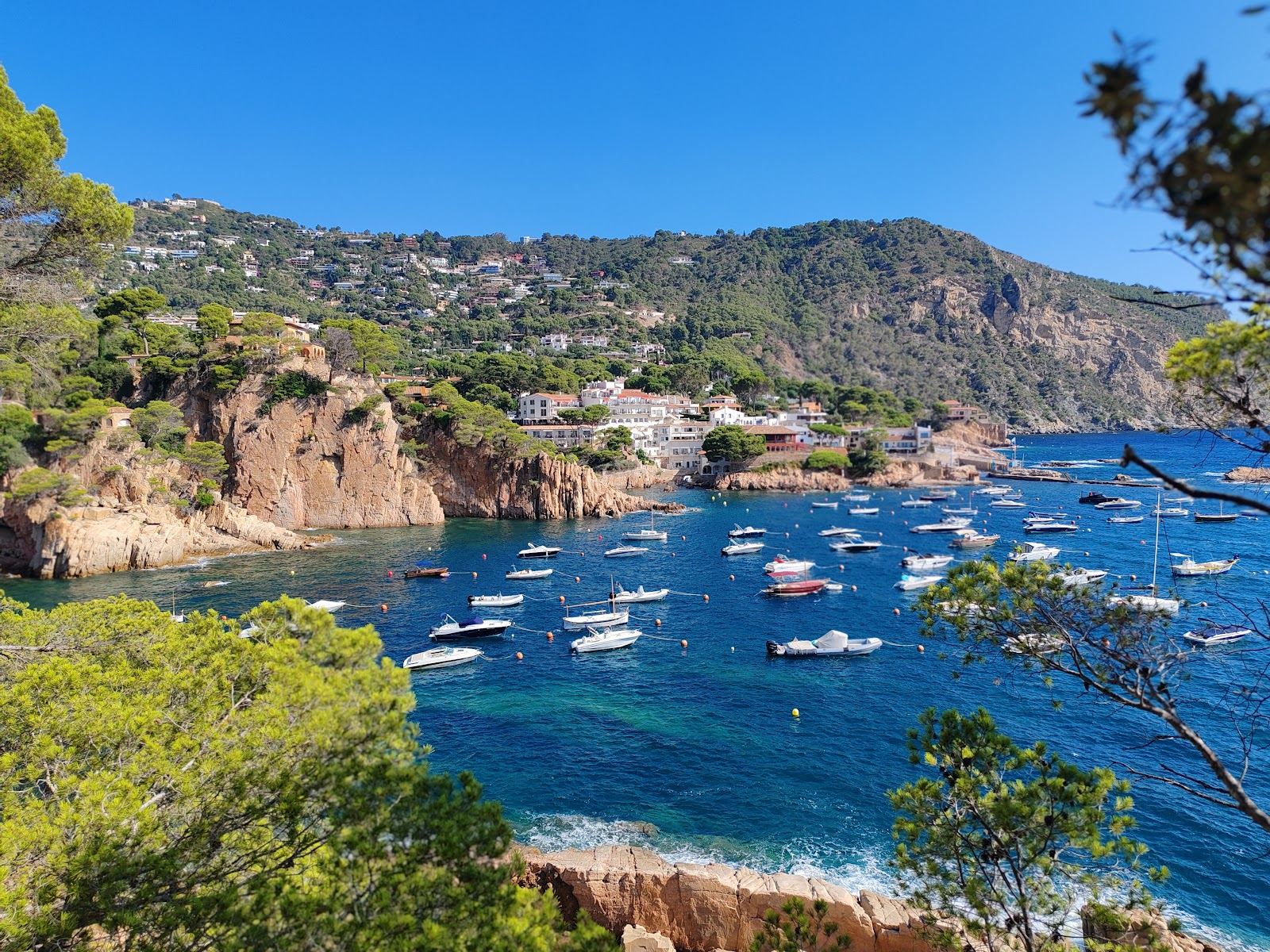
 Photo: Ingest via Google
The Calmest Swimming
Beaches in Costa Brava
Sheltered clear water coves where the sea stays gentle, ranked for an easy swim.
The verdict
- Best forSwimmers, snorkellers and anyone who wants clear, gentle water and a quiet cove with a fish lunch close to the sand.
- Single best spotAiguablava near Begur for the calmest clear water on this coast, with the parador above and a fish terrace behind the beach.
- One thing to knowCalm here means sheltered, so pick a cove that faces away from the wind, and watch for the tramontana, which can turn the northern bays choppy fast.
Published 16 April 2026. Last reviewed 20 May 2026
The Costa Brava swims best in its sheltered coves, the small bays cut into the headlands where the water turns the clear pale turquoise the coast is famous for and the sea stays glassy on a still summer morning. These are swimmers' and snorkellers' beaches, where you can wade in off coarse sand or rock into water clear enough to watch the bottom, then climb out to a fish terrace a few steps away. The pleasure is in the pairing, an easy clear swim and a slow seafood lunch with the boats bobbing in front of you.
The honest read is that calm here is a matter of shelter and wind, not a guarantee. The same cove that is a mirror at nine in the morning can ripple up by afternoon, and the tramontana, the dry north wind, can turn the exposed northern bays choppy and cold within an hour. Below we rank the coves that swim calmest most reliably, weighing how sheltered the bay is, how clear the water and how good the lunch when you climb out, with a note on the wind to watch.
Ranked for calm water
Aiguablava
The benchmark for clear calm water on this coast, a sheltered cove of pale sand and luminous turquoise below Begur, with the parador on the headland and a fish terrace behind the beach. On a still morning it is as gentle and clear a swim as the Costa Brava gives.
Tamariu
A small, deeply sheltered cove of clear water and a short row of seafood terraces, calmer and quieter than its Palafrugell neighbours. The protected bay keeps the swim gentle, and the fish lunch a few steps from the sand is among the best on the coast.
Sa Tuna
A tiny pebble cove in a hamlet of old fishing houses below Begur, calm and clear in its little bay with a couple of terraces on the water. More a place to swim and eat than to spread out, it rewards an early arrival with a still, clear morning dip.
Llafranc
A neat sheltered half moon of sand with calm water and a flat promenade of restaurants, gentle enough for an easy swim and walkable to lunch. One of the most reliably calm of the Palafrugell coves and the most genteel.
Platja de Fenals
The calmer beach of Lloret de Mar, sheltered behind a pine headland so the swim is usually gentler than the open main strand. A serviced, easy calm water option in the busier south, with the Santa Clotilde gardens above for the afternoon.
Calella de Palafrugell
A run of small sheltered coves between whitewashed arches and fishing boats, calm and clear in the little inlets with good seafood right on the front. Pretty and gentle to swim, though small and busy in peak, so come early for the still water.
Where the water stays gentle
For the calmest, clearest swim, the Begur coves of Aiguablava and Sa Tuna and the Palafrugell pair of Tamariu and Llafranc lead, all deeply sheltered bays where the water turns glassy on a still morning and a fish lunch waits a few steps from the sand. Fenals gives the busier south a genuinely calmer option than the open Lloret beach beside it, sheltered behind its pine headland and easy to reach.
The thing to watch is the wind. These coves are calm because they are sheltered, so on a tramontana day the exposed northern bays can chop up and cool fast while a south facing cove stays gentle, and the same beach can swing from mirror to ripple between morning and afternoon. Swim early for the stillest water, choose the cove that faces away from the day's wind, and remember that conditions are typical rather than guaranteed and there are no safety promises, so always read the daily flags before you wade in.
Book a calm water beach day in Costa Brava
Independent and honest · 1,340 beaches ranked across 103 destinations · We answer to no resort
Before you go
Which Costa Brava beach has the calmest water?
Aiguablava near Begur is the usual answer, a sheltered cove of clear turquoise that swims glassy on a still morning. The Palafrugell coves of Tamariu and Llafranc and the tiny bay of Sa Tuna are similarly gentle, all protected inlets cut into the headlands. The calmest swim depends on the wind on the day, so choose a cove facing away from it.
Why is the water so clear on the Costa Brava?
The coast is one of rocky headlands and small coves rather than long sandy beaches, so there is little fine sand to cloud the water, and the sheltered inlets keep the sea still. That combination gives the clear pale turquoise the coast is known for, especially in the protected coves of Begur and Palafrugell, which is also why the snorkelling here is good.
Is the Costa Brava good for swimming?
Yes, in its sheltered coves it is excellent, with clear, often calm water and easy entry off sand or rock into bays you can see the bottom of. The catch is the wind, as the dry north tramontana can turn the exposed bays choppy and cold quickly, so pick a sheltered south facing cove and swim early. Conditions are typical and never guaranteed, so read the flags.
What is the tramontana and how does it affect swimming?
The tramontana is a strong, dry north wind that sweeps down this coast, most often in the cooler months but possible any time. It can turn calm, clear coves choppy and noticeably colder within an hour, especially the exposed northern bays around Cap de Creus. On a tramontana day, choose a sheltered south facing cove and swim in the calmer morning before the wind builds.
Where can you swim and eat well on the same beach?
The Costa Brava is made for this. Aiguablava, Tamariu, Sa Tuna and Calella de Palafrugell all pair a calm clear swim with fish and seafood terraces a few steps from the sand, so you can climb out of the water and into lunch. Tamariu and Aiguablava in particular are known for that exact pleasure, an easy morning swim followed by a slow seafood lunch by the boats.