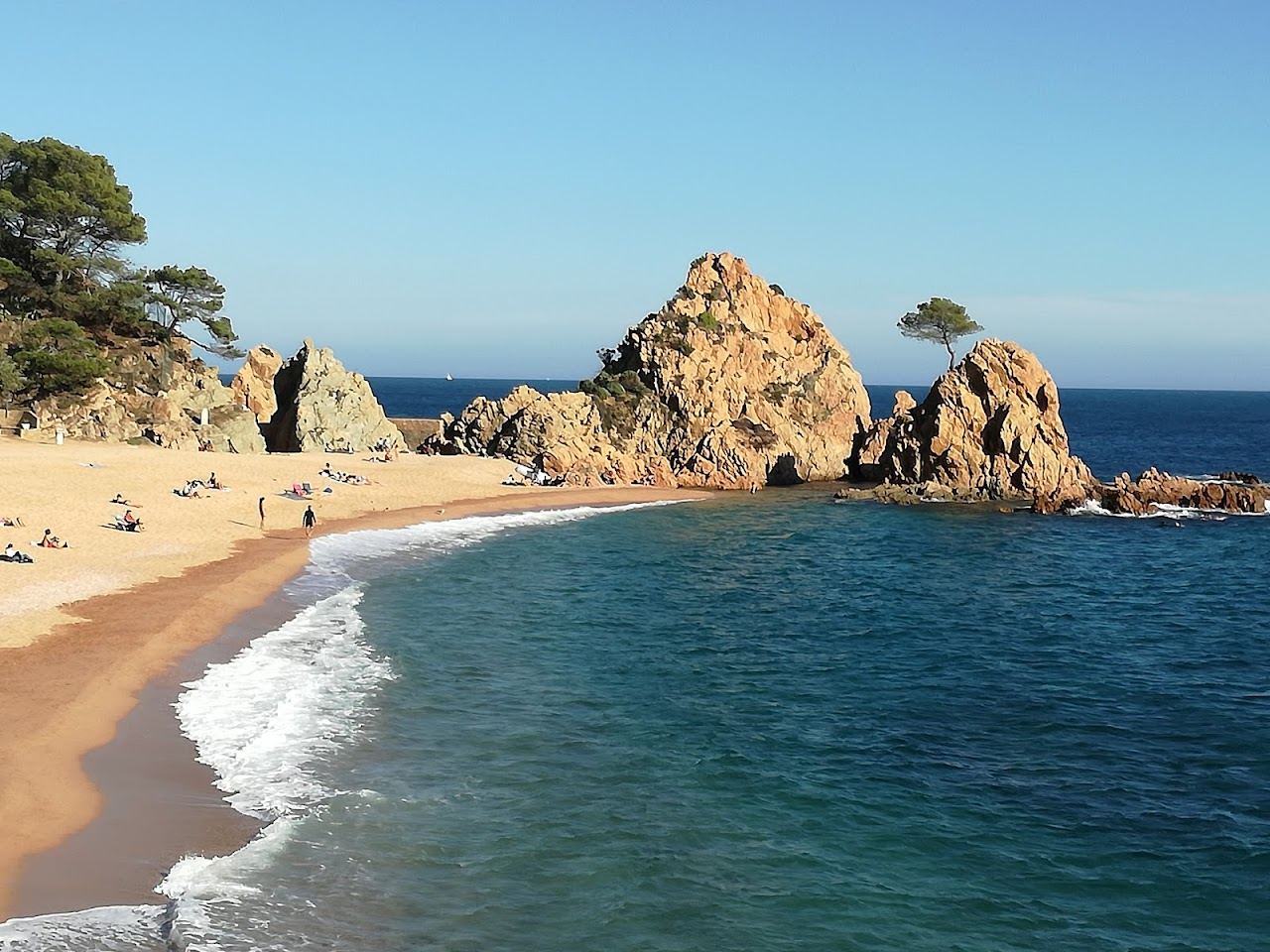
 Photo: Merche arque gutierrez via Google
When to go to Costa Brava for the beach
Sea temperature, crowds, rain and the tramuntana, month by month.
The verdict
- Best forBeachgoers choosing between warm shoulder season calm and the hot, packed Catalan summer peak
- Top pickJune and September, when the sea is warm, the cove car parks are findable and the village kitchens are open without the August crush
- One thing to knowThe sea lags the air, staying cool into June and warmest in September, and the tramuntana wind can blow hard in the north around Cadaques
Published 2 March 2026. Last reviewed 2 June 2026
The Costa Brava has a generous Mediterranean season, but the window that gets the balance right is narrower than the brochures let on. The coast is warm and dry from late spring to early autumn, yet the sea takes its time to heat up and the small cove car parks and village restaurants are overwhelmed in July and August. Time it well and you get warm water, comfortable heat, a parking space and a table for lunch, which on this coast of tiny calas matters more than almost anywhere.
The key thing to grasp is the lag between air and sea. The coast is pleasant on land by May, but the water is still cool, while September keeps the heat of the whole summer in the sea even as the air softens and the holiday crowds drain away. That is why the shoulder months so often beat the peak for a swimming trip, and why a culture wanderer who travels for the towns and the food as much as the swim does best in June and September, when both the beach and the village are at their ease.
Below is the month by month picture with the honest verdict on each, the sea temperatures and crowds laid out, and a clear flag on the tramuntana, the cold dry wind that can blow hard in the far north and turn an exposed Cadaques beach day on its head. Figures are typical and approximate, and conditions are never guaranteed.
Month by month at a glance
| Month | Air | Sea | Rain | Crowd | Verdict |
|---|---|---|---|---|---|
| January | Cool, around 13C by day | Cold, near 13C | Drier, cold winds | Very quiet | Towns and walks, not the beach |
| February | Cool, around 14C | Coldest, near 13C | Drier | Very quiet | Off season, the tramuntana bites |
| March | Mild, around 16C | Cool, near 13C | Showery | Quiet | Coastal path weather, not swimming |
| April | Pleasant, around 18C | Cool, near 15C | Wettest stretch | Building slowly | Easter aside, lovely and quiet on land |
| May | Warm, around 22C | Mild, near 17C | Showery | Pleasant | Beautiful on land, the sea still bracing |
| June | Warm, around 26C | Warm, near 21C | Mostly dry | Busy but bearable | One of the best months overall |
| July | Hot, around 28C | Warm, near 24C | Dry | Peak and crowded | Hot, lively, cove car parks full early |
| August | Hottest, around 29C | Warmest, near 25C | Dry | Peak and packed | Warmest sea, the biggest crowds |
| September | Warm, around 26C | Warm, near 23C | Storms possible | Easing | The sweet spot for swimming |
| October | Mild, around 22C | Mild, near 20C | Wettest with autumn rains | Quiet again | Mild sea, soft light, fewer people |
| November | Cool, around 17C | Cooling, near 17C | Wet | Very quiet | Season winding down |
| December | Cool, around 14C | Cooling, near 15C | Drier, cold | Very quiet | Towns and long lunches, not the sand |
When each month earns its place
May. May is the month walkers and food lovers adore and swimmers find a touch early. The coast is green, the Cami de Ronda is at its loveliest, the villages are quiet and the heat is gentle, but the sea sits around seventeen to eighteen degrees and feels cool when you wade in. Come now for the coastal path, the towns and long lunches, and accept that swims will be brisk rather than lazy. Spring is also the wettest stretch, so pack for the odd shower.
June. June is arguably the best all round month on the Costa Brava. The water has warmed to a pleasant temperature, the days are warm and mostly dry, the village restaurants have reopened and the worst of the peak crowds have not yet landed. You can still find a space in the small cove car parks if you arrive in the morning, and the long evenings are perfect for a late seafood dinner on a village front. A near ideal balance.
July. July brings the full Catalan summer, hot and dry, the warmest stretch of the year approaching and the coast filling fast with Spanish and French holidaymakers. The tiny calas of Begur and Palafrugell are at their most stretched, with car parks full by mid morning and restaurants booked out. It is a wonderful, lively month if you plan ahead, book your tables and start each beach day early to claim a spot.
August. August is the hottest and busiest month, when the sea is at its warmest and so is the demand for every patch of sand. The water is gorgeous and the village fiestas are in full swing, but the popular coves are at their fullest and parking can be a real trial. Worth it for the warm sea and the atmosphere if you can handle crowds, book everything in advance and treat sunrise as your friend.
September. September is the connoisseur choice. The sea still carries the warmth of the whole summer, often the best swimming of the year, while the air eases off the August peak and the crowds thin sharply once the holidays end. The cove car parks open up, the restaurants are still going, and the light turns golden over the coast. The only watch point is the occasional early autumn storm. For a swimming and food trip, it is hard to beat.
October. October is a gentle, underrated month for the towns and the table more than the swim. The sea stays mild and swimmable for the first half, the light is soft and the crowds have gone, though this is the wettest part of the year as the autumn rains arrive. It is the last comfortable beach window, ideal for a quiet trip that mixes a brief swim with the coastal path, the markets and the great kitchens of the Emporda.
Get the Costa Brava beach calendar
Independent and honest · 1,340 beaches ranked across 103 destinations · We answer to no resort
Before you go
What is the best month to go to Costa Brava for the beach?
June and September are the standout months. Both bring warm water and warm days with far lighter crowds than the packed weeks of July and August. September often holds the warmth of the whole summer in the sea while the towns quieten after the holidays, which makes it the top pick for a swimming and food trip.
When is the sea warmest on the Costa Brava?
August and early September bring the warmest water, typically around twenty four to twenty five degrees, because the Mediterranean lags the air and keeps building heat through the summer. May and June feel cooler for swimming even when the air is warm, so a dedicated swimming trip is best timed for the later season.
Is the Costa Brava windy?
It can be in the north. The tramuntana, a cold dry wind from the Pyrenees, blows hardest around Cap de Creus and Cadaques and is most frequent in winter and spring, though it can arrive in any season. The central and southern coves are more sheltered. Check the forecast before an exposed northern beach day and keep a sheltered cove in reserve.
When is the cheapest time to visit the Costa Brava?
The low season from November to March is cheapest, but it is not beach weather. For value with a usable beach, look at May, June and October, the shoulders of the season, when prices sit below the July and August peak and the coves are far quieter, even if some swims are on the cool side and a few beach restaurants are shut.
Can you swim on the Costa Brava in May or October?
You can, with caveats. In May the sea is around seventeen to eighteen degrees, swimmable but bracing, so swims tend to be short and the coastal walks take over. In October the water stays milder, near twenty degrees in the first half, and is more comfortable for a proper swim before the autumn cool down arrives.