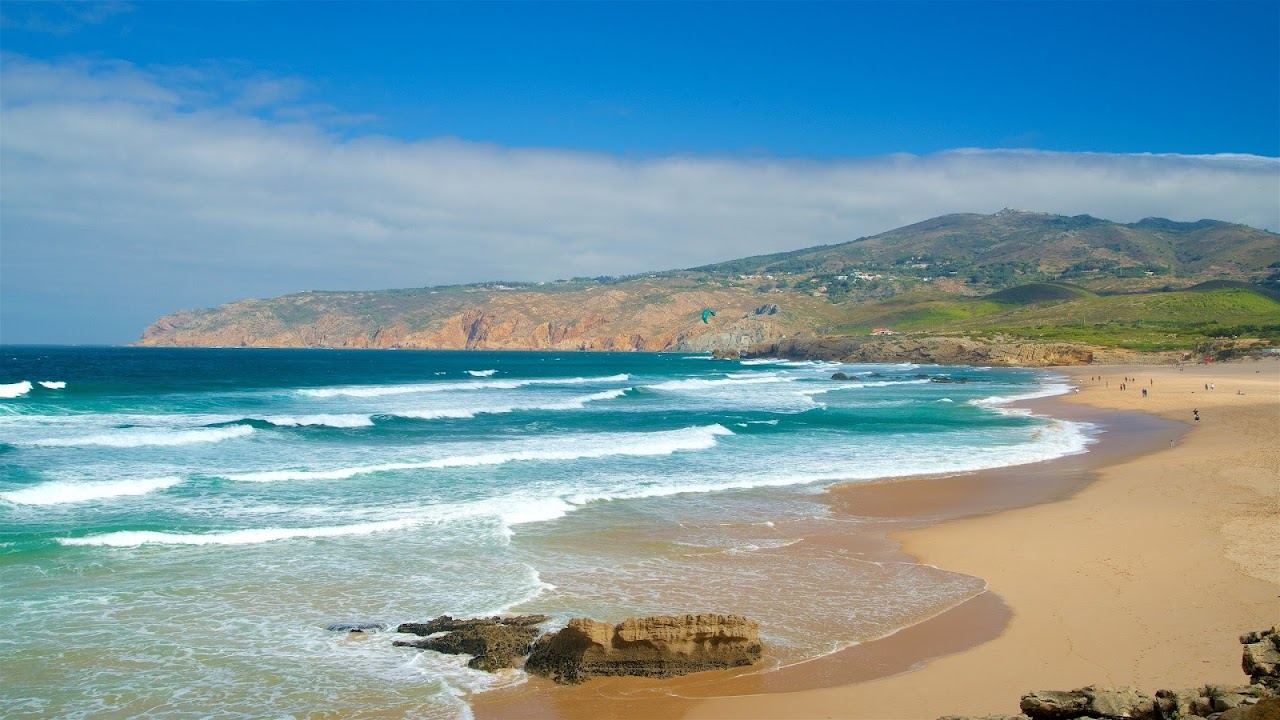
 Photo: Carlos Alberto do Amaral via Google
The verdict
- Best forBeach travellers who want the honest read on the Cascais seasons, from the warm dry summer and its afternoon wind to the cheap, cool, quiet winter, with the train from Lisbon in mind.
- Top pickSeptember for the warmest sea and calmer wind, or June for dry sun before the school holidays, with May and early October the value picks.
- One thing to knowThe sea is Atlantic and stays cool, peaking near 20C, and a north wind builds on summer afternoons, so the sheltered town beaches and the morning hours are your friends.
Published 22 January 2026. Last reviewed 9 February 2026
Cascais makes the timing question mostly about two things, the Atlantic sea and the summer wind, because the calendar otherwise follows a familiar pattern for this stretch of the Lisbon coast. From June to September the little resort town runs warm, dry and sunny, with long evenings and a steady stream of visitors, and the sea creeps up to its warmest of the year. From November to March it turns cool, green and changeable, with Atlantic fronts rolling through and the beaches quiet.
The catch that surprises first timers is the water and the air over it. The sea here is fed by the Atlantic and stays bracing, reaching only around 20C at its August and September peak, while a north wind called the Nortada picks up on many summer afternoons. That wind is exactly why exposed Praia do Guincho a few kilometres west is a surf and kitesurf beach, while the sheltered town beaches in the bay stay calm. Plan around the wind and you plan around Cascais.
That leaves price, crowd and access as the variables you control. July and August are the busy, pricey peak, when the small bay beaches fill fast and the train from Lisbon runs packed. The shoulder months of June and September give you the same warm weather with more room, and the cool low season is cheap and calm if you treat the beach as scenery rather than a swim. Conditions below are typical rather than guaranteed, and there are no safety promises, just the honest pattern of the seasons.
Month by month at a glance
| Month | Air | Sea | Rain | Crowd | Verdict |
|---|---|---|---|---|---|
| January | 15C | 15C | High | Quiet | Cool, damp and changeable with Atlantic fronts. Quiet and cheap, surf at Guincho. |
| February | 15C | 15C | Moderate | Quiet | Mild and unsettled, low season calm in town. Beach for walks rather than swims. |
| March | 17C | 15C | Moderate | Quiet | Spring stirs with longer brighter days, sea still cold. Quiet and good value. |
| April | 18C | 16C | Moderate | Steady | Warmer with sharp showers and an Easter lift. Pleasant between the rain. |
| May | 20C | 17C | Low | Steady | Dry sunny spring, the sea still bracing, crowds light. Strong value. |
| June | 23C | 18C | Low | Steady | Warm and dry before the school holidays, Lisbon in festival mood. A sweet spot. |
| July | 26C | 19C | Low | Peak | Hot and dry with the Nortada wind building most afternoons. Busy and priced for it. |
| August | 27C | 20C | Low | Peak | Warmest sea and the busiest, windiest weeks. Town beaches fill by midday. |
| September | 26C | 20C | Low | Busy | Warm sea, calmer wind and thinning crowds. The best all round month. |
| October | 22C | 19C | Moderate | Steady | Mild with the sea still mild, first autumn rain returning. Quiet value early on. |
| November | 18C | 17C | High | Quiet | Wet and mild as the low season settles in. Calm town, cheap rates. |
| December | 15C | 16C | High | Quiet | Cool and wet, quiet except the festive week. Beach for bracing strolls. |
When each month earns its place
May. One of the smartest windows. The spring is dry and sunny, the town is calm and rates are well below midsummer, and although the Atlantic is still bracing the beaches are uncrowded and the light is lovely. Pair it with day trips to Sintra by train and you have Cascais at its best value.
June. The warm dry weather arrives in full before the Portuguese school holidays, so you get summer days without the August squeeze. Lisbon is alive with the Santo Antonio festivals in the middle of the month, the train is busy but not packed, and the bay beaches still have room. A reliable choice.
August. The peak in every sense, hottest and busiest, with the warmest sea of the year and the strongest Nortada wind. The small bay beaches fill by late morning, rooms are at their priciest and the train runs full, so book early, start mornings early and use Guincho when the town feels crowded.
September. The sweet spot for most travellers. The sea holds its summer warmth, the afternoon wind eases off, and the holiday crowds drain away once schools go back, leaving warm sunny days, calmer beaches and softer prices. For the best balance of weather, water and space, September wins.
January. Deep low season, cool, wet and quiet, with Atlantic fronts and a cold sea. It is no swimming month, but it is cheap and uncrowded, the surf fires at Guincho, and the town and the Lisbon coast are yours to wander, so treat the beach as dramatic scenery rather than a sunbathing spot.
Get the Cascais beach calendar
Independent and honest · 1,340 beaches ranked across 103 destinations · We answer to no resort
Before you go
What is the best month to visit Cascais?
September is the standout for most travellers, with the warmest sea of the year, calmer afternoons as the summer wind eases and the July and August crowds thinning out. June is a close second, dry and sunny before the school holidays fill the town. For low prices and quiet beaches you trade some warmth for May and early October.
How warm is the sea in Cascais?
The sea off Cascais is Atlantic and stays bracing all year, climbing only to roughly 20C at its warmest in August and September and sitting near 15C through winter. It is swimmable in high summer but always refreshing rather than tropical, so most beach days here are about sun, sand and the town as much as long swims. Conditions are typical and never guaranteed.
Is Cascais windy?
Yes, a steady north wind known locally as the Nortada blows on many summer afternoons, strongest in July and August. The town beaches in the bay are sheltered and stay calm, while exposed Praia do Guincho a few kilometres west catches the full wind, which is why it is a surf and kitesurf beach. Mornings are usually calmer than afternoons.
When is the cheapest time to visit Cascais?
The low season from November to March is the cheapest and quietest, though the weather is cool, wet and changeable and the sea is cold. For value with usable beach weather, late May and early October are the smart windows, with softer rates than midsummer, dry sunny spells and far fewer people than the August peak.
How do you get from Lisbon to Cascais?
The easiest way is the train from Lisbon Cais do Sodore station, which runs along the coast through Estoril to Cascais in roughly 40 minutes, with frequent departures through the day. Cascais is the end of the line, so you cannot miss the stop. Driving takes about 30 to 40 minutes but parking near the beaches is tight in summer, so the train is usually the practical choice.
Does Cascais get crowded in summer?
Yes, July and August are the peak, when Portuguese families on school holidays and foreign visitors fill the small town beaches and the seafront. The bay beaches are compact and can feel packed by midday in high summer, so arrive early or head to the longer sands at Guincho. June and September are noticeably calmer for the same warm weather.