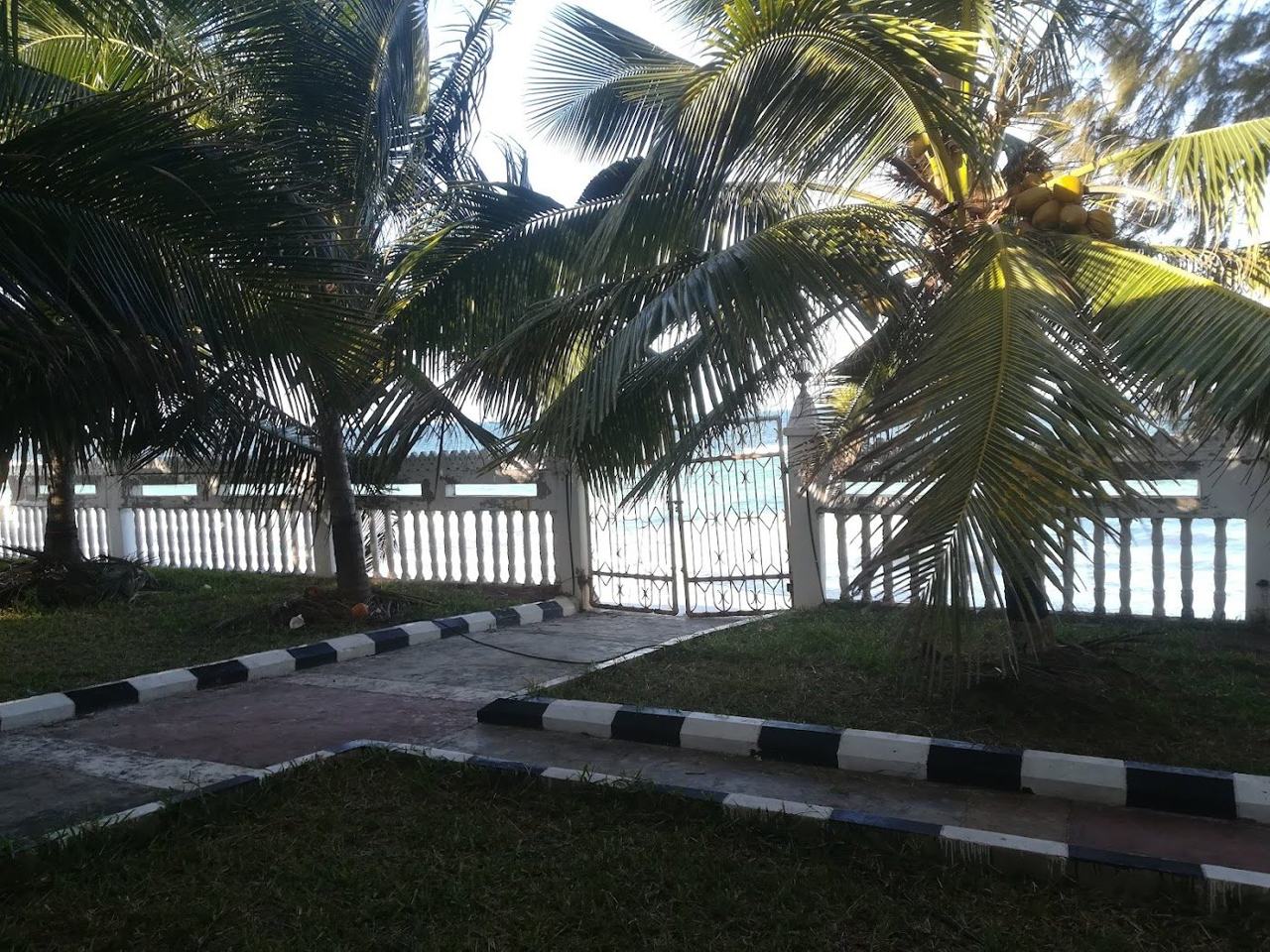
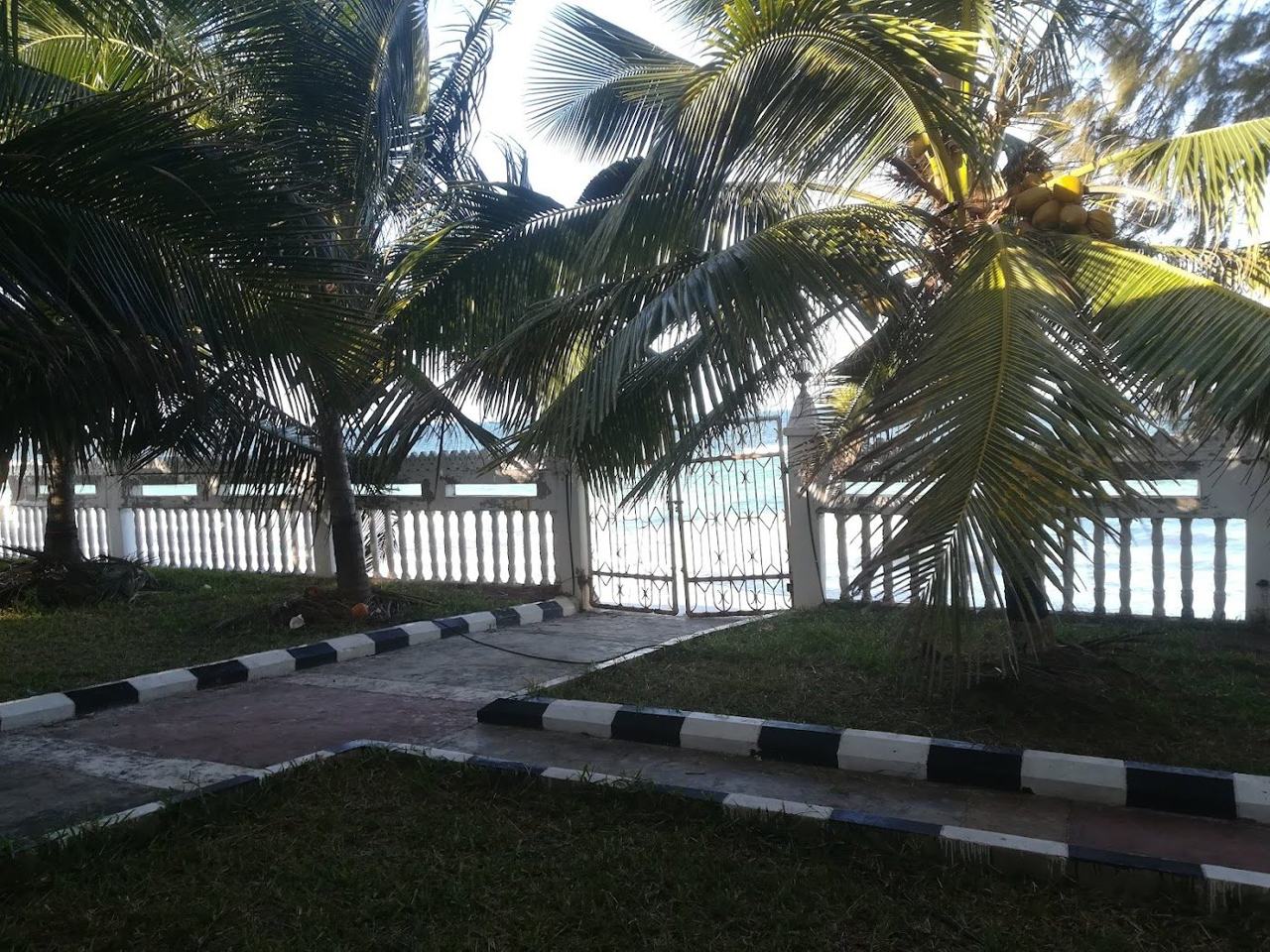
The verdict on Uroa
- Who it suitsFor travellers who want a calm, authentic fishing village beach with good value and local character rather than a polished resort strip or a party scene.
- Best spotThe wide white sand in front of the midrange resorts, generous for sunbathing and long low tide walks past the dhows.
- One thing to knowThis is a big tide coast and a working village, so the sea pulls far out at low water and daily fishing life is part of the scene.
Published 5 March 2026. Last reviewed 18 March 2026
Uroa is the east coast with its working heart on show. A relaxed Swahili fishing village on the central east coast, it pairs a wide ribbon of brilliant white sand with the daily rhythm of dhows, fishermen and village life. There is a handful of midrange resorts behind the beach, but no dense hotel wall and no bar strip, so the feeling here is calm, local and good value, a place to settle in rather than to be entertained.
The sand itself is genuinely broad and handsome, soft and pale, stretching wide and bright at low tide when the sea slides out across the reef flat and leaves the fishing boats resting on the sand. That low tide picture, dhows tilted on the pale flat under a big sky, is the signature image of Uroa and a fine reason to walk the beach in the cooler hours. On a higher tide the lagoon fills in warm and calm inside the reef, and swimming close to shore becomes easy and pleasant.
The honest trade offs are familiar for this coast. The strong tidal range means deep swimming off the sand is a timing exercise, and seaweed farming and fishing in the shallows are part of the working scene rather than a manicured resort frontage. There is little nightlife and only a few places to eat outside the resorts, so evenings are quiet. Travellers chasing a lively bar scene or a flawless private beach should look to the north or to a higher end lodge, while those who value authenticity and calm will warm to Uroa quickly.
Treat Uroa as a relaxed, characterful base and lean into its strengths, the wide sand, the village life and the value. Time your swims to a higher tide, walk the flats at low water among the dhows, and head out for reef snorkelling, a Stone Town day or a hop to neighbours like Pongwe, Kiwengwa and Bwejuu. Agree any excursion price clearly in advance, and for organised daybeds and verified spend bands, use our Zanzibar beach clubs directory.
Clubs on and near Uroa
Uroa's beach life centres on its midrange resorts rather than independent beach clubs, and we never invent venues, prices or status. For current daybed options and verified minimum spend bands along the east coast, use the Zanzibar beach clubs directory.
Resort frontage
A few relaxed midrange resorts back the beach, with pools, dining and watersports, so the daytime comfort here is found through them rather than on a public bar strip.
Public sand at low tide
Beyond the resort loungers the beach is free and public, opening into a vast pale flat at low water dotted with resting dhows, made for long quiet walks.
Uroa, Unguja, Zanzibar
Uroa sits on the central east coast of Unguja, roughly an hour to ninety minutes by road from Stone Town and the airport. Most visitors arrive by private transfer arranged through their resort or guesthouse, and the coast road runs behind the village and the beach.
Bring sun cover and reef safe sun cream, carry small cash for tips and trips, and check the tide chart for the best swimming windows. Agree excursion prices clearly before setting off, dress modestly in the village away from the sand, and consider day trips to Stone Town and the reefs for variety.
Not ready to book?
Keep the good shorelines coming. Shore Notes is our occasional letter on the best beaches and the clubs worth your day, sent straight to your inbox. One field, unsubscribe any time.
Reserve a daybed near Uroa
Send your details and we will help arrange a beach club or daybed booking near Uroa. We confirm current minimum spend and availability with the venue before you commit. Nothing is charged here.
Independent and honest · 1,340 beaches ranked across 103 destinations · We answer to no resort
Uroa FAQ
Is Uroa a good beach for a relaxed stay?
Yes. Uroa is a laid back fishing village on the central east coast with white sand, a handful of midrange resorts and very little crowd. It suits travellers who want calm, local character and value rather than a polished resort strip or nightlife.
Can you swim at Uroa at low tide?
Mostly only in the shallows. Uroa has the east coast large tidal range, so the lagoon empties a long way at low water and you can see the reef flat and fishing boats grounded. Plan a proper swim for a rising or higher tide.
What is Uroa village like?
It is a working Swahili fishing village, so you will see dhows, fishermen and daily local life alongside the beach. That authenticity is the draw for many visitors, and a little modest dress and respect away from the sand goes a long way.
How far is Uroa from Stone Town?
Uroa is roughly an hour to ninety minutes by road from Stone Town and the airport, on the central east coast. Most visitors arrive by private transfer arranged through their resort or guesthouse.
When is the best time to visit Uroa?
The dry seasons from June to October and December to February give the clearest water and most reliable sun. The long rains from March to May are best avoided for a beach holiday.