The verdict on Pongwe
- Who it suitsFor couples and quiet seekers who want a serene, low key bay and gentle water rather than crowds, bars or a busy resort strip.
- Best spotThe curved sheltered bay holds clearer water with fewer seaweed farms, so it is one of the more swimmable east coast spots on a higher tide.
- One thing to knowIt is genuinely quiet with little to do beyond relaxing, and the tides still matter even in this gentler bay.
Published 28 January 2026. Last reviewed 1 March 2026
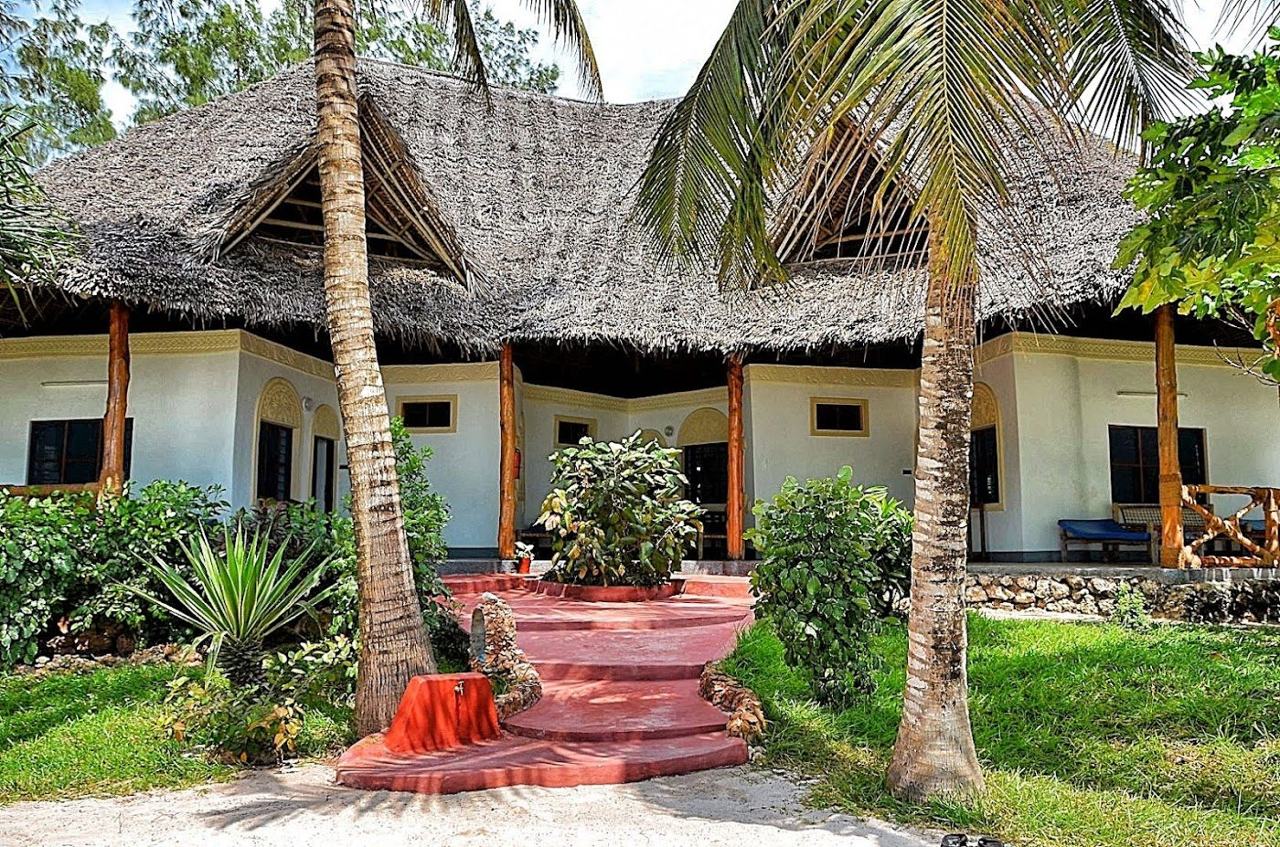
Pongwe is the east coast bay people mean when they say they want somewhere truly quiet. Tucked into a gentle curve between Kiwengwa and the central reef coast, it is a small crescent of soft pale sand framed by leaning palms, with only a few low key hotels along the back and almost nothing else. There are no bars to speak of, no kite crowds and no resort strip, just a serene pocket of shoreline where the loudest event of the day is often the changing of the tide.
The bay's shape is its quiet advantage. Because it is more enclosed and sheltered than the long open beaches nearby, the water tends to be clearer and there are fewer seaweed farming plots in the shallows, which makes Pongwe one of the more swimmable spots on this coast when the tide is up. On a higher tide the lagoon is calm, warm and lovely for a float, and the framing palms and pale sand make it quietly photogenic without trying.
The honest point to make is that Pongwe asks you to want very little. This is a place for reading, swimming with the tide, slow meals and early nights, not for nightlife, shopping or a busy beach scene, and even here the east coast tidal range means swimming is easier at some hours than others. Travellers who need things to do, a lively crowd or a wide choice of restaurants will find it too sleepy. Those craving calm and seclusion will find it close to ideal, especially as a restful contrast to the busier north.
Use Pongwe as a place to decompress, and pair it with day trips when you want more. The few small hotels handle dining and can arrange reef snorkelling or a Stone Town excursion, neighbouring Kiwengwa and Matemwe are an easy hop for a change of scene, and timing swims to a higher tide gives the best of the bay. Dress modestly away from the sand, and for organised daybeds and verified spend bands on this coast, use our Zanzibar beach clubs directory.
Clubs on and near Pongwe
Pongwe is a quiet bay with a few small hotels rather than independent beach clubs, and we never invent venues, prices or status. For current daybed options and verified minimum spend bands along the east coast, use the Zanzibar beach clubs directory.
Small hotel frontage
Just a few low key hotels back the bay, each with its own dining and able to arrange trips, so the mood stays calm and uncommercial on the sand.
Public sand in the bay
The crescent itself is free and public, sheltered and clear, one of the gentler places to swim on the east coast at higher tide.
Pongwe, Pongwe, Zanzibar
Pongwe lies on the east coast of Unguja between Kiwengwa and the central reef coast, roughly an hour to ninety minutes by road from Stone Town and the airport. Most visitors arrive by private transfer arranged through their hotel, as the bay sits a little off the main coast road.
Bring sun cover and reef safe sun cream, carry small cash, and check the tide chart for the easiest swimming. The few small hotels can arrange dining, reef snorkelling and excursions, so plan day trips for variety, dress modestly away from the beach, and embrace the slow pace that defines the bay.
Not ready to book?
Keep the good shorelines coming. Shore Notes is our occasional letter on the best beaches and the clubs worth your day, sent straight to your inbox. One field, unsubscribe any time.
Reserve a daybed near Pongwe
Send your details and we will help arrange a beach club or daybed booking near Pongwe. We confirm current minimum spend and availability with the venue before you commit. Nothing is charged here.
Independent and honest · 1,340 beaches ranked across 103 destinations · We answer to no resort
Pongwe FAQ
Is Pongwe good for swimming?
Yes, by east coast standards. Its sheltered crescent shape gives clearer water with fewer seaweed plots, so on a higher tide it is one of the more swimmable bays on this coast. The tidal range still means timing helps.
Is Pongwe very quiet?
Very. Pongwe is a small bay with only a few low key hotels and almost no bars or shops, so it is one of the calmest, most secluded beaches on Zanzibar. It suits couples and quiet seekers far more than party travellers.
Are there seaweed farms at Pongwe?
Fewer than on the open east coast beaches. The bay's more enclosed shape means there are fewer seaweed plots in the shallows, which is part of why the water here often looks clearer and is easier for swimming.
What is there to do at Pongwe?
Little beyond relaxing, which is the point. The small hotels can arrange reef snorkelling and Stone Town day trips, and Kiwengwa and Matemwe are easy hops away, but Pongwe itself is for reading, swimming and slow days.
When is the best time to visit Pongwe?
The dry seasons from June to October and December to February bring the calmest and clearest water in this already sheltered bay. The long rains from March to May are best avoided for a beach trip.