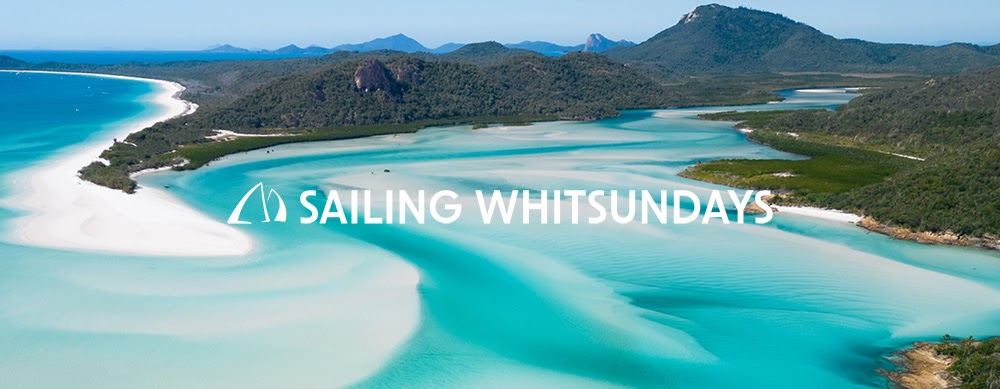
 Photo: Sailing Whitsundays via Google
Watersports Beaches
in the Whitsundays
Hire on the sand, reef to snorkel, and a passage built for sailing.
The verdict
- Best forActive travellers who want to paddle, snorkel and sail, and who understand that the Whitsundays are largely boat based, so the beach is a launch point and the charter does the work.
- Top pickCatseye Beach on Hamilton Island for hire and lessons on the sand, with Langford Island and Cateran Bay the standout reef snorkels by boat.
- One thing to knowOnly Catseye has gear on the beach, so almost everywhere else you bring your own or arrive by charter, and the calm window for paddling and reef trips is the morning.
Published 14 March 2026. Last reviewed 30 May 2026
Watersports in the Whitsundays are mostly played out on the water rather than off a beach, and that shapes everything. The Whitsunday Passage is one of the great sailing grounds on earth, with charters, bareboats and reef trips running out of Airlie Beach and Hamilton Island, and the best snorkelling sits off island coves reached only by boat. The beaches are launch points and snorkel stops more than gear hubs, with one happy exception, the resort sand of Catseye, where you can actually hire a paddleboard or a kayak and push off without booking a boat.
We have ranked these for what an active traveller can actually do, weighing whether there is hire on the sand, how good the snorkelling and paddling are, and how easy the beach is to reach and use. The order favours genuine activity and access over a beautiful but gearless strip, because the best watersports beach is the one where you can get in the water and do something, not just admire it. Where you need to carry your own kit or arrive by charter, we say so plainly.
Watersports beaches in the Whitsundays
Scored on hire on the sand, the quality of the snorkelling and paddling, and how easy the beach is to reach and use.
Catseye Beach
The one beach with hire and lessons on the sand, where you can grab a paddleboard, a kayak or a sail and push straight off without a charter. Calm, walkable and reachable by ferry or flight, it is the easy activity base for the islands, the place to learn or potter on the water before heading out to the reef on a boat.
Langford Island
The easiest reef snorkel in the islands, off a photogenic sand spit near Hayman with resident turtles just off the beach. It is boat access only and the spit comes and goes with the tide, so a charter that times the water gives you a gentle, dazzling snorkel and an easy paddle, ideal for an active morning that is not too demanding.
Cateran Bay
For serious snorkelling and diving, this secluded Border Island cove has some of the best plate coral in the region, with bommies running deeper. It shines on a calm northerly day and turns choppy in a south easterly, so let a skipper pick the window. Boat access only, with no hire, so carry your gear or join a tour that supplies it.
Chalkies Beach
Whitehaven's quieter twin across the channel, with better snorkelling water and turtles below the same white silica sand, and room to paddle on calm days. Reached by charter or a smaller boat, it pairs an easy reef swim with a beautiful, uncrowded beach, the activity stop with the prettiest sand in the lineup. Bring your own gear.
Whitehaven Beach
Less a watersports beach than a wonder to paddle along, with sea kayaking and paddleboarding pleasant on calm days over the silica flats. There is no hire on the sand and no facilities, so you carry your own kit or arrive by charter, and the long open beach can pick up wind chop, so the calm window is early. A glorious paddle, on the right day.
Butterfly Bay
A sheltered northern anchorage on Hook Island, prized by sailors, with coral bommies that reward the right tide and a calm, protected base to snorkel from. The watersports here are snorkelling and a gentle paddle off an anchored boat rather than anything from the shore, the activity stop for charter guests who want reef without a crowd.
Who it suits, who should plan
If you want to do rather than watch, base on Catseye for hire and lessons on the sand, then let a charter take you to Langford Island, Cateran Bay or Chalkies for the reef. Snorkel and paddle in the morning before the trade wind builds, and let a skipper read the wind so you snorkel the bay that is calm and clear that day. The Whitsundays reward an active traveller, but the reward is mostly reached by boat, so plan the charter and carry your own mask for the coves.
What should you plan around? Do not expect to hire gear on the island or national park beaches, because only Catseye has it, so bring your own kit or join a tour that supplies it. Do not pin a snorkel on an exposed cove on a windy day, since clarity and calm follow the wind direction. And remember these beaches are unsupervised, with no lifeguards, so judge the sea yourself and mind the marine stinger season in the warmer months, when a stinger suit is sensible. Conditions are typical and never guaranteed.
Where to book a base
An active trip runs on a base with gear close by and a charter for the reef. The serviced side of the Whitsundays is on Hamilton Island, where Catseye puts hire and lessons on the sand, and around the Airlie Beach marinas, where the sailing and reef trips depart. These are the easiest places to arrange a watersports day and to book the boat that takes you to the best snorkelling in the right conditions. Tell us your dates and what you want to do and we will pass the enquiry on so they can confirm space, any minimum spend and the right trip.
Book a beach club in the Whitsundays
Independent and honest · 1,340 beaches ranked across 103 destinations · We answer to no resort
Before you go
Which Whitsundays beach is best for watersports?
Catseye Beach on Hamilton Island is the one beach with hire and lessons on the sand, the easiest place to grab a paddleboard, a kayak or a sail without a charter. For watersports built around the reef, Langford Island and Cateran Bay offer superb snorkelling, and most of the sailing and reef trips run out of Airlie Beach and Hamilton Island by boat.
Can you hire watersports gear on the Whitsundays beaches?
On Catseye Beach, yes, where the resort runs hire and lessons. Almost everywhere else you bring your own gear or arrive by charter that carries it, since the island and national park beaches have no shops or hire on the sand. If you want to snorkel Chalkies, Langford Island or Cateran Bay, plan to carry a mask or join a tour that supplies one.
Where is the best snorkelling in the Whitsundays?
Cateran Bay on Border Island has some of the best plate coral snorkelling in the region on a calm northerly day, and Langford Island offers an easy reef and resident turtles off a sand spit. Chalkies and Butterfly Bay add more reef to explore. All are boat access only, so a charter or tour that reads the wind and tide finds the clearest water.
Is the Whitsundays good for sailing and kayaking?
Very. The Whitsunday Passage is one of the great sailing grounds, with charters and bareboats running out of Airlie Beach and Hamilton Island, and sea kayaking and paddleboarding are easy on calm days in the sheltered bays. The activity is largely boat based, so the beaches are launch points and snorkel stops rather than gear hubs, apart from Catseye.
When is the best time for watersports in the Whitsundays?
The dry season from June to October brings the most settled weather and clearest water, the best window for snorkelling and sailing. Mornings are calmest before the trade wind builds, which suits paddling and reef trips. Mind the marine stinger season in the warmer months, when a stinger suit is sensible, and remember conditions are typical and never guaranteed.