Whitehaven Beach
Best for. Travellers who want a genuine wonder rather than a serviced strip, and who will happily take a boat or a seaplane to wild, facility free sand.
Best spot. The Hill Inlet end at the north for the swirling sandbar view, paired with a walk on the long open sand toward the quieter southern end.
Know this. There is nothing on the beach, no shade, shops or sunbeds, by design. The luxury here is an early seaplane or a small boat, not a cabana.
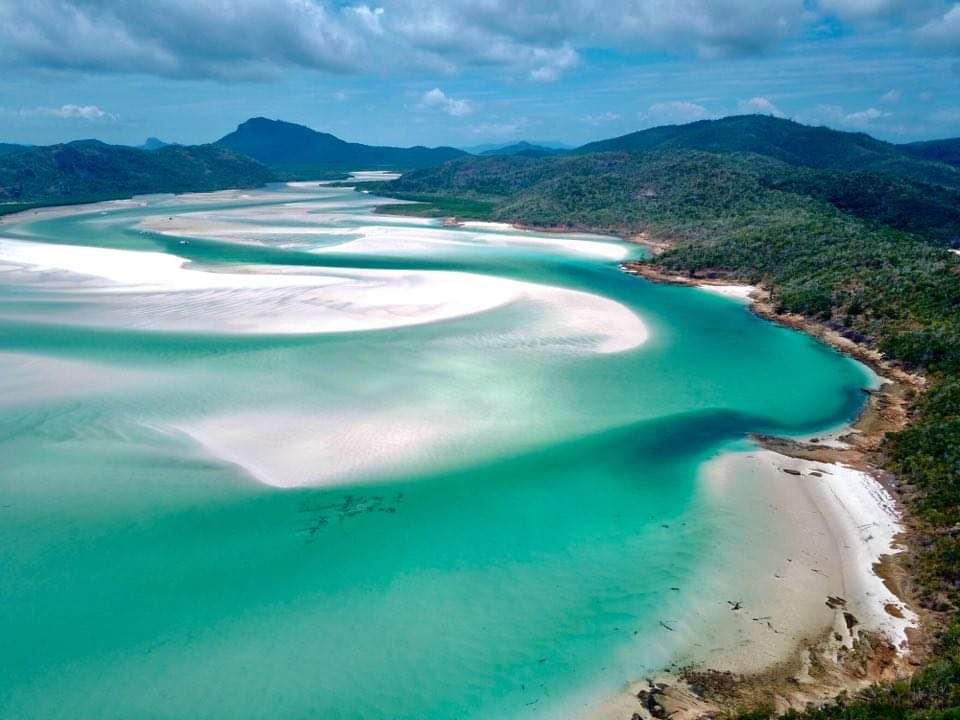
Whitehaven is the rare famous beach that quietly exceeds its own photographs. Seven kilometres of almost pure silica sand curve along the eastern side of Whitsunday Island, so fine and bright that it squeaks underfoot and so reflective that it stays cool in the midday sun. The water is clear and shallow, the setting is protected national park, and there is, by deliberate design, nothing built on any of it. No bars, no sunbeds, no clubs. After a career of beaches oversold and underdelivered, this is the one that lives up to the legend, and the wildness is the whole reason why.
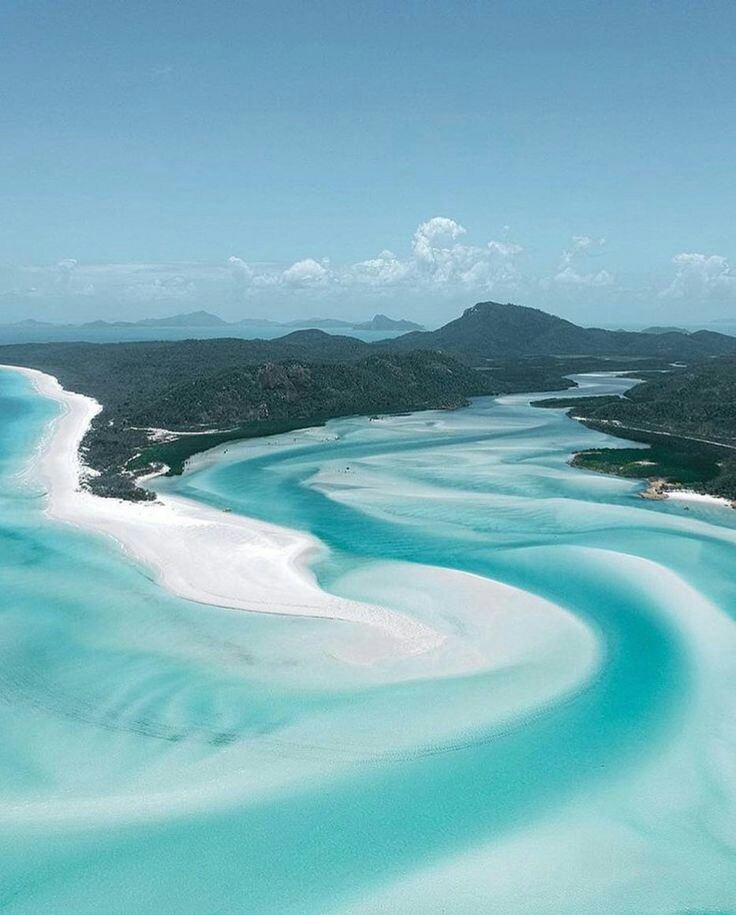
The northern end is the postcard. At Hill Inlet the tide drains across a shifting sandbar and braids the white sand through turquoise channels, a living watercolour best seen from the Tongue Point lookout above Tongue Bay and never quite the same on two visits. The long main beach to the south is the counterpoint, a vast open sweep where you can walk well clear of the day boats and feel, for a while, as though you have the finest sand in the world to yourself. Most trips give you a taste of both, and the discerning move is to make time for the walk south after the lookout crowd thins.
The honest caution is about logistics and expectation rather than the beach itself. You cannot drive here, the day hinges on the boat, the tide and the weather, and there is no service of any kind once you land, so come self sufficient with water, food, shade and sun protection. The real luxury, and the genuine exclusivity, is not bought on the sand but in how you arrive, an early seaplane or a small group boat that has you on Whitehaven before or after the big catamarans, or a permit to camp overnight and have the dawn to yourself. Pay for the timing and the vessel, not for a lounger, because there is none, and that is exactly as it should be.
No clubs, and rightly so
Whitehaven is protected national park with no bars, sunbeds or clubs on the sand. The closest beach club style days are the resort pools on Hamilton Island and the free lagoon at Airlie Beach. We never invent a venue, so anything we cannot confirm is marked to be confirmed.
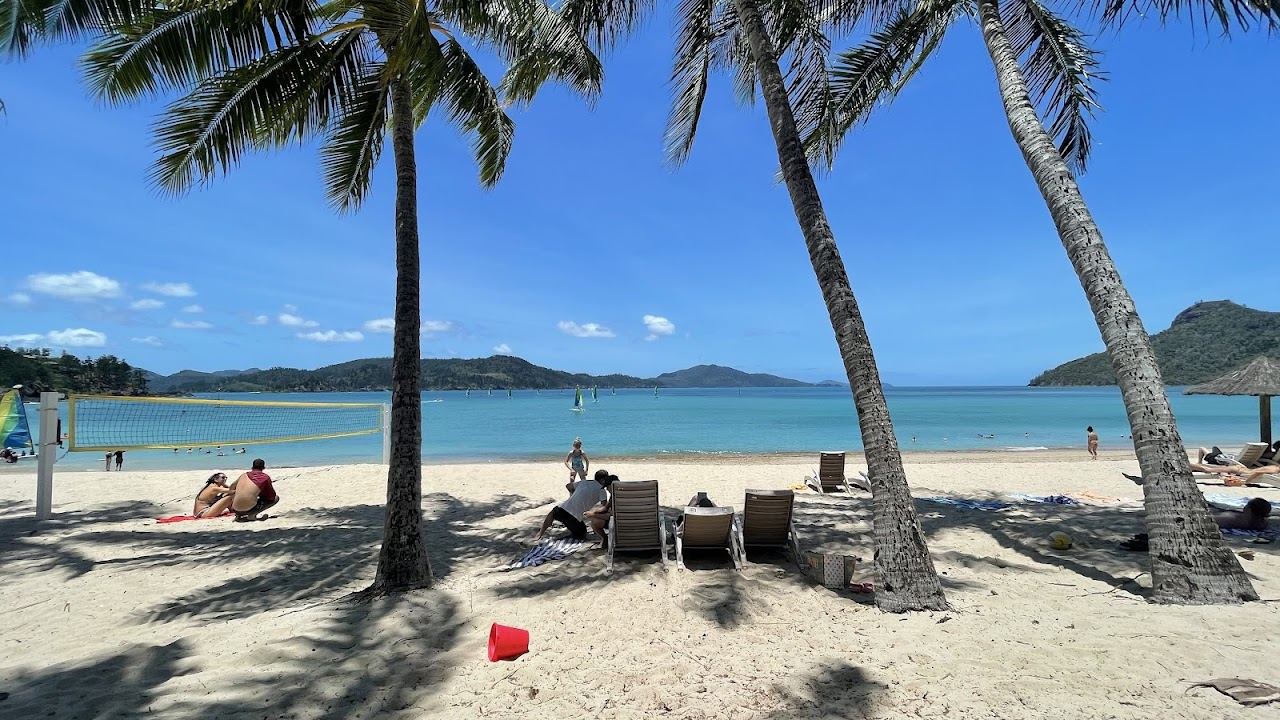
If you are picturing a daybed and a drinks list, set the picture aside, because the magic of Whitehaven is precisely that it has none of that. The serviced side of a Whitsundays holiday lives elsewhere, in the resort pools and beach on Hamilton Island and the free, lifeguarded lagoon in the centre of Airlie Beach, both of which make an easy base between island trips. For Whitehaven itself, the closest thing to luxury is a private or small group charter that lets you linger after the crowds leave. Tell us your dates and party size and we will help line up the right boat or a polished base on the islands, and point you to the destination directory for the serviced beach days.
Whitsunday Island, by water
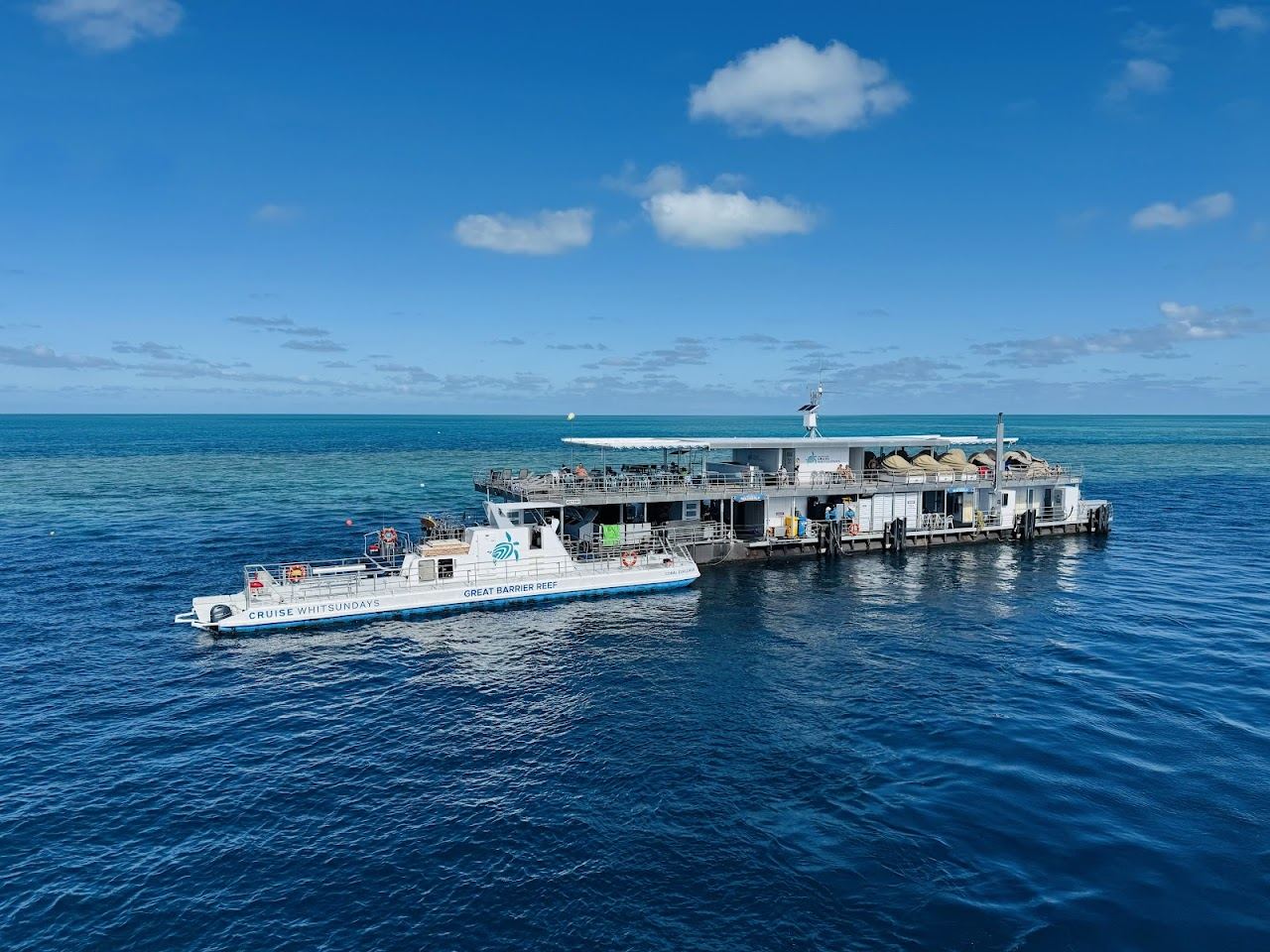
Whitehaven sits on the eastern side of Whitsunday Island, reachable only by boat or seaplane. Day trips leave from Airlie Beach on the mainland, around two hours by fast catamaran or far less by scenic flight, and from Hamilton Island, which is closer. Sailing tours, small group boats and seaplane and helicopter trips all serve it, and you can camp overnight with a national park permit.
Bring water, food, sun protection and shade, since there is none on the beach, and a stinger suit in the warmer months. Time the Hill Inlet lookout with a falling tide for the best colours, and choose an early or late trip, a seaplane or a small boat, to enjoy the sand without the midday catamaran crowd.
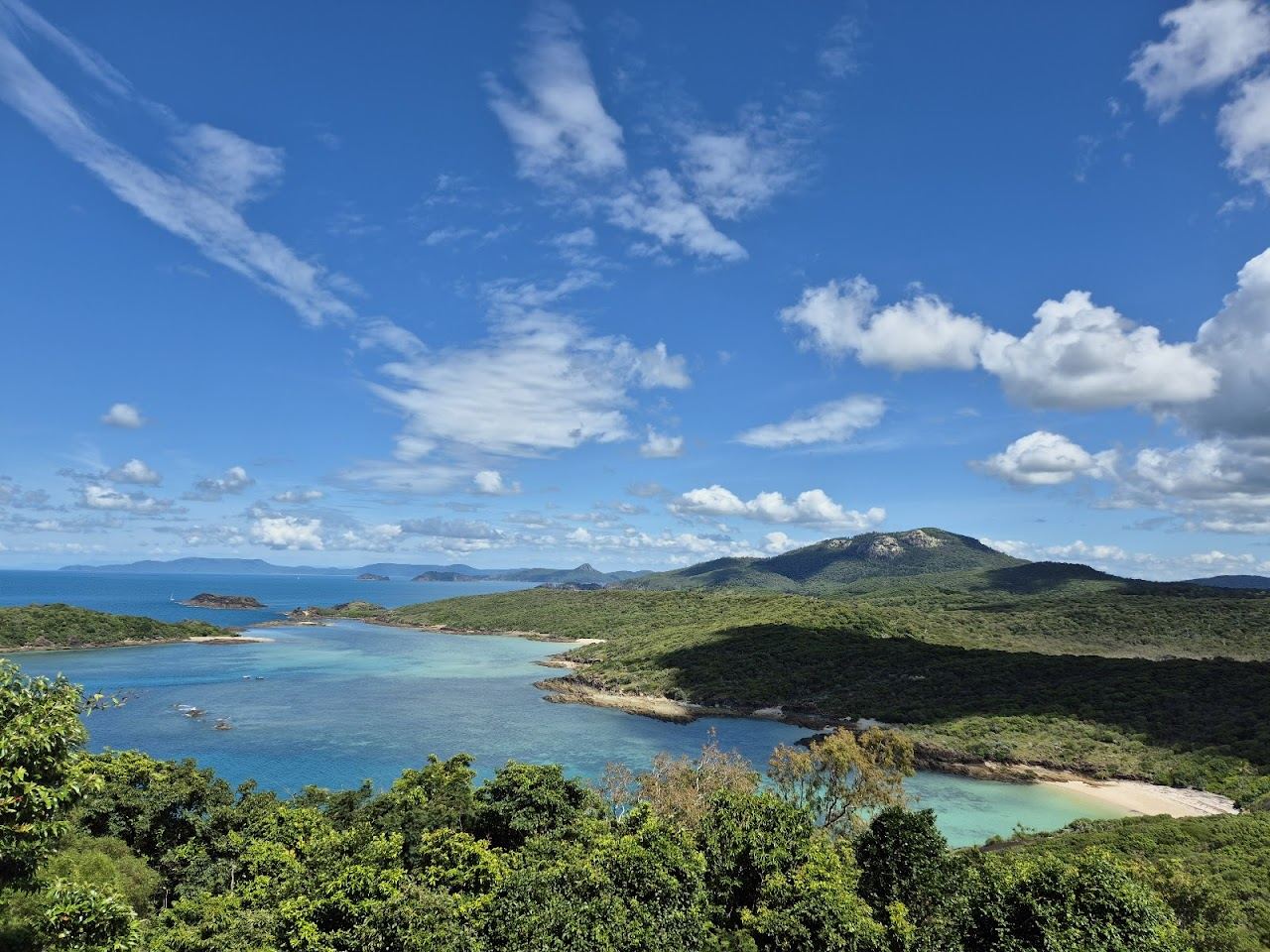 Photo: Kalhara Batuwana via Google
Not ready to book?
Keep the good shorelines coming. Shore Notes is our occasional letter on the best beaches and the clubs worth your day, sent straight to your inbox. One field, unsubscribe any time.
Book a beach club
Tell us your dates and party size and we will help arrange a boat trip to Whitehaven or a serviced base in the Whitsundays. We reply by email.
Independent and honest · 1,340 beaches ranked across 103 destinations · We answer to no resort
We are an independent editorial resource. Booking requests are passed to clubs and operators, and some may earn us a commission at no cost to you. Prices, availability and opening status are set by the venue and are to be confirmed at the time of booking.
Common questions about Whitehaven
How do you get to Whitehaven Beach?
Only by water. Whitehaven is on Whitsunday Island in protected national park, with no road access, so you reach it by boat or seaplane on a day trip from Airlie Beach on the mainland or from Hamilton Island. Day sailing tours, fast catamarans, small group boats and scenic flights all run, and overnight camping is possible with a permit. The seaplane is the quickest way and the small boats the most relaxed.
Why is the sand at Whitehaven Beach so white?
Because it is almost pure silica, around ninety eight per cent, which gives it that brilliant white colour and a fine, soft texture. The silica also means the sand reflects heat rather than holding it, so it stays cool underfoot even on a hot day, which is part of what makes walking it such a pleasure. It is widely rated among the finest beach sand in the world.
Is there anything to do or buy at Whitehaven Beach?
Very little, and that is the point. As protected national park, Whitehaven has no shops, bars, sunbeds or clubs, only basic toilets and picnic areas near the southern end and a small campground. Bring your own water, food, shade and sun protection, and carry out what you carry in. The lack of facilities is exactly what keeps the beach pristine, so plan to be self sufficient for the day.
What is the best time to visit Whitehaven Beach?
The dry season from May to October brings the calmest seas and clearest skies for the crossing and the sand. For the beach itself, arrive early or stay late to be there before or after the midday catamaran crowd, and time a visit to Hill Inlet at the northern end with a falling tide for the strongest colours. Marine stingers can be present in the warmer months, when a stinger suit is advised.
Can you swim at Whitehaven Beach?
Yes, the water is clear, shallow and usually calm, and many tours include time to swim and wade. There are no lifeguards, so treat the sea as unsupervised and judge conditions yourself. The important caution is the marine stinger season in the warmer months, roughly November to May, when a full stinger suit is advised for swimming off the open sand. Follow current local advice and any signage.