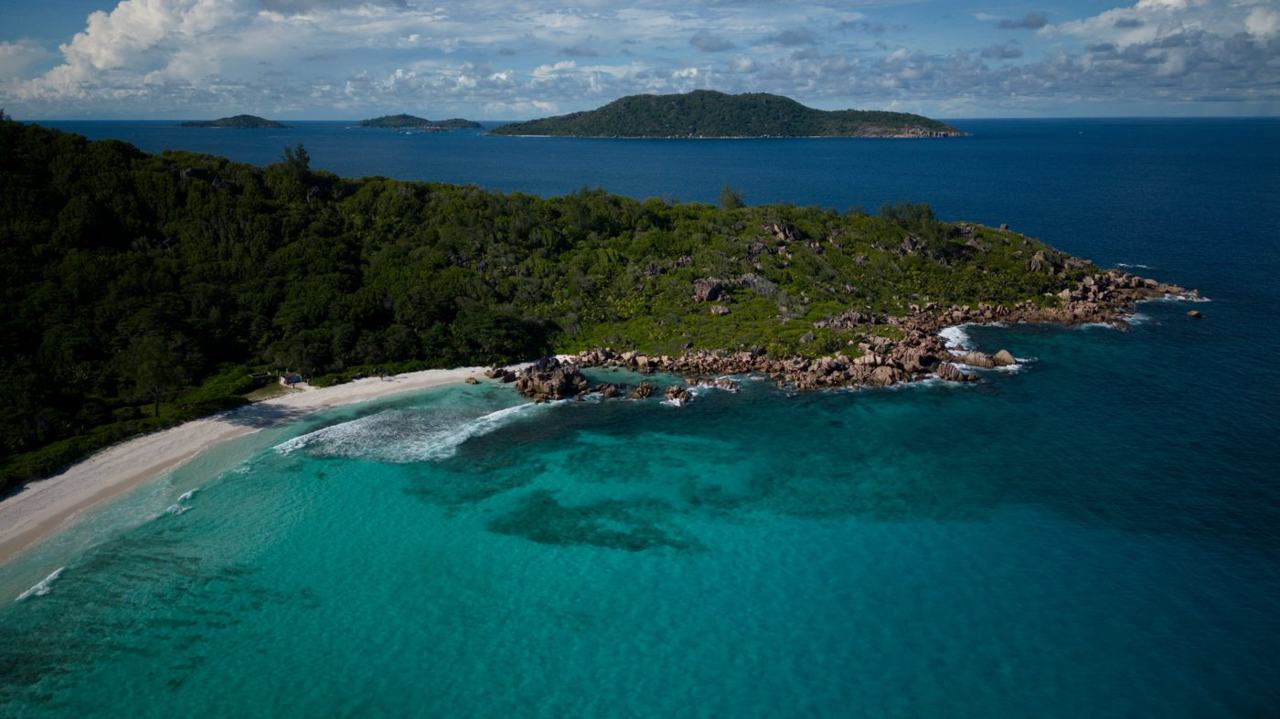
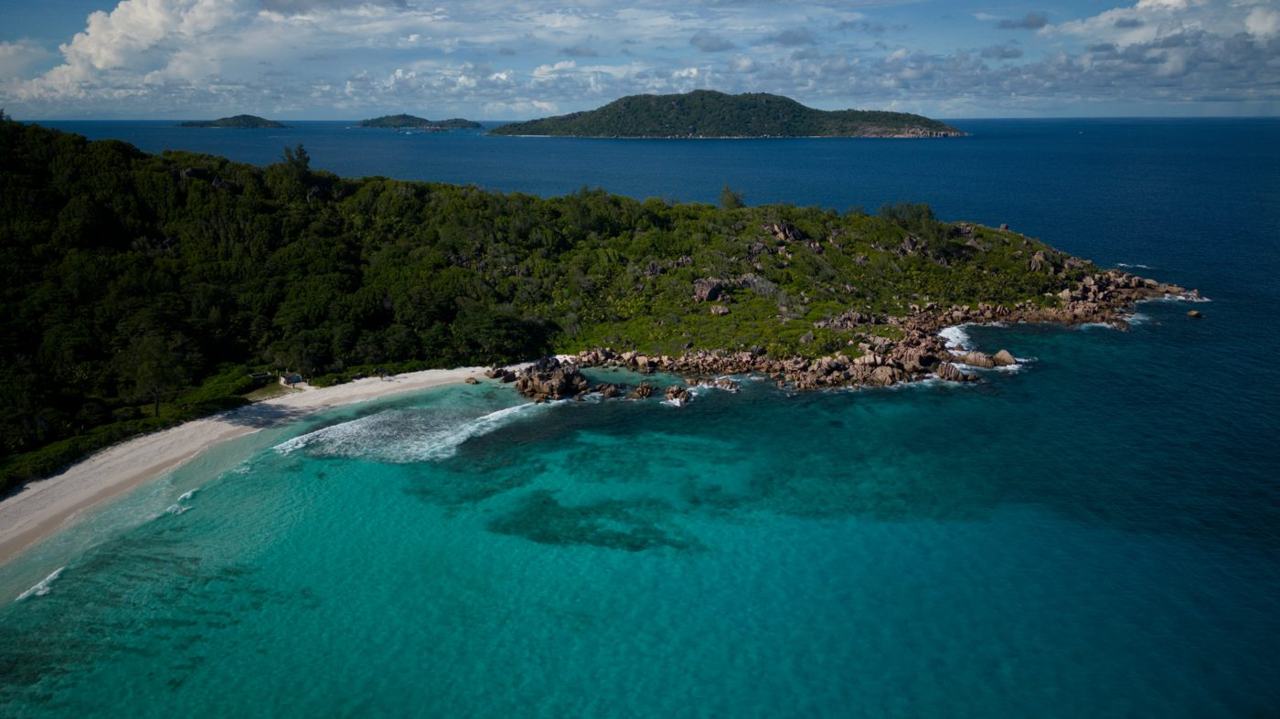
Anse Cocos
The verdict on Anse Cocos
- Who it suitsFor travellers happy to walk for a wild, often empty beach and who treat the open water with respect rather than expecting a calm resort swim.
- Best spotThere is no club on the sand. A natural rock pool at the southern end is the calmest place for a dip when the open sea is too rough.
- One thing to knowThe open water carries strong currents and surf for much of the year, so the sheltered rock pool is the safe choice and the open sea is not.
Published 2 February 2026. Last reviewed 22 February 2026
Anse Cocos is the reward at the far end of La Digue's most famous walk. You reach it on foot, continuing past Grand Anse and Petite Anse along a forest and coast path, and the effort keeps the crowds away. Arrive and you often have a long sweep of pale sand, leaning palms and rounded granite almost to yourself, which is exactly why people make the trip.
The catch is the water. This is an open east coast beach with no protecting reef close in, so the sea is frequently lively and the currents can be strong, especially during the south east trade season from around May to September. It looks inviting and it is beautiful, but the open water here is not a casual swimming pool, and that is the single most important thing to understand before you go.
What saves the day is a natural rock pool at the southern end of the beach. Sheltered by boulders, it holds calmer, shallower water and is the sensible place for a cooling dip when the open sea is pounding. On a calm day at the right tide it is a lovely spot, but check the conditions, watch other people first, and never assume the main beach is safe to swim.
Treat Anse Cocos as a walking and scenery beach rather than a swimming one, and it delivers. Bring water, food, sun cover and sturdy footwear for the path, go in the morning to beat the heat, and pair it with Grand Anse and Petite Anse for a full east coast day. For organised daybeds and clubs elsewhere in Seychelles, see our Seychelles beach clubs directory.
Clubs on and near Anse Cocos
There is no daybed club on the sand at Anse Cocos. This is a wild, road free beach where the only shade is the palms and the safest water is a natural rock pool at the south end. For organised clubs and current spend bands elsewhere in Seychelles, use the Seychelles beach clubs directory.
Natural rock pool at the south end
A boulder sheltered pool holding calmer, shallower water, the sensible place for a dip when the open sea is too rough to enter.
Public sand at Anse Cocos
The long wild beach itself, free and usually near empty, backed by palms and granite with no loungers or table service.
Anse Cocos, La Digue, Seychelles
Anse Cocos sits on the east coast of La Digue, reached only on foot. Most visitors cycle from La Passe and the ferry jetty to the entrance at Grand Anse, then walk on past Petite Anse along the marked coast path, which takes roughly thirty to forty minutes of easy hiking each way.
There is no road, no parking on the sand and no reliable shop, so carry plenty of water, food, sun cover and footwear you can walk in. Go early for the cooler walk and quieter sand, judge the open water carefully, and use the rock pool rather than the main surf if you want to get in.
Not ready to book?
Keep the good shorelines coming. Shore Notes is our occasional letter on the best beaches and the clubs worth your day, sent straight to your inbox. One field, unsubscribe any time.
Reserve a daybed near Anse Cocos
Send your details and we will help arrange a beach club booking near Anse Cocos. We confirm current minimum spend and availability with the venue before you commit. Nothing is charged here.
Independent and honest · 1,340 beaches ranked across 103 destinations · We answer to no resort
Anse Cocos FAQ
How do you get to Anse Cocos?
On foot. You cycle from La Passe to Grand Anse, then walk on past Petite Anse along the coast path, which takes around thirty to forty minutes each way. There is no road access at all.
Can you swim at Anse Cocos?
With caution. The open sea is frequently rough with strong currents, so it is not a casual swimming beach. The natural rock pool at the southern end is far calmer and is the sensible place for a dip on settled days.
Are there any facilities at Anse Cocos?
Very few. There may be a small kiosk at times, to be confirmed, but you should not rely on it. Bring your own water, food and sun protection, as there are no shops on the beach.
Is Anse Cocos worth the walk?
For most people yes, if you go for the scenery rather than a swim. You get a long, wild, often empty beach that is one of the prettiest on La Digue, with the rock pool as a bonus on calm days.
When is Anse Cocos calmest?
The open water is usually gentlest in the shoulder months around April, May, October and November, between the two monsoon seasons. Mornings are also the quietest time on the sand.