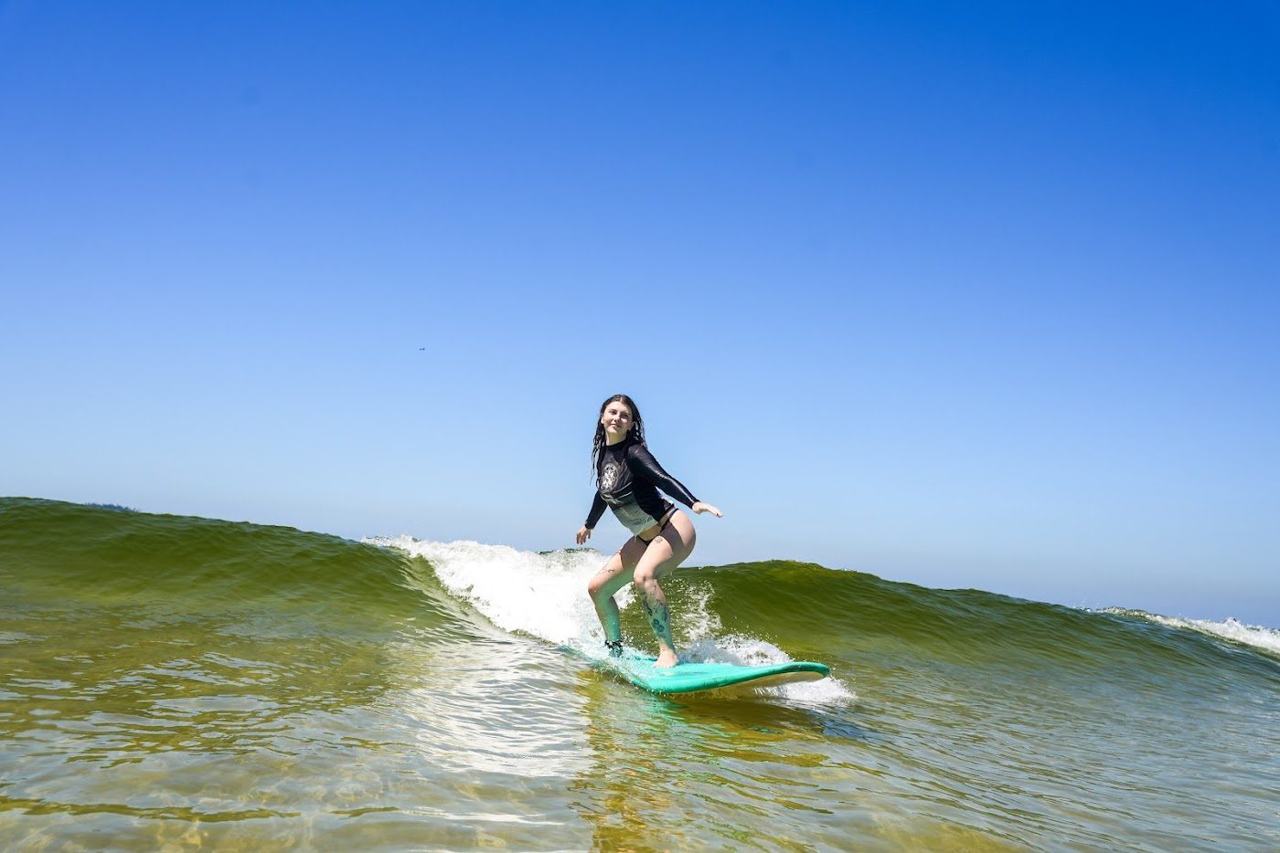
 Photo: Mandala Rio Surf School via Google
Best Beaches for
Watersports in Rio de Janeiro
Surf points, learner waves and open ocean wind, matched to your sport.
The verdict
- Best forSurfers, bodyboarders and water lovers who want the right break for their level, from city points to wild western surf.
- Top pickArpoador for the famous city surf and the scene, with Macumba as the friendliest place to learn and Prainha for the best waves west of town.
- One thing to knowRio is a true surf coast, so most of its beaches are about waves rather than flat water, and the quality climbs as you head west. Match the spot to your sport and your skill and read the swell and the wind before you go in.
Published 5 March 2026. Last reviewed 8 May 2026
Rio is a surfing city at heart, with a coast that runs from the famous breaks in the South Zone out to the wilder, higher quality waves of the west. For watersports that means surfing leads the way, with bodyboarding close behind and stand up paddling and the occasional windy day for sailing and kitesurfing in the mix. Flat, calm water is scarce on this open Atlantic shore, so the action is mostly in the waves, and the further west you go the better and bigger the surf becomes.
This guide ranks the Rio beaches for watersports, weighing the quality and consistency of the waves, how well a spot suits beginners or experts and where the conditions favour each sport. We are honest about which breaks are for experienced surfers and which welcome learners, and about how the swell and wind change the picture daily. Match your sport and your skill to the right beach, book a school if you are starting out, and always check the conditions first.
Ranked for watersports
Scored on wave quality and consistency, the spread of sports on offer and how well each suits both beginners and experts.
Arpoador
Arpoador is the iconic city surf spot, a point at the eastern end of Ipanema that catches swell and produces the best waves in the South Zone, with a lively local surf scene and schools nearby. It is the heart of surfing in central Rio. It can get crowded and competitive on a good swell and it is open ocean with currents, so know the etiquette, surf within your level and treat conditions as typical and never guaranteed.
Macumba
Macumba, at the western end past Recreio, is the friendliest place to learn in Rio, with gentler, more forgiving waves, a relaxed local mood and surf schools used to first timers. It is where many cariocas take their first lesson. It is still open surf with rips, so book a school, choose a calmer session and stay near the patrolled areas, and treat the conditions as typical and never guaranteed.
Prainha
Prainha is widely rated as the best surf beach near Rio, a protected horseshoe west of Barra that funnels clean, powerful swell and draws serious surfers to its quality waves. The wild setting is a bonus. It is for confident and experienced surfers, with strong currents and few facilities, so beginners should learn elsewhere, come prepared and respect the surf, which is always typical and never guaranteed.
Barra da Tijuca
Barra is a long, open beach with consistent beach break waves and, on windy days, the space and exposure that suit kitesurfing and sailing as well as surfing along its run. The length gives room for everyone. It is open ocean with rips and the wind can be strong, so choose a patrolled section, match your sport to the day's conditions and check the forecast for both swell and wind before going in.
Recreio
Recreio dos Bandeirantes is a popular surf beach at the start of the wilder west, with consistent waves, a rocky outcrop that shapes the breaks and a strong local surf community. It suits intermediate surfers and bodyboarders. It is open ocean with strong waves and rips along its length, so surf and swim near the patrol, pick your peak with care and treat the conditions as typical and never guaranteed.
Sao Conrado
Sao Conrado, or Pepino, mixes surfable beach break waves with the spectacle of hang gliders and paragliders landing on the sand from the hills above, a unique combination of water and air sports. It has a dramatic backdrop. The sea is open ocean with surf and currents and the water quality can vary, so check conditions, surf within your level near the patrol and enjoy the gliders as part of the scene.
Where each sport really belongs
For surfing, Rio gets better the further west you go. The South Zone has the famous Arpoador point, lively and accessible but crowded and competitive on a good day, while the western beaches deliver the real quality, with Prainha widely rated the best wave near the city. Macumba is the gentle learner spot and Recreio a solid intermediate beach. The honest picture is that this is a serious surf coast where the swell, the wind and the crowd shift the best option daily.
For learning and easier sports, head west to Macumba, where forgiving waves and schools used to first timers make it the friendliest place to start, or take a lesson at Arpoador for the famous setting. Barra da Tijuca adds wind sports to the mix, with the space and exposure for kitesurfing and sailing on a breezy day. Flat water paddling is scarce on this open coast, so the sheltered cove at Praia Vermelha is the rare calm option for an easy paddle.
Two honest cautions. First, every beach here is open Atlantic with rip currents, the main hazard for surfers and swimmers alike, so swim and surf only where lifeguards patrol and never beyond your level. Second, conditions swing fast with the swell and the wind, and a beach that is firing in the morning can be flat or blown out by afternoon. Always check the surf and wind forecast and the patrol status, and treat all conditions as typical and never guaranteed.
Where to base a day on the water
Watersports days in Rio lean on the surf schools, board hire and beachfront kiosks rather than booked daybeds, with Arpoador, Macumba and Barra the easiest bases for lessons, hire and a meal after a session. Club style venues and loungers change by season and we never list what we cannot confirm. For current options near these beaches, see our Rio de Janeiro beach clubs guide and plan your day around the forecast.
Book a beach club in Rio de Janeiro
Independent and honest · 1,340 beaches ranked across 103 destinations · We answer to no resort
Before you go
Which Rio beach is best for surfing?
Arpoador is the best surf spot in central Rio, a point at the end of Ipanema with the city's best South Zone waves and a lively scene. For the best quality near the city, the protected wave at Prainha west of Barra is widely rated highest, though it suits experienced surfers. Macumba is the friendliest place to learn. All are open ocean, so check the swell and surf within your level.
Where can beginners learn to surf in Rio?
Macumba, at the western end past Recreio, is the friendliest place to learn, with gentler waves and surf schools used to first timers. Arpoador also has schools if you want the famous setting, though it is busier and more competitive. Book a lesson rather than going alone, choose a calmer session and stay near the patrolled areas while you build confidence.
What is the best surf beach near Rio de Janeiro?
Prainha, a protected horseshoe west of Barra da Tijuca, is widely considered the best surf beach near Rio, funnelling clean, powerful swell in a wild, beautiful setting. It is for confident and experienced surfers, with strong currents and few facilities. Beginners should learn at Macumba instead. The waves are excellent on their day but always typical and never guaranteed.
Can you kitesurf or windsurf in Rio?
Barra da Tijuca is the best bet for wind sports, a long open beach with the space and exposure for kitesurfing and sailing on a breezy day, alongside its consistent surf. The open ocean and strong winds demand skill and care, so match your sport to the day's conditions, keep clear of swimmers and surfers, and check both the swell and wind forecast before going out.
Are Rio beaches safe for watersports?
They can be, with care, but every beach here is open Atlantic with rip currents that are the main hazard. Swim and surf only where lifeguards patrol, match the beach to your skill, and book a school if you are learning. Conditions change quickly with the swell and wind, so always check the forecast and patrol status and never assume calm or safe water.