Macumba Beach, Rio de Janeiro
The verdict
- Best for: Surfers and beginners after the most forgiving wave in Rio, plus anyone who wants a wide, easygoing beach far from the south zone crowds.
- Best spot: The inside section near the surf schools at the western end, where the wave is gentlest and the rental boards and instructors gather.
- Know this: This is a working surf beach in the far west, about an hour out, so come for waves and calm rather than a polished club strip.
Published 23 January 2026. Last reviewed 9 March 2026
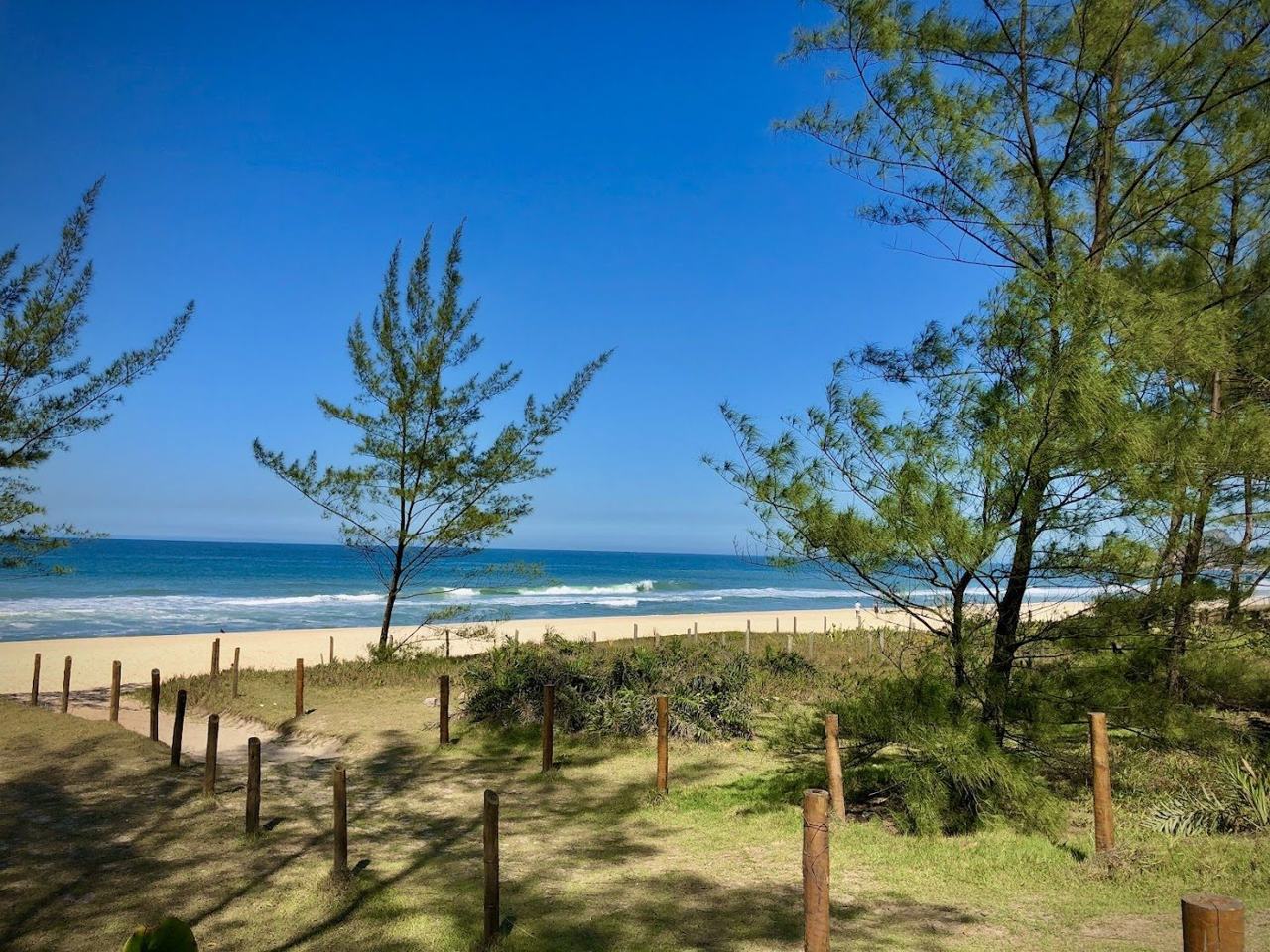
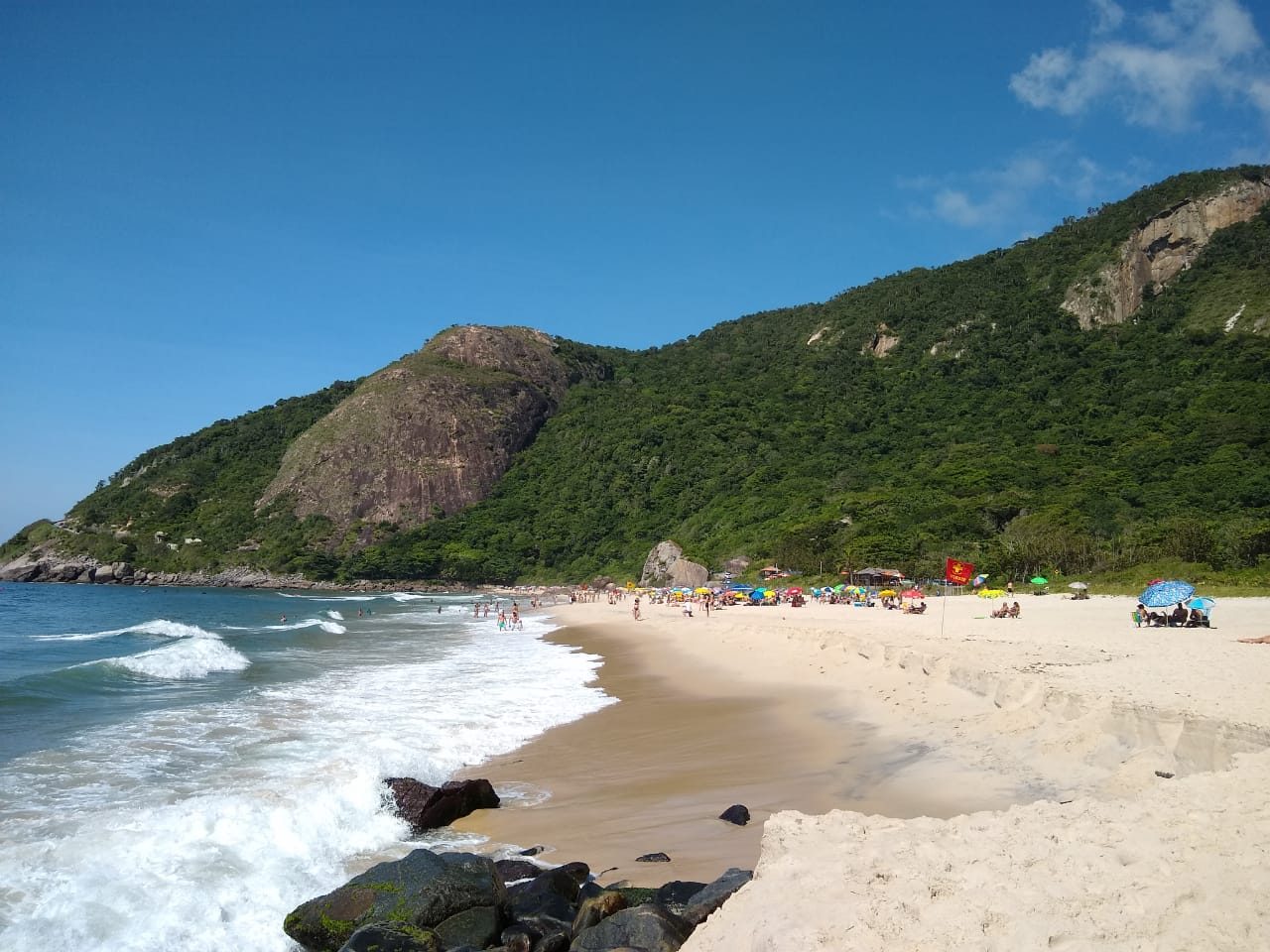
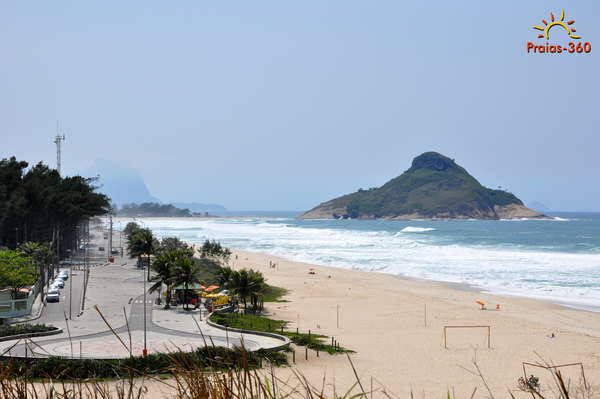
Macumba is where Rio goes to learn. Out past Recreio, where the city thins and the road begins its climb towards the wild beaches of Prainha and Grumari, this long golden stretch faces the open Atlantic and catches a wave that is famously kind to beginners. On a small swell the inside section crumbles softly over sand, the surf schools line up their soft boards, and a steady line of learners spend the morning falling off and climbing back on with grins all round.
What makes it special is the mood as much as the wave. There is no glossy strip here, no rows of branded sunbeds, just kiosks selling cold drinks and grilled snacks, instructors waxing boards, and local families spreading out across sand that never feels packed. Cariocas from the south zone make the run when they want surf and space, and on a weekday morning you can have great swathes of it almost to yourself. The headland at the western end gives the place a frame and a sense of edge, the last easy beach before the coast turns rugged.
Be clear eyed about the trade. Macumba is far out, an hour or more from Copacabana depending on traffic, and it is an ocean surf beach, so the water is rarely glassy calm and the rip can be real on a bigger day. If you want flat water and a manicured promenade, this is not it. But if you want to take your first wave somewhere patient, or simply trade the postcard beaches for an honest local one, Macumba rewards the journey. Read the flags, respect the ocean, and let the morning go slowly.
Clubs near this beach
Macumba is a surf beach, not a club beach; its kiosks and surf schools are the whole scene. For day beds and bar service you look to the smarter strips closer to the south zone, and we can point you there.
Beach kiosks on the sand
The front is lined with simple quiosques serving cold beer, coconut water and grilled snacks, the classic Carioca beach setup. They are casual and local rather than a reserved club, and individual operators and hours are to be confirmed.
No beach club on the sand
There is no reserved beach club with daybeds and table service at Macumba itself; the surf schools and kiosks set the tone. For a club style day we direct you to venues elsewhere in Rio. Details are to be confirmed.
Macumba lies in the far west of Rio, past Recreio dos Bandeirantes where Avenida Estado da Guanabara runs along the coast before the road lifts towards Prainha. From Copacabana or Ipanema it is roughly an hour by car or taxi when traffic is kind, and longer at weekends, so an early start pays off both for the surf and the run home.
Buses serve the area from the south zone and the BRT network reaches Recreio, from where a short ride brings you to the sand. Bring sun cover, water and cash for the kiosks, and rent a board on the spot if you are here to surf. Read the lifeguard flags before you go in, mind the rip on a bigger swell, and remember conditions are typical and never guaranteed.
Not ready to book?
Keep the good shorelines coming. Shore Notes is our occasional letter on the best beaches and the clubs worth your day, sent straight to your inbox. One field, unsubscribe any time.
Reserve a day near Macumba
Macumba is a surf beach with kiosks rather than clubs, but tell us your date and party and we will steer you to daybeds and bar service elsewhere in Rio. No charge to enquire.
Independent and honest · 1,340 beaches ranked across 103 destinations · We answer to no resort
Common questions
Where is Macumba Beach in Rio de Janeiro?
Macumba sits in the far west of Rio, beyond Recreio dos Bandeirantes on the road that climbs towards Prainha and Grumari. It is roughly an hour from the south zone by car, longer in traffic, and well worth the run for surfers and anyone after a calmer day.
Is Macumba good for learning to surf?
Yes, Macumba is the beach most Cariocas name when you ask where to learn. The wave is forgiving and breaks over sand, surf schools and board rental line the sand, and the inside section is gentle on a small day. Conditions still change with the swell and are never guaranteed.
Is Macumba Beach crowded?
Far less than Copacabana or Ipanema. Weekday mornings can feel almost empty outside the surf crowd, while sunny weekends bring local families and surfers. It keeps a neighbourhood feel rather than a tourist scene, which is much of its charm.
Are there facilities at Macumba?
There are simple beach kiosks for drinks and snacks, surf schools and board rental, and lifeguard posts along the sand. It is a local surf beach rather than a polished resort strip, so come for the waves and the easygoing mood, not for a row of smart clubs.
When is the best time to visit Macumba?
Morning is the surfer's hour, when the wind is usually lightest and the wave cleanest. For warmth and sun the southern summer from December to March is reliable, while autumn brings good swell with fewer people. Conditions are typical and never guaranteed.