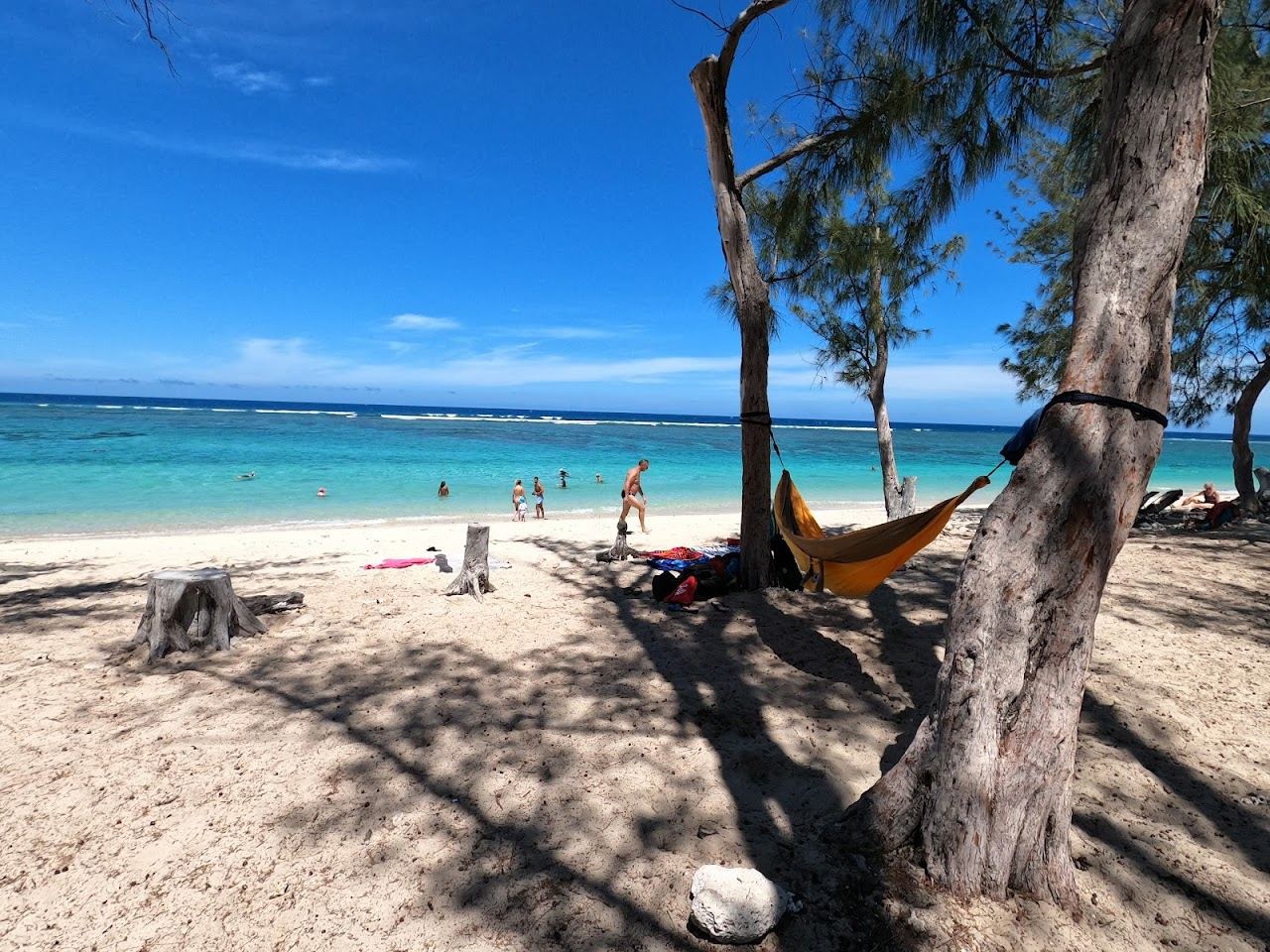
 Photo: Cyrille Jannin (Sir Hill21) via Google
The verdict
- Best forAnyone timing beach days, hiking and a whale watch, and choosing between the dependable dry winter and the warmer but stormier summer
- Top pickMay to November, the cool dry season with calm west coast seas, low rain and the humpback whale window, with September and October the sweet spot
- One thing to knowThe summer from December to April is hot, wet and carries a real cyclone risk, so the dry west coast in winter is the safe beach base
Published 27 January 2026. Last reviewed 11 February 2026
Reunion sits in the southern hemisphere in the tropical southwest Indian Ocean, so its seasons run opposite to Europe and divide cleanly into a cool, dry austral winter from roughly May to November and a hot, wet summer from December to April. Because this is a high volcanic island, the weather also changes sharply with altitude and aspect, the wet windward east soaking while the sheltered west coast stays dry, which is exactly why the beaches cluster on that leeward side around Saint Gilles, Saint Leu and Saint Pierre. For a beach trip the winter wins comfortably, with warm but not stifling days, the calmest lagoons and the least rain on the coast that matters.
The detail that lifts the winter further is the wildlife calendar. Humpback whales migrate past the island through the austral winter, roughly June to October, and can be watched from the west and south coasts and on boat trips, so the dry beach months and the whale season line up beautifully. The trade off is the summer, which brings warmer lagoon water and lush green landscapes but also heavy tropical downpours and the genuine cyclone risk of the southwest Indian Ocean, strongest from January to March, when systems can close beaches and trails and rough the sea. None of that means summer is impossible, but it asks for flexibility and a close eye on the forecast.
This guide walks the year month by month, with a quick grid for the headline conditions and longer notes on the months that matter most. We are honest about the trade offs, because the sunniest, driest weeks of July and August are also the busiest and priciest with French school holidays, while the loveliest balance of dry weather and space often falls in the spring shoulders. For the short answer, aim for May to November, and treat September and October as the quietly perfect window.
Month by month at a glance
| Month | Air | Sea | Rain | Crowd | Verdict |
|---|---|---|---|---|---|
| January | Hot, humid | Warm, around 28C | Wet, cyclone risk | Lifts after New Year | Green and warm, but the stormiest stretch; stay flexible |
| February | Hot, humid | Warm, around 28C | Wettest, peak cyclone | Quiet | The riskiest month for weather; warm lagoons between downpours |
| March | Hot, easing | Warm, around 28C | Wet, easing late | Quiet | Improving; cyclone risk lingers, the green is at its lushest |
| April | Warm, drying | Warm, around 27C | Drying out | Lifts at Easter | A fine transition; warm, greener and calmer as the rain fades |
| May | Mild, dry | Mild, around 26C | Low, dry | Quiet | Excellent; the dry season opening, calm seas and good value |
| June | Cool, dry | Cooler, around 25C | Low | Building, whales arrive | Lovely and dry; whale season opening off the west coast |
| July | Cool, dry | Cooler, around 24C | Driest, light | Peak, school holidays | Sunny and calm but busiest; book the coast well ahead |
| August | Cool, dry | Cooler, around 24C | Driest, light | Peak, school holidays | Top dry month with whales, though crowded and pricey |
| September | Mild, dry | Mild, around 25C | Low, dry | Eases | One of the best; dry, calm, whales and fewer people |
| October | Warm, dry | Mild, around 26C | Low, warming | Quiet | A sweet spot; dry and warming, the last of the whales |
| November | Warm, building | Warm, around 27C | First showers late | Building | A warm dry shoulder before the wet season returns |
| December | Hot, humid | Warm, around 28C | Wet returning | Peak over Christmas | Warm and lively, but the rain and the holiday crowds arrive |
When each month earns its place
May. The dry season opens and the island exhales, with mild comfortable days, the lagoons settling to calm and the rain falling away on the west coast, all before the school holiday crowds arrive. It is one of the best value windows of the year for a beach and hiking trip, the trails firm up after the wet summer, and the sea is still warm enough for easy lagoon swimming. A quietly excellent month to have the coast to yourself.
July. The driest, sunniest heart of the winter, and the busiest, because the long French school holiday fills the west coast beaches, restaurants and roads. The reward is dependable blue sky weather, calm lagoons and prime whale watching offshore, the trade off is higher prices and the need to book accommodation and tables well ahead. Come for the certainty of the weather and the whales, and plan around the crowds rather than fighting them.
August. A twin of July, dry, sunny and cool in the evenings, with the humpback whales at their most reliable off Saint Gilles and Saint Leu and the hiking at its best on firm dry trails. It remains a peak holiday month, so the coast is lively and prices stay high, but for a traveller who wants the surest beach weather, the whales and the mountains in one trip, it delivers. Book early and embrace the energy.
September. Arguably the sweet spot of the year. The school holidays have eased, the weather stays dry and calm, the whales are often still passing and the air warms pleasantly, so you get the best of the winter with far more room and softer prices. The lagoons are clear and gentle, the trails dry and the west coast relaxed. A superb all round month for beaches, hiking and wildlife together, and our quiet pick.
February. The deepest point of the wet summer and the peak of the cyclone season, when the southwest Indian Ocean is at its most active and heavy rain, wind and rough seas can close beaches and trails at short notice. The island is gloriously green and the lagoon water is warm, but it is the month that most demands flexibility and a watch on the forecast. Come only with loose plans and a tolerance for rain, or choose the dry winter instead.
December. The wet season returns and the heat and humidity build, with the rain becoming more frequent as the month goes on, yet the Christmas and New Year weeks are among the busiest and priciest of the year as families travel. Early December can still catch dry, warm days before the crowds and the storms, so aim for the start of the month if you come, and reserve the festive dates well ahead.
Get the Reunion beach calendar
Independent and honest · 1,340 beaches ranked across 103 destinations · We answer to no resort
Before you go
What is the best month to visit Reunion for the beach?
The cool dry season from May to November is the easy choice, with warm comfortable days, the calmest seas on the sheltered west coast and the lowest rain, and September and October are often the sweet spot, mild, dry and still in the whale window. July and August are the driest and sunniest but also the busiest with French school holidays. The hot wet summer from December to April brings warmer lagoon water but heavy rain and the cyclone risk.
When is the cyclone season in Reunion?
The cyclone risk runs through the hot wet summer, roughly November to April, peaking from January to March, when tropical systems in the southwest Indian Ocean can bring heavy rain, strong wind and rough seas that close beaches and trails. A cyclone does not strike every year and many summer days are fine, but you should build flexibility into a summer trip, watch the forecasts and treat the dry winter as the more dependable beach season.
When can you see whales in Reunion?
Humpback whales migrate past Reunion through the austral winter, roughly June to October, when they can be seen from the west and south coasts and on boat trips out of Saint Gilles and Saint Leu. It is one of the best reasons to time a trip to the dry season, since the calm beach months and the whale window overlap. Sightings are wild and never guaranteed, so follow licensed operators and keep a respectful distance, as the rules require.
Is the sea warm enough to swim all year in Reunion?
Yes. The lagoon water stays comfortable all year, around 27 to 28 degrees in the summer and a fresher 24 to 25 in the cool winter months, so swimming inside the reef lagoons and netted zones is pleasant in every season. The bigger factors are the rain and the swell rather than temperature, both easier in the dry winter, and the rule that you swim only in the lagoons and secured zones applies whatever the month.
When is Reunion most crowded?
As a French department, Reunion fills around the French school holidays, especially the long July and August break and the Christmas and New Year weeks, when the west coast beaches, restaurants and roads are busiest and prices rise. The austral spring of September to November and the quieter shoulder of May tend to offer dry weather with more room. Local festivals and long weekends also lift numbers, so check the calendar when you book.