Vung Bau Beach, Phu Quoc
The verdict
- Best for: Travellers who read a beach as a landscape, who want length, forest and near solitude over service, and who will trade a little polish for raw northwest light.
- Best spot: The long central sand between the river ends, walked at first light or held for the late sunset, where the forest line glows and the water sits glassy and empty.
- Know this: It is wild rather than groomed, so some stretches collect washed up debris and facilities are thin. For finer white sand go to Bai Sao at dawn or Khem Beach.
Published 14 January 2026. Last reviewed 17 April 2026
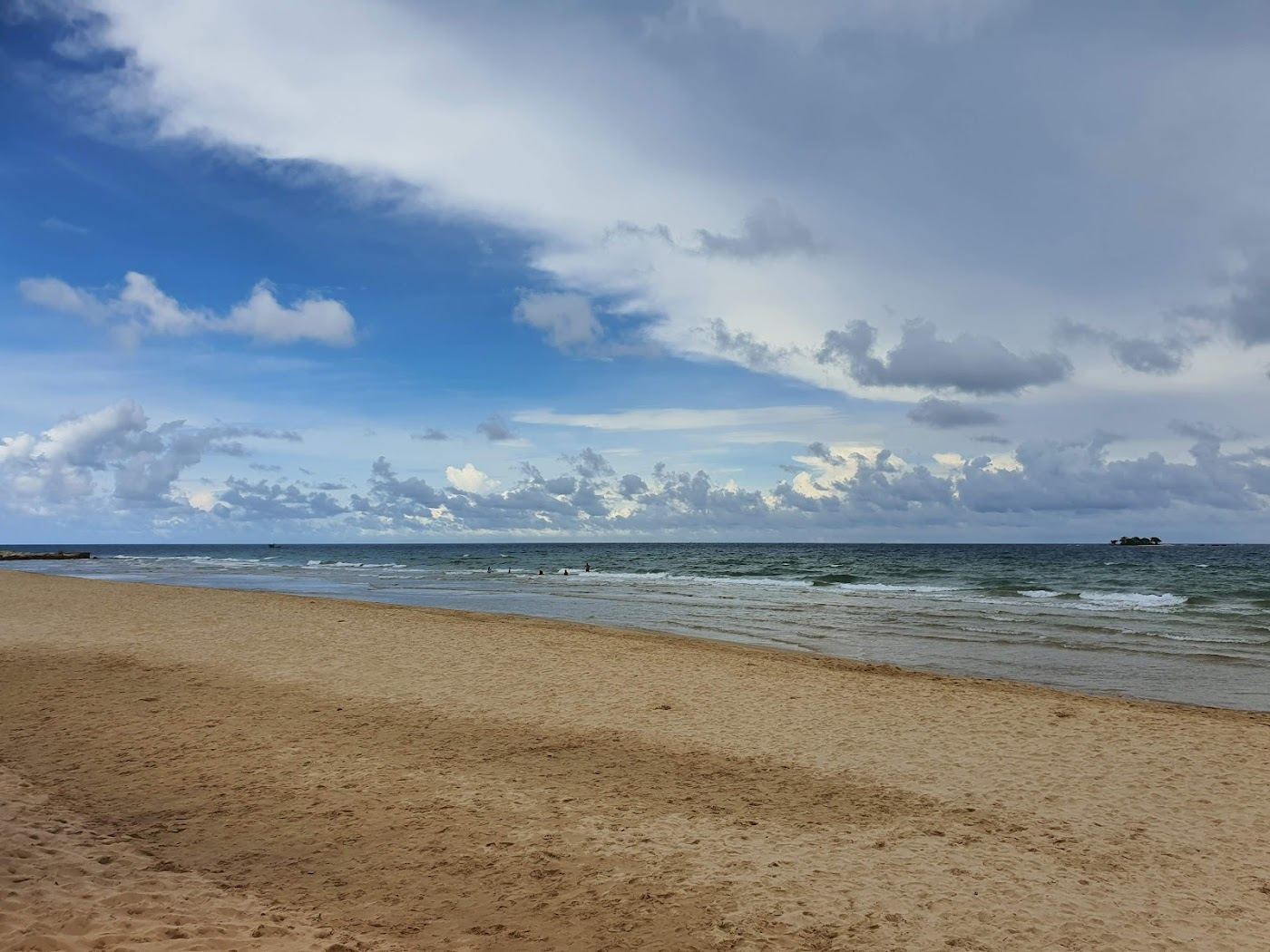
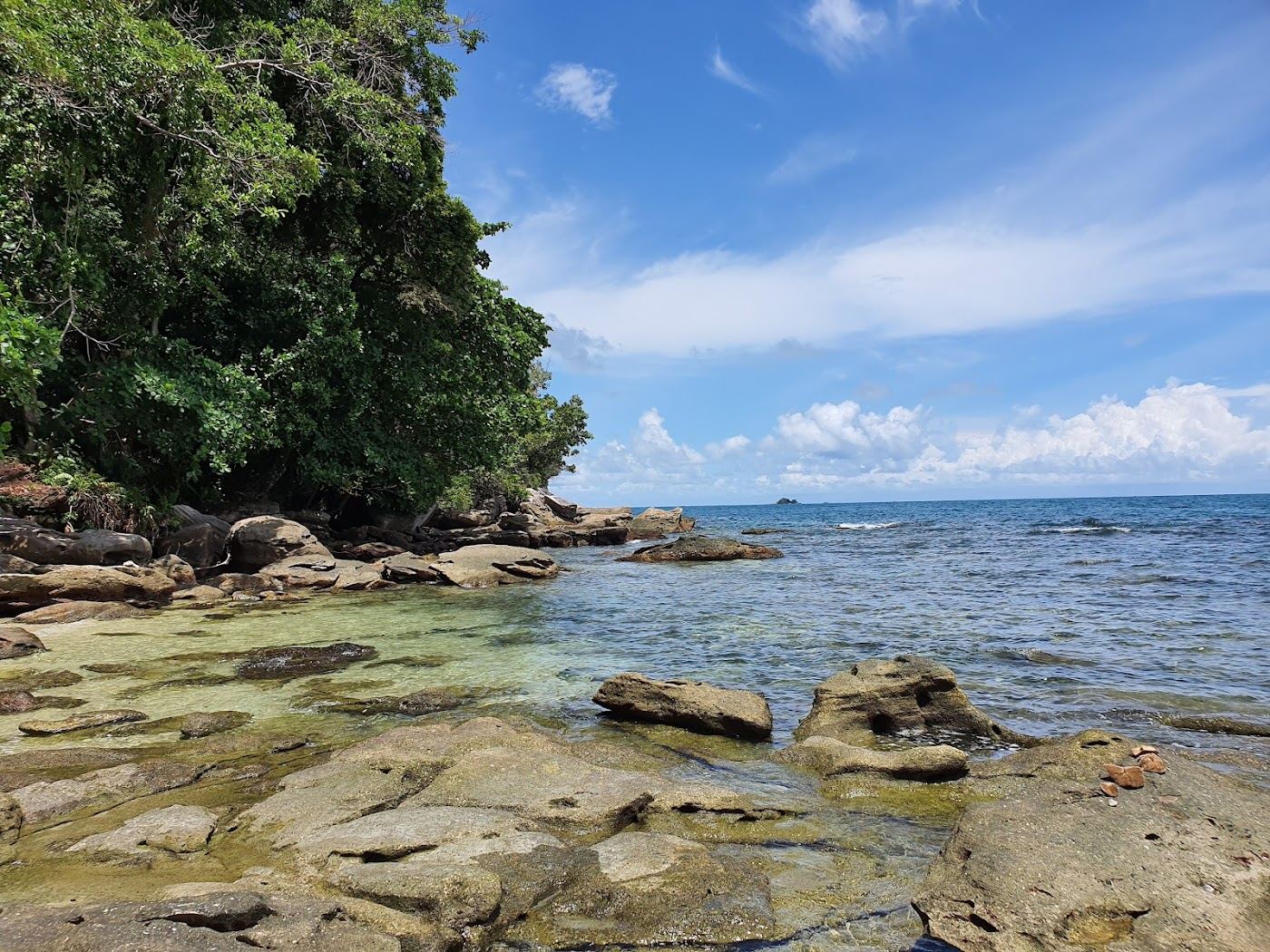
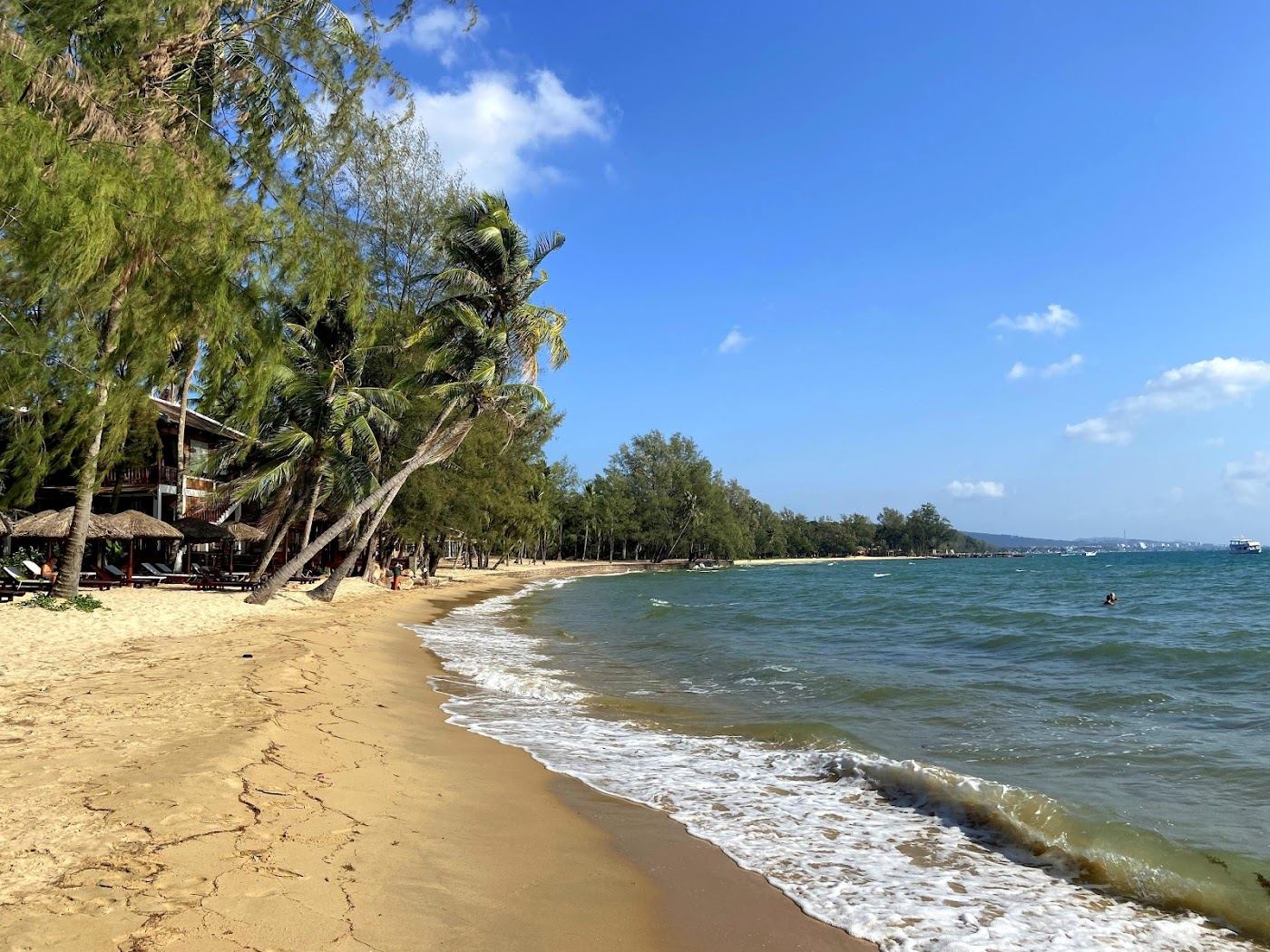
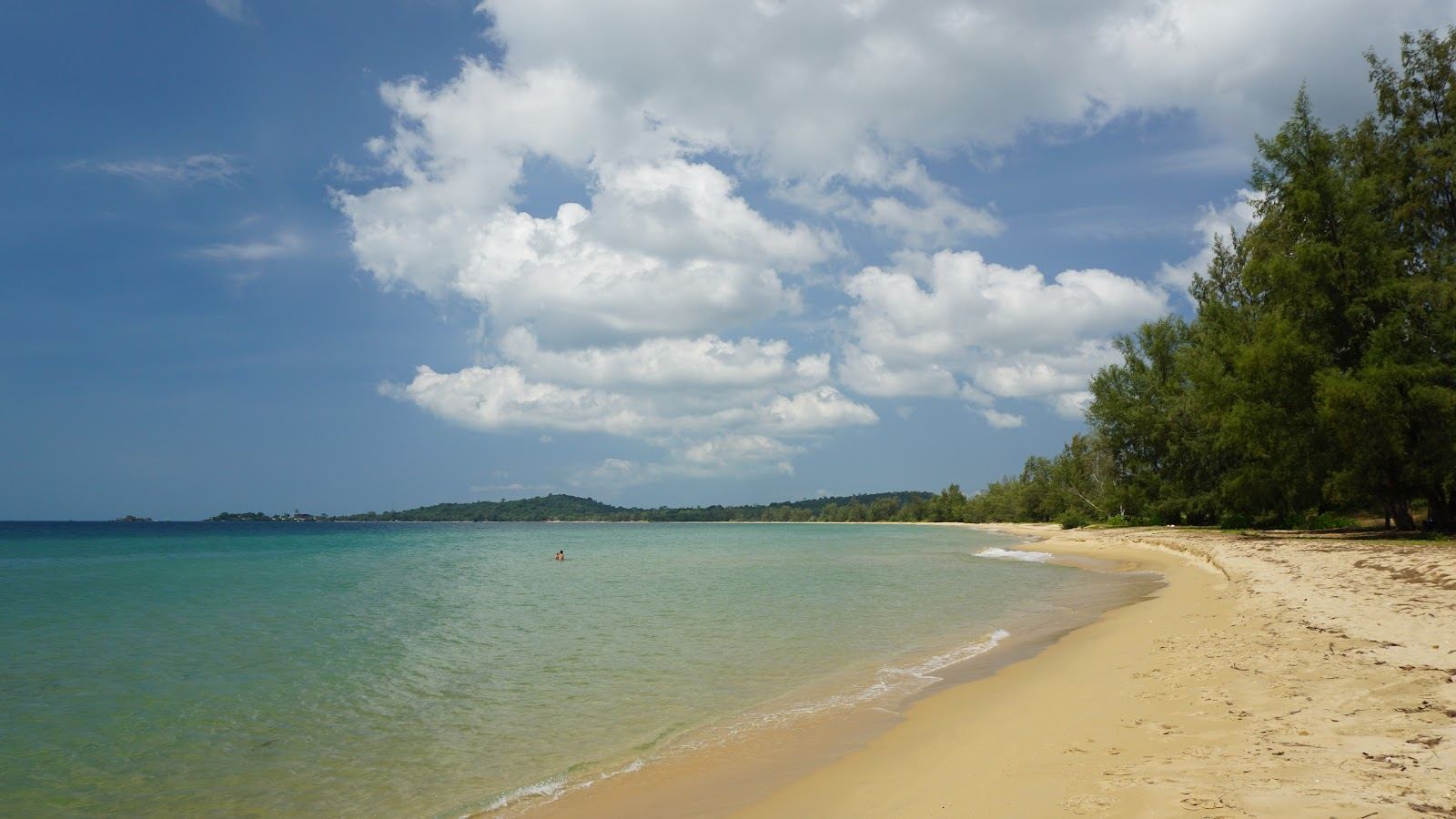
Vung Bau is the kind of beach you photograph for the composition rather than the colour. It runs in a long, soft arc on the northwest coast, a wide band of pale gold sand pinned between a flat sheet of shallow water and a continuous wall of forest, with no buildings to break the line. In the early light the scene reads almost monochrome, sand and haze and treeline, and the eye keeps travelling because there is nothing to stop it. For a traveller who values atmosphere and space over the perfect turquoise crescent, this is one of the most quietly beautiful stretches on the island.
The honest read is that the picture is better than the polish. This is a wild beach, not a groomed one, and the reality shows it in places. Some sections, especially near the river mouths and after the wet season, collect washed up plastic and driftwood that no one has cleared, and the facilities are thin and scattered rather than a tidy run of bars. The water is gentle and the sand is genuinely fine along the centre, but you come here for the emptiness and the light, not for a serviced beach day. Treat Vung Bau as a landscape to walk and watch rather than a resort beach, and it rewards you. Arrive expecting Bai Sao and you will be let down.
If the rough edges put you off, the smarter moves are close by. For the same wild calm in a slightly tidier setting, Cua Can a few minutes south offers a gentle river mouth shore and quiet kayaking. For finer, whiter sand, Bai Sao on the southeast coast is the postcard if you arrive at dawn, and Khem Beach gives that brilliant white in a more controlled bay. Vung Bau is for the slow walker and the photographer who likes a beach with nothing in the way. For service and dazzle, look elsewhere on the island.
A resort fringe, not a club scene
Vung Bau is a wild beach with resort beachfronts at its ends rather than a styled daybed club. Compare the island's true clubs and service in our Phu Quoc beach clubs directory.
Resort beachfronts at the ends
A handful of resorts sit at either end of the Vung Bau crescent with their own loungers, bars and shaded terraces facing the calm water, which is the closest the beach comes to a club day. Access, day passes, hours and prices vary by property and are to be confirmed, so contact a resort directly or ask us to check before you plan around one. The long central sand between them stays open, wild and free to walk.
Simple seafood and shade stops
Along the open sand you will find occasional simple seafood spots and shaded huts rather than a polished bar strip, the sort of place for a cold drink and a grilled plate after a long walk. They are informal and seasonal, busier in the dry months and quiet to closed in the wet season. Specific names, opening status, hours and prices are to be confirmed, so check on the day rather than relying on one being open.
Vung Bau lies in the Cua Can area on the northwest coast, roughly 20 kilometres and about 40 minutes by road from Duong Dong town. Most travellers come by rented scooter or taxi, and the final approach runs down rough sandy lanes through forest to reach the open sand. The road improves and degrades in patches, so allow extra time and take the last stretch slowly on two wheels. Aim for early morning for glassy water and soft side light, or stay for the long northwest sunset.
Bring water, snacks and sun cover, because shade is limited to the forest edge and facilities are thin and spread out. There are no lifeguards reported, so check the sea before you swim, keep children close and treat all conditions as typical rather than guaranteed. The water is cloudier near the river mouths and after rain, so swim along the cleaner central sand, and carry out anything you bring in to help keep this wild stretch the way you found it.
Not ready to book?
Keep the good shorelines coming. Shore Notes is our occasional letter on the best beaches and the clubs worth your day, sent straight to your inbox. One field, unsubscribe any time.
Reserve a day near Vung Bau
Tell us the date and party and we will match you to a resort beachfront day, a seafood lunch or a quieter shore nearby and pass on your request. No obligation, and we reply within 24 hours.
Independent and honest · 1,340 beaches ranked across 103 destinations · We answer to no resort
Common questions
Is Vung Bau beach worth visiting?
Yes, if you come for raw, undeveloped coast rather than a polished beach day. Vung Bau is a long crescent of fine pale sand backed by dense forest on the northwest coast, with calm shallow water and very few people. The trade off is honesty about the edges, because some stretches collect washed up debris and facilities are thin. Come for the wild light and the space, not for service, and walk to the cleaner central sand away from the river ends.
Can you swim at Vung Bau beach?
Yes, and the water is among the gentler swims on the island. The bay shelves slowly into clear shallow turquoise, which makes it easy bathing in settled dry season conditions. There are no lifeguards reported and conditions are typical rather than guaranteed, so read the sea, keep children close and avoid the murkier water near the river mouths after rain. Mornings are calmest and clearest.
Is there a beach club at Vung Bau?
Not in the styled daybed sense. A handful of resorts sit at the ends of the bay with their own beachfronts, and simple shaded spots and seafood stops appear along the sand, but Vung Bau is a wild beach rather than a club scene. Specific operators, opening status, hours and prices are to be confirmed, so check ahead, especially outside the dry season when much of the coast goes quiet.
How do you get to Vung Bau from Duong Dong?
Vung Bau lies in the Cua Can area on the northwest coast, roughly 20 kilometres and 40 minutes by road from Duong Dong town. Most people come by rented scooter or taxi, and the final approach runs down rough sandy lanes through forest to reach the open sand. The road improves and degrades in patches, so allow time and take the last stretch slowly on two wheels.
When is the best time to visit Vung Bau?
The dry season from November to April brings the calmest, clearest water and the brightest light on the pale sand, which is when the beach photographs at its best. Within the day, early morning gives glassy water and soft side light along the forest line, while late afternoon sets up the long sunset the northwest coast is known for. The wet season from May to October can leave the water cloudier and the tide line strewn with debris.
Is Vung Bau better than Bai Sao?
They answer different questions. Bai Sao has the finer, whiter sand and the postcard turquoise, but it fills with boat tours by midday. Vung Bau trades that dazzle for length, forest and near solitude, so it suits a traveller who values atmosphere and space over the perfect crescent. For pure white sand go to Bai Sao at dawn or Khem Beach. For a wild, low key shore with room to wander, Vung Bau wins.