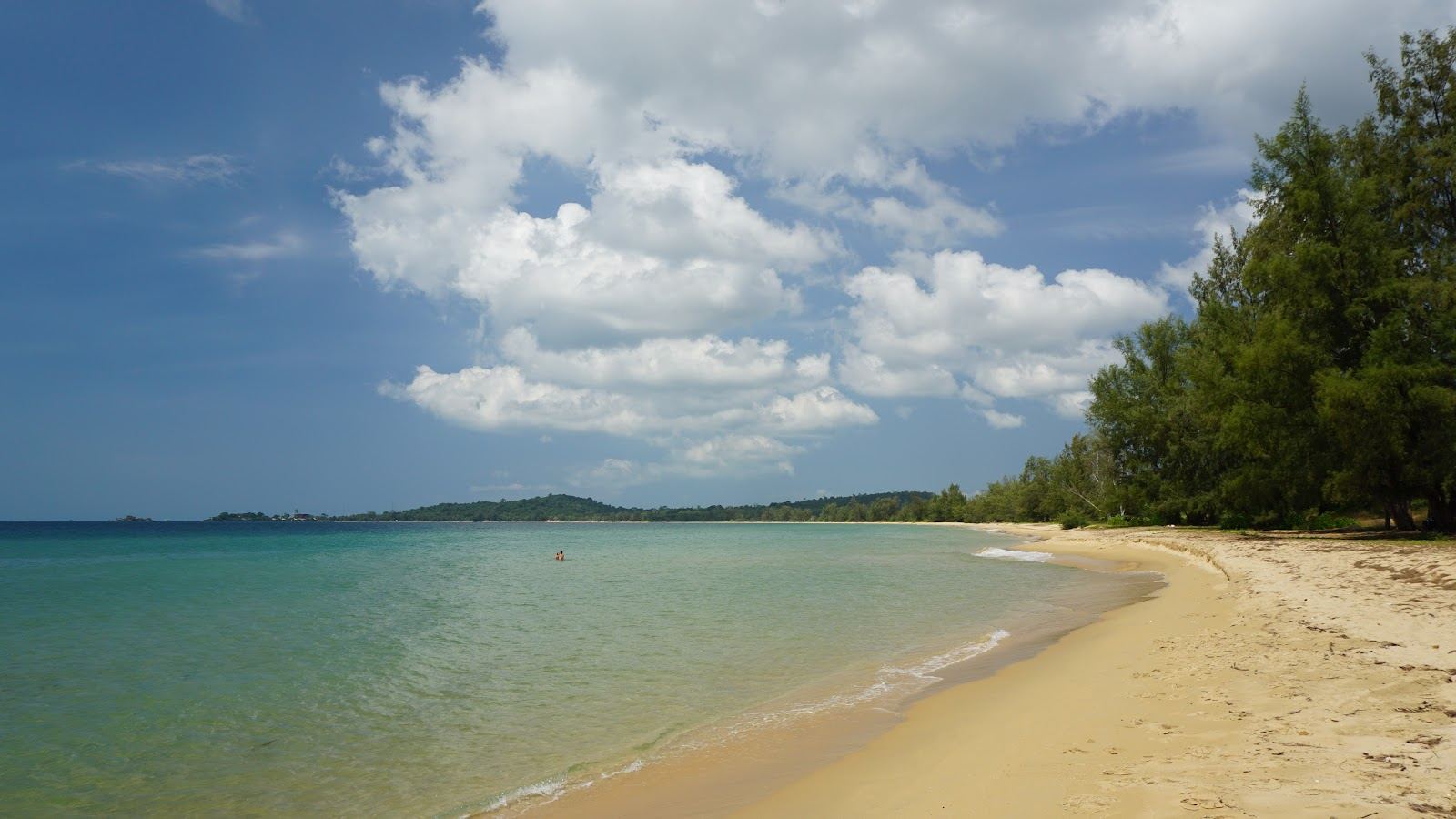
 Photo: Alex Photobeaver via Google
The verdict
- Best forTravellers who want length, forest and near solitude over service, scene and a manicured frontage
- Top pickVung Bau on the northwest coast for long, forest backed, near empty sand and a quiet west coast sunset
- One thing to knowThe famous south coast sand is the opposite of secluded by midday, so head north and west for genuine quiet
Published 6 February 2026. Last reviewed 12 May 2026
Seclusion on Phu Quoc is a matter of geography and timing. The island is large and still uneven in its development, so while the south coast turns into a busy day trip strip by the middle of the day, the northwest coast and the capes keep long, quiet, forest backed sand where you can walk for a stretch and meet almost no one. The look is wilder and less polished than the postcard south, and that is exactly the point.
We have ranked the beaches below for the quality of the quiet rather than the fineness of the sand. Real space and low footfall, a natural forest or village backdrop rather than a wall of resorts, and an aspect that holds the light at dawn or sunset when these shores are at their most cinematic. The northwest coast and the northern cape do this best, while the south sells seclusion in a few resort coves but rarely delivers it once the boats arrive.
If you take one line from this page, take this one. For empty forest backed sand go to Vung Bau or Cua Can on the northwest coast, for character and the end of the island head to Ganh Dau at the northwest cape, and treat the south's quiet only as a dawn window, because the same beaches that feel private at first light are crowded by noon.
The quietest beaches on the island
Real space and a natural backdrop first, polish second.
Vung Bau Beach
The most convincing seclusion on the island, a long curve of northwest sand backed by casuarina and palm forest and still largely undeveloped despite a resort or two. The central stretch walked at first light or held for the sunset is wide, glassy and near empty, the forest line glowing. It is wild rather than groomed, so expect thin facilities and some washed up debris.
Cua Can Beach
A calm, barely developed palm backed shore with a slow village rhythm, where the days are about a swim, a paddle up the river and watching the light rather than any scene. There is little to do beyond that, which is the appeal, though the water clouds near the river mouth after rain, so come in a settled dry spell for the clearest quiet.
Ganh Dau Beach
A quiet crescent bay at the island's northwest tip, where on a clear day you can make out the Cambodian coast across the gulf. It is a working fishing stretch with a harbour and good value seafood rather than a pristine swim, far from the resort polish of the south. Come for character, the end of the island feel and a waterfront lunch.
Ong Lang Beach
The connoisseur's quiet, a string of small coves and golden sand divided by rock and low key resorts on the northwest coast. The sand is darker and more natural than the south, the mood unhurried, and a single cove at golden hour can feel like your own. It is a series of beaches rather than one strand, so it pays to know which access point you want.
Ong Doi Beach
A rocky cape in the south for travellers who treat a headland as a viewpoint, with sculpted stone, open horizon and a twin facing sunset rather than a swimming beach. Only small sand pockets sit between the rocks and a resort holds much of the headland, so the seclusion is scenic and partial. For an easy swim on fine sand go to Khem a short way north.
The honest read on seclusion
Be honest with yourself about what wild means here, because seclusion on Phu Quoc comes with trade offs. The quiet northwest beaches have thin facilities, little shade you can rely on and, on the truly wild stretches like parts of Vung Bau, washed up debris that no one is raking each morning. The quiet is real, but you bring your own water, your own shade and a relaxed attitude to a shoreline that is not groomed for you.
Do not believe the dated marketing. Bai Dai was once sold as a wild unspoiled beach and is now the heart of a major resort and theme park zone, so its quiet is gone. The south's pretty coves trade on exclusivity but fill with day trips by midday, and the village shores in the north are atmospheric but shallow and often silty. Genuine solitude lives on the northwest coast and at the capes, not in the brochure south.
Conditions here are typical rather than guaranteed and the remote beaches have no lifeguard cover, so swim with care and never alone, and we make no safety promises. The smart move is the dry season and the edge of the day. Walk Vung Bau or Cua Can at dawn or sunset in the calm months and you get the empty, cinematic Phu Quoc that the busy south can no longer offer.
A quiet base on the coast
The secluded northwest coast is light on clubs by design, but a low key resort frontage or a simple beach restaurant can give you shade, a lounger and a meal without breaking the quiet. The most polished setups sit on the southern coast and the Long Beach strip, so a secluded day often means bringing your own kit. We never invent a venue, a minimum spend or an opening status, so anything we cannot confirm is marked to be confirmed. Browse the directory and send one enquiry to check your date.
Book a beach club in Phu Quoc
Independent and honest · 1,340 beaches ranked across 103 destinations · We answer to no resort
Before you go
Which is the most secluded beach in Phu Quoc?
Vung Bau on the northwest coast is the most convincingly secluded, a long forest backed stretch that stays near empty, especially at dawn and sunset. Cua Can and Ganh Dau are quiet too. Genuine solitude sits on the northwest coast and the capes rather than the busy south, and these wild beaches have thin facilities, so come prepared.
Are there any quiet beaches left in Phu Quoc?
Yes, on the northwest coast. Vung Bau, Cua Can and the Ong Lang coves stay quiet and natural even as the south and the resort zones fill, and Ganh Dau at the northwest cape keeps a working village calm. The south coast can feel quiet only at first light, before the boat tours arrive and turn it into a busy day trip beach by midday.
Is Bai Dai still a quiet beach?
No. Bai Dai was once marketed as a wild, unspoiled beach but is now the heart of a major resort and theme park zone, with VinWonders, the safari and Grand World beside it. The swimming is calm and it suits families, but it is not secluded. For genuine quiet on that side of the island head north to Vung Bau or Ganh Dau.
Which part of Phu Quoc is least developed?
The northwest coast and the northwest cape are the least developed parts of the island, with Vung Bau, Cua Can and Ganh Dau keeping forest, village and working harbour character. The south and the central west coast around Long Beach and Bai Dai are the most built up. Development is moving fast, so the quiet north is the place to go now.
Do the secluded beaches have facilities?
Mostly not, which is part of the appeal. The quiet northwest beaches have thin facilities, little reliable shade and no lifeguard cover, and the truly wild stretches collect washed up debris. Bring your own water and shade, swim with care and never alone, and treat the conditions as typical rather than guaranteed. For full services choose the south coast or Long Beach instead.