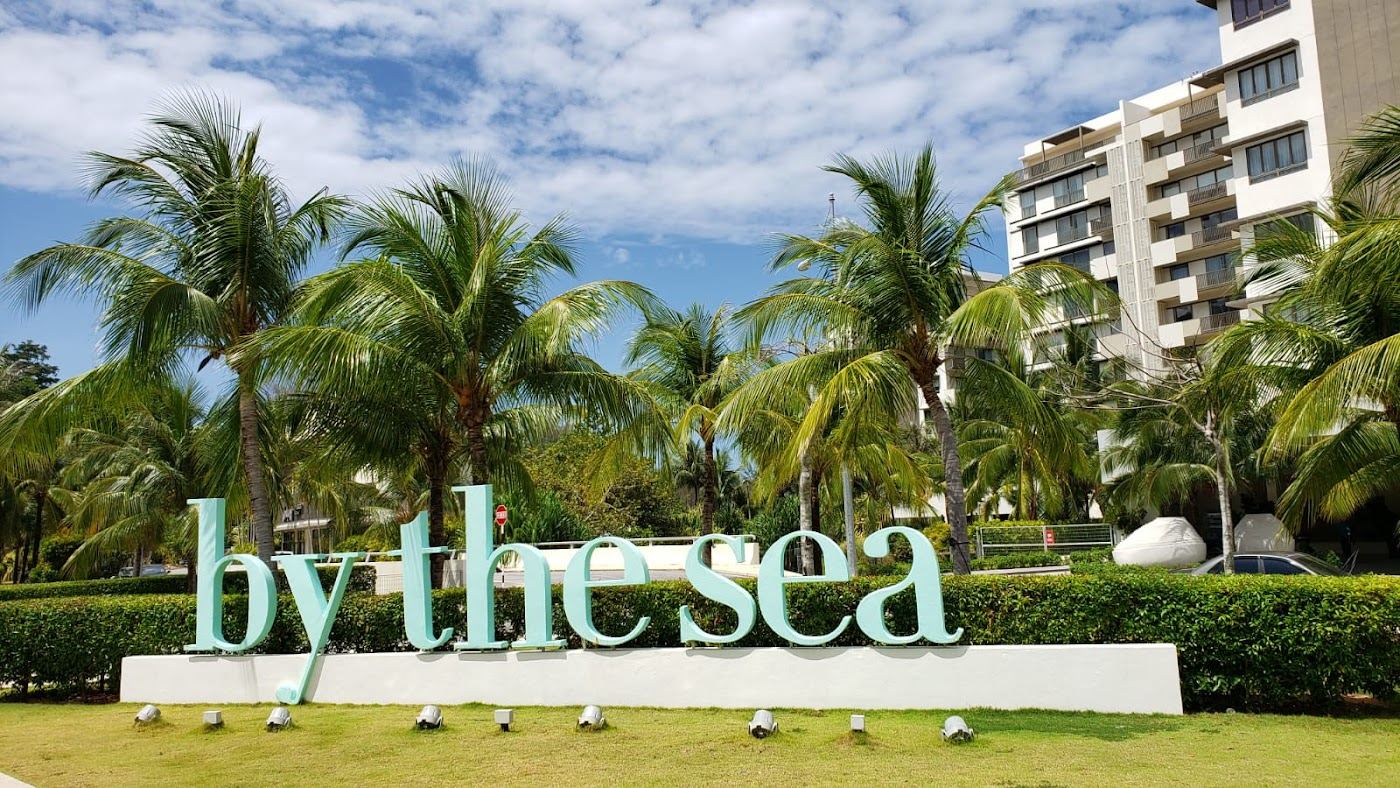
 Photo: By The Sea Batu Ferringhi Penang via Google
The verdict
- Best forTravellers timing a Penang trip who want the driest skies, the clearest the sea gets, and firm trails into the national park coves rather than the heavy storms of the wet months.
- Single best spotDecember to April, with January and February the driest and least humid, and the sea at its warmest around March.
- One thing to knowPenang is warm and humid all year with no cold season, so the choice is between the drier first third of the year and the wet peak of September and October, when downpours muddy the trails and cloud the water.
Published 27 January 2026. Last reviewed 27 April 2026. Conditions are typical and never guaranteed.
Penang sits just a few degrees north of the equator, so its year has no summer and winter, only a wetter half and a drier one, with warm humid air and a warm sea throughout. The shape of the calendar is simple to read once you know it. The drier, sunnier stretch runs roughly from December through April, the inter monsoon storms of April and May bring the first heavy thunderstorms, a drier interlude follows around June and July, and the wettest months arrive in September and October before the rain eases again toward the year's end. For a traveller who wants beach time and the national park trails at their best, that drier first third of the year is the target.
What follows is the year broken down month by month for the things that actually shape a beach day on this green island, the heat, the sea, the rainfall and the crowd, with an honest verdict for each. We are plain about September and October, the wet peak, when downpours fall on most days, the park trails turn muddy and the already murky sea clouds further. We are just as plain about why the dry months reward you, with sunnier skies, the warmest and clearest the water gets, and firm walking into the wild coves at Monkey Beach and Kerachut. For a nature minded visitor, the dry season is the whole point, with the turtle nesting calendar an extra reason to time a trip with care.
Month by month at a glance
| Month | Air | Sea | Rain | Crowd | Verdict |
|---|---|---|---|---|---|
| January | Hot, around 31C | Warm, around 28C | Drier | Higher | One of the driest, clearest months, ideal for the beach and the park trails |
| February | Hot, around 32C | Warm, around 28C | Driest | Higher | The driest month, sunny and lower humidity, the pick for nature and walking |
| March | Hot, around 32C | Warmest, around 30C | Building | Moderate | Warmest sea of the year and still fairly dry, an excellent all round choice |
| April | Hot, around 32C | Warm, around 30C | Wetter | Moderate | Inter monsoon storms begin and turtle nesting starts at Kerachut |
| May | Hot, around 31C | Warm, around 29C | Wet | Lower | Frequent afternoon thunderstorms, bright mornings still good for the beach |
| June | Hot, around 31C | Warm, around 29C | Drier spell | Moderate | A drier interlude with passing showers, good value and fewer crowds |
| July | Hot, around 31C | Warm, around 29C | Drier spell | Moderate | Often one of the drier mid year months, pleasant for sightseeing and sand |
| August | Hot, around 31C | Warm, around 29C | Building | Moderate | Rain builds again, still workable around the morning showers |
| September | Hot, around 31C | Warm, around 29C | Very wet | Lower | The wet season takes hold, heavy downpours and cloudier water |
| October | Hot, around 31C | Warm, around 29C | Wettest | Lower | The wettest month, muddy trails and short beach windows, plan around the rain |
| November | Hot, around 31C | Warm, around 28C | Easing | Lower | Rain begins to ease, improving but still showery, quiet and good value |
| December | Hot, around 31C | Warm, around 28C | Drying | Higher | The dry season returns with sunnier days, busier around the holidays |
When each month earns its place
January and February. The driest and least humid months, and the naturalist's favourites. Skies are sunnier, the rain eases to occasional showers, and the firmer trails make the walk to Monkey Beach and Kerachut easier and more pleasant. The sea is warm and a touch clearer than in the wet months, though never the turquoise of the Thai islands, so manage expectations and lean into the jungle, the wildlife and the quiet coves. Holiday and festival weeks can lift the crowds, so book ahead if you travel around then.
March and April. The sea reaches its warmest of the year around now, near thirty degrees, and March in particular pairs that with still fairly dry skies, which makes it one of the best all round months for the island. April warms the trend but the inter monsoon storms begin to build, with heavier afternoon thunderstorms more likely as the month goes on. April also opens the green turtle nesting season at Kerachut, so a wildlife minded visitor might accept a little more rain for the chance, always kept at a respectful distance, to see the hatchery at work.
May to August. A mixed middle of the year. May brings frequent afternoon thunderstorms, then June and July often settle into a drier interlude with bright mornings, passing showers and fewer crowds, which makes them quietly good value for the beach and for Georgetown's food and sights. The heat and humidity stay high throughout, so a slow midday in the shade is wise. By August the rain begins to build again toward the wet peak, though mornings usually stay usable for an early swim or a park walk before the clouds gather.
September and October. The wettest months, and the ones to approach with open eyes. Heavy downpours fall on most days, October the peak, the national park trails turn muddy and slippery, and the already murky north coast water clouds further with run off. The rain tends to come in intense afternoon and evening bursts rather than all day grey, so a trip is not washed out and mornings can still shine, but the beach windows are shorter and the wild coves harder to reach. Travel now for the lower prices and the quiet, not for reliable sand.
November and December. The turn back toward the dry season. November still sees showers but the rain begins to ease and the island freshens, quiet and good value as the wet peak passes. December dries out further with more sunny days returning, a lovely time for the beach and the park, though the year end holidays lift the crowds and prices on the resort coast. By the close of December the island is sliding back into its best beach stretch, ready for the dry, clearer months of the new year.
Get the Penang beach calendar
Independent and honest · 1,340 beaches ranked across 103 destinations · We answer to no resort
Before you go
When is the best time to visit Penang for the beach?
The drier months from December to April are the most reliable for beach days and the national park trails, with sunnier skies, calmer seas and the warmest water of the year around March. January and February in particular bring lower humidity and clearer days. The wettest stretch falls in September and October, so a beach minded visitor is best aiming for the first third of the year. Conditions are typical and never guaranteed.
What are the wettest months in Penang?
September and October are the wettest, with October the peak, when heavy afternoon downpours fall on most days and the sea turns cloudier with run off. The inter monsoon storms of April and May also bring frequent thunderstorms. The rain usually comes in intense bursts rather than all day grey, so a wet season trip is not washed out, but the national park trails grow muddy and the beach windows shorter. Conditions are typical and never guaranteed.
How warm is the sea in Penang?
Warm all year. The sea around Penang sits between about twenty seven and thirty degrees Celsius through the seasons, peaking near thirty around March and April, so the water is always swimmable in temperature terms. Clarity is the bigger variable than warmth, since the developed north coast is often murky and rain clouds it further. The cleaner swims are in the national park, and conditions are typical and never guaranteed.
Is Penang too hot to visit?
Penang is hot and humid all year, with daytime temperatures usually in the low thirties Celsius and high humidity, since it sits close to the equator. There is no cold season, just a wetter and a drier half. The heat is manageable with shade, water and a slow midday, and the dry season months feel a touch fresher with lower humidity and clearer skies, which makes them the most comfortable for the beach and the park trails.
When can you see turtles nesting in Penang?
Green turtles typically nest at Kerachut Beach in the national park from around April to August, and olive ridley turtles later in the year from roughly September to February, managed through a state run hatchery. Nesting is a natural event and never guaranteed on any given visit, so treat any sighting as a bonus, keep a respectful distance, never use flash or lights, and follow the hatchery guidance. Timing a trip to the season improves the odds without promising anything.
Does it rain all day in Penang during the wet season?
Usually not. Even in the wettest months the rain tends to arrive as heavy afternoon and evening downpours rather than continuous all day grey, so mornings are often bright and usable for the beach or the park. The trade is shorter dry windows, muddier trails and cloudier water, so plan beach and hiking time for the early hours and keep flexible. Conditions vary year to year and are never guaranteed.