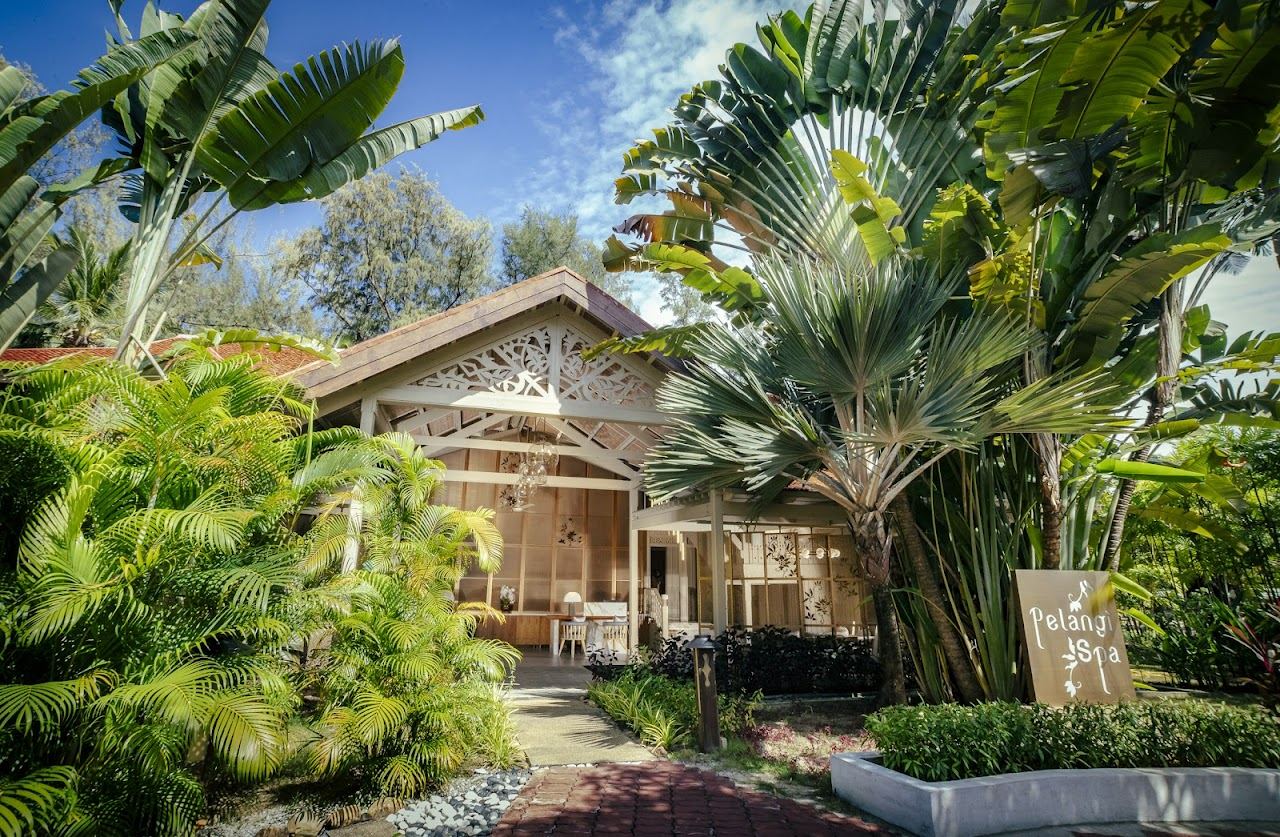
 Photo: Pelangi Beach Resort & Spa, Langkawi via Google
The Best Beaches
in Langkawi
A green, duty free island of palm fringed sand, eagle filled skies and slow Andaman sunsets, ranked.
The verdict
- Best forCouples, families and slow travellers who want warm calm water, jungle clad shores and an unhurried, affordable beach day with a sunset cocktail rather than a glamour scene
- Single best spotPantai Cenang as the easy all round base, or the quiet northern sands of Tanjung Rhu and Datai Bay for the finest, calmest beaches on the island
- One thing to knowThe dry season from November to April is the window, the sunsets are the daily ritual, and the north is far lovelier and quieter than the busy Cenang strip suggests
Published 13 January 2026. Last reviewed 28 March 2026
Langkawi is the green, languid heart of Malaysia's Andaman coast, an archipelago of more than ninety islands where limestone karsts rise out of the sea, eagles wheel over the mangroves and the main island unrolls one soft beach after another. Its name comes from the reddish brown eagle that is its emblem, and that wild, jungle backed feeling runs through everything here. This is duty free territory, so drinks and dining are notably cheap, and the beach culture is warm and barefoot rather than polished, built around a cold drink, a daybed and a sunset that does the heavy lifting.
The honest read is that Langkawi rewards the traveller who slows down and spreads out. Most visitors land on Pantai Cenang, the lively two kilometre strip on the southwest corner, and never leave, which is a mistake, because the island's most beautiful sand lies quietly in the north. Cenang is the convenient, sociable base with the best sunsets and bars, but Tanjung Rhu and Datai Bay are where the water turns clear and calm and the crowds thin to almost nothing. Below we rank the beaches on the sand, the water, the scenery and the kind of day each delivers, and we are honest about which are genuinely lovely, which are simply convenient, and which are a ten minute photo stop dressed up as a beach.
Ranked, not listed
Scored on the sand, the water, the scenery and the day each beach delivers. Honest verdicts, the overrated stops called out.
Pantai Cenang
The lively heart of the island and the best all round base, a two kilometre strip of pale sand and coconut palms lined with bars, restaurants and watersports, and the home of the island's sunset ritual. It is busiest and noisiest in places, with jet skis and parasails by day, but for a sociable, convenient and affordable beach holiday nothing else is close.
Tanjung Rhu
The most beautiful swimming beach on the island, a broad sweep of pale sand on the quiet north coast, framed by limestone karsts and backed by casuarina trees and mangroves. The water is shallow, clear and calm, and at low tide sand bars open a walk toward the islands. Quiet, scenic and a touch upmarket, it is where to come for the postcard.
Datai Bay
The luxury jungle beach, a curve of soft sand on the northwest tip wrapped in ancient rainforest and ranked among the world's loveliest bays. The two resorts behind it keep it quiet and exclusive, so non guests have limited access, but the setting, with hornbills overhead and the forest meeting the sea, is unmatched on the island.
Pantai Tengah
Cenang's quieter neighbour just to the south, a softer, more low key stretch of the same coast with calmer sand, a string of spas and resorts and a gentler evening mood. The pick for travellers who want to be near the action and the sunset bars without sleeping in the middle of them.
Pasir Tengkorak
A small, pretty cove on the north coast backed by protected forest, with shade, calm clear water and a local, family weekend feel. Its name translates as a darker old legend, but today it is a quiet, leafy swimming spot and an easy pairing with the drive out to Datai and the northern karsts.
Black Sand Beach
The island's curiosity, a stretch of dark mineral streaked sand on the north coast with a small legend behind its colour. It is a genuine novelty and a fine quick stop on a cable car and north coast loop, but the honest verdict is that it is a ten minute photograph rather than a beach day, so swim and sunbathe elsewhere.
Who it suits, who should skip
Who should choose what? If you want convenience, company and the best sunset bars, base yourself on Pantai Cenang and accept the buzz and the daytime jet ski noise as part of the deal. If you want beauty, calm water and quiet, head north to Tanjung Rhu, the finest swimming beach on the island, or splash out near Datai Bay for the jungle and the seclusion. Pantai Tengah is the gentle compromise, close to the action but a notch quieter, and families often find it the easiest base of all. The mistake most visitors make is never leaving Cenang, so even on a short trip, give the north a day.
Be honest with yourself about the season and the sea, too. Langkawi is at its best in the dry months from November to April, when the skies clear, the water calms and the sunsets turn reliable. In the wet season from May to October the beaches are cheaper and quieter, but afternoon storms are common and the water can cloud and pick up debris after heavy rain. We make no swimming safety promise anywhere, because jellyfish and stronger currents appear at times, so follow the flags and the local advice on the day. Treat Black Sand Beach as a photo stop, lean into the barefoot rhythm, and Langkawi gives you one of the warmest, most affordable beach weeks in Asia.
The best months in Langkawi
Langkawi has a simple two season year. The dry season from roughly November to April brings the clearest skies, the calmest Andaman Sea and the most reliable sunsets, and it is the window worth aiming for, with December to February the peak. The wet season from May to October is greener, cheaper and quieter, with warm water and plenty of fine mornings, but afternoon thunderstorms are common and the odd spell of regional haze can roll in. Whatever the month, the sunset is the daily ritual here, so time your beach evenings for the last hour of light. Our full month by month guide sets out the rain, the sea and the quiet weeks.
Where to book a daybed
The beaches feed the clubs, and in Langkawi the scene is relaxed and affordable rather than glamorous, clustered on Pantai Cenang and Pantai Tengah. The name to know first is Dash Beach Club at Pantai Cenang, the island's most polished daybed and infinity pool day, with a swim up bar and the best stretch of sand in front of it. Beyond it the strip turns into a string of beanbag bars at sunset, the barefoot heart of the island's night out, while resort beach clubs sell a simple day pass. Our full directory compares every venue by beach and vibe, with any day pass or minimum spend confirmed when you enquire.
Book a beach club in Langkawi
Independent and honest · 1,340 beaches ranked across 103 destinations · We answer to no resort
Before you go
Which is the best beach in Langkawi?
It depends on the day you want. Pantai Cenang is the best all round base, a lively two kilometre strip of pale sand with bars, watersports and the island's sunsets. For pure beauty and quiet, the northern sands of Tanjung Rhu and Datai Bay are finer, with calmer water and a rainforest backdrop. Conditions are typical rather than guaranteed.
Is Pantai Cenang or the north of Langkawi better?
Cenang is better for convenience, nightlife and a buzzy beach day, with everything walkable and the best sunset bars. The north around Tanjung Rhu and Datai is better for scenery, calm water and seclusion, but it is quieter and pricier and you will want a scooter or car. Many visitors split their stay between the two for the best of both.
Are Langkawi beaches good for swimming?
Often yes, the water is warm and usually calm, especially in the dry season and on the sheltered northern sands. We make no swimming safety promise, because jellyfish and stronger currents appear at times and the water can cloud after rain, so follow the flags and local advice on the day and treat conditions as typical rather than guaranteed.
Is Black Sand Beach worth visiting in Langkawi?
It is a quick, curious stop rather than a beach day. The dark mineral streaked sand is genuinely unusual and there is a small legend attached, but it is not a place for a long swim or a lie on a towel. Pair it with the cable car and the north coast, see it for ten minutes, and spend your sand time at Tanjung Rhu instead.
When is the best time to visit Langkawi beaches?
The dry season from roughly November to April brings the clearest skies, the calmest sea and the most reliable sunsets, and is the best window for a beach holiday. The wetter months from May to October are cheaper and quieter but bring afternoon storms, so favour the mornings and keep plans flexible.
Do you need a car to explore Langkawi beaches?
For Pantai Cenang and Pantai Tengah, no, as they are walkable and full of services. To reach the quieter northern beaches like Tanjung Rhu, Datai Bay and Pasir Tengkorak you will want a scooter, a rental car or a taxi, since they are spread around the island and public transport is limited.