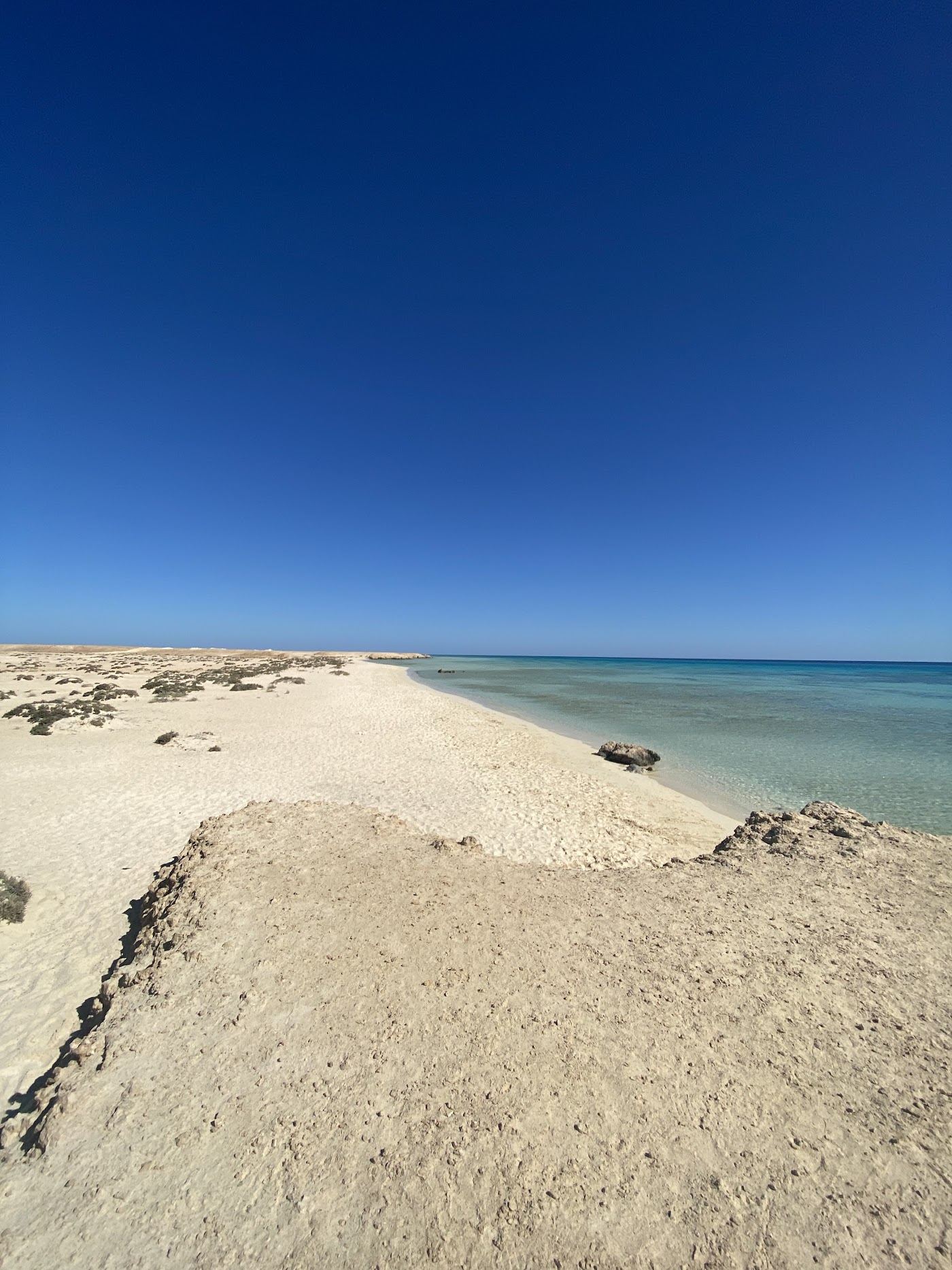
 Photo: Sylwia Gadzinska via Google
The Best Beaches
in Marsa Alam
House reefs, dugong bays and a white sand lagoon, ranked the honest way.
The verdict
- Best forSnorkellers and divers who want world class house reefs, dugongs and turtles, and who accept that most beaches are reef bays reached by resort or park, not soft sand
- Single best spotAbu Dabbab for the dugong and turtle bay snorkelled from shore, with Sharm El Luli for the rare white sand lagoon when access allows
- One thing to knowThis is a snorkelling coast more than a sunbathing one, most beaches are reef bays with rocky entries, reef shoes help, and access is usually via a resort or a national park ticket
Published 3 February 2026. Last reviewed 19 February 2026
Marsa Alam sits on the southern Red Sea, and the honest read is that it is one of the world's great snorkelling and diving coasts rather than a classic lie on the sand beach destination. The famous names here are reef bays, Abu Dabbab, Coraya, Marsa Mubarak, where the magic is underwater, dugongs grazing on seagrass, green turtles, dolphins and house reefs you swim straight off the beach. The few genuine soft sand beaches, like Sharm El Luli, are the exception that proves the rule.
Access is the thing to understand before you book, because most beaches are either inside a resort or inside a national park. The best house reefs sit on bays controlled by hotels at Coraya and Abu Dabbab, reached as a resort guest or on a day pass, while the prettiest sand, at Sharm El Luli in Wadi el Gemal, is a protected park beach with an entry fee and, lately, some uncertainty over its future. Other highlights, like the dolphin reef at Samadai, are boat trips rather than beaches.
We rank the beaches below on the snorkelling, the setting, the wildlife and the honest access, and we say plainly which are shore reefs and which are boat trips. The water is warm almost year round, reef shoes are wise because entries are often over coral rubble, and dugong and dolphin sightings are wild and never guaranteed. The short version is to come for the water, base yourself near the reef you most want to swim, and treat the rare sand beach as a bonus.
Ranked, not listed
Scored on the snorkelling, the setting, the wildlife and the honest access. The shore reefs named, the boat trips and the park tickets flagged.
Abu Dabbab Beach
A sandy bay famous for the large seagrass meadows that draw a resident dugong and a big population of green turtles, all snorkelled straight from the beach with coral reef at either end. It gets busy with day visitors, there is an entrance fee that includes a sunbed, and dugong sightings are never guaranteed, but turtles are close to certain and reef shoes help at the rocky ends.
Marsa Mubarak
A sheltered bay of coral, seagrass and mangrove edges known as Turtle Bay, with big green turtles and one of the more reliable resident dugongs in Egypt. It is usually visited as a guided boat trip from Port Ghalib rather than casual shore access, so you go with an operator, and the marine variety, turtles, rays and reef fish, is the real reward.
Sharm El Luli
A white sand, shallow turquoise lagoon often called the Egyptian Maldives, one of the few genuinely beautiful sand beaches on the coast, with calm wading water and reef accessible from shore. It sits inside a national park with an entry fee, it is a long transfer with little shade, and a recent development dispute means you should verify access and status before you go.
Coraya Bay
A horseshoe bay ringed by resorts with an excellent house reef snorkelled from the beach or jetty, calm, sheltered and family friendly, with abundant coral and reef fish. Access is essentially through the resorts that own the shoreline, so non guests need a day pass, the reef edge can want reef shoes, and it is one of the easiest quality reefs to reach near the airport.
Marsa Egla
A quiet, sandy entry bay with a large central seagrass bed and gently sloping reefs rich in soft and hard coral, an easy, calm shore snorkel even in poorer weather thanks to the shallow access. It is a wilder, more local bay favoured by dive centres rather than a serviced beach, so facilities are limited and it is often reached with a dive operator or taxi.
Ras Samadai
A horseshoe reef and protected zone with a resident pod of spinner dolphins resting in the inner lagoon, plus good reef snorkelling, one of the coast's bucket list trips. It is a boat trip rather than a beach, around an hour each way, strictly regulated with no chasing the dolphins and a mandatory flotation vest, and it can be busy, so choose a responsible operator.
Port Ghalib
A calm, developed marina and resort town near the airport with sandy resort beaches, a promenade, water taxis and on site dive centres, best for convenience, families and easy water access rather than wild reef drama. It is a manufactured marina rather than a natural beach, so the real snorkelling is from the resort beach or by boat, and access is resort based.
Wadi Lahami
A remote eco lodge and diving base on the doorstep of Fury Shoals and the Sataya dolphin reef, with shallow sheltered reefs, vast mangroves and the protected Qulaan Islands lagoon, genuine off grid wilderness. The very long transfer and rustic facilities mean it is for serious snorkellers, divers and nature seekers, with most water access by boat from the village rather than casual beach time.
When to go
Marsa Alam is a year round sea, and the value lies in dodging the worst of the heat. The best months are the shoulder seasons, April and May and again October and November, warm, calm and with good underwater visibility for snorkelling and diving. The summer from June to September is intensely hot on land, often into the high thirties or low forties, though the sea is at its warmest and the snorkelling is still excellent if you plan around shade and pools.
Winter from December to February is mild and pleasant on land, with the sea at its coolest around twenty two degrees in February, swimmable but cool enough that many snorkellers want a shorty wetsuit. Spring can bring windier days that affect boat trips and visibility, when the sheltered bays like Marsa Egla and Coraya snorkel better, and the water stays warm enough to swim in every month of the year. Our full guide to when to go to Marsa Alam walks the year month by month.
The club layer
Marsa Alam has no classic beach club scene, and the honest truth is that beach access here runs through resorts and the national park rather than through lidos. The best house reefs sit on resort owned bays at Coraya and Abu Dabbab, reached as a guest or on a day pass with loungers, food and the reef, while the protected park beaches like Sharm El Luli charge a park entry fee and offer little or no facilities.
Our Marsa Alam beach clubs directory reads the real options honestly, the resort day passes and the ticketed park beaches, with prices marked to be confirmed because resorts rarely publish a day rate, so you know how to reach the reef you came for without surprises.
Book a beach club in Marsa Alam
Independent and honest · 1,340 beaches ranked across 103 destinations · We answer to no resort
Before you go
Is Marsa Alam a good beach holiday, or just for divers?
It is primarily a snorkelling and diving destination, and the honest truth is that most of the headline beaches are reef bays, beautiful underwater but often with rocky entries, seagrass underfoot and few classic soft sand stretches. The exceptions are Sharm El Luli, a genuine white sand lagoon inside a protected park, and the manicured resort beaches at Coraya Bay and Port Ghalib. If you want a pure lie on the sand holiday, set your expectations around the resort beaches, but if you love the water it is world class.
Can I actually swim with a dugong in Marsa Alam?
Possibly, but never guaranteed, because dugongs are wild, endangered and free roaming. The most reliable spots are Marsa Mubarak, where a resident is frequently seen, and Abu Dabbab, where one occasionally visits to feed on the seagrass. Even reputable operators treat a sighting as luck, so anyone promising a dugong is overselling it, and you should go with realistic expectations, keep your distance, and treat a sighting as a bonus on top of the near certain turtles and reef.
Do I need reef shoes and my own snorkel gear?
Reef shoes, yes, bring or rent them, because many entries cross coral rubble or rock even at the sandy bays. For gear, most resorts and dive centres rent masks, fins and vests, and organised trips like the Dolphin House and Marsa Mubarak typically include them, but bringing a well fitting mask of your own materially improves the experience. At protected sites a flotation vest is mandatory, and reef safe sunscreen, a hat and shade are strongly advised because the sun is extreme.
Can I visit Sharm El Luli right now?
Treat it as uncertain and verify before you go. Through recent seasons the beach has been at the centre of a development dispute inside the Wadi el Gemal National Park, with fencing and machinery appearing for a tourist facility project and a campaign to halt it, prompting a temporary government review. Access, fees and the beach's pristine character may have changed, so check a current local operator or the national park authority shortly before travelling rather than relying on older guides.
When is the best time to visit Marsa Alam?
The shoulder seasons are the prize, April and May and again October and November, warm, calm and with good underwater visibility for snorkelling and diving. The summer from June to September is intensely hot on land, often into the high thirties or low forties, though the sea is warmest then, while winter is mild on land with the sea cooling to around twenty two degrees in February, when many snorkellers want a shorty wetsuit. The water stays warm enough to swim in every month.