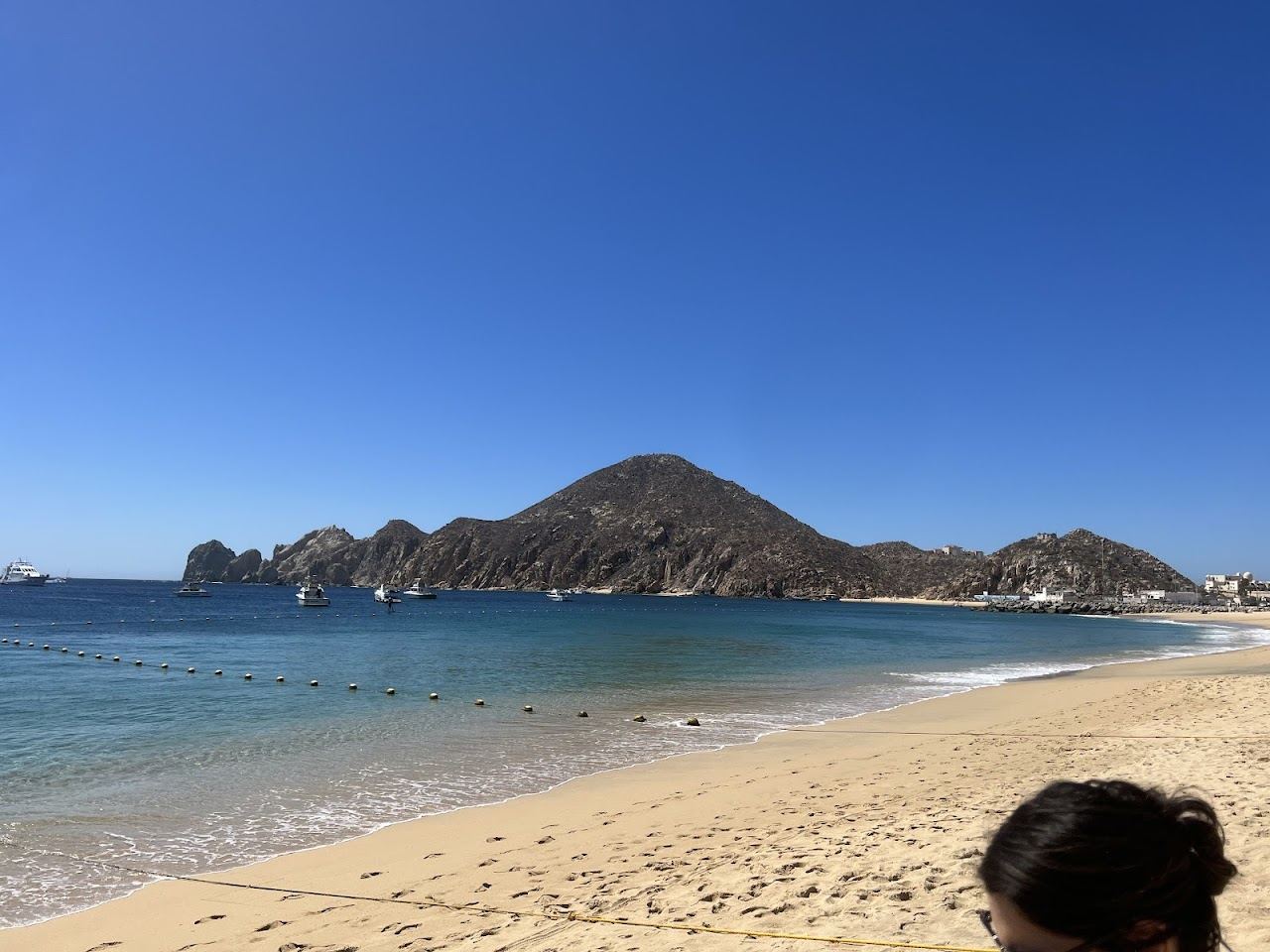
 Photo: Robin Mehera via Google
The verdict
- Best forAnyone choosing weeks for warm dry weather, the whales or value over the winter peak crush
- Top pickNovember to April, the dry sunny season, with the whales in and the storms gone; November and April for the best value
- One thing to knowThis is a desert by the sea, so rain is rare outside the late summer storm season; the real cautions are the hurricane months and the strong surf on the open Pacific beaches
Published 26 March 2026. Last reviewed 17 May 2026
Los Cabos sits at the dry tip of the Baja peninsula, where the desert runs straight into the sea, so the weather here is sunny and arid for most of the year and the temperature, not the rain, is what shifts between the seasons. The island of green you might picture elsewhere in Mexico does not apply. What changes is the heat, the humidity, the state of the sea and, in late summer, a real hurricane risk, and that is what should drive your timing.
The year splits into a long, dry, pleasant winter and spring from about November to May, and a hot, humid summer into early autumn from June to October that carries the storm season. Layered on top is the whale season from December to April, when humpback and gray whales gather offshore, and the December to March holiday peak when the resorts are full and prices climb. This guide walks the year month by month, with a quick grid and longer notes on the months that matter most.
If you want the short answer, aim for the dry season between November and April, and lean toward November or April if you want fine weather without the very steepest peak prices. Below is the fuller picture so you can match the month to the trip you want, whether that is whales, calm swimming or quieter value.
Month by month at a glance
| Month | Air | Sea | Rain | Crowd | Verdict |
|---|---|---|---|---|---|
| January | Warm days, cool nights | Cooler, around 22C | Very dry | Peak | Prime whale season; sunny and dry but busy and pricey |
| February | Warm days, cool nights | Cooler, around 21C | Very dry | Peak | Peak whales and peak crowds; superb dry weather |
| March | Warm, pleasant | Cool, around 21C | Very dry | Peak, spring break | Excellent weather and whales; spring break adds energy |
| April | Warm, pleasant | Warming, around 22C | Very dry | Easing | A top shoulder month; whales tailing off, crowds thinning |
| May | Warm, drier heat | Warming, around 23C | Dry | Moderate | Lovely and quieter; warm without the summer humidity |
| June | Hot | Warm, around 25C | Mostly dry, season starting | Lower | Good value; hot but ahead of the main storm risk |
| July | Hot, humid | Warm, around 28C | Storm season | Lower | Hot and humid; cheaper, watch the forecast |
| August | Hot, humid | Warmest, around 29C | Higher storm risk | Low | Hottest and most humid; real hurricane risk |
| September | Hot, humid | Warm, around 29C | Wettest, peak storm risk | Low | The riskiest month; cheapest but a gamble on storms |
| October | Warm, easing | Warm, around 28C | Storm risk easing | Building | Improving fast; warm sea as the risk fades late month |
| November | Warm, pleasant | Warm, around 26C | Dry | Building | A top value month; fine weather before the holiday rush |
| December | Warm days, cool nights | Cooling, around 24C | Very dry | Peak over the holidays | Whales return; festive weeks are busy and expensive |
When each month earns its place
November. One of the smartest months of the year. The summer heat and storm risk have passed, the air is warm and dry, the sea is still pleasantly warm from summer, and the big holiday crowds have not yet arrived. Whale season is just beginning late in the month. Prices sit below the December to March ceiling, which makes November a strong all round window.
January and February. The heart of the dry winter and the peak of whale season, with sunny days, cool evenings and the most frequent whale sightings of the year. The trade off is that this is the busiest and most expensive stretch, so book the resorts, tours and tables well ahead. The sea is at its coolest now, so swims are bracing and many visitors stick to the pool and the calm bays.
March. Excellent weather and whales continue, with the added energy of spring break bringing a younger, livelier crowd to Cabo San Lucas. If you want the buzz, this is your month; if you want quiet, choose your base carefully or look to the calmer corridor toward San Jose del Cabo.
April. Arguably the sweet spot. The dry, sunny weather holds, the last of the whales are still passing through early in the month, and the peak crowds begin to thin while the sea warms. Prices ease from the winter high, which makes April a fine value window with conditions close to the best of the year.
September. The opposite end of the scale, statistically the wettest and most storm prone month, hot and very humid with the highest hurricane risk. It is the cheapest and quietest time, and a passing storm is possible rather than certain, but it is a gamble best taken with flexible bookings and a close eye on the forecast.
Get the Los Cabos beach calendar
Independent and honest · 1,340 beaches ranked across 103 destinations · We answer to no resort
Before you go
What is the best month to visit Los Cabos?
For most people it is the dry, warm window from November to April, with sunny days, low humidity, calm seas and the whale season in full swing. November and April are especially smart, just outside the busiest holiday weeks, with fine weather and softer prices than the December to March peak.
When is hurricane season in Los Cabos?
The eastern Pacific hurricane season runs from roughly June to November, with the highest risk from August to October. September is generally the wettest and riskiest month. Storms are possible but not guaranteed, and a direct hit is uncommon, so flexible bookings and travel insurance are sensible if you travel in this window.
When can you see whales in Los Cabos?
Whale season runs from roughly December to April, when humpback and gray whales migrate to the warm waters off Baja, with the most frequent sightings from January to March. Tours run through the season, though sightings depend on the day and conditions and are never guaranteed.
Is the sea warm enough to swim in Los Cabos?
The sea is warmest and most swimmable from summer into autumn, often around 27 to 29 degrees, and coolest in late winter and early spring at around 21 to 23 degrees. Just as important is where you swim, since many open Pacific beaches have strong surf and currents, while calm bays like Medano and Chileno are the safe choices for a proper swim. Conditions are typical and never guaranteed.
When is the cheapest time to visit Los Cabos?
The lowest prices come in the summer and early autumn, from about June to September, which is the hottest, most humid stretch and the start of hurricane season. The shoulder weeks of May, June and early November offer a good balance of decent weather, lighter crowds and better value than the winter peak.