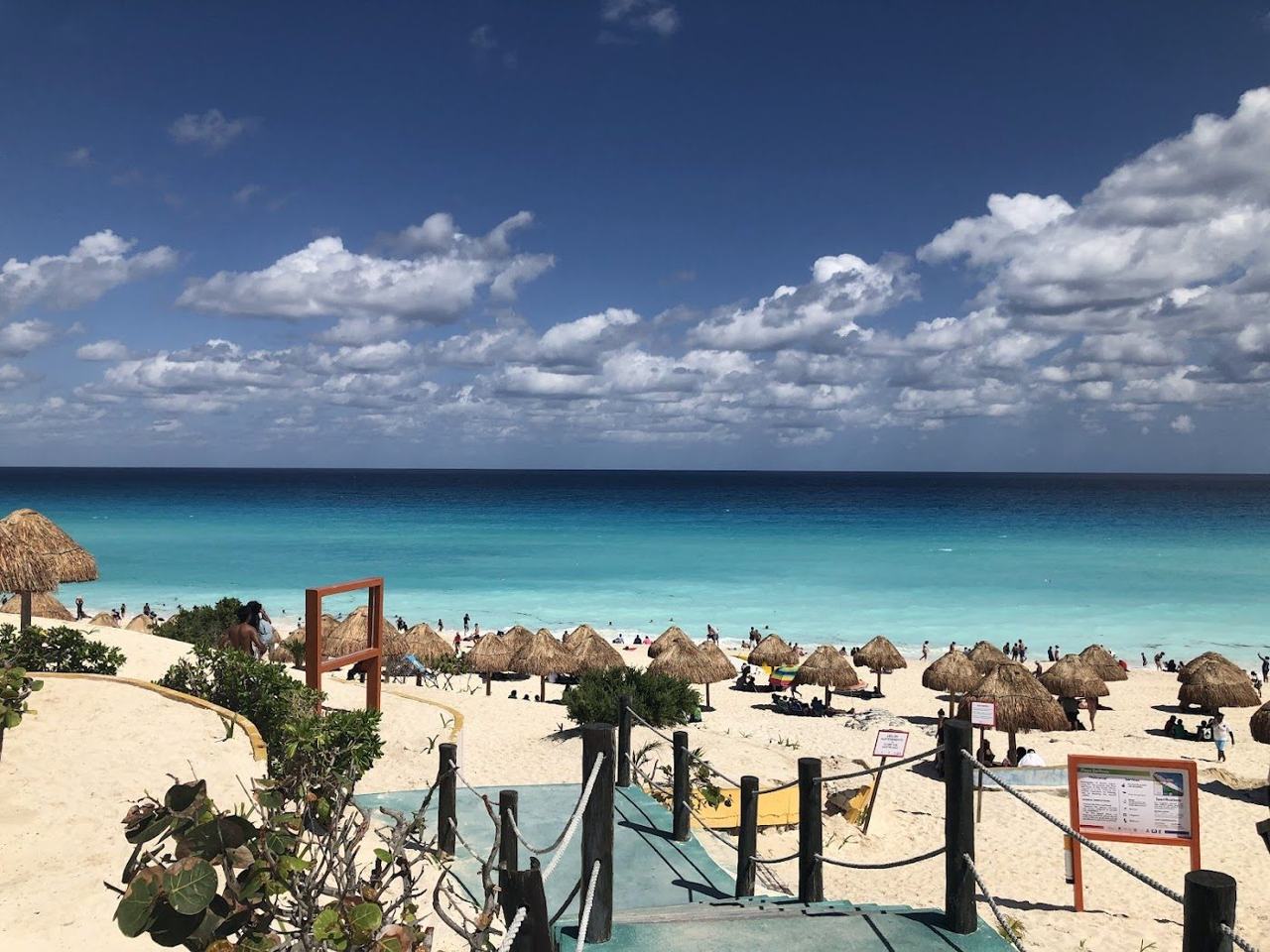
 Photo: Kassandra Herrera L via Google
When to Go to Riviera Maya
Reading the calendar for sun, seaweed and the right kind of quiet.
The verdict
- Best forTravellers weighing warm dry weather against crowds, prices and the summer seaweed risk.
- Top pickLate November through April for the driest weather, the lowest seaweed risk and the most reliable sun.
- One thing to knowThe big seasonal variable here is not rain or cold, it is sargassum seaweed, which peaks in the warm summer months.
Published 3 April 2026. Last reviewed 24 May 2026
The Riviera Maya is warm and swimmable all year, so the question is rarely whether you can go, but which compromise you prefer. The two real variables are the rainy and hurricane season, which runs through the late summer and autumn, and the sargassum seaweed, which tends to peak in the warm months. Read those two against the crowd calendar and the right week usually picks itself.
The dry season, roughly from late November to April, is the easy answer for most travellers. The air is warm rather than scorching, the humidity drops, rain is brief and occasional, and the seaweed risk is at its lowest. The trade is that this is also the busy, more expensive season, peaking sharply around Christmas, New Year and the spring break weeks.
The summer, from May to October, brings hotter, stickier days, afternoon downpours and the highest sargassum risk, but also the lowest prices and the warmest sea. September and October sit at the heart of the hurricane season, when a passing storm can disrupt a trip, so they carry both the best value and the most weather risk.
Below is a month by month read, followed by notes on the months that most reward, or most test, a visit. Treat all of it as typical patterns rather than guarantees, because both the weather and the seaweed vary from year to year.
Month by month at a glance
| Month | Air | Sea | Rain | Crowd | Verdict |
|---|---|---|---|---|---|
| January | Warm | Warm | Low | High | Dry, sunny and busy after the New Year peak |
| February | Warm | Warm | Low | High | Reliable winter sun, low seaweed, lively |
| March | Warm | Warm | Low | High | Dry and bright but spring break crowds |
| April | Warm | Warm | Low | Medium | Often the sweet spot before seaweed builds |
| May | Hot | Warm | Medium | Medium | Hotter, seaweed risk rising, prices easing |
| June | Hot | Warm | High | Medium | Humid with afternoon rain and summer seaweed |
| July | Hot | Warm | High | High | Warm sea, summer crowds, seaweed possible |
| August | Hot | Warm | High | High | Hot and humid, peak family travel weeks |
| September | Hot | Warm | High | Low | Cheapest and quietest but peak storm risk |
| October | Warm | Warm | High | Low | Good value, lingering storm and seaweed risk |
| November | Warm | Warm | Medium | Medium | Drying out, crowds building late in the month |
| December | Warm | Warm | Low | High | Dry and sunny, very busy over the holidays |
When each month earns its place
April. April is often the smartest single month to visit. The weather is still firmly in the dry season, the seaweed has usually not built to its summer levels, and the spring break crowds thin out as the month goes on. You get reliable sun and clear water without the worst of either the prices or the seaweed.
July and August. The peak summer months are hot, humid and prone to afternoon downpours, and they carry a real sargassum risk. They are also when many families can travel, so the beaches and resorts are busy. The sea is at its warmest, which is some compensation, but pack for heat and check recent seaweed reports before you book a specific beach.
September. September is the cheapest and quietest month, and for a flexible traveller chasing value and space it can be wonderful. The catch is that it sits at the heart of the hurricane season, so you are accepting a higher chance of a disrupted day or a passing storm. Travel insurance and a relaxed itinerary make it far less stressful.
December. December delivers the dry season at its best, with warm sunny days and a low seaweed risk, which is exactly why it is so popular. Prices and crowds climb steeply towards Christmas and New Year, so book early and expect company on the sand if you come for the holidays.
Get the Riviera Maya beach calendar
Independent and honest · 1,340 beaches ranked across 103 destinations · We answer to no resort
Before you go
What is the best month to visit Riviera Maya?
For most travellers, late November to April offers the driest weather, the lowest seaweed risk and the most reliable sun. April in particular often hits the sweet spot, with dry weather, manageable seaweed and thinning spring break crowds.
When is the seaweed worst in Riviera Maya?
Sargassum seaweed tends to build through the warm months and peaks in summer, roughly May to October, though the exact timing and severity vary year to year. The dry winter and spring months carry the lowest risk. Always check recent local reports close to your trip.
When is hurricane season in Riviera Maya?
The Atlantic hurricane season runs from June to November, with the highest risk usually in September and October. Storms are not guaranteed, but they are more likely then. Those months also bring the lowest prices, so it is a genuine value versus risk trade.
When is the cheapest time to go?
September and October are the cheapest and quietest months, as they coincide with the rainy and hurricane season. With flexible plans and travel insurance, the value can be excellent, but accept a higher chance of weather disruption and summer seaweed.
Is the sea warm enough to swim year round?
Yes. The Caribbean here stays warm enough to swim comfortably all year, warmest in the summer and only slightly cooler in winter. The deciding factors are the weather, the crowds and the seaweed, not the sea temperature. Conditions are typical and never guaranteed.