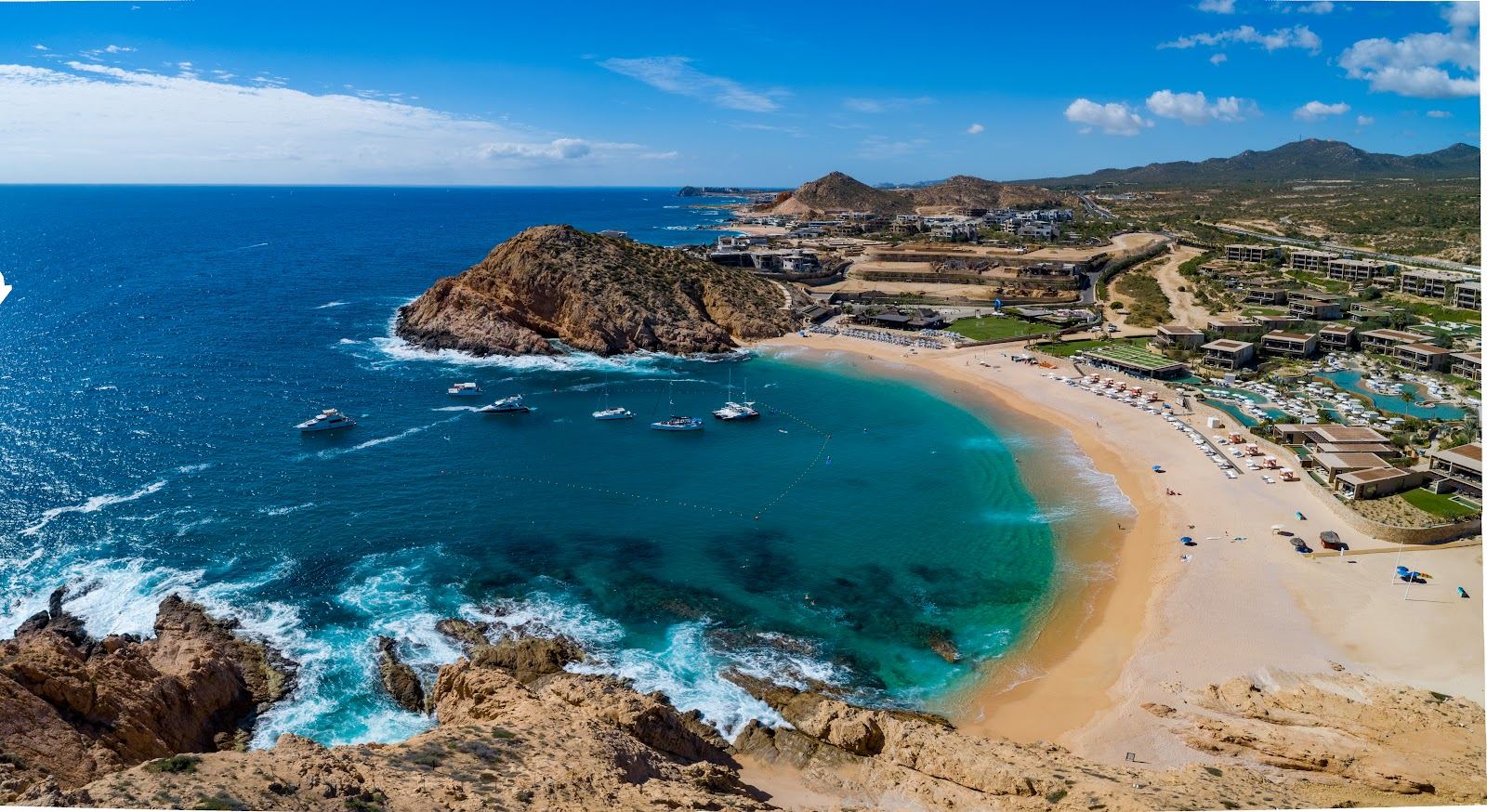
 Photo: Mike Stovall via Google
The verdict
- Best forTravellers who will drive a dirt road or take a boat to trade the resort strip for wild, near empty desert coves
- Top pickCabo Pulmo, a remote protected reef and desert shore up the East Cape where the wild has been left alone
- One thing to knowMany Los Cabos coves face the open Pacific or Sea of Cortez and are not safe to swim, so seclusion often means looking rather than swimming
Published 15 May 2026. Last reviewed 20 June 2026
Los Cabos is two coasts in one, and the seclusion lives at their edges. The tourist corridor between San Jose del Cabo and Cabo San Lucas is lined with resorts and busy marina beaches, but drive a little past either end, down a dirt road or up the East Cape, and the desert meets the sea in wild coves where the sand empties out. This is a place where quiet is earned by leaving the pavement and reading the water carefully.
As a naturalist this is the Cabo I care about, the granite coves, the cardon cactus running to the shore, the sea lions and rays in the Sea of Cortez and the one genuinely protected reef in the region. I have ranked these for how wild and empty each beach feels, how you reach it and, crucially, whether it is safe to swim, because some of the most beautiful coves here face open water with dangerous surf and are for looking rather than swimming.
If you want one pick, make it Cabo Pulmo up the East Cape. A small off grid village fronting a protected marine park with the oldest coral reef in the Sea of Cortez, reached by a rough road that keeps the crowds away, it is where the wild has genuinely been left alone, and the snorkelling over a living reef is the reward for the drive.
The Most Secluded Beaches in Los Cabos
Wildest and emptiest sand first, with access and swim safety weighed honestly.
Cabo Pulmo
The pick for wild seclusion with a purpose, a tiny off grid village fronting a protected marine park and the oldest coral reef in the Sea of Cortez, reached by a rough dirt road that keeps it quiet. The bay is calm and the snorkelling over a living reef is superb, with sea life that the busy corridor beaches cannot match. Bring everything you need, as services are minimal, and respect the park rules that keep it wild.
Las Viudas
A hidden pocket cove also called Widows Beach, tucked between rocky headlands off the corridor and reached by a short unmarked track down from the highway. It is small, quiet and framed by granite, with tide pools to explore and little sign of the resorts a few minutes away. The open water can be rough, so it is often better for a wander and a tide pool than a swim. Bring your own shade and water.
Santa Maria
A protected horseshoe cove that is calmer than most corridor beaches and one of the few secluded spots that is also safe to swim and snorkel, with reef fish in the clear shallows. It draws snorkel boats midday, so come early or late for the quiet and the best water. A short walk from the highway pullout, it rewards an early start with a wild feeling cove and a genuine swim.
Lovers Beach
The famous cove at Land End by the arch, reached only by water taxi or kayak, which keeps it quieter than the town beaches despite the fame. The Sea of Cortez side is calm and swimmable while the Pacific side just across the sand is dangerous and not for swimming, so know which is which. Arrange your boat and a pickup time, and go early before the panga traffic builds.
Chileno Beach
A Blue Flag cove on the corridor with clear calm water and a reef, quieter and more natural than the marina beaches and one of the safer places to swim and snorkel. It has basic facilities and fills by midday with snorkelers, so early morning is when it feels secluded. The mix of a genuine swim, reef fish and a wild backdrop makes it the easiest of the quieter coves to reach.
The honest read on secluded beaches in Los Cabos
The plain truth about seclusion in Los Cabos is that the wildest coves and the swimmable ones are not always the same, and safety has to lead. This coast faces the open Pacific at Land End and the Sea of Cortez along the corridor and East Cape, and many of the most beautiful empty beaches have powerful surf, sudden drop offs and rip currents that make them genuinely dangerous to swim. Seclusion here often means a beach to walk, photograph and tide pool rather than to swim.
The overrated move is chasing an empty Pacific beach for a swim you should not take. The long strands west of Cabo San Lucas look idyllic and stay empty for a reason, as the surf and undertow there are hazardous, so they are for sunset walks and nothing more. The better play is to head to the protected coves like Santa Maria, Chileno and Cabo Pulmo, where the water is calm enough to enjoy, and to save the wild open beaches for looking.
Come ready for the road, the desert and the water. The best seclusion is down dirt tracks or up the East Cape, so a sturdy vehicle and a full tank help, and services at the wild coves are minimal, so carry water, shade, food and fuel. The sun is fierce and shade is thin, snakes and cactus are part of the desert backdrop, and the marine park at Cabo Pulmo has rules that keep it alive, so respect them. Above all, never swim a beach with strong surf, ask locally which coves are safe, and treat conditions as typical and never guaranteed.
The paid option, if you want it
Los Cabos keeps its beach clubs and daybeds along the busy marina and corridor beaches rather than on the wild coves, so the secluded beaches have little more than the odd vendor and no gated club at all. The directory covers the corridor clubs factually, with any daybed price or minimum spend marked to be confirmed where we cannot verify it. The remote coves like Cabo Pulmo and Las Viudas have nothing built on them, which is the point, so browse the directory only if you want a paid lounger back on the strip.
Book a beach club in Los Cabos
Independent and honest · 1,340 beaches ranked across 103 destinations · We answer to no resort
Before you go
Does Los Cabos have secluded beaches?
Yes. Beyond the resort corridor lie wild coves and desert shores that stay quiet, from the protected reef at Cabo Pulmo up the East Cape to hidden pockets like Las Viudas off the highway. Reaching them usually means a dirt road or a boat, which keeps the crowds away. Many face open water, though, so some secluded coves are for looking rather than swimming.
Which is the most secluded beach in Los Cabos?
Cabo Pulmo up the East Cape is the most genuinely wild, a tiny off grid village fronting a protected marine park reached by a rough dirt road, with a living reef to snorkel. Las Viudas and the far East Cape beaches are also quiet and remote. For seclusion with a safe swim, the protected coves of Santa Maria and Chileno on the corridor are the easier choice.
Are secluded Los Cabos beaches safe for swimming?
Not all of them. Many wild coves face the open Pacific or exposed Sea of Cortez with strong surf, drop offs and rip currents, and are dangerous to swim, so they are best for walking and tide pooling. The protected coves of Santa Maria, Chileno and Cabo Pulmo are calmer and swimmable. Always check locally which beaches are safe, and treat conditions as typical and never guaranteed.
Do you need a car to reach Los Cabos secluded beaches?
For most of them, yes. Cabo Pulmo and the East Cape coves need a sturdy vehicle and a full tank for the dirt roads, and hidden spots like Las Viudas are reached by unmarked tracks off the highway. Lovers Beach is the exception, reached only by water taxi or kayak. A car gives you the freedom to find the quiet coves and leave when you like.
Is Cabo Pulmo worth the drive?
For anyone who values nature, yes. Cabo Pulmo protects the oldest coral reef in the Sea of Cortez, and the snorkelling and diving over a living reef with abundant fish is the finest in the region, far beyond the busy corridor beaches. The rough road and minimal services are exactly what keep it wild. Bring everything you need and respect the marine park rules that keep the reef alive.
When are Los Cabos beaches quietest?
Weekday mornings are quietest at the coves, before the snorkel boats reach places like Santa Maria and Chileno around midday. The cooler months from November to May bring the best beach weather and calmer seas, while late summer can bring heat and hurricane season swell. For a secluded cove to yourself, an early start out of season on a weekday is the surest bet.