 Photo: sarah f via Google
The verdict
- Best forSlow travellers who will pick a calm, rocky volcanic cove over a surf beach, and want clear Atlantic water full of fish around the black rock.
- Top pickEl Jablillo at Costa Teguise for an easy, sheltered lagoon snorkel, with the wild, clear coves of Papagayo in the south for the best of the rock.
- SkipSnorkelling Famara, a rough Atlantic surf beach with a sandy floor and little to see. Take your mask to the calm, rocky east and south coasts instead.
Published 24 March 2026. Last reviewed 7 May 2026
A naturalist arrives in Lanzarote expecting little of the snorkelling and leaves pleasantly surprised. This is the Atlantic, not the warm Mediterranean, so the water runs cooler and the famous western beaches are rough with swell, but the island is built of volcanic rock, and volcanic rock underwater is a city for fish. Choose the sheltered eastern and southern coasts, where the rock meets calm, clear water, and you will find wrasse, bream and parrotfish in numbers that shame many a warmer sea.
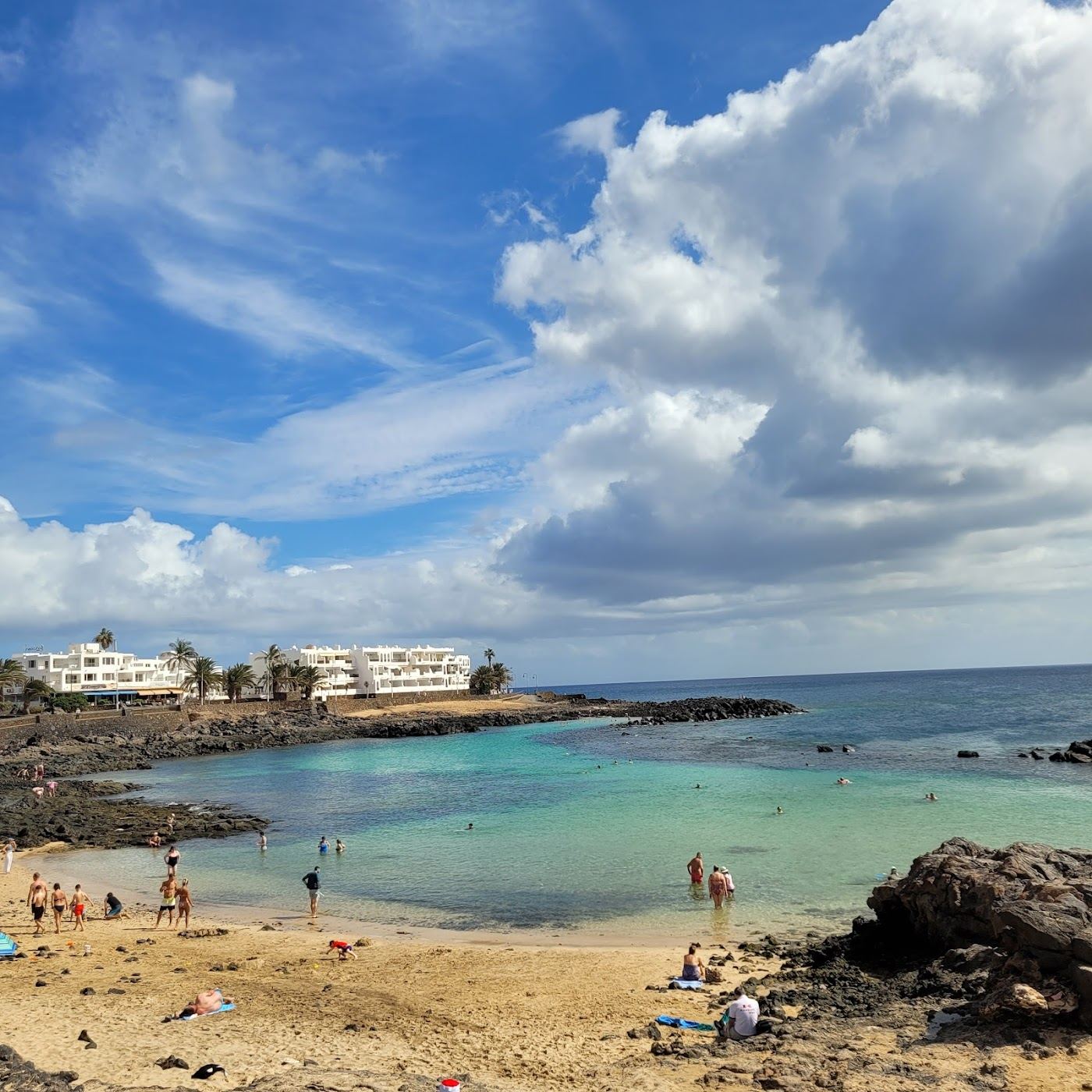
The easiest and most reliable spot is El Jablillo at Costa Teguise, a small lagoon held calm behind a breakwater, shallow and gentle enough for children and beginners, with fish gathering around the rocks at its edges. It is the place to learn or to take a family, the water clear and the entry soft, and on a still morning the little bay is alive with damselfish and bream. For the wilder, clearer end of the spectrum, the protected golden coves of Papagayo in the south sit over volcanic rock and seagrass and hold the best visibility on the island.
The north and the resort coasts add more. La Garita at Arrieta is a calm village bay with rocky margins and clean water, quiet and rewarding, while the sheltered ends of the Puerto del Carmen beaches such as Los Pocillos, and the rocky points around Playa Blanca in the south, give convenient snorkelling close to where most people stay. The true wild card is the far north, where boats from Orzola cross to La Graciosa and the Chinijo marine reserve, the richest water in the archipelago.
Wherever you go in, tread lightly, because this volcanic life is slow and easily harmed. Patches of seagrass between the rock shelter much of the life and even the rare angel shark of the reserve, so never anchor on or trample them, take nothing from the rock pools, and keep your distance from the fish and rays. We have ranked the six best below, each linked to its full guide, with the calm, rocky snorkelling coves at the top and the great surf beach kept honestly in its place.
Six of the best snorkelling beaches in Lanzarote
Calm, rocky coves first, the surf beach last.
El Jablillo
A small, sheltered lagoon at Costa Teguise, held calm behind a breakwater, with shallow clear water and rocks at its edges that fish use for shelter. It is the island's easiest and most reliable snorkel, gentle enough for children and beginners, and lively with damselfish and bream on a still morning. Facilities are close at hand, which makes it a practical and rewarding family choice.
Papagayo
A string of protected golden coves at the southern tip, sheltered by low cliffs over volcanic rock and seagrass, with the clearest water on the island. Snorkel toward the rocky edges of each cove for wrasse, bream and the chance of an octopus, away from the soft sand in the middle. Wild and undeveloped, it rewards an early arrival before the day boats and the wind. Bring everything, as facilities are minimal.
La Garita
A relaxed village bay in the northeast at Arrieta, golden sand with rocky margins and clean, calm water sheltered from the worst of the swell. The rock at either end gives fish somewhere to gather, and the quiet, local feel makes for a peaceful snorkel away from the resorts. A row of fish restaurants behind the sand makes it an easy half day. Snorkel the edges, not the open middle.
Los Pocillos
A long, sheltered resort beach in Puerto del Carmen, sandy in the middle but with rocky volcanic shelves toward its ends and nearby coves that hold fish and clearer water. It is convenient and calm, with everything to hand, which makes it a practical snorkel if you are based on the busy southeast coast. Work the rocky margins and the points for the best of the marine life.
Playa Blanca
The sheltered southern town with a calm, clear town beach and a string of small rocky coves along its promenade that hold fish over volcanic rock. The water is gentle and the rocky points reward a look, and the easy access and facilities make it a comfortable place to snorkel for those staying in the south. Choose the rocky edges over the sandy centre, and go early for the calm.
Famara
The island's magnificent surf beach on the northwest coast, included honestly to manage expectations. With Atlantic swell, currents and a sandy floor, the water is rough and churned and there is very little to snorkel, so this is the wrong beach for a mask. Come instead for the waves, the long walk below the cliffs and the finest sunset on the island, and snorkel the calm coves elsewhere.
Where the fish actually are in Lanzarote
The honest read is that Lanzarote snorkels far better than its reputation suggests, provided you read the coast correctly. The western beaches that draw the surfers and the sunset crowds are exposed and sandy, which means rough water and little to see, so a snorkeller who heads there will be disappointed. Turn instead to the sheltered eastern and southern coasts, where volcanic rock meets calm, clear Atlantic, and the island shows what it can do.
For most travellers the pattern is simple. El Jablillo is the easy, dependable choice for a first snorkel or a family day, while Papagayo rewards the effort of reaching its wild southern coves with the clearest water and the richest rock. Spread your days to La Garita in the north and the rocky ends of the Puerto del Carmen and Playa Blanca beaches for convenient snorkelling close to the resorts, and keep one for the boat to La Graciosa and the Chinijo reserve, the wildest water of all.
Timing and care shape every snorkel here. The Atlantic is cooler than the Mediterranean, from around eighteen degrees in late winter to the low twenties in autumn, so a thin wetsuit or rash vest makes a long swim far more comfortable, and a calm morning before the wind gives the best clarity. The seagrass meadows between the rock shelter the island's marine life, including the rare angel shark of the reserve, so never trample or anchor on them, take nothing from the rock pools, and treat the swell and the flags as typical rather than guaranteed before you go in.
Beach clubs, calm water and a base for the day
The best snorkelling coves are simple, rocky places, so many travellers pair a morning over the volcanic rock with a comfortable base on the sand for the afternoon. The beach clubs and seafront terraces along Costa Teguise, Puerto del Carmen and Playa Blanca rent loungers, shade and a kitchen behind calm water, which makes an easy spot to warm up and eat between snorkels. Operators, opening hours and any minimum spend vary with the season, so we keep the live list on the directory. Tell us your dates and the kind of day you want and we pass the enquiry on to confirm what is open.
Book a beach club in Lanzarote
Independent and honest · 1,340 beaches ranked across 103 destinations · We answer to no resort
Before you go
Is Lanzarote good for snorkelling?
Yes, surprisingly so, as long as you choose the sheltered eastern and southern coasts. The Atlantic here is clear and the volcanic rock gives fish endless structure, so wrasse, sea bream, parrotfish and the odd octopus are easy to find. The catch is the water is cooler than the Mediterranean and the exposed west coast is rough, so snorkel the calm, rocky east and south, not the surf beaches.
Where is the best place to snorkel in Lanzarote?
El Jablillo in Costa Teguise, a sheltered lagoon protected by a breakwater, is the easiest and most reliable, with calm, shallow water and fish around the rocks that suit families and beginners. For the clearest water and wildest rock, the protected coves of Papagayo in the south are hard to beat. Both reward a calm morning before the wind gets up.
Is Famara good for snorkelling?
No, Famara is the wrong beach for it. It is a magnificent surf beach with Atlantic swell, currents and a sandy floor, which means rough, churned water and little to see beneath the surface. Save Famara for the waves, the walk and the sunset, and take your mask to the calm, rocky coves of the east and south coasts instead.
What will I see snorkelling in Lanzarote?
Over the volcanic rock you can expect ornate wrasse, damselfish, sea bream, parrotfish, trumpetfish and the occasional octopus or cuttlefish, with rays on the sandy patches between. The water is clear and the black rock makes the fish stand out. The richest life is around the Chinijo marine reserve in the far north, reached by boat to La Graciosa.
Is the water cold for snorkelling in Lanzarote?
Cooler than many expect, as this is the Atlantic rather than the Mediterranean, ranging from around eighteen degrees in late winter to the low twenties in autumn. A thin wetsuit or rash vest makes a long snorkel far more comfortable, especially outside summer. Conditions are typical rather than guaranteed, so always check the wind, the swell and the flags before you go in.