Famara Beach, Lanzarote
The verdict
- Best for: Surfers, walkers and lovers of wild places who want the island at its most dramatic, not an easy resort swim.
- Best spot: The wide low tide shore towards La Caleta de Famara for the views, with the village behind for lunch.
- Know this: This is an open Atlantic surf beach with real rip currents and little shade, so swim with great care.
Published 16 February 2026. Last reviewed 20 March 2026
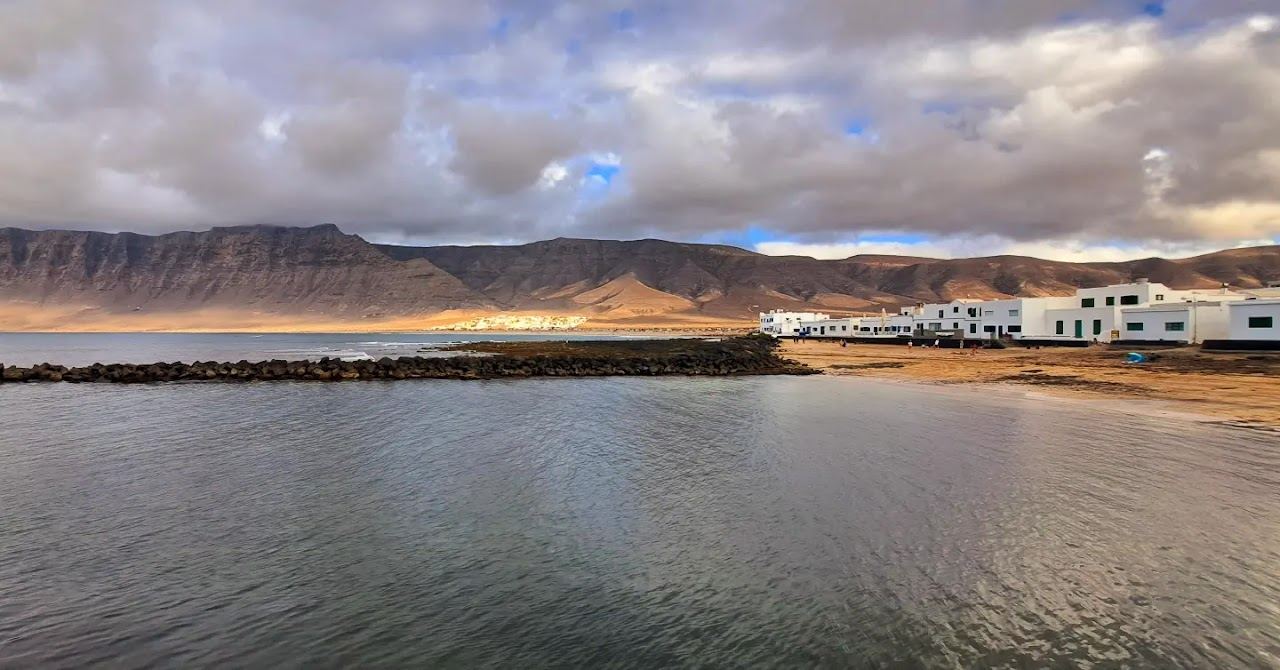
Famara is the wild heart of Lanzarote, the one beach that stops you in your tracks. Six kilometres of golden sand run north under the towering Risco de Famara cliffs, the light shifting across the rock through the day, the village of La Caleta de Famara scattered low behind the dunes. This is the island at its most cinematic and least tamed, a place for long barefoot walks, salt on the wind and the surf rolling in off the open Atlantic.
The honest read is that Famara is for surfers, walkers and lovers of wild places, not for an easy swim. The Atlantic swell and the rip currents that draw the surfers make the water serious, and there are no resort comforts on the sand, only the elements and the view. Come for the drama, the kitesurf and surf schools, the vast low tide shallows where children paddle under a close eye, and the sense of standing somewhere genuinely raw.
What makes a Famara day for me is the lunch afterwards. La Caleta de Famara is a low key fishing village with some of the best fish on the island, the celebrated El Risco among the tables looking straight out at the beach, simple chiringuitos for grilled catch and a cold drink, and the slow pace that follows a morning in the wind. Time it with the Sunday market up the hill in old Teguise, or a drive to the Mirador del Rio, and you have the north at its finest.
Clubs on this beach
Famara is a wild surf beach, not a club beach, so the life is in the village behind the sand. Compare the island's beach bars in our Lanzarote directory.
La Caleta de Famara chiringuitos
The village behind the beach has a cluster of casual chiringuitos and fish restaurants looking out at the sand, the noted El Risco among them for a long lunch with a view. These are tables and bars rather than daybed clubs, and any minimum spend is to be confirmed.
Surf and beach cafes
Around La Caleta the surf schools and cafes keep an easy salt and sand rhythm, good for a coffee, a beer or a casual bite between sessions. Operators and opening vary by season and are to be confirmed.
Famara lies on the northwest coast below the Risco de Famara cliffs, in the municipality of Teguise. By car it is around 25 minutes from Teguise, 40 from Arrecife and the airport, and a scenic run from the south of the island, with the dramatic descent towards the bay one of the best drives on Lanzarote.
Park in or near La Caleta de Famara village and walk out onto the sand, bringing water, sun cover and a layer for the wind. Pair the beach with lunch on the fish in the village, the Sunday market in old Teguise just inland, or the Manrique sites of the north, and keep an eye on the tide, as the low water transforms the shore.
Not ready to book?
Keep the good shorelines coming. Shore Notes is our occasional letter on the best beaches and the clubs worth your day, sent straight to your inbox. One field, unsubscribe any time.
Reserve a day near Famara
Tell us the date and party and we will match you to a bar or table near Famara and La Caleta de Famara and pass on your request. No charge to enquire.
Independent and honest · 1,340 beaches ranked across 103 destinations · We answer to no resort
Common questions
Can you swim at Famara beach in Lanzarote?
You can paddle and swim with care on a calm day, but Famara faces the open Atlantic and has real swell and rip currents, which is why it is a surf and kitesurf beach rather than an easy family swim. There are no guarantees in the water here, and the strong currents make it unsuitable for weak swimmers and for small children alone. Read the sea before you go in.
Is Famara good for surfing and beginners?
Yes, Famara is the island's main surf beach and a popular place to learn, with several surf and kitesurf schools based in La Caleta de Famara. Beginners do best on the gentler days and in a lesson, while the bigger winter swell suits the experienced. Conditions change with the swell and the wind, so take local advice on the day.
Where do you park at Famara?
Parking is on the streets in and around La Caleta de Famara village behind the beach, and it is free but limited, so it fills on bright weekends and in the surf season. Arrive earlier in the day for an easier space, and walk the short distance onto the sand from the village.
Where should I eat near Famara beach?
La Caleta de Famara village has the best of it, a handful of fish restaurants and casual chiringuitos looking out at the beach, with the well regarded El Risco among them for fresh catch and a long lunch. Up the hill, old Teguise adds tapas and the famous Sunday market, so you can easily build a full day around the sand.
When is the best time to visit Famara?
For walking and lighter winds, late spring and early autumn are the kindest, warm and bright without the peak crowds. Surfers come for the larger winter swell, when the beach is at its most dramatic. The low tide opens up a vast flat shore at any time of year, which is worth timing your visit around.