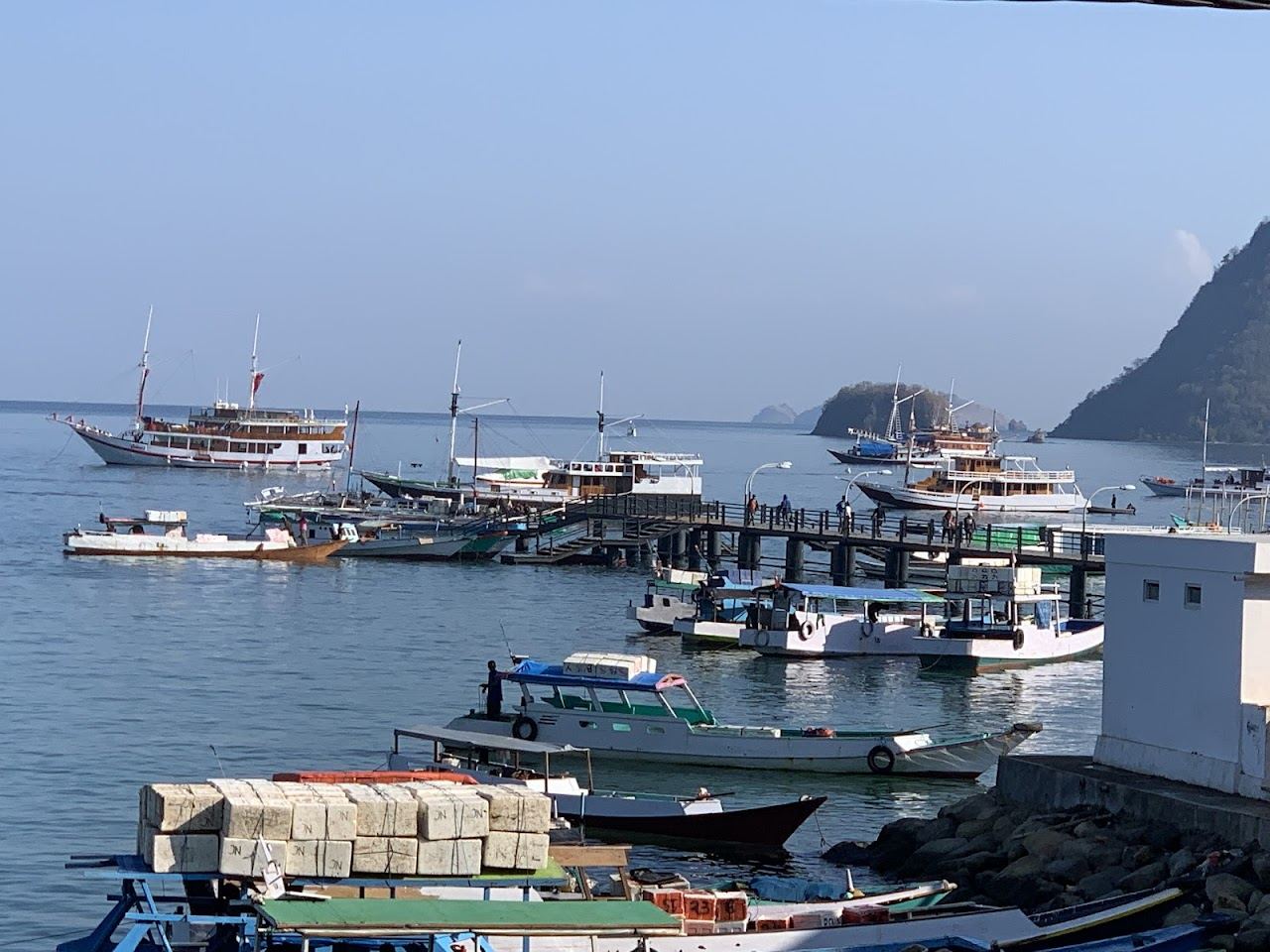
 Photo: Bajo Sunset Hostel and Grill via Google
When to go to Labuan Bajo
The dry season, the wet season and the calm sweet spot weeks, read honestly for beaches, boats and crowds.
The verdict
- Best forAnyone choosing weeks for the Komodo boat trips, value or quiet over peak season
- Top pickMay, June and September, the dry shoulder months with calm seas and thinner crowds
- One thing to knowThe sea is warm and swimmable all year, so the real question is the swell, the storms and the crowds rather than temperature
Published 9 April 2026. Last reviewed 10 May 2026
Labuan Bajo sits on the western tip of Flores, well south of the equator, so the temperature barely shifts across the year and the sea stays warm in every month. What changes is the rain and the state of the sea, and because almost everything here is reached by boat, that is what should drive your timing. The town runs on two seasons, a dry one from roughly April to November and a wet one from December to March, with the peaks of July, August and the Christmas weeks layered on top.
The detail worth knowing for Labuan Bajo is the water rather than the light. The dry months bring calm, settled seas that make the crossings to Padar, Pink Beach and the snorkel sites smooth and reliable, which is the whole reason the high season lines up with them. The wet months churn the channels and send afternoon storms through, which can shorten or cancel a boat day, though they also bring green islands, an active manta season and the best prices of the year.
This guide walks the year month by month, with a quick grid for the headline conditions and longer notes on the months that matter most. We have been honest about the trade offs, because the calmest, sunniest weeks are also the busiest, and the cheapest, quietest weeks come with rougher water. For the short answer, aim for the shoulder months of May, June and September.
Month by month at a glance
| Month | Air | Sea | Rain | Crowd | Verdict |
|---|---|---|---|---|---|
| January | Warm, humid | Warm, around 29C | Wet, frequent storms | Quiet after New Year | Low season; green and cheap, active mantas, but rough boat days |
| February | Warm, humid | Warm, around 29C | Wettest, heavy storms | Quiet | Peak wet season; great value and mantas, plan around the weather |
| March | Warm, easing | Warm, around 29C | Wet, easing late month | Quiet | The wet season tailing off; a quiet gamble on the seas |
| April | Warm, drier | Warm, around 28C | Drying out | Building | Shoulder of the dry season; calmer crossings and green islands |
| May | Warm, dry | Warm, around 28C | Mostly dry | Moderate | A top shoulder month; calm seas and not yet packed |
| June | Warm, dry, breezy | Warm, around 28C | Dry | Moderate, building | Excellent; smooth boat trips and clear water |
| July | Warm, dry, breezy | Warm, around 27C | Dry | Peak | Glorious and calm, but the busiest and priciest |
| August | Warm, dry, breezy | Warm, around 27C | Dry | Peak | Peak season; book boats and rooms early |
| September | Warm, dry | Warm, around 28C | Dry | Easing | A top shoulder month; the peak crowds thin out |
| October | Warm, humid rising | Warm, around 28C | First storms return | Moderate | Dry season fading; still good with the odd storm |
| November | Warm, humid | Warm, around 29C | Wet season starting | Quieter | Greening up; value returns with the rain |
| December | Warm, humid | Warm, around 29C | Wet, heavy late month | Peak over Christmas | Wet and choppy, but holiday weeks are busy and pricey |
When each month earns its place
May. One of the loveliest months to be here. The dry season is settling in, the islands are still green from the rains, and the heavy crowds are weeks away. The seas are calming for easy crossings, the snorkelling water is clear, and prices sit comfortably below the high season. A strong all round window for a relaxed run of boat days.
June. The dry season finding its stride, with sunny days, calm channels and dependable boat trips out to Padar and Pink Beach. Crowds are building toward the peak but it does not yet feel busy, and the water is at its clearest for snorkelling. A great month for almost any kind of Labuan Bajo trip, and an easier one with children.
July. The calmest, sunniest seas of the year, which is exactly why it is the busiest. Boats, parks and sunset tables fill from mid morning, the town is at its liveliest, and rooms and trips need booking well ahead. The trade off is dependable conditions and the smoothest crossings, so start early to reach Pink Beach or Padar before the day boats stack up.
August. The other peak month, with the same calm dry weather and the same crowds and prices as July. If you come now, take the first boat to have Padar viewpoint or Pink Beach closer to yourself before the fleet arrives, and book your stay and any sunset table in advance. The diving and snorkelling are typically excellent through this stretch.
September. Arguably the sweet spot of the year. The peak crowds thin while the calm, sunny weather holds, so you get July quality seas with far more room and gentler prices. A superb month for the boat trips, the snorkelling and a quieter sunset over the harbour islands.
December. A month of two halves. The wet season is underway with humid days and heavier storms late in the month and choppier water, yet the Christmas and New Year weeks are among the busiest and priciest of the year. Come for the holidays if you want company and an active manta season, but expect some rough or cancelled boat days and book the festive dates early.
Get the Labuan Bajo beach calendar
Independent and honest · 1,340 beaches ranked across 103 destinations · We answer to no resort
Before you go
What is the best month to visit Labuan Bajo?
For most travellers it is the shoulder months of May, June or September, when the dry season seas are calm and the boat trips run smoothly but the July and August peak has not arrived. The islands are at their greenest early in this window, the crossings are easy and prices sit below the high season.
When is the dry season in Labuan Bajo?
The dry season runs from roughly April to November, with sunny days, calm seas and the smoothest boat trips into Komodo National Park. July and August are the driest and the busiest. The wet season is from around December to March, warm but with afternoon storms and rougher water that can shorten or cancel a boat day.
When is the best time to see manta rays near Labuan Bajo?
Mantas can be seen around the park all year at sites such as Manta Point, with many operators rating the wet season months of December to February as a particularly active stretch. Visibility and sea conditions vary with the season and the tide, so treat any sighting as typical rather than guaranteed and follow your guide on the day.
Is the sea warm enough to swim all year in Labuan Bajo?
Yes. The sea here stays warm all year, generally around 27 to 29 degrees, so swimming and snorkelling are comfortable in any month. The bigger factors are the swell, the wind and the strong currents in the channels between islands, which can run briskly whatever the season, so read the water and listen to your guide.
Is it worth visiting Labuan Bajo in the wet season?
It can be, with flexibility. The wet season from December to March brings green islands, thin crowds, the best value of the year and an active manta season, and the rain often falls as an afternoon storm rather than all day. You trade reliable calm seas for the odd cancelled or shortened boat trip, so build slack into the plan and aim for early starts.
When is Labuan Bajo most crowded?
July and August are the peak, with the Christmas and New Year weeks busy too. Boats, parks and sunset tables fill then and prices climb. For calm seas with more room and softer prices, the May, June and September shoulders are the smarter window, and the quiet wet season suits travellers who do not mind the weather.