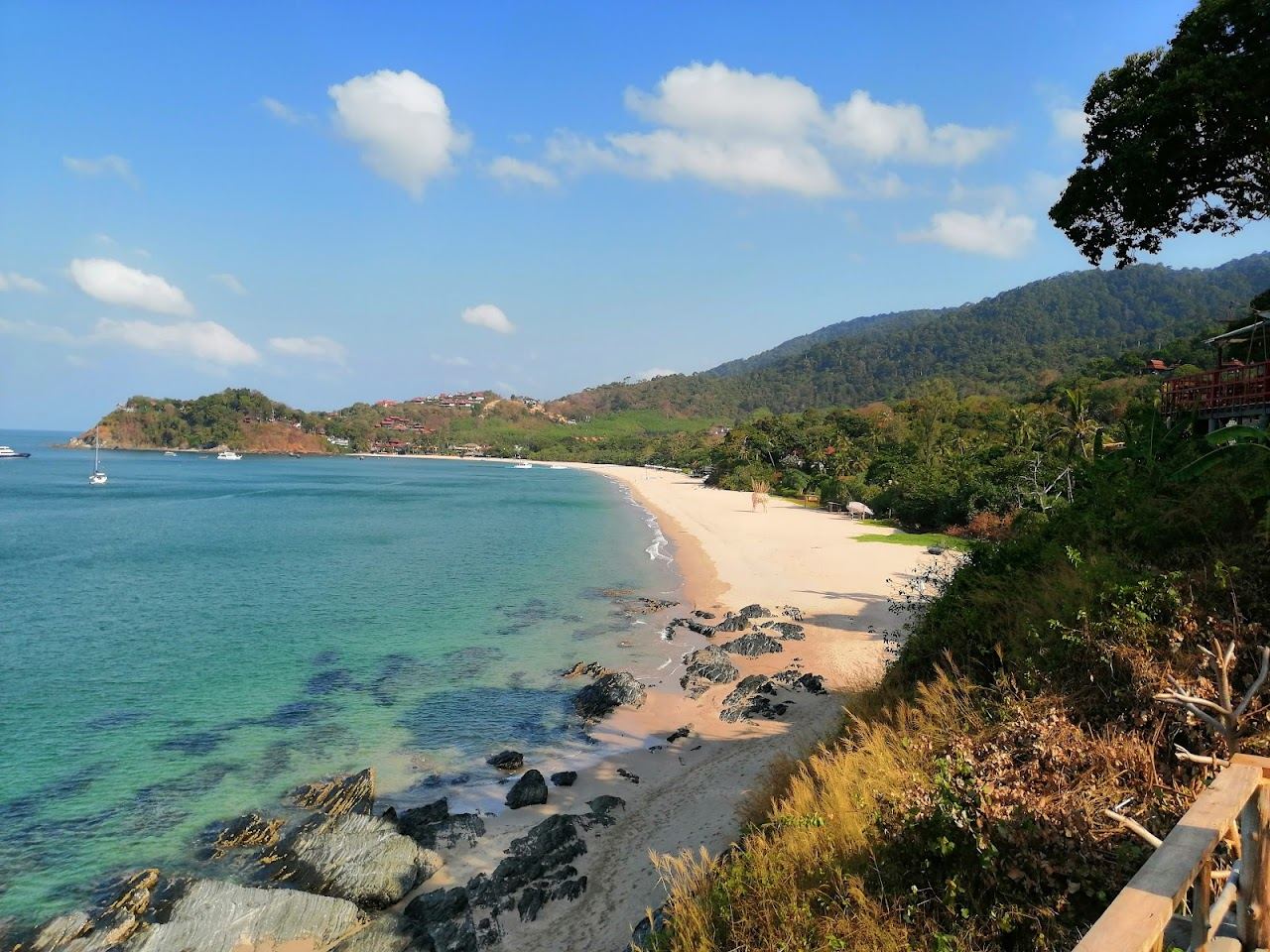
 Photo: Wlasto via Google
The verdict
- Best forAnyone choosing weeks on this laid back Andaman island and weighing calm seas and open resorts against price.
- Top pickNovember and late April for dry weather, calm water and an open island at prices below the December to February peak.
- One thing to knowFrom May to October the monsoon closes many resorts and restaurants and suspends the Phuket and Phi Phi ferries, so the island goes very quiet.
Published 20 February 2026. Last reviewed 7 April 2026
Koh Lanta sits on Thailand's Andaman coast, south of Krabi, and it runs on two clear seasons that shape everything from the sea to the size of your bill. The dry season from November to April brings sunny skies, calm clear water and a fully open island, with every beach bar, dive shop and ferry running. The monsoon from May to October flips that on its head, bringing wind, rough seas, heavy bursts of rain and, crucially, a wave of closures as resorts and restaurants shut for the quiet months.
That closure pattern is the thing most guides gloss over, so we will not. Koh Lanta is sleepier than Phuket in the best of times, and in low season large parts of it simply go dark, while the direct boats from Phuket and Koh Phi Phi stop running. The temperature barely moves across the year, so the real questions are wind, rain, what is open and what you pay.
The short answer: the dry season is the safe choice, with December to February the calmest and clearest but also the priciest, peaking over the festive weeks. For the best value with the island still open, target the shoulder weeks of November or late April. Treat the deep low season as a budget gamble, brilliant for a quiet green escape but limited on services and rough on the water.
Month by month at a glance
| Month | Air | Sea | Rain | Open and price | Verdict |
|---|---|---|---|---|---|
| January | Warm, around 32C | Warm, calm, around 28C | Dry | Fully open, peak prices | Peak season, perfect conditions and the highest rates |
| February | Warm, around 32C | Warm, calm, around 28C | Dry | Fully open, busy | Prime weather, reliable and still pricey |
| March | Hot, around 33C | Warm, calm, around 29C | Dry | Open, easing | Hot and dry with crowds thinning, good late season value |
| April | Hottest, around 34C | Warm, around 29C | Dry, first storms late | Open, quieter late | Very hot, Songkran water festival, shoulder value late month |
| May | Warm, around 32C | Warm, choppier, around 29C | Monsoon begins | Closures begin, cheaper | Shoulder into low season, cheaper but wetter and windier |
| June | Warm, around 31C | Warm, rough, around 29C | Wet, windy | Many places closed | Low season, quiet and cheap with rough sea and closures |
| July | Warm, around 31C | Warm, rough, around 29C | Wet, windy | Much closed | Deep low season, lush and cheap, plenty shut |
| August | Warm, around 31C | Warm, rough, around 29C | Wet, windy | Much closed | Wet and quiet, the lowest prices and limited services |
| September | Warm, around 31C | Warm, rough, around 29C | Wettest | Quietest | The wettest and quietest, a gamble for the budget minded |
| October | Warm, around 31C | Warm, settling, around 29C | Wet, easing late | Reopening late | Wet easing, the island wakes up, value before the crowds |
| November | Warm, around 31C | Warm, calming, around 28C | Drying out | Open, moderate prices | The value sweet spot, dry weather returns before peak rates |
| December | Warm, around 31C | Warm, calm, around 28C | Dry | Fully open, peak over holidays | Dry and calm, the festive weeks are the priciest |
When each month earns its place
December to February. The heart of the dry season and the most reliable beach weather of the year, with sunny days, calm clear water and the best diving visibility out at sites like Koh Haa. Everything is open, which is exactly why prices are at their highest, and the festive weeks around Christmas and New Year are the very top of the market. Book those dates early and expect to pay for the certainty.
March and April. Still dry and increasingly hot, with calm seas and crowds that thin as the season winds down, which softens prices. April is the hottest month and brings Songkran, the Thai new year water festival, mid month, a lively few days worth catching. Late April is a classic shoulder window, dry enough, quieter and cheaper, just before the monsoon sets in.
May to October. The monsoon and the low season. The southwest winds build through June to August, the Andaman turns rough, the direct ferries from Phuket and Koh Phi Phi stop, and many resorts and restaurants close for the quiet months. Rain tends to arrive in heavy bursts rather than all day, the island is green and beautiful and prices are at rock bottom, but services are limited and boat trips are often off. This is the budget gamble, best for flexible travellers who do not mind a sleepy island and the odd washed out afternoon.
November. Our pick for value. The monsoon retreats, the sea calms, the ferries restart and the island reopens in full, yet the peak festive prices have not arrived. You get dry season conditions without the dry season premium, which is the sweet spot most people are actually looking for.
Get the Koh Lanta beach calendar
Independent and honest · 1,340 beaches ranked across 103 destinations · We answer to no resort
Before you go
What is the best month to visit Koh Lanta?
The best months fall in the dry season from November to April. December to February gives the calmest seas, the sunniest days and the best diving visibility, but also the highest prices, especially over the festive weeks. For value, November and late April are the smart picks, since the weather is mostly dry and the island is open while rates sit below the midwinter peak.
Does Koh Lanta close down in low season?
To a real degree, yes. Through the monsoon from roughly May to October many resorts, restaurants and dive shops on Koh Lanta close or cut back, and the direct ferries from Phuket and Koh Phi Phi are suspended. The island stays reachable all year by road through Krabi with a short car ferry crossing, but services thin out, so low season visitors should expect a much quieter island with fewer places open.
When is the rainy season in Koh Lanta?
The rainy season runs from about May to October, driven by the southwest monsoon. The strongest winds and roughest seas tend to fall between June and August, which is when the Andaman can turn choppy and ferry services are suspended. Rain often comes in heavy bursts rather than all day, and the landscape turns lush and green, but conditions are typical rather than guaranteed.
Is the sea warm and calm in Koh Lanta?
The sea stays warm all year, generally around 28 to 29 degrees, so temperature is rarely the issue. What changes is the surface. From November to April the Andaman is at its calmest and clearest, ideal for swimming and diving, while the monsoon months bring wind, swell and reduced visibility. The water is warm in the wet season too, it is just rougher and murkier.
When is Koh Lanta cheapest?
The lowest prices come in the deep low season from May to October, when demand falls away. The catch is that many places are closed and the sea is rough, so the saving comes with real trade offs. If you want low prices with the island still open and the weather mostly dry, aim for the shoulder weeks of November or late April rather than midsummer.
Can you still visit Koh Lanta in the low season?
Yes, and some travellers love it. You reach the island year round by road through Krabi, prices are at their lowest, the jungle is green and the beaches are near empty. The downsides are that many resorts and restaurants close, the sea is often too rough for boat trips and diving, and rain can interrupt beach days. It is a gamble that suits flexible, budget minded travellers more than first timers.