Playa del Ingles Beach, Gran Canaria
The verdict
- Best for: Holidaymakers who want a wide, well serviced resort beach with everything to hand and the famous dunes a short walk away.
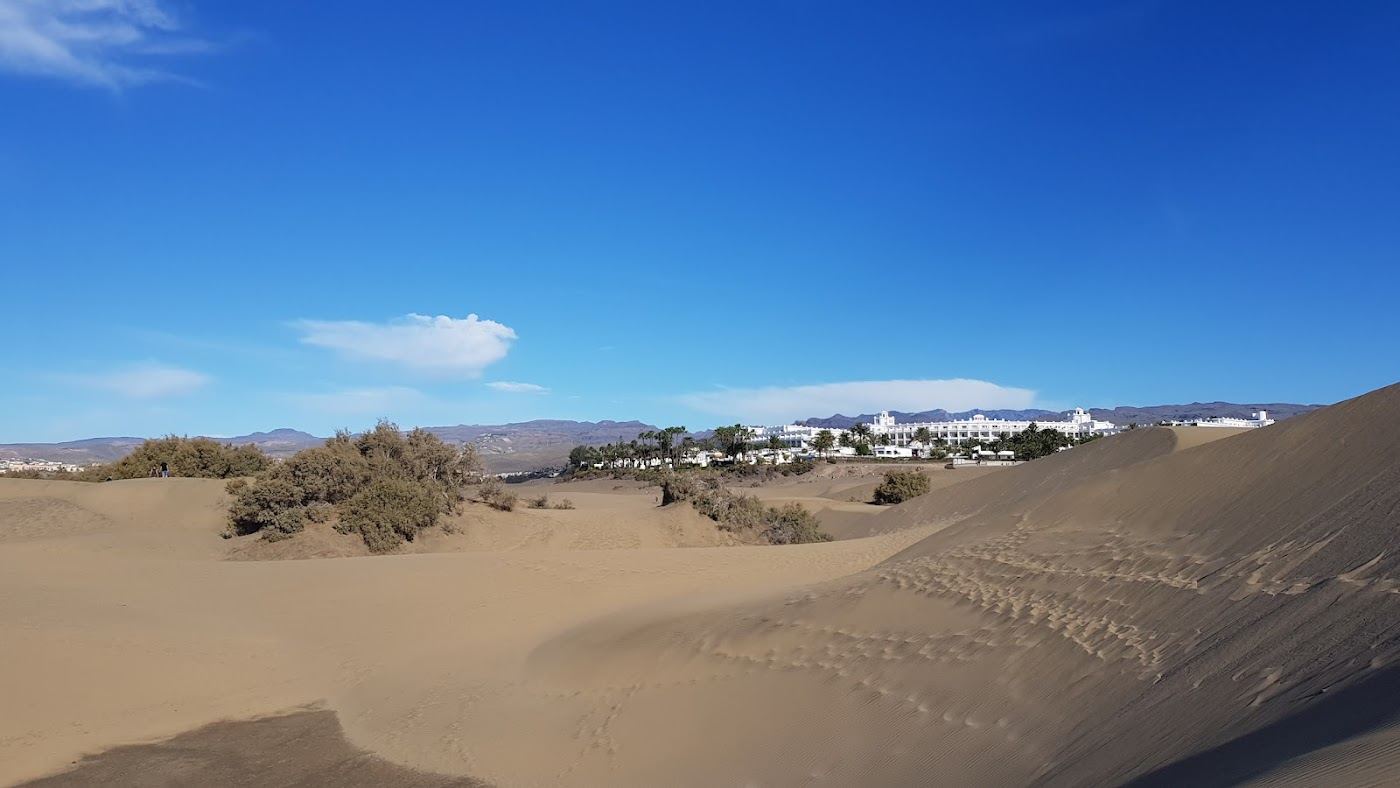
- Best spot: The western end where the sand merges into the Maspalomas dunes, calmer and more scenic than the busy central strip.
- Know this: This is the lively heart of the south's resort scene rather than a quiet or natural beach, and proud of its busy holiday energy.
Published 1 February 2026. Last reviewed 5 April 2026
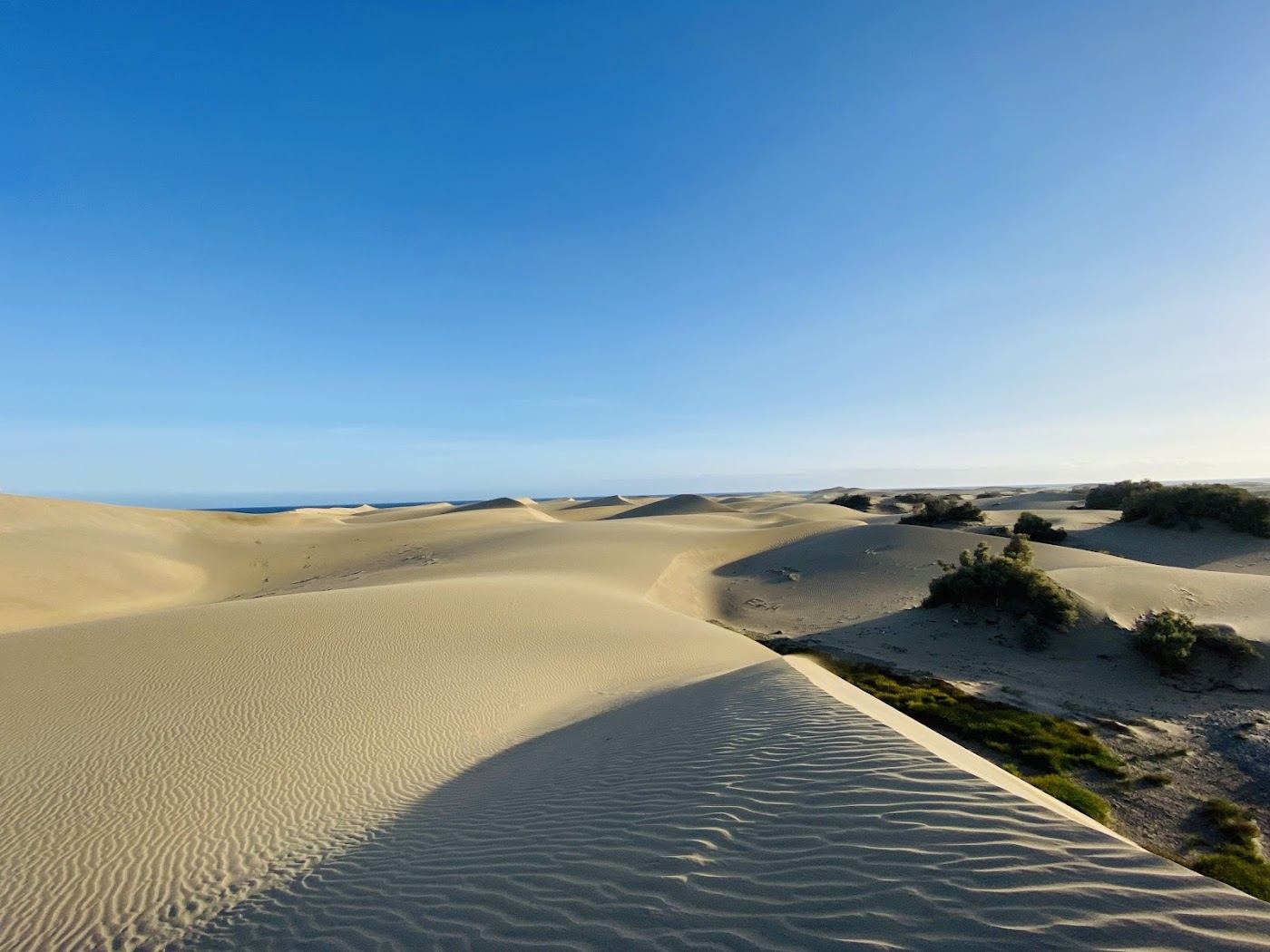
Playa del Ingles is the engine room of southern Gran Canaria, a long, wide ribbon of golden sand backed by the island's biggest concentration of resorts, bars and shops. This is where package tourism to the island began in the 1960s, and it has been busy ever since. The sand is broad and well kept, the facilities are everywhere, and at the western end the beach simply flows into the great dunes of Maspalomas, which is its saving grace.
The honest read is that you come here for energy and convenience rather than peace or natural beauty. The central strip is busy and built up, lined with sunbeds and watersports stands and backed by a wall of hotels and the famous shopping centres and nightlife behind. It is sociable, easy and good value, and the calm Atlantic water is fine for a swim, but it is not the place for anyone seeking quiet or a sense of wildness.
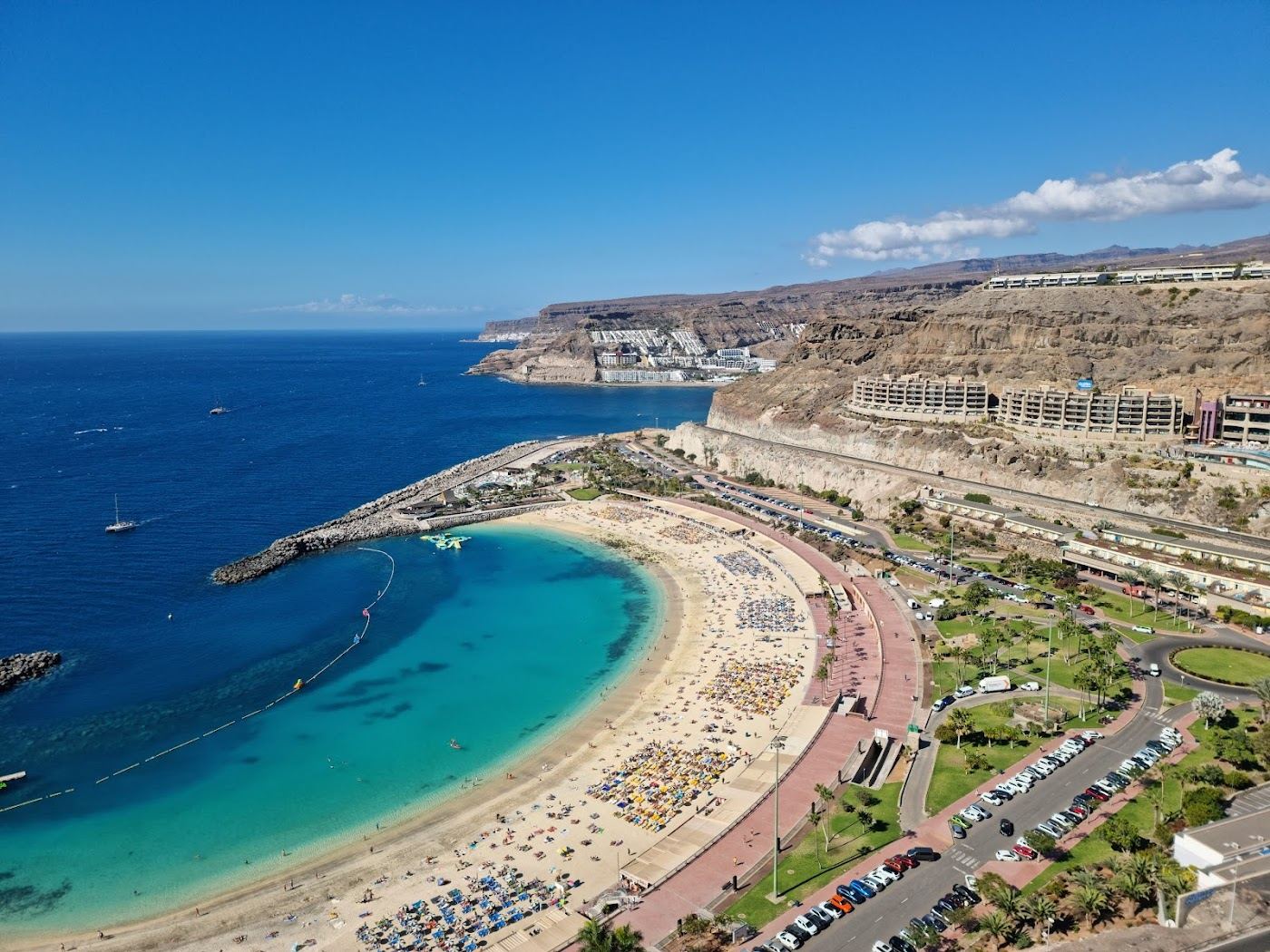
It suits families, groups and first time visitors who want a lively base with everything on the doorstep, and the dunes within walking distance for when they want a change of scene. Skip the central strip if you prefer calm, and walk west toward the dunes or drive to Amadores for a gentler day. Mornings are calmest before the wind and the crowds build, and the shoulder months are far more pleasant than the breezy summer peak.
Clubs on this beach
Playa del Ingles is about kiosks, watersports and a vast resort strip rather than glossy beach clubs, with the bigger names a short drive west. Compare the options in our Gran Canaria beach clubs directory.
Beach kiosks and watersports
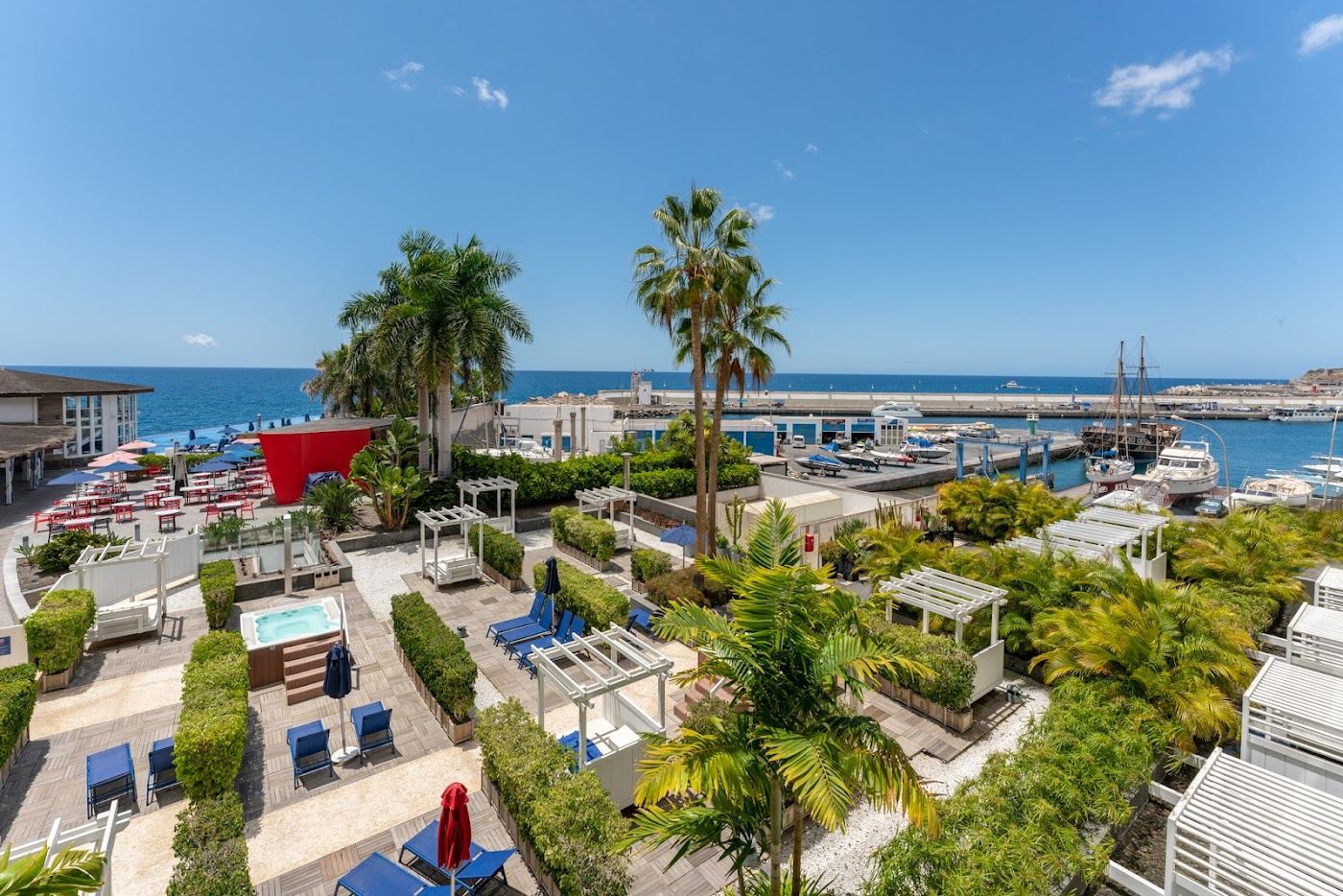
The beach is lined with kiosks, sunbed hire and watersports stands rather than glossy beach clubs. Operators and terms change through the year and are to be confirmed before you visit.
Meloneras and Amadores clubs nearby
For a polished beach club day head a short way west to the Chester venue in Meloneras or the Amadores Beach Club above its calm bay. Operators and minimum spend vary by season and are to be confirmed.
Playa del Ingles sits in the south of Gran Canaria, around 25 to 30 minutes by car from Las Palmas airport and very well served by the island's motorway and frequent buses. The resort is large and walkable, with numerous access ramps and steps down to the sand from the seafront and the hotels behind.
Parking is in resort car parks and side streets set back from the seafront and fills in peak season, so arrive early or use the buses. Bring sun cover and water, and decide whether you want a free patch of public sand, a hired sunbed, or the quieter walk west toward the dunes.
Not ready to book?
Keep the good shorelines coming. Shore Notes is our occasional letter on the best beaches and the clubs worth your day, sent straight to your inbox. One field, unsubscribe any time.
Reserve a day at Playa del Ingles
Tell us the date and party and we will match you to a club or spot on or near Playa del Ingles and pass on your request. No charge to enquire.
Independent and honest · 1,340 beaches ranked across 103 destinations · We answer to no resort
Common questions
Is Playa del Ingles a good beach?
Yes, for a long, lively resort beach with everything to hand. It offers wide golden sand, full facilities, calm Atlantic water and the Maspalomas dunes within walking distance. It is busy and built up rather than quiet or natural, which suits most resort visitors very well.
What is the difference between Playa del Ingles and Maspalomas?
They are two ends of the same great beach. Playa del Ingles is the busy, built up resort strip at the eastern end, while Maspalomas is the wild protected dune field and the quieter beach to the west. You can walk from one into the other along the sand.
Is Playa del Ingles good for families?
Yes. The water is usually calm, the sand is wide, and there are seasonal lifeguards, sunbed hire and kiosks along the front. It is busy in season, so keep an eye on children in the crowds and on the breezy afternoons when the surf can pick up.
Is Playa del Ingles good for nightlife?
Yes, the strip behind the beach holds the south's biggest concentration of bars, clubs and shopping centres, so it is a lively base after dark. That energy is the appeal for some and the reason others prefer the calmer resorts nearby such as Meloneras or Amadores.
When is the best time to visit Playa del Ingles?
April, May and October bring warm, settled weather with calmer wind and far lighter crowds than the busy summer. Mornings are the calmest time on the sand before the trade winds and the crowds build through the day.