Maspalomas Beach, Gran Canaria
The verdict
- Best for: Travellers who want a genuinely wild, cinematic beach of golden sand and protected dunes, with the resorts close at hand when you want them.
- Best spot: The quieter western end near the El Faro lighthouse and the long walk into the dunes, away from the busy resort access points.
- Know this: The dunes are a protected nature reserve, so stay on the marked paths, and parts of the beach are well known as naturist zones.
Published 19 April 2026. Last reviewed 3 May 2026
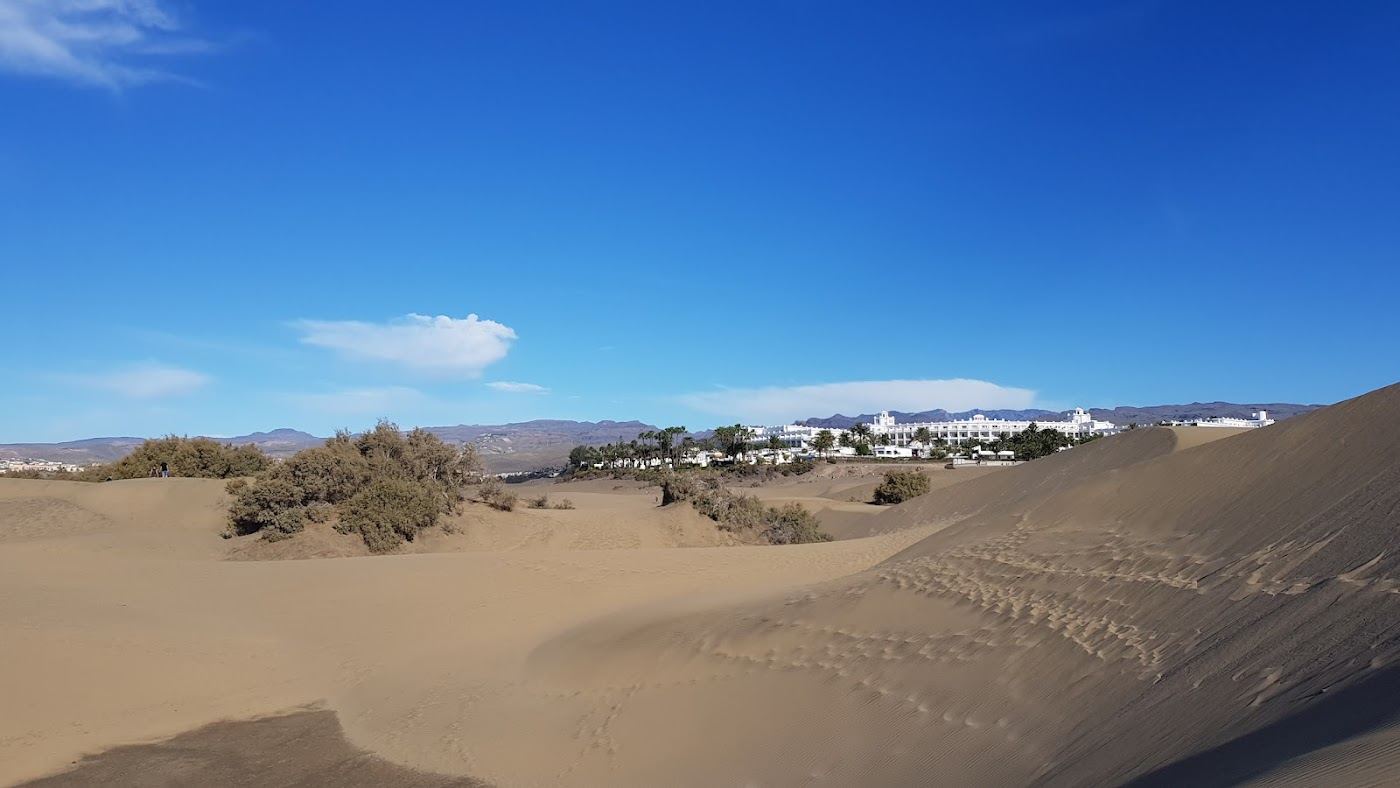
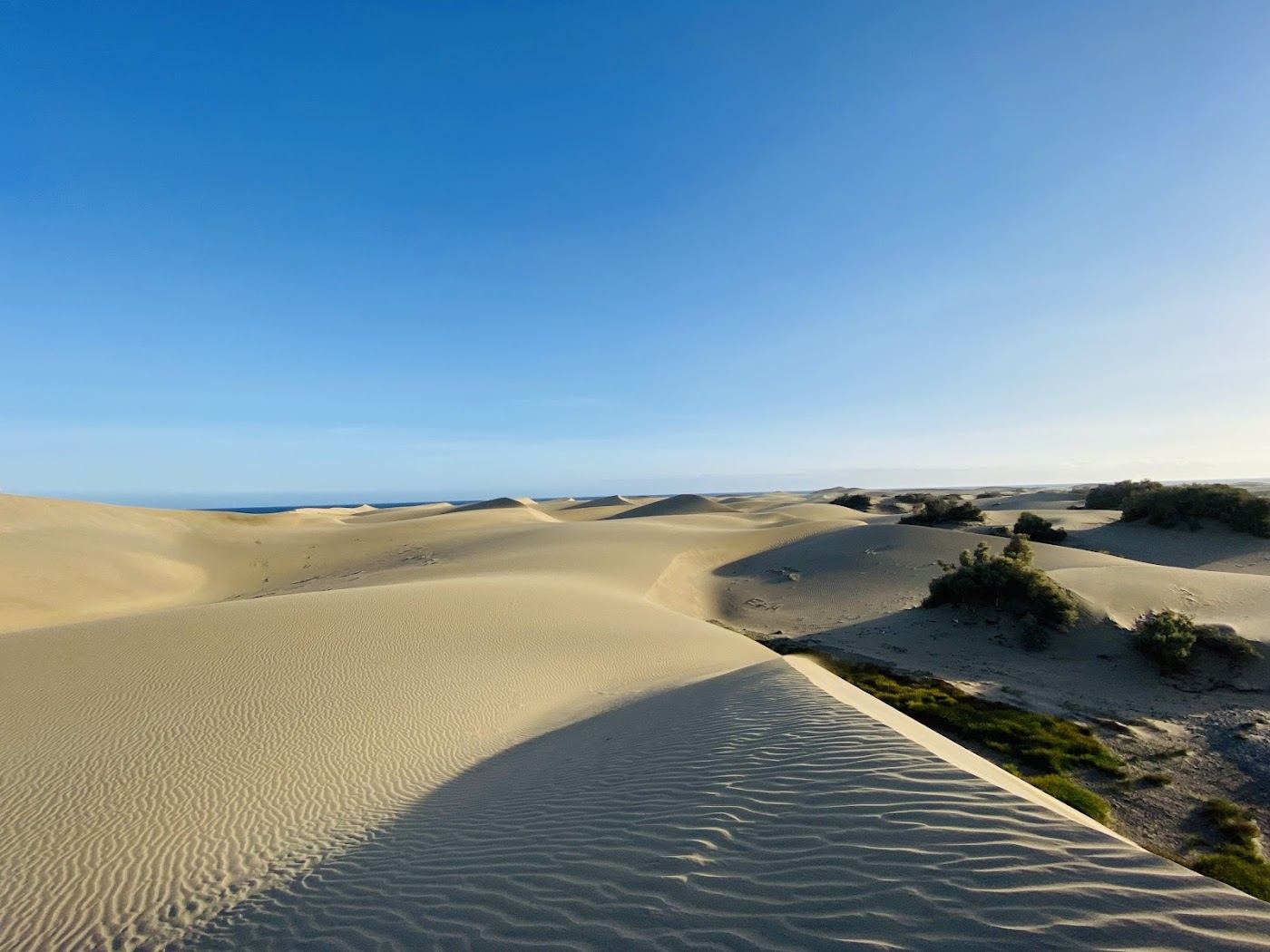
Maspalomas is the beach that put Gran Canaria on the map, and it still feels like nowhere else in the Canaries. A vast field of golden dunes, protected as a nature reserve, rolls down to a wide sweep of sand that curves for kilometres along the southern tip of the island. Walk in from the resorts and within minutes the buildings drop away and you are alone among the dunes, with only the ridgelines and the sea ahead. It is genuinely cinematic, and worth the sand in your shoes.
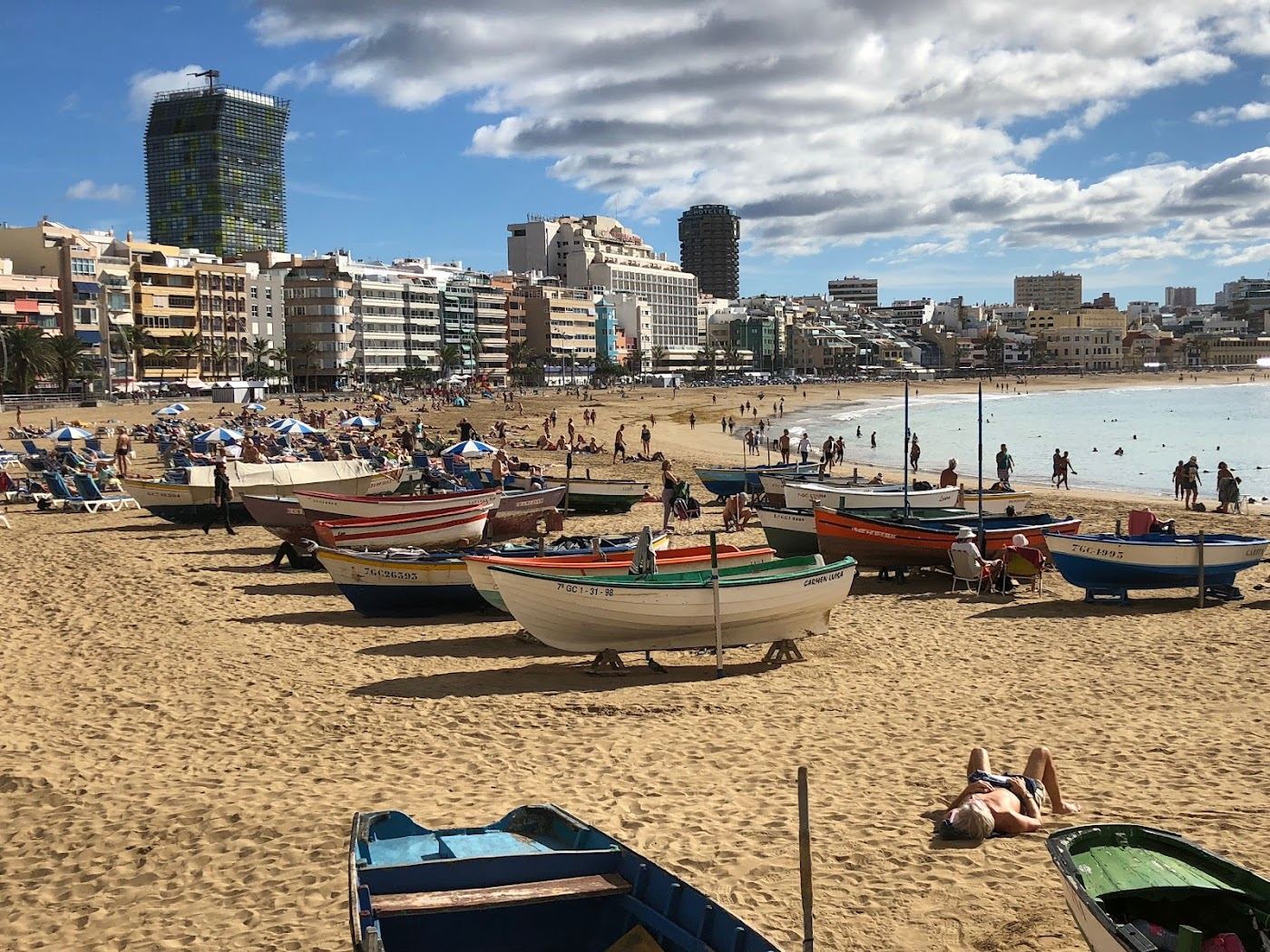
The honest read is that Maspalomas is really several beaches in one. The eastern end runs straight off Playa del Ingles and is busy and full of life, the central dunes are wild and quiet and contain the island's best known naturist zones, and the western end near the El Faro lighthouse is calmer and more scenic, with a pretty lagoon, La Charca, behind it. The water is the open Atlantic, usually gentle but with some shore break and current when the wind is up.
It suits anyone who wants nature and space rather than a tidy resort strip, and families happy to set up near the serviced access points. Skip it if you need full facilities right on your towel, because the heart of the beach is deliberately wild. Go early or late for the light on the dunes and the gentlest wind, give yourself time to walk, and treat the reserve gently by keeping to the marked routes.
Clubs on this beach
Maspalomas is a protected dune beach of kiosks and open sand rather than glossy clubs, with the polished venues a short drive west. Compare the options in our Gran Canaria beach clubs directory.
Resort kiosks and chiringuitos
The beach is served by kiosks and sunbed hire near the Playa del Ingles and Meloneras access points rather than glossy clubs on the protected sand. Operators and terms change through the year and are to be confirmed.
Meloneras and Amadores clubs nearby
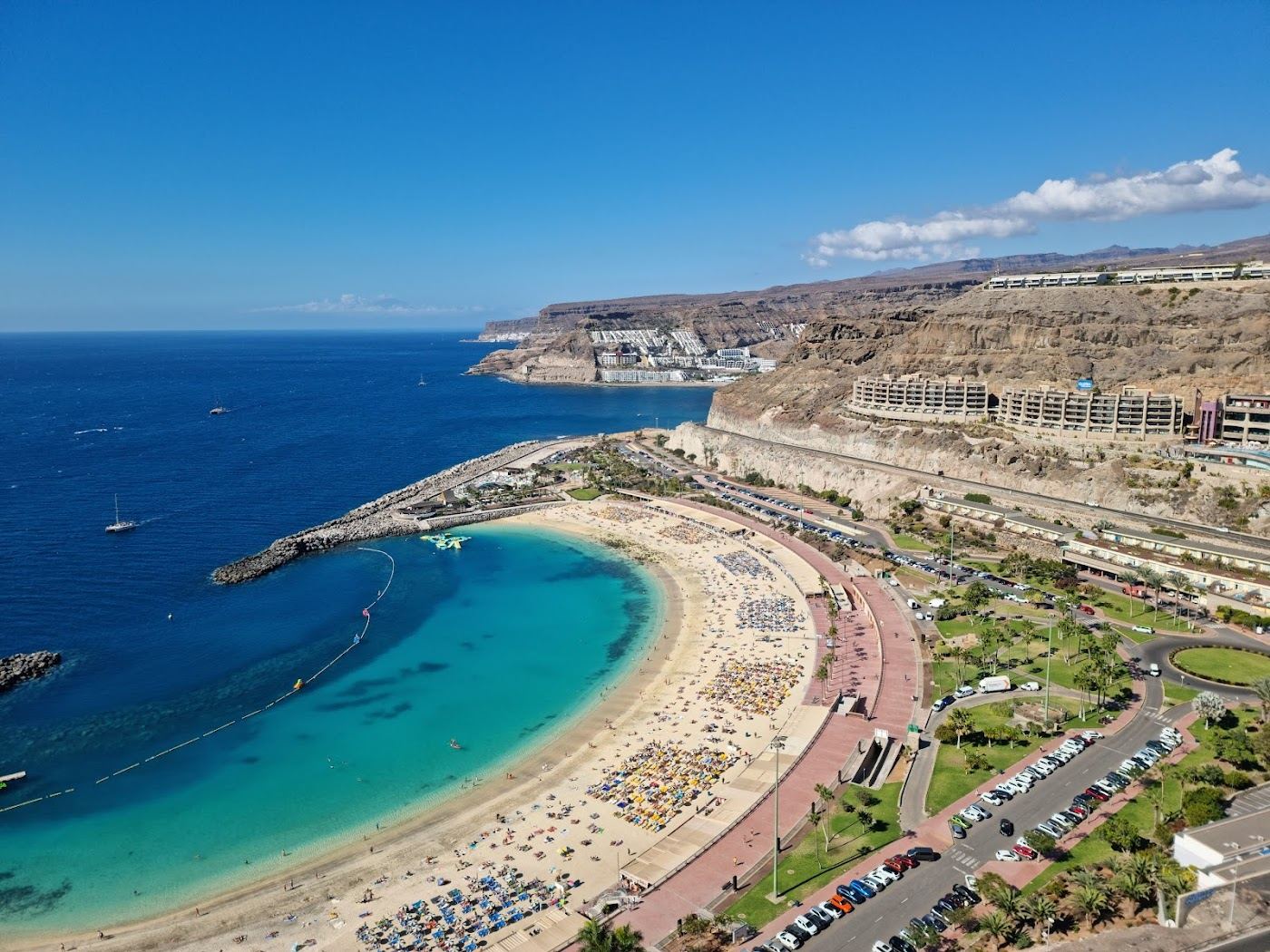
For a beach club day the polished venues sit a short drive west, from the Chester spot in Meloneras to the Amadores Beach Club above its calm bay. Operators and minimum spend vary by season and are to be confirmed.
Maspalomas sits at the southern tip of Gran Canaria, around 30 minutes by car from Las Palmas airport and easily reached by the island's motorway and frequent buses. The main access points are at the El Faro lighthouse and shopping centre in the west and from Playa del Ingles in the east, and a walk between them across the dunes is a highlight in its own right.
Parking sits behind the resorts and the lighthouse and fills in peak season, so arrive early. Bring water, sun cover and footwear you do not mind filling with sand, and decide whether you want the serviced ends or the wild, quiet heart of the dune field. There is no shade once you are out on the open sand.
Not ready to book?
Keep the good shorelines coming. Shore Notes is our occasional letter on the best beaches and the clubs worth your day, sent straight to your inbox. One field, unsubscribe any time.
Reserve a day at Maspalomas
Tell us the date and party and we will match you to a club or spot on or near Maspalomas and pass on your request. No charge to enquire.
Independent and honest · 1,340 beaches ranked across 103 destinations · We answer to no resort
Common questions
Is Maspalomas beach worth visiting?
Yes, it is the most distinctive beach in Gran Canaria and arguably the Canaries. The protected dunes give it a wild, desert like scale you will not find on a normal resort beach, and the mix of busy serviced ends and a quiet wild centre means most people find a stretch that suits them.
Are the Maspalomas dunes protected?
Yes, the dunes are a special nature reserve, so you should keep to the marked paths, avoid damaging the vegetation and carry out everything you bring. That protection is the reason the dune field has survived intact beside one of the busiest resort coasts in the Canaries.
Is Maspalomas a naturist beach?
Parts of it are. The central dunes contain some of the best known naturist areas in the Canaries, while the serviced ends near the resorts are mixed and clothed. It is easy to choose the stretch that suits you, and the zones are well understood locally.
How do I get from Playa del Ingles to Maspalomas lighthouse?
You can walk the length of the beach and dunes between them, a long, exposed and memorable hike of a few kilometres, or drive and park near the El Faro lighthouse in the west. Carry water and sun cover for the walk, as there is no shade on the open sand.
When is the best time to visit Maspalomas?
April, May and October bring warm, settled weather with calmer wind and thinner crowds than the busy, breezy summer. Early morning and late afternoon give the best light on the dunes and the gentlest conditions for the long walk across the sand.