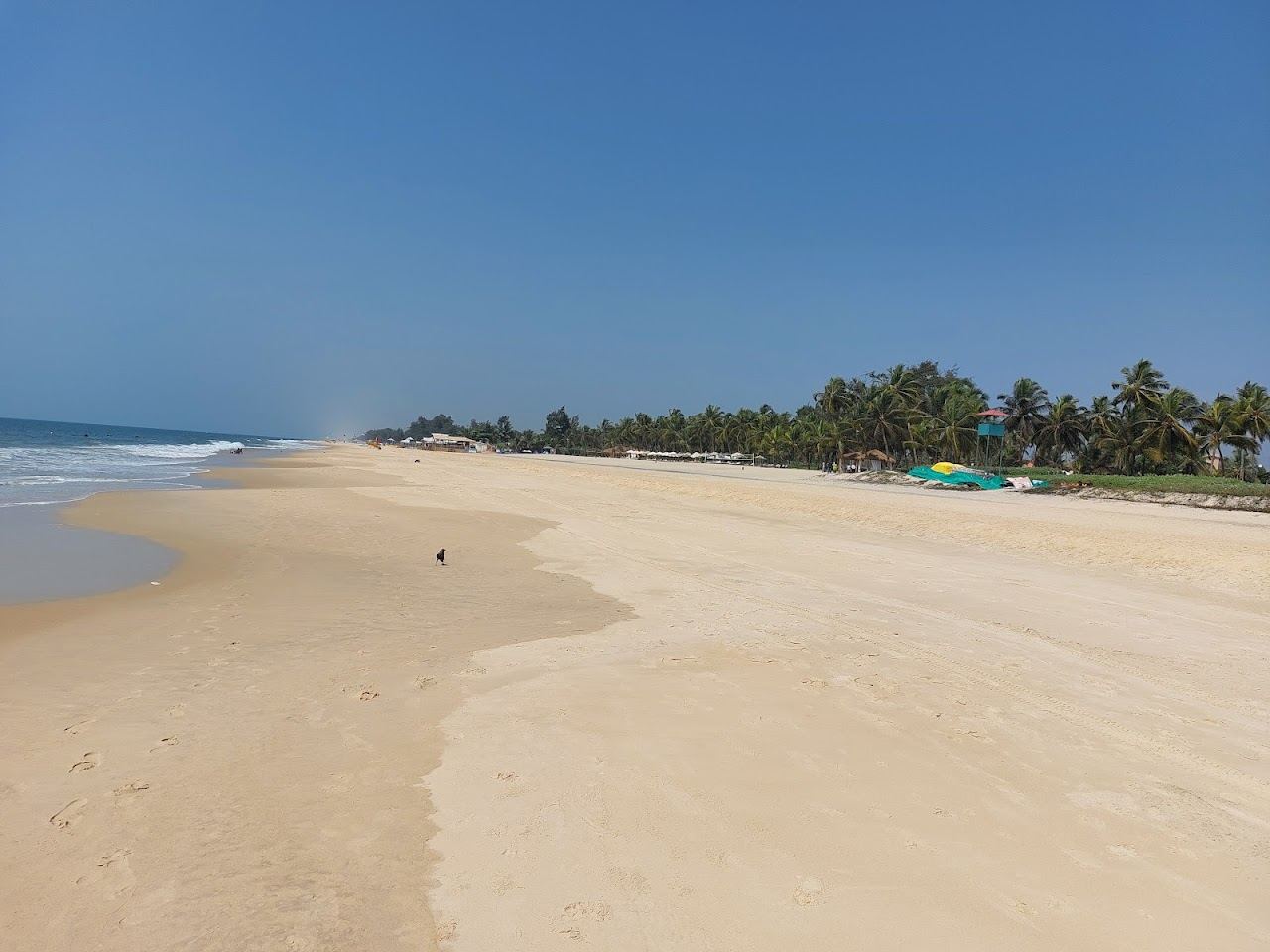
 Photo: bob roly via Google
The verdict
- Best forTravellers who want the palest, softest, quietest sand over the busy northern party beaches
- Top pickCavelossim for the palest, softest white toned sand on the quiet Mobor peninsula in the south
- One thing to knowGoa sand is mostly golden, and the palest, softest grains are in the quiet south, not on the famous grey packed northern strip
Published 12 March 2026. Last reviewed 1 June 2026
Goa is golden, not white, and any honest guide says so up front. The long Arabian Sea beaches run from tan to amber, and on the busy northern strip the sand is grey toned, packed hard and littered after a big night. So if you have come chasing brilliant white powder you will want to recalibrate, because the Goan gift is a warm pale gold rather than a Caribbean white.
That said, the sand does lighten and soften as you go south, and the quiet crescents below the Sal river hold the palest, cleanest, most barefoot sand in the state. We have ranked the beaches below for pale soft sand and a natural, unhurried feel rather than for nightlife, and we have leaned hard into the south where the grains lighten, the building thins and the turtles still come ashore to nest.
If you want the short version, go south. Cavelossim and Varca on the Mobor peninsula have the palest, softest white toned sand in Goa, wide and quiet and resort calm. Agonda and Patnem further south keep it wilder and greener, with Agonda a protected turtle nesting beach, while the famous northern names like Baga and Calangute are the ones to skip if pale clean sand is what you are after.
The palest sand in Goa
Genuine soft pale sand first.
Cavelossim
The palest, softest sand in Goa, a wide upscale white toned strand on the Mobor peninsula with the calm sea on one side and the Sal river on the other. It is quiet and resort led, the grains are fine and light, and the gently shelving sand stays clean and uncrowded well away from the northern noise. For pale soft sand with calm water, this is the clear top pick.
Varca
A long, serene white toned beach just north of Cavelossim, lined with palms and almost empty for much of its length. The sand is pale, soft and broad, the pace is slow, and the lack of any party scene keeps it clean and natural. Walk a few minutes from the access points and you will have pale soft sand entirely to yourself, with the occasional fishing boat for company.
Agonda
A wild, palm backed crescent of pale sand that doubles as a protected turtle nesting beach, calmer and greener than its famous neighbour Palolem. The sand is soft and light, the headlands keep it intimate, and the conservation status keeps the building low and the night quiet. For pale sand with real nature, including nesting olive ridley turtles in season, this is the soul of the soft sand south.
Patnem
A small, mellow crescent of pale soft sand next to Palolem, quieter and more low key, loved by long stay travellers who want calm over scene. The sand is light and clean, the bay is gentle, and the relaxed, yoga leaning crowd keeps it peaceful. A natural, unhurried pocket of pale sand at the far south of the state.
Mandrem
The pale exception in the north, a soft, wide, gently shelving beach separated from the road by a shallow creek, far calmer and cleaner than the party strip nearby. The sand is light and soft underfoot, the wellness lean keeps the crowd quiet, and the creek crossing filters out the day trippers. The one northern beach to choose if you want pale soft sand without heading all the way south.
The honest read on white sand
The honest read on Goa is a frank one about colour. This is a golden sand coast, and the popular northern beaches around Baga, Calangute and Candolim are the least appealing of all, with grey toned, hard packed sand, heavy crowds and litter after the big nights. If pale clean sand is your aim, the famous north is precisely where not to go, whatever the party reputation promises.
Head south and the picture changes. Below the Sal river the sand lightens to a pale, soft, white leaning gold, the crowds thin, and the beaches turn quiet and clean. This is also where the nature is, with Agonda and nearby Galgibaga protected as olive ridley turtle nesting beaches, palm groves behind the dunes and a slow, barefoot rhythm that the north lost long ago. The south is the answer for soft pale sand twice over.
A few honest cautions. The season is everything, because the dry months from around November to March give you calm clean water and open shacks, while the monsoon from June to September turns the sea rough and brown and shutters much of the coast. Conditions are typical rather than guaranteed, the Arabian Sea has currents and only the main beaches are patrolled by the Drishti lifeguards, and turtle nesting areas must be left undisturbed. Come in the dry season, tread lightly in the south, and you will find the palest soft sand Goa has.
A base on the soft sand
Goa runs its beach life from shacks and a handful of stylish clubs rather than grand daybed estates, and the quiet south keeps it especially simple with family run shacks a few steps from the pale sand. The smarter, adult leaning clubs cluster more in the north. We never invent a venue, a minimum spend or an opening status, so anything unconfirmed is marked to be confirmed. Browse the directory and send one enquiry to check what is open and bookable.
Book a beach club in Goa
Independent and honest · 1,340 beaches ranked across 103 destinations · We answer to no resort
Before you go
Where is the whitest sand in Goa?
The palest, softest sand in Goa is in the south, on the Mobor peninsula at Cavelossim and Varca, where the grains lighten to a fine white toned gold and the beaches stay quiet and clean. Agonda and Patnem further south are also pale and soft. The famous northern beaches run greyer and harder, so head south for the lightest sand.
Does Goa have real white sand beaches?
Not bright white in the Caribbean sense. Goa is fundamentally a golden sand coast, and the northern beaches are grey toned and hard packed. The closest you get to pale, clean, soft sand is the south coast crescents below the Sal river, where the gold lightens toward white. Set expectations to pale soft gold rather than brilliant white.
Which Goa beaches should I avoid for clean sand?
If clean pale sand is the goal, the busy northern strip around Baga, Calangute and Candolim is the area to skip, with grey toned hard packed sand, heavy crowds and litter after the party nights. Head south to Cavelossim, Varca, Agonda or Patnem instead, where the sand is paler, softer and far cleaner.
Which Goa beach is best for nature and quiet?
Agonda in the south is a protected olive ridley turtle nesting beach, wild, palm backed and calm, and nearby Patnem and Varca share the same quiet, clean, pale sand. In the north, Mandrem stands apart for its soft sand and creek crossing. Come in the dry season, keep clear of marked turtle nesting areas, and tread lightly.
When is the sand and sea best in Goa?
The dry season from around November to March is the time to come, when the sea is calm and clean, the shacks are open and the sand is at its best. The monsoon from June to September brings rough brown water and shuttered shacks. Conditions are typical and never guaranteed, so plan for the dry months for the palest, cleanest sand.