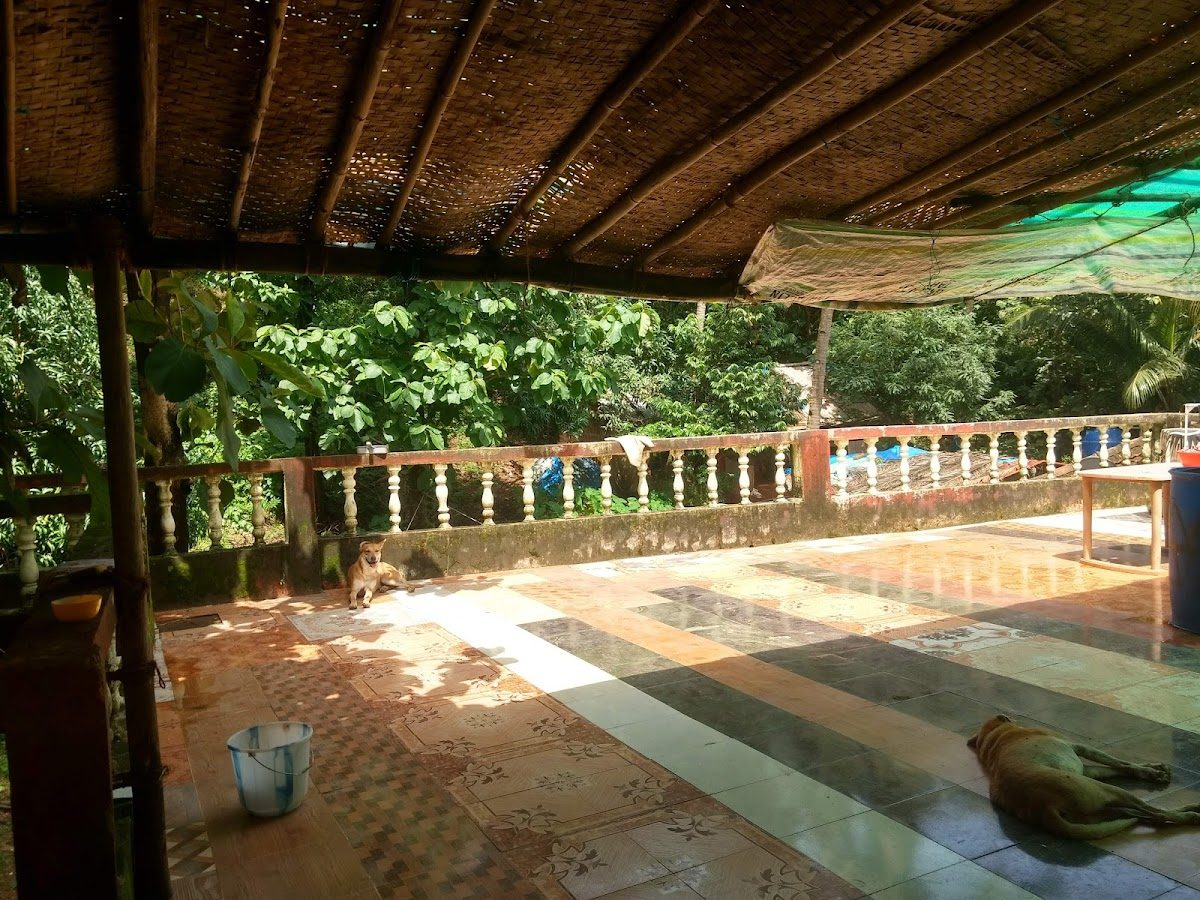
 Photo: Anish Gaonkar via Google
The verdict
- Best forBeachgoers who want calm sea, clear skies and open shacks over green low season prices
- Top pickNovember to February is the sweet spot, with the calmest sea, open shacks and the best weather
- One thing to knowThe monsoon from June to September roughens the sea and closes most shacks, so timing beats the beach
Published 1 March 2026. Last reviewed 26 May 2026
Goa runs on two seasons, and the difference between them is night and day. The dry winter from around November to March brings calm sea, clear skies and a coast full of open shacks, while the monsoon from June to September turns the beaches green and empty but the sea rough and brown. When you go shapes the trip far more than which beach you pick.
We have set out the year month by month below, covering the air, the sea, the rain, the crowds and an honest verdict for each. The aim is to help you trade off weather against crowds and price, whether you want the calm peak, the quiet shoulder or the dramatic green of the rains.
If you take one line from this page, take this. Come between November and February for the calmest sea and the best of the shacks, accept the December and January crowds as the price of the best weather, and treat the monsoon as a green escape rather than a beach holiday.
Month by month at a glance
| Month | Air | Sea | Rain | Crowd | Verdict |
|---|---|---|---|---|---|
| January | Warm, around 32C | Calm and clear | Very low | Peak | Prime weather, busiest sand |
| February | Warm, around 33C | Calm and clear | Very low | High | Calm sea, crowds easing |
| March | Hot, around 34C | Calm, warming | Very low | Moderate | Quieter, getting humid |
| April | Hot, around 35C | Calm, warm | Low | Low | Hot and humid, quiet sand |
| May | Hot and humid | Building swell | Rising | Low | Pre monsoon, sea turning |
| June | Warm, humid | Rough | Heavy | Very low | Monsoon arrives, shacks close |
| July | Warm, humid | Rough | Heavy | Very low | Green and wet, no swimming |
| August | Warm, humid | Rough | Heavy | Very low | Lush, dramatic, rough sea |
| September | Warm, humid | Easing late | Easing late | Low | Rains fading, sea still up |
| October | Warm, around 32C | Settling | Occasional | Building | Shacks reopen, season starts |
| November | Warm, around 32C | Calm and clear | Low | High | Sweet spot begins |
| December | Warm, around 31C | Calm and clear | Very low | Peak | Best weather, festive crush |
When each month earns its place
November. The start of the sweet spot. The monsoon has cleared, the sea has settled into its calm winter state, the shacks are fully open and the weather is warm and dry. Crowds are high but not yet at the Christmas peak, so November is arguably the best all round month for calm water and an easy mood before the festive crush.
December. The best weather of the year meets the biggest crowds. The sea is calm and clear, the skies are bright and every shack is open, but Christmas and New Year bring the festive crush and the highest prices, especially in the north. Book well ahead, and head to the southern crescents if you want the calm weather without the worst of the bustle.
February. A lovely month to visit. The sea stays calm and clear, the weather is warm and dry, and the festive peak has passed so the beaches feel calmer and prices ease. February is one of the best balances of good conditions and manageable crowds, before the heat and humidity build through March and April.
May. The pre monsoon month, hot and increasingly humid, with the swell building and the first rains close. Many shacks begin to wind down toward the end of the month as the season ends. It is quiet and cheap, but the sea is turning and the mood is one of a coast bracing for the rains rather than a settled beach month.
July. Deep monsoon. The hills turn green, the rivers run full and the coast is dramatic and lush, but the sea is rough and brown, swimming is unsafe and most shacks are closed. July suits travellers who want the green, the low prices and the atmosphere of the rains rather than a beach holiday, with waterfalls and quiet roads as the draw.
October. The turn of the season. The rains fade through the month, the sea settles, and the shacks begin to reopen as operators rebuild for winter. Early October can still be wet and unsettled, but by late month the coast is greening into its best self, which makes it a quiet, fresh time to arrive before the crowds return.
Get the Goa beach calendar
Independent and honest · 1,340 beaches ranked across 103 destinations · We answer to no resort
Before you go
What is the best month to visit Goa?
November to February is the best window, with calm clear sea, dry warm weather and the shacks fully open. November and February are the sweet spots for good conditions with slightly easier crowds, while December and January bring the best weather but the festive peak and the highest prices. Avoid the monsoon if you want to swim.
When is the monsoon in Goa?
The southwest monsoon runs from around June to September, bringing heavy rain, a rough brown sea and unsafe swimming, with most beach shacks closed. The coast is green and dramatic and prices are low, but it is not a beach swimming season. The rains fade through late September and October as the dry season returns.
Is Goa good to visit in the off season?
The green monsoon months suit travellers who want lush scenery, waterfalls, low prices and quiet roads rather than beach days, since the sea is rough and the shacks mostly closed. October and late September are a fresh, quiet turn of season. For calm swimming and open shacks, stick to the dry season from November to March.
When is Goa least crowded?
The shoulder months of November and February are calmer than the December and January peak while still offering calm sea and open shacks, so they balance weather and crowds best. The monsoon months from June to September are emptiest of all, but the sea is rough and most shacks are closed, so quiet then comes without swimming.
How warm is the sea in Goa?
The Arabian Sea off Goa stays warm year round, typically in the comfortable high twenties Celsius, so water temperature is rarely the deciding factor. What changes is the state of the sea, calm and clear through the dry winter and rough and brown through the monsoon. Conditions are typical and never guaranteed, so always check the flags.