 Photo: sandesh damodlekar via Google
The verdict
- Best forTravellers who love Goa for its sand and palms and accept that snorkelling here is modest and seasonal
- Top pickPalolem, the calmest and clearest of the popular far south bays, best in the dry season after the monsoon settles
- One thing to knowGoa's mainland water carries river sediment and is rarely truly clear, so the real snorkelling is on the boat trips to Grande Island
Published 11 March 2026. Last reviewed 26 March 2026
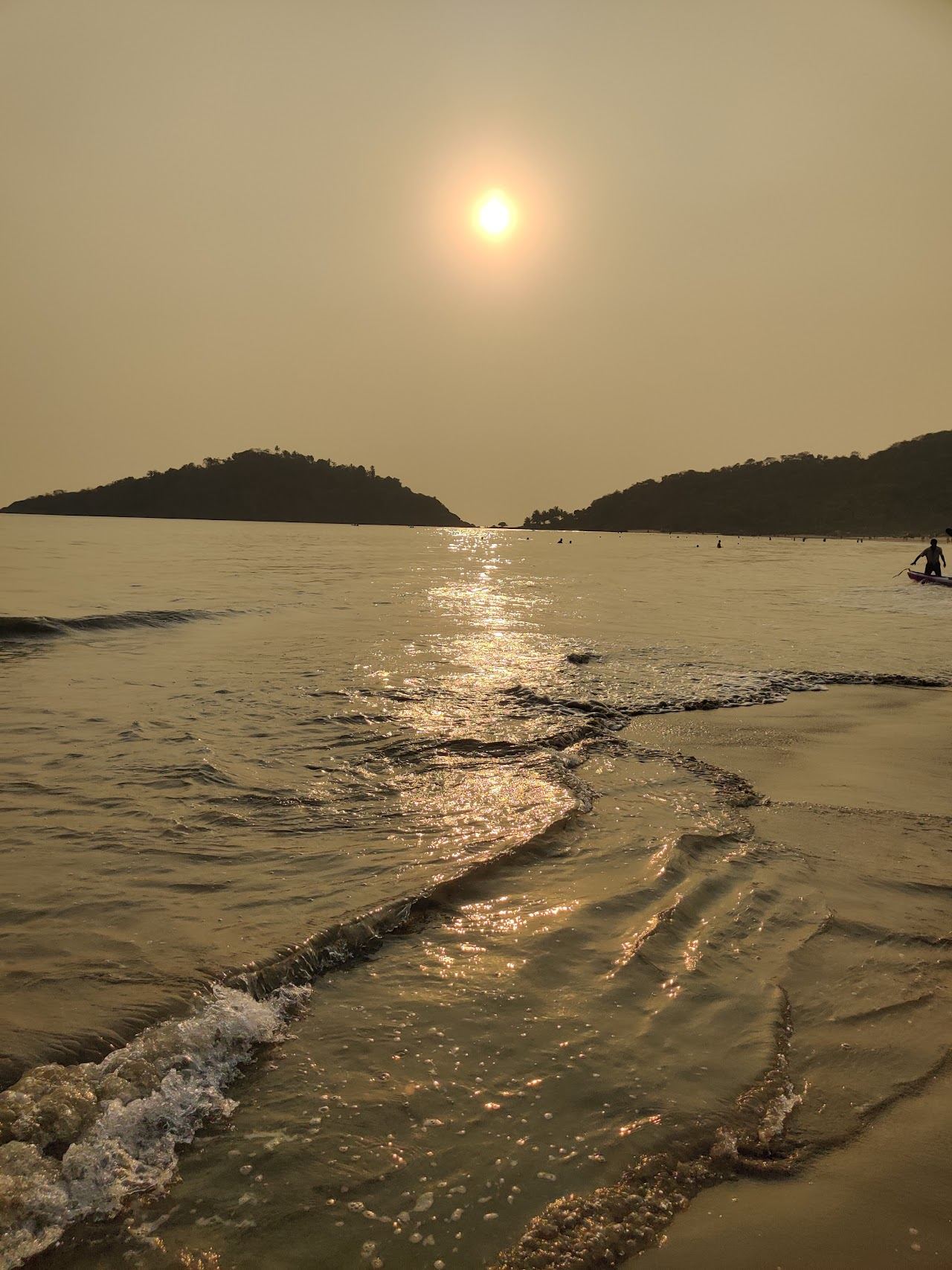
Goa is a sand, palm and sunset coast rather than a snorkelling one, and an honest guide says so up front. The long Arabian Sea beaches sit at the mouths of rivers that pour silt into the sea, so the water carries a brown or green tint for much of the year and the visibility rarely matches the tropical postcard. People picture clear shallows full of fish and find warm, soft, sediment laced water instead. The magic of Goa is on the sand and in the palms, not beneath the waves.
Where Goa improves is in the quiet far south, below the rivers and the party strip, where the bays are calmer and the water clears a little on a settled dry season day. The naturalist heads down there, keeps expectations modest, and saves the real underwater day for a boat trip out to Grande Island, where the water is clearer and the reef holds fish. From the beaches themselves, this is a place to float gently and watch the shore, not to chase coral.
Goa snorkelling beaches, ranked
Chosen for the calmer, clearer far south bays, since the central strip rarely clears enough to snorkel well.
Palolem
A gently curved bay in the far south, sheltered by headlands and calmer and clearer than the central beaches. The water is still rather than reef rich, but on a settled dry season day it is the most pleasant easy snorkel on the Goa mainland.
Patnem
Just south of Palolem and quieter still, a calm crescent where the water settles and small fish gather near the rocky ends. A peaceful, low key float away from the crowds, kind to nervous swimmers.
Agonda
A long, clean, quiet beach where olive ridley turtles come ashore to nest and the water stays calmer than the central strip. More a wild, slow naturalist shore than a reef, and lovely for an early morning swim.
Cavelossim
A broad, raked stretch of pale southern sand where the water is calm and the crowds thin. The clarity is modest, but it is an easy, gentle place to float on a settled day with plenty of room to yourself.
Varca
A long, peaceful beach on the southern resort coast with soft sand and calm shallows. Not a reef, but a clean, gentle and very quiet place to swim and float well away from the busy north.
The honest read on snorkelling here
Do not take a mask to Baga or Calangute hoping for fish. The busy central beaches sit near river mouths and are churned by crowds, jet skis and silt, so the water is warm but cloudy and there is nothing to see beneath it. They are for the sunset, the shacks and the buzz, not for snorkelling. Head south to the calmer bays, or onto a boat, if the underwater world is what you came for.
The honest answer for clear water in Goa is a boat trip to Grande Island, also called Bat Island, off the coast near Vasco. The water there is clearer than any mainland beach and the trips visit reef where fish and the occasional turtle can be seen. Operators run snorkelling and dive day trips in the dry season. Conditions are still tied to the weather and the visibility is typical at best and never guaranteed.
Time it to the season and tread lightly. Goa snorkelling, such as it is, works only in the dry months from roughly November to March, when the monsoon has settled and the sea calms and clears a little. From June to September the monsoon makes the sea rough and brown and unsafe. Agonda and nearby Galgibaga are olive ridley turtle nesting beaches, so respect the marked nesting areas, keep lights and noise down at night and give the turtles the quiet shore they need.
Where to settle after the swim
Goa runs on the beach shack, the open sided restaurant on the sand with loungers and shade for the price of lunch, rather than the formal beach club, and that easy shack culture is the heart of a Goa day. A handful of smarter day bed and club style setups have opened along the coast. We keep an honest directory of where to book a day bed and where a shack will give you a lounger for the cost of a meal, so the swim and the long lunch sit in one day.
Book a beach club in Goa
Independent and honest · 1,340 beaches ranked across 103 destinations · We answer to no resort
Before you go
Is Goa good for snorkelling?
Modestly, and only in the dry season. Goa's mainland beaches sit near river mouths and carry silt, so the water is rarely clear and there is little reef. The calmer far south bays are the best from shore, while the genuinely clear water is on boat trips to Grande Island.
Where is the best snorkelling beach in Goa?
Palolem in the far south is the calmest and clearest of the popular bays, sheltered by headlands and pleasant on a settled dry season day. Patnem and Agonda nearby are quieter still. None are reefs, so keep expectations to gentle, modestly clear water.
Where can you see clear water and reef near Goa?
On a boat trip to Grande Island, also called Bat Island, off the coast near Vasco, where the water is clearer than any mainland beach and operators run snorkelling trips over reef in the dry season. Conditions follow the weather, so clarity is typical at best and never guaranteed.
When is the best time to snorkel in Goa?
The dry season from roughly November to March, once the monsoon has settled and the sea calms and clears a little. From June to September the monsoon makes the sea rough, brown and unsafe for snorkelling, so the window is firmly the dry winter months.
Can you see turtles in Goa?
Olive ridley turtles nest on the quiet southern beaches of Agonda and Galgibaga, mainly from around November to March. The nesting areas are marked and protected. Respect the barriers, keep noise and light down at night, and never disturb a nesting turtle or her eggs.